Category
Manufacturer
Model
Shenzhen Ourpack Systems Equipment Company
Shenzhen Ourpack Systems Equipment Company specializes in manufacturing packaging machinery for the food and beverage industries. They are known for their innovative solutions in bottling and canning processes. Their equipment is designed to optimize production efficiency and ensure product safety.
FAQ:
What types of packaging machinery does Shenzhen Ourpack produce?
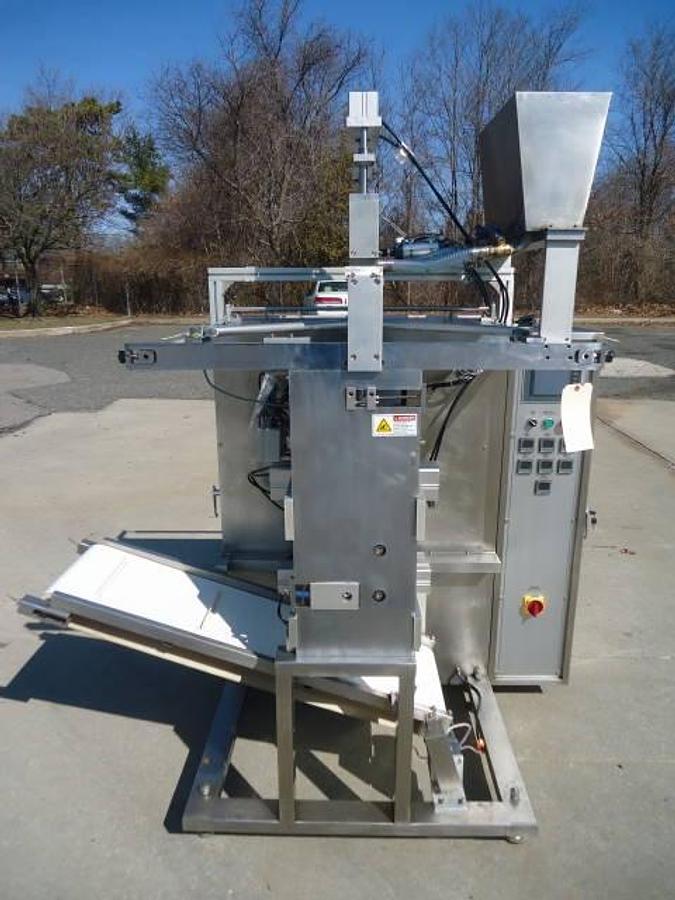
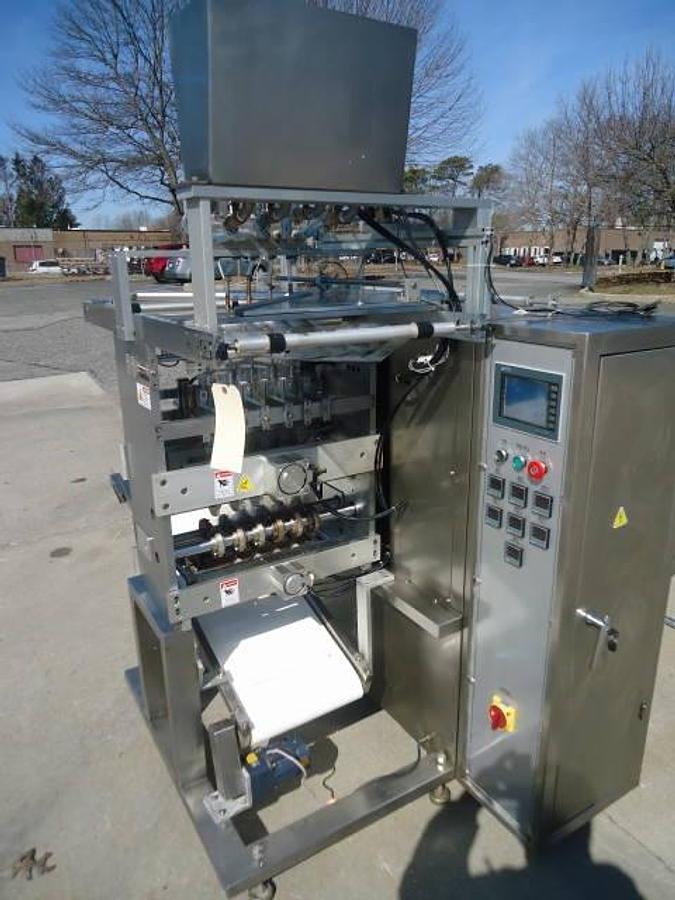
Shenzhen Ourpack Systems Equipment Company specializes in packaging machinery designed for the food and beverage industries, with a particular focus on bottling, canning, and pouch-filling processes. Their product line includes vertical pouching machines, filling machines, sealing machines, and related equipment built to optimize production efficiency and maintain product safety standards. One well-known example of their output is the five-lane vertical pouching machine, a stainless steel unit designed specifically for viscous products like creams and sauces.
Beyond single-function machines, Ourpack has built a reputation for producing equipment suited to high-throughput production environments where consistency and sanitation are priorities. The stainless steel construction found across many of their models reflects food-grade manufacturing standards. Buyers sourcing used Ourpack equipment should look closely at the specific model and configuration, since multi-lane machines like the five-lane poucher are considerably more complex than single-lane alternatives and require more thorough inspection before purchase.
What should I know before buying used Shenzhen Ourpack packaging machinery?
Buying used packaging machinery from any manufacturer requires a different level of diligence than purchasing directly from a factory. Used Ourpack machines are sold as-is, meaning no manufacturer warranty applies and the buyer takes on responsibility for assessing the machine's current condition. This makes the inspection process the most critical step in the transaction. Prospective buyers should request detailed photos, video demonstrations, or an in-person inspection to evaluate wear on mechanical components, the condition of seals and belts, the state of the control systems, and any signs of prior repairs or modifications.
It is also worth contacting Ourpack or their authorized service channels directly to ask about parts availability and technical support for the specific model and production year you are considering. Older models may have limited parts availability, which can affect long-term operating costs. Choosing a used equipment dealer who specializes in packaging machinery and has a verifiable track record in the industry significantly reduces risk, since such dealers are better positioned to accurately represent the machine's condition and help facilitate meaningful pre-purchase inspections.
How do I inspect a used Ourpack machine before purchasing?
Reputable used equipment dealers typically offer three forms of inspection: in-person visits, live video walkthroughs, and pre-recorded video captures of the machine in its current state. For a machine like a multi-lane vertical poucher, a video inspection should cover the film drive system, the forming tubes, the sealing jaws, the fill heads, and the electrical panel. Ask the dealer to demonstrate any powered components and to show close-up footage of wear points, welds, and any areas that have been repaired or replaced.
Keep in mind that most used equipment dealers do not run production lines at their facilities, so testing the machine with actual product is generally not possible during an inspection. What you can verify is whether the machine powers on, whether mechanical components move freely and without unusual noise, and whether the control interface functions correctly. If the machine is still installed at an active production facility, the dealer may be able to arrange an inspection at that location, where you may even be able to observe it running under production conditions. Either way, thorough documentation of the inspection findings protects both the buyer and the seller.
What is the typical price range for used Chinese packaging machinery compared to Western brands?
Used Chinese packaging machinery, including equipment from manufacturers like Shenzhen Ourpack, typically carries a significant price advantage over comparable used machinery from Western European or North American brands. At the manufacturer level, Chinese packaging machines are generally priced 30 to 60 percent below equivalent Western-brand equipment, and that gap tends to carry through into the used market as well. A used multi-lane vertical pouching machine from a Chinese manufacturer might sell for a fraction of what a comparable used machine from a German or Italian manufacturer would command.
That said, price alone should not drive the decision. Factors like parts availability, the availability of local service technicians familiar with the brand, and the age of the specific machine all affect the true cost of ownership. A lower purchase price can be offset by higher maintenance costs if parts are difficult to source or if the machine requires significant reconditioning before it can run reliably. Buyers should factor in inspection costs, shipping and rigging, any refurbishment needed, and the cost of integrating the machine into their existing production line before comparing the total landed cost against alternatives.
What certifications should I look for when buying used Ourpack packaging equipment?
CE certification is the most significant compliance mark for buyers importing packaging machinery into European Union countries or any market that recognizes CE standards. CE marking indicates that the machine met applicable EU safety and performance directives at the time it was manufactured and certified. For buyers in North America, CE is still a useful quality signal, though it does not replace compliance with local electrical codes or OSHA machine guarding requirements. When evaluating a used machine, it is important to determine whether the specific unit was CE-certified, not just whether the model line carries CE certification in general.
ISO certification at the manufacturer level, such as ISO 9001 for quality management systems, speaks to the consistency of the manufacturing process rather than the safety of any individual machine. For food and beverage applications, buyers should also consider whether the machine's materials and construction meet FDA or USDA standards if required by their production environment. Stainless steel construction, food-grade contact surfaces, and hygienic design features are practical indicators that a machine was built with food safety in mind. Always ask the dealer to provide any available documentation, including manuals, original certification paperwork, and maintenance records, as these are valuable for compliance purposes and for understanding the machine's history.
How does shipping and logistics work when buying used packaging machinery from a dealer?
Shipping large packaging machinery involves several cost components that buyers need to account for before committing to a purchase. The machine itself must be properly prepared for transit, which typically means palletizing, crating, or skidding depending on its size and fragility. The level of packaging required directly affects the shipping cost, and dealers will generally charge for this preparation work. For heavier or larger machines, professional rigging equipment is needed to load the machine safely onto a truck or into a shipping container, and rigging fees are typically billed separately.
For international shipments, buyers should factor in freight forwarding fees, customs duties, import taxes, and any port handling charges at the destination. The total landed cost of a used machine can be substantially higher than the purchase price alone, particularly for heavy industrial equipment shipped across oceans. Before finalizing any purchase, ask the dealer for a detailed breakdown of all packaging, rigging, freight, and insurance costs so you have an accurate picture of what the machine will actually cost to receive at your facility. Buyers should also confirm whether the dealer handles export documentation or whether a third-party freight forwarder needs to be engaged.
What are the payment terms typically used when purchasing used packaging machinery?
The standard practice among used equipment dealers is to require full payment before a machine is released for shipping. This protects the dealer against non-payment after the machine has left their facility or been prepared for transport. For buyers, this means having financing or capital in place before the purchase process begins. Wire transfer is the most common payment method for transactions of this size, though some dealers accept other forms of verified payment depending on the transaction amount and the buyer's location.
Some dealers extend payment terms to repeat customers or to buyers with an established business relationship, but this is not the norm for first-time transactions. Buyers who are new to a particular dealer should expect to pay in full upfront. If the purchase price is substantial, it is reasonable to negotiate an escrow arrangement or to request that payment be tied to specific milestones, such as confirmation that the machine has been inspected and is ready for shipment. Having a clear written agreement that outlines the machine's described condition, the payment schedule, and the shipping responsibilities of each party is essential for protecting both sides of the transaction.
What is a five-lane vertical pouching machine and what products is it suited for?
A five-lane vertical pouching machine is a form-fill-seal (FFS) packaging system that runs five parallel lanes simultaneously, forming pouches from a roll of film, filling them with product, and sealing them in a continuous automated process. The five-lane configuration multiplies output compared to a single-lane machine, making it suitable for high-volume production environments where speed and throughput are priorities. These machines are commonly used in food manufacturing, personal care, and pharmaceutical packaging.
For viscous products like creams, sauces, condiments, pastes, and gels, vertical pouching machines are equipped with auger or piston-based fill heads that can handle thick, non-free-flowing materials without clogging or inconsistent fill weights. Stainless steel construction is standard for food-contact applications, as it resists corrosion, is easy to sanitize, and meets food safety regulations in most markets. When evaluating a used five-lane pouching machine, buyers should pay particular attention to the condition of the sealing jaws and the fill heads, as these are the components most subject to wear and the most expensive to replace.
How do I find spare parts and technical support for a used Ourpack machine?
Parts availability is one of the most practical concerns when buying used machinery from any manufacturer, particularly for equipment that was originally produced in China. The first step is to contact Shenzhen Ourpack directly or through their authorized distributors to ask specifically about parts availability for the model and production year you are considering. Manufacturers vary considerably in how long they support older models, and some may have discontinued parts for machines beyond a certain age. Getting a clear answer on this before purchasing can save significant headaches later.
For machines where manufacturer support is limited, third-party parts suppliers and local machine shops can often fabricate or source replacement components, particularly for mechanical parts like belts, rollers, and sealing elements. Electrical components such as PLCs and servo drives may also be sourced from the original component manufacturers if the brand and model numbers are documented on the machine. Keeping detailed records of all components, including brand names and part numbers visible on the machine during inspection, gives you a roadmap for future maintenance regardless of whether the original manufacturer remains involved. Buyers should also factor the cost and availability of technical support into their overall assessment of whether a particular used machine represents good value.
What industries commonly use Ourpack packaging machinery?
Ourpack packaging machinery is primarily designed for the food and beverage industries, where the need for high-speed, hygienic, and reliable packaging equipment is constant. Their machines are used in applications ranging from bottling and canning lines to pouch-filling operations for products like sauces, condiments, dairy-based products, and beverages. The emphasis on stainless steel construction and food-grade materials across their product line reflects the sanitation requirements of these industries.
Beyond food and beverage, packaging machinery of this type is also used in personal care and cosmetics manufacturing, where creams, lotions, and gels require the same kind of viscous-fill pouching capability that Ourpack machines are designed to handle. Pharmaceutical and nutraceutical manufacturers also use similar equipment for packaging single-serve sachets and pouches. Buyers from any of these industries evaluating used Ourpack equipment should confirm that the machine's specific configuration, fill head type, and material construction are appropriate for their product type and any applicable regulatory requirements before completing a purchase.