Category
Manufacturer
Model
Seydelmann
Seydelmann is a leading manufacturer of high-quality food processing equipment, particularly for the meat and sausage industries. They are known for their innovative cutting and mixing machines that enhance product quality and consistency. Their solutions are widely used in commercial meat processing facilities.
FAQ:
What is a Seydelmann bowl cutter and what is it used for?
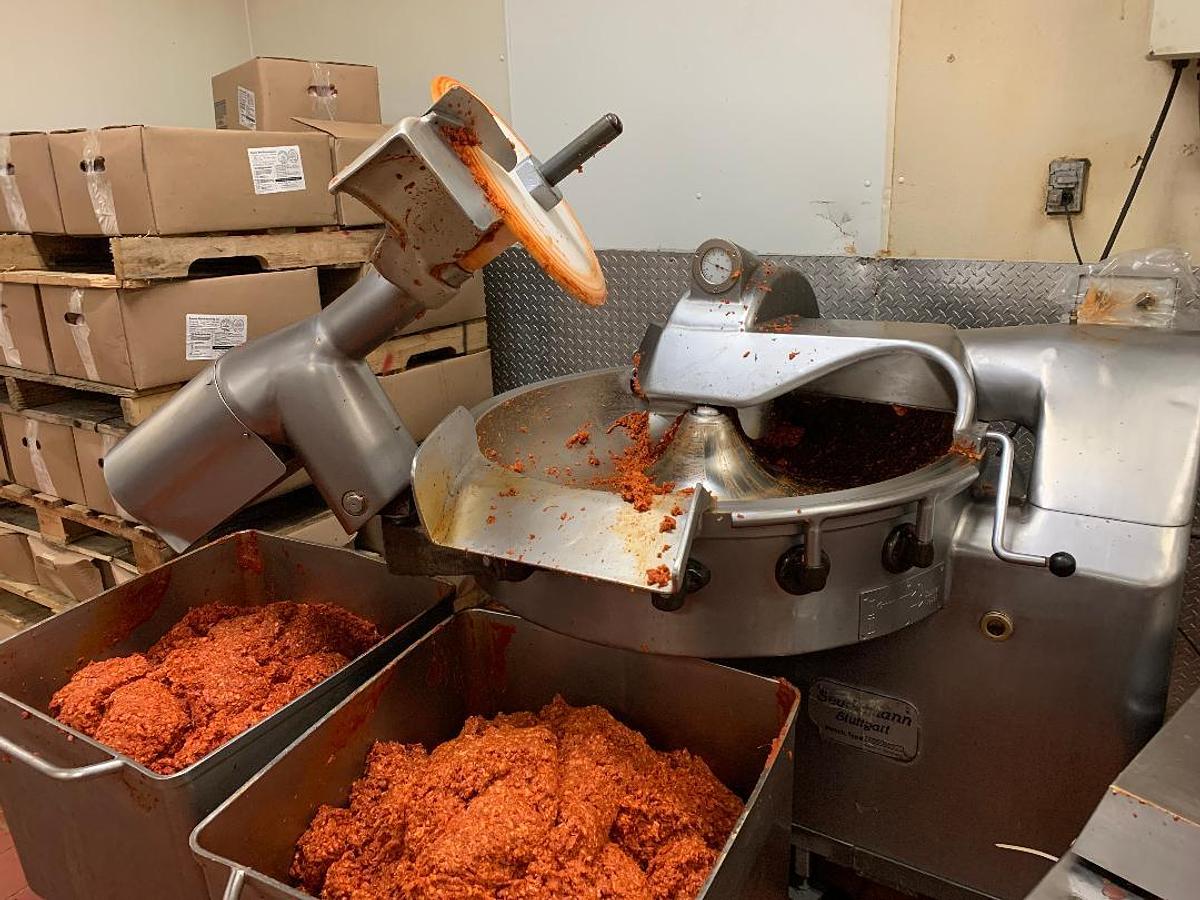
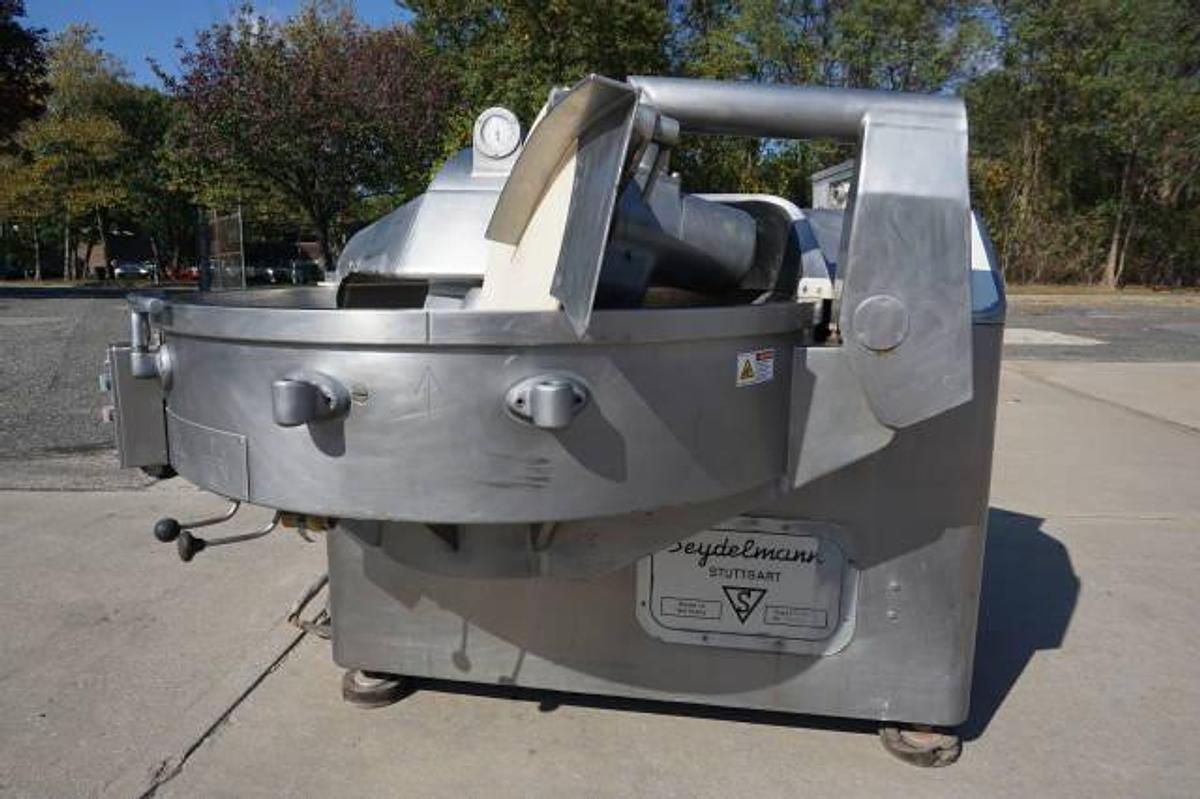
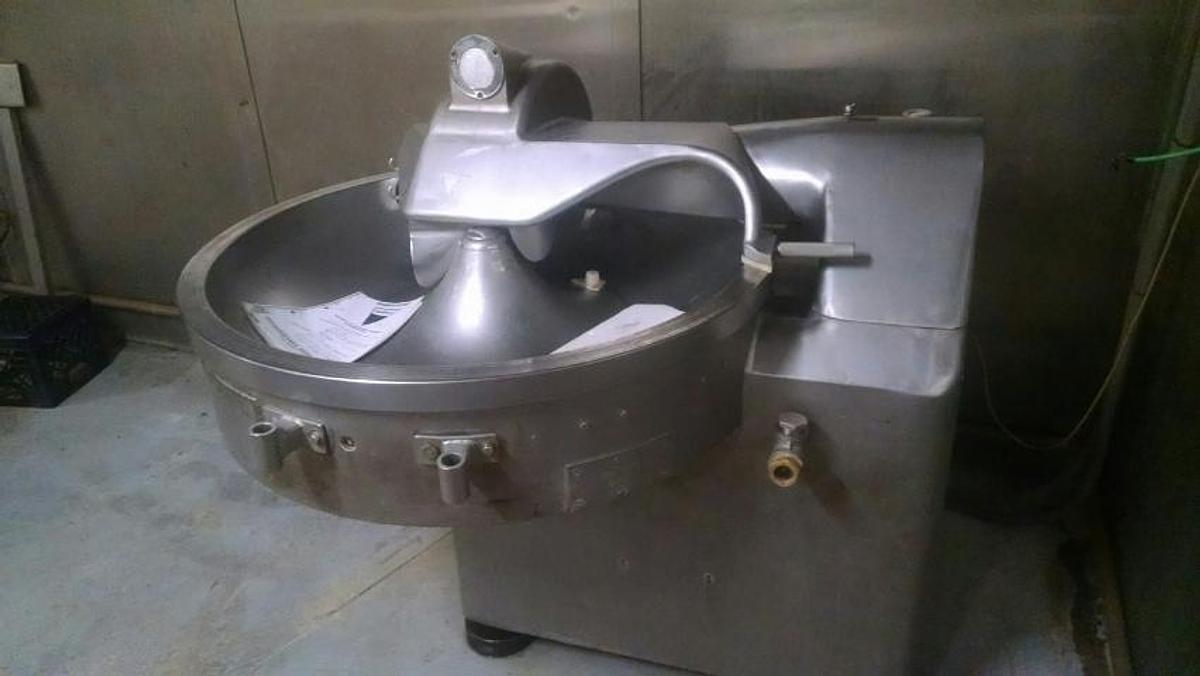
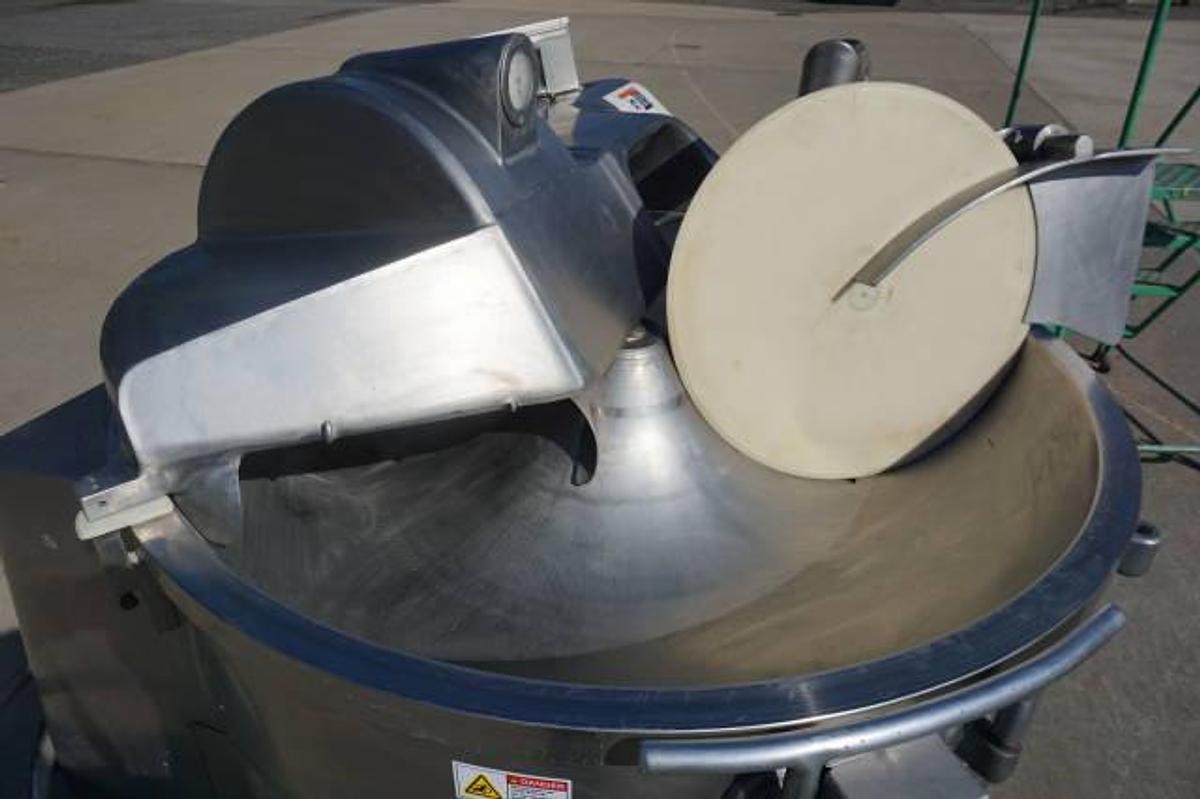
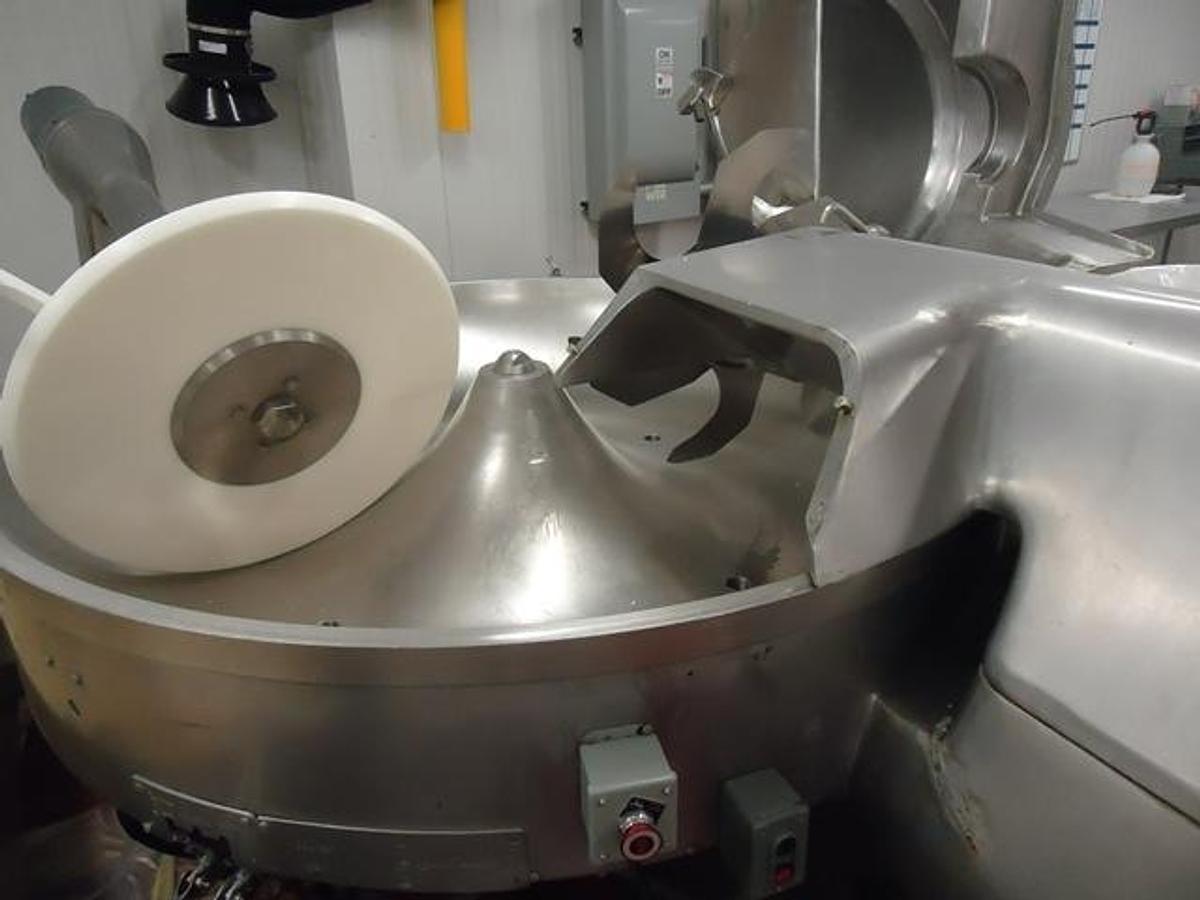
A Seydelmann bowl cutter is an industrial food processing machine designed to chop, emulsify, and mix meat and other food ingredients at high speed. The machine uses a rotating bowl combined with a set of curved blades that spin at variable speeds, allowing operators to achieve everything from a coarse chop to a fine, smooth emulsion depending on the product being made. Seydelmann is a German manufacturer with over 150 years of history in the food processing equipment industry, and their bowl cutters are widely regarded as among the most precise and durable machines in the category.
In practical terms, these machines are the backbone of sausage production, deli meat manufacturing, and processed food facilities. They are used to produce products like frankfurters, bologna, pâtés, and fine meat emulsions where consistent particle size and temperature control are critical to product quality. Some Seydelmann models also feature vacuum bowl cutting capability, which reduces oxidation during processing, resulting in better color retention, improved texture, and a longer shelf life in the finished product. This combination of precision engineering and processing flexibility makes Seydelmann bowl cutters a preferred choice across commercial and industrial meat processing operations worldwide.
What bowl capacities and sizes are available for Seydelmann bowl cutters?
Seydelmann produces bowl cutters across a wide range of capacities, generally spanning from approximately 20 liters on the smaller end up to 750 liters for large-scale industrial production. This range means the equipment is relevant to a broad spectrum of operations, from a small butcher shop or specialty charcuterie producer running modest daily volumes to a high-throughput processing plant handling thousands of pounds of product per shift. The model number on many Seydelmann machines directly reflects the bowl capacity in liters, which makes it relatively straightforward to identify the size of a machine when reviewing listings. For example, a K500 model indicates a 500-liter bowl.
When evaluating used Seydelmann bowl cutters, matching the bowl capacity to actual production requirements is one of the most important decisions a buyer can make. Running a machine significantly under or over its intended capacity can affect product consistency and accelerate wear on components. Buyers should also consider the physical footprint of larger machines, as models in the 200-liter range and above require substantial floor space, appropriate electrical service, and in some cases reinforced flooring. Reviewing the specific model specifications before purchase, and confirming those specs with the selling dealer, helps ensure the machine fits both the production need and the facility.
What industries and applications are Seydelmann bowl cutters best suited for?
Seydelmann bowl cutters are primarily designed for the meat and sausage processing industry, where they are used to produce emulsified and coarsely chopped meat products at commercial scale. Typical applications include frankfurters, hot dogs, bologna, mortadella, liver sausage, pâté, and a wide range of other cured and processed meat products. The machines are built to handle the demands of continuous production environments, and their stainless steel construction makes them compatible with the sanitation requirements of food processing facilities operating under USDA or equivalent regulatory oversight.
Beyond traditional meat processing, Seydelmann bowl cutters are also used in seafood processing, pet food manufacturing, and certain prepared food applications where fine emulsification or consistent chopping of protein-based ingredients is required. Some food manufacturers use them for processing plant-based protein products as well, given the increasing demand for meat alternatives that require similar emulsification techniques. The machines are less commonly found in applications outside of protein processing, as their design is optimized for high-fat, high-protein materials rather than general-purpose vegetable or bakery production. Buyers looking at used units should verify that the machine's prior use aligns with their intended application, particularly if cross-contamination between protein types is a concern in their facility.
How does a Seydelmann bowl cutter compare to other brands like Hobart or Robot Coupe?
Seydelmann occupies a different market tier than brands like Hobart or Robot Coupe, which are more commonly associated with commercial kitchen and food service environments. Seydelmann machines are purpose-built for industrial meat processing at scale, with bowl capacities, motor power ratings, and blade engineering that far exceed what a typical food service cutter can handle. A Robot Coupe bowl cutter, for instance, is well-suited for a restaurant or catering kitchen processing small batches, while a Seydelmann machine is designed for continuous production runs in a processing plant environment. Comparing the two is somewhat like comparing a commercial kitchen mixer to an industrial dough production line.
Hobart does manufacture equipment used in meat processing, but Seydelmann is generally considered the more specialized option for high-volume emulsification and fine chopping applications. Seydelmann's German engineering heritage, precision knife systems, and vacuum bowl cutter options give it a strong reputation among processors who require tight control over emulsion temperature, texture, and consistency. For buyers evaluating used equipment, the premium construction of Seydelmann machines often means they retain functional value well into their service life, provided they have been properly maintained. That said, parts availability and service support are important considerations for any used machine purchase, and buyers should research the support infrastructure for the specific model they are considering before committing to a purchase.
What should I look for when buying a used Seydelmann bowl cutter?
Buying a used Seydelmann bowl cutter requires a more thorough evaluation process than purchasing standard kitchen equipment, given the mechanical complexity and the production demands these machines are expected to meet. The most critical components to assess are the knife set and knife shaft assembly, the bowl condition, and the drive system. Knife blades should be inspected for chips, uneven wear, or signs of improper sharpening, as replacing a full knife set on a large Seydelmann can be a significant expense. The bowl itself should be examined for dents, pitting, or weld repairs that could affect sanitation or structural integrity. Buyers should also ask about the machine's operational history, including how many hours it has run, what products it processed, and whether it has undergone any major repairs.
Used equipment is sold as-is, which places the responsibility of evaluation squarely on the buyer. Reputable dealers will typically accommodate in-person inspections or provide detailed video walkthroughs of the machine in its current condition. Some machines may still be installed in an active processing facility where a live inspection can be arranged. Keep in mind that most dealers are not permitted to run actual food production at their facilities, so functional testing will generally be limited to confirming that the machine powers on, the bowl rotates, and the knife drive operates. Buyers should also consult with Seydelmann or an authorized service technician to understand what parts and service support are available for the specific model and production year they are considering, as older models may have limited parts availability.
What are the power and electrical requirements for Seydelmann bowl cutters?
Seydelmann bowl cutters are industrial machines that require three-phase electrical power, which is standard in commercial and industrial food processing facilities but is not typically available in a standard commercial kitchen or light manufacturing space. The specific voltage and amperage requirements vary significantly by model and bowl size. Smaller units in the 20 to 80-liter range may operate on 208-240V three-phase service, while larger machines in the 200-liter and above range often require 480V three-phase power with correspondingly higher amperage draws. Motor horsepower on larger Seydelmann models can range from 30 to well over 100 HP, which has direct implications for the electrical panel capacity and wiring infrastructure required at the installation site.
Buyers purchasing used Seydelmann equipment should confirm the exact electrical specifications of the machine before purchase and verify that their facility can support those requirements. Retrofitting a facility's electrical infrastructure to accommodate a large bowl cutter can add meaningful cost to the total project, so this is worth factoring into the purchasing decision early. It is also worth noting that machines manufactured for European markets may be configured for 50Hz power, while North American facilities operate on 60Hz. Running a 50Hz motor on 60Hz power can cause overheating and premature motor failure, so buyers should confirm the machine's frequency rating and consult with an electrician or the equipment dealer about any necessary modifications before installation.
What is a vacuum bowl cutter and why does it matter for meat processing?
A vacuum bowl cutter is a bowl cutter equipped with a sealed bowl and a vacuum system that removes air from the cutting chamber during processing. Standard bowl cutters operate in open-air conditions, which means the meat emulsion is exposed to oxygen throughout the cutting cycle. This exposure can cause oxidation, which negatively affects the color, texture, and shelf life of the finished product. Vacuum bowl cutters address this by creating a low-oxygen environment inside the bowl, which preserves the natural color of the meat, improves the binding properties of the emulsion, and reduces the formation of air pockets within the product.
For processors producing high-quality emulsified products like fine frankfurters, mortadella, or premium deli meats, vacuum bowl cutting is often considered essential rather than optional. The visual quality of a sliced deli meat product is heavily influenced by whether it was produced in a vacuum cutter, as oxidation during processing can result in a grayish color that is unappealing to consumers. Seydelmann has long offered vacuum bowl cutter configurations across multiple model lines, and these units typically carry a higher price point on the used market than their non-vacuum counterparts. Buyers evaluating used vacuum models should pay particular attention to the condition of the bowl lid seals and the vacuum pump system, as these components are critical to the machine's core function and can be costly to repair or replace.
How easy is it to find replacement parts and service technicians for used Seydelmann machines?
Parts availability for Seydelmann machines is generally considered reasonable for current and recent model lines, given the brand's strong presence in the commercial meat processing industry. Seydelmann maintains a network of authorized dealers and service agents in major markets, and wear parts like knife blades, bowl scrapers, and seals are typically stocked or available through authorized channels. That said, parts availability can vary considerably depending on the age and model of the machine. Older or discontinued models may have limited factory support, and some components may need to be sourced from third-party suppliers or fabricated by a qualified machine shop.
Before purchasing a used Seydelmann bowl cutter, it is advisable to contact the manufacturer or an authorized service representative to ask specifically about parts and service support for the model and year in question. This step can save significant headaches down the line, particularly for facilities that depend on the machine for continuous production. Service technicians who specialize in industrial food processing equipment are the appropriate resource for major repairs, and not every general industrial mechanic will have experience with Seydelmann's specific knife shaft assemblies or bowl drive systems. Buyers should factor the availability of qualified local service into their decision, especially if the machine will be installed in a region with limited access to specialized food equipment service providers.
What does the inspection process look like when buying a used Seydelmann bowl cutter?
Inspections are a standard part of the used industrial equipment purchasing process and are typically offered by dealers in several formats. An in-person inspection allows the buyer or their representative to physically examine the machine, check for visible wear, review the condition of the knife set and bowl, and observe a functional test of the drive system. Virtual inspections conducted via video call are also common and can be an effective alternative when travel is not practical, provided the dealer is willing to show all relevant components in detail. Some dealers will also provide pre-recorded video documentation of the machine.
In some cases, a used Seydelmann bowl cutter may still be installed and operating at a food processing facility rather than sitting in a dealer's warehouse. In these situations, the dealer can often arrange an inspection at the plant, which gives the buyer the opportunity to see the machine running under actual production conditions. However, buyers should understand that even in these cases, the inspection is focused on the machine's mechanical condition and operation, not on evaluating product output. Equipment dealers do not hold food production permits and cannot run actual product through the machine during a dealer-facilitated inspection. Buyers with specific concerns about a machine's condition should consider engaging an independent equipment appraiser or a qualified Seydelmann service technician to conduct a more detailed technical assessment before finalizing a purchase.
What are the typical shipping and logistics considerations for a used Seydelmann bowl cutter?
Seydelmann bowl cutters are heavy industrial machines, and shipping logistics require careful planning to avoid damage in transit and to manage total landed costs accurately. Smaller models may be adequately protected on a standard pallet with appropriate blocking and bracing, while larger machines in the 200-liter and above range typically require custom wooden crating to prevent movement and protect protruding components like the knife shaft housing and control panels. The cost of packaging will vary based on the machine's size and the level of protection required, and buyers should ask the dealer specifically what packaging is included in the quoted price.
Loading and unloading a large Seydelmann bowl cutter requires proper rigging equipment, and this is an added cost that buyers should budget for on both ends of the shipment. A machine in the 500-liter class can weigh several thousand pounds, which means a standard pallet jack is not sufficient for safe handling. Freight carriers experienced in industrial machinery shipments are the appropriate choice, and the buyer's facility should have a dock or forklift capable of receiving the machine safely. Before confirming a purchase, buyers should request a full breakdown of packaging, rigging, and freight costs from the dealer to understand the complete cost of getting the machine to their facility. Surprises in shipping costs are one of the most common sources of friction in used industrial equipment transactions, and a reputable dealer should be able to provide clear estimates upfront.