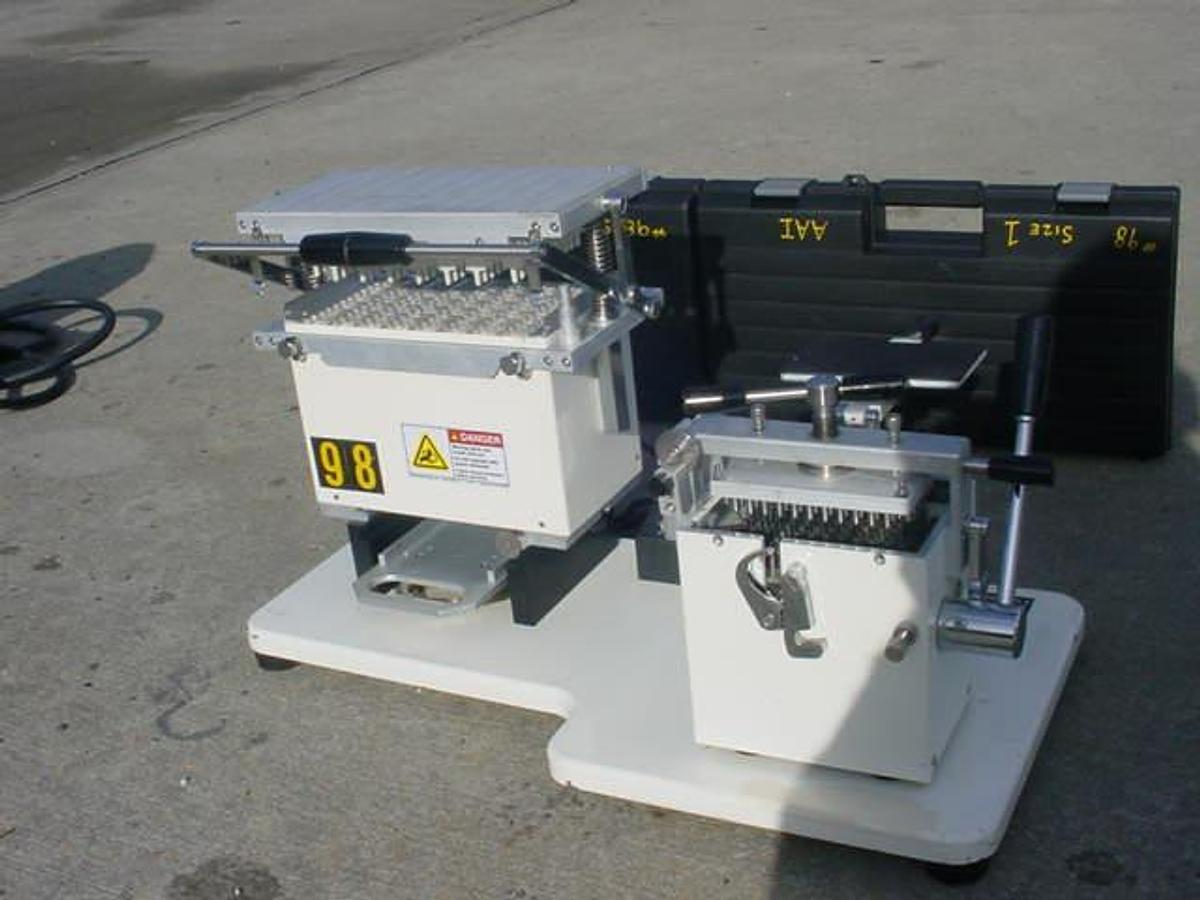
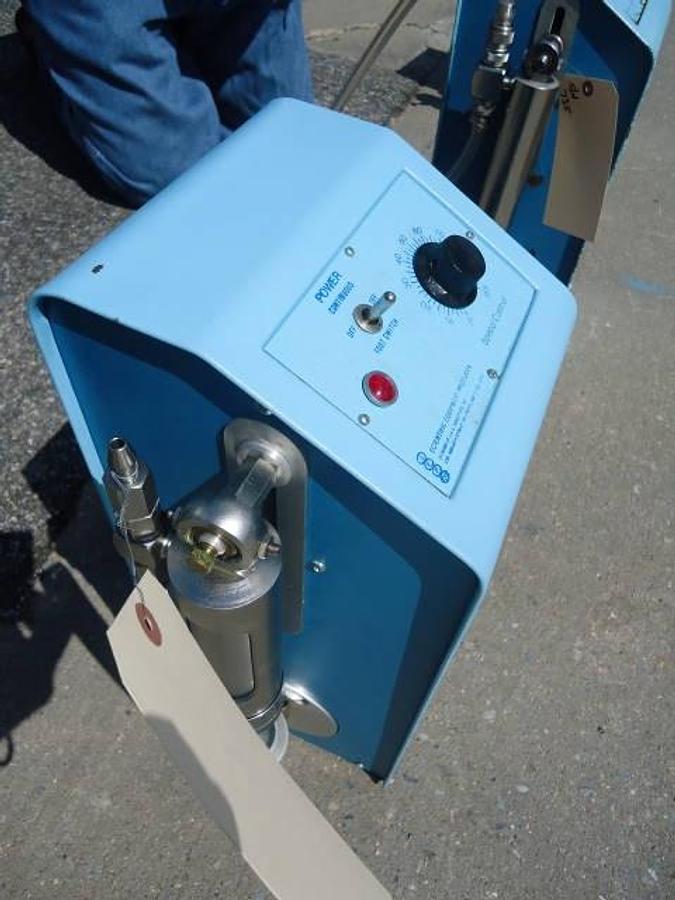
Category
Manufacturer
Model
Scientific Equipment
Scientific Equipment provides a range of machinery for the laboratory and industrial sectors, focusing on precision and reliability. They are known for their advanced analytical and processing equipment used in various applications. Scientific Equipment’s commitment to innovation makes them a preferred choice for manufacturers seeking high-quality solutions.
FAQ:
What types of scientific equipment and machinery are available on the used market?
The used scientific equipment market covers a broad range of machinery serving both laboratory and industrial applications. Common categories include analytical instruments, pipetting machines and dispensers, capsule processing equipment, filtration systems, centrifuges, spectroscopy instruments, chromatography systems, and precision measurement devices. Tabletop units designed for smaller lab environments are widely available alongside larger industrial-scale processing machinery. The variety reflects the diverse needs of pharmaceutical, biotech, food science, chemical, and research sectors.
Buyers sourcing used scientific equipment should focus on the specific application requirements before browsing listings. Key factors to evaluate include the machine's intended use (analytical, processing, dispensing, filtration), its compatibility with existing lab infrastructure, and whether the model is still supported by the manufacturer in terms of parts and technical documentation. Semi-automatic and fully automated configurations are both common on the secondary market, and understanding the difference in throughput and operator involvement helps narrow the search considerably.
What is the difference between used and refurbished scientific equipment?
Used scientific equipment refers to machinery that has been previously owned and operated, sold in its current condition without modifications or restoration work. It is typically offered "as is," meaning the buyer assumes responsibility for verifying its working condition through inspection before purchase. Pricing reflects the age, condition, and remaining utility of the machine, and used equipment can offer savings of 30 to 60 percent compared to purchasing the same model through a manufacturer's standard sales channel.
Refurbished equipment, by contrast, has undergone some level of cleaning, repair, parts replacement, or testing before being relisted for sale. The extent of refurbishment varies widely between sellers, so buyers should ask specifically what work was performed and whether any documentation exists. For regulated environments such as pharmaceutical manufacturing or clinical labs, understanding the difference matters because refurbished equipment may require re-validation or re-qualification before use, while used equipment in known working condition from a documented production environment can sometimes be integrated more directly into a validated process.
How should buyers inspect used scientific machinery before purchasing?
Inspection is one of the most critical steps in purchasing used scientific equipment, and reputable dealers typically accommodate several formats. In-person inspections allow a buyer or their technical representative to physically examine the machine, check for wear, review serial numbers and documentation, and observe a power-on demonstration where possible. Virtual inspections via video call are a practical alternative when travel is not feasible, giving buyers a real-time walkthrough of the equipment's condition. Dealers can also provide detailed video recordings of the machine that buyers can review at their own pace.
It is worth noting that some equipment being sold is still in active production at a facility. In those cases, the dealer can coordinate access between the buyer and the facility owner for an on-site inspection. However, most equipment dealers do not have production permits that would allow them to run actual product through a machine, so functional testing in a full production context is generally not available at a dealer's warehouse. Buyers should focus inspections on mechanical condition, completeness of components, visible wear on critical parts, and any available maintenance or service history records.
Do used scientific equipment dealers offer warranties?
Warranties on used scientific machinery are not standard practice in the industry. Manufacturer warranties are typically tied to the sale of equipment directly from the manufacturer and do not transfer to subsequent owners. Used equipment dealers generally sell machinery on an "as is" basis, which means the condition at the time of sale is what the buyer receives, without a formal guarantee of performance after delivery.
Because of this, the burden of due diligence falls on the buyer. Selecting a dealer with a long, verifiable track record in the industry is one of the most reliable ways to reduce risk. Dealers who specialize in scientific and laboratory equipment tend to have deeper knowledge of the machines they sell and are better positioned to provide accurate condition assessments. Buyers should also contact the original manufacturer directly to understand what level of support, spare parts availability, and service documentation exists for the specific model they are considering, since older or discontinued models may have limited manufacturer support regardless of who sells them.
What certifications and compliance standards should buyers look for in used scientific equipment?
Certification and compliance documentation are significant purchase factors, particularly for buyers in regulated industries such as pharmaceuticals, medical device manufacturing, clinical diagnostics, and food processing. Common standards to look for include ISO 9001 for quality management systems, CE marking for equipment sold or used within European markets, and FDA clearance or 21 CFR Part 11 compliance for equipment used in FDA-regulated manufacturing or testing environments. GMP (Good Manufacturing Practice) compliance is another important consideration for pharmaceutical and biotech buyers.
For used equipment, the original compliance documentation may still be available and transferable, but buyers should verify this directly. A machine may have been certified at the time of manufacture, but if it has been modified, repaired with non-standard parts, or operated outside its validated parameters, that certification status may no longer be valid. Buyers in regulated environments are advised to work with their quality and regulatory teams to determine what re-qualification or re-validation steps will be required after installation, regardless of the equipment's original certification status.
What are the typical shipping and logistics considerations for used scientific machinery?
Shipping used scientific equipment involves more complexity than standard freight because of the precision components and sensitive calibration involved in many instruments. Proper packaging is essential to prevent damage in transit. Depending on the size and fragility of the equipment, this can range from standard palletization to custom wooden crating. The level of packaging required directly affects shipping costs, and buyers should ask dealers for a detailed breakdown of palletization, crating, and freight charges before committing to a purchase in order to understand the full landed cost.
Larger or heavier machinery may require specialized rigging for loading at the dealer's facility and unloading at the destination. Rigging services involve cranes, forklifts, or other heavy-lift equipment operated by trained personnel, and these services carry additional costs that should be factored into the total acquisition budget. International shipments add further complexity, including customs documentation, import duties, and compliance with destination country regulations. Buyers should clarify with the dealer whether the quoted price is ex-works (buyer arranges all shipping) or includes freight to a specific location.
What payment terms are typical when buying used scientific equipment?
Most used scientific equipment dealers require full payment prior to shipping the machinery. This is standard practice in the industry and reflects the nature of selling high-value, one-of-a-kind assets where holding inventory for an unpaid order is not practical. Payment methods vary by dealer but commonly include wire transfer, which is the most widely accepted method for transactions of significant value. Some dealers may accept other forms of payment depending on the transaction size and the buyer's location.
For buyers with ongoing purchasing needs, some dealers extend payment terms to repeat customers with whom they have an established relationship. Institutional buyers such as universities, research hospitals, and large manufacturers may also have more flexibility in negotiating terms due to their purchasing volume or creditworthiness. Third-party equipment financing is another avenue worth exploring. Specialty lenders who focus on laboratory and industrial equipment can sometimes structure financing arrangements that allow buyers to spread the cost over time, which can be useful for higher-value acquisitions.
How does total cost of ownership factor into buying used scientific equipment?
The purchase price of used scientific equipment is only one component of what a buyer will ultimately spend. Total cost of ownership (TCO) includes the upfront acquisition cost, shipping and installation, any calibration or validation work required before the machine can be put into service, ongoing consumables, routine maintenance, and the cost of spare parts over the equipment's remaining operational life. For precision instruments, calibration alone can be a recurring expense if the machine requires periodic re-certification to maintain measurement accuracy.
Buyers should also consider downtime risk. If a critical piece of equipment fails and spare parts are difficult to source or the manufacturer no longer supports the model, the cost of lost productivity can far exceed what was saved on the purchase price. Before finalizing a purchase, it is worth researching parts availability for the specific model, checking whether independent service technicians are familiar with the equipment, and estimating the realistic remaining service life. Used equipment that is well-maintained, from a recently discontinued model line with plentiful spare parts, often represents a better long-term value than older equipment at a lower price point.
What should buyers know about sourcing spare parts for used scientific equipment?
Parts availability is one of the most practical concerns for anyone purchasing used scientific machinery, and it varies considerably depending on the manufacturer, model age, and whether the product line is still in active production. For equipment from established manufacturers with long-running product lines, spare parts are often available directly from the manufacturer, through authorized service networks, or from third-party suppliers who stock common replacement components. Buyers should contact the manufacturer before purchasing to ask specifically about parts availability for the model in question.
For older or discontinued models, the situation is more complex. Some manufacturers maintain parts inventories for discontinued equipment for a defined period after end-of-life, while others phase out support relatively quickly. In those cases, buyers may need to rely on the secondary market for parts, which can mean sourcing from other used equipment dealers, cannibalizing parts from non-functional units, or working with machine shops to fabricate replacement components. Understanding this landscape before purchase, rather than after a breakdown, is the kind of due diligence that separates a smart used equipment acquisition from a costly one.
How do buyers evaluate the reputation and reliability of a used scientific equipment dealer?
Selecting a reputable dealer is arguably the most important decision in the used scientific equipment buying process, given that the equipment comes without manufacturer backing and the buyer is relying heavily on the dealer's representation of condition. Key indicators of a trustworthy dealer include years in business, specialization in the relevant equipment category, and a verifiable history of transactions with buyers in similar industries. A dealer who has been operating for many years and focuses specifically on laboratory or industrial scientific equipment will generally have more accurate product knowledge than a generalist reseller.
Buyers should look for dealers who are transparent about equipment condition, willing to accommodate inspections (in person or via video), and responsive to detailed technical questions. The ability to provide service history, documentation, or background on where the equipment came from (such as a pharmaceutical plant decommission or a university lab) adds credibility. Checking references from past buyers, reviewing any available business ratings, and verifying that the dealer has a physical presence and established contact information are all reasonable steps before committing to a significant purchase.