Category
Manufacturer
Model
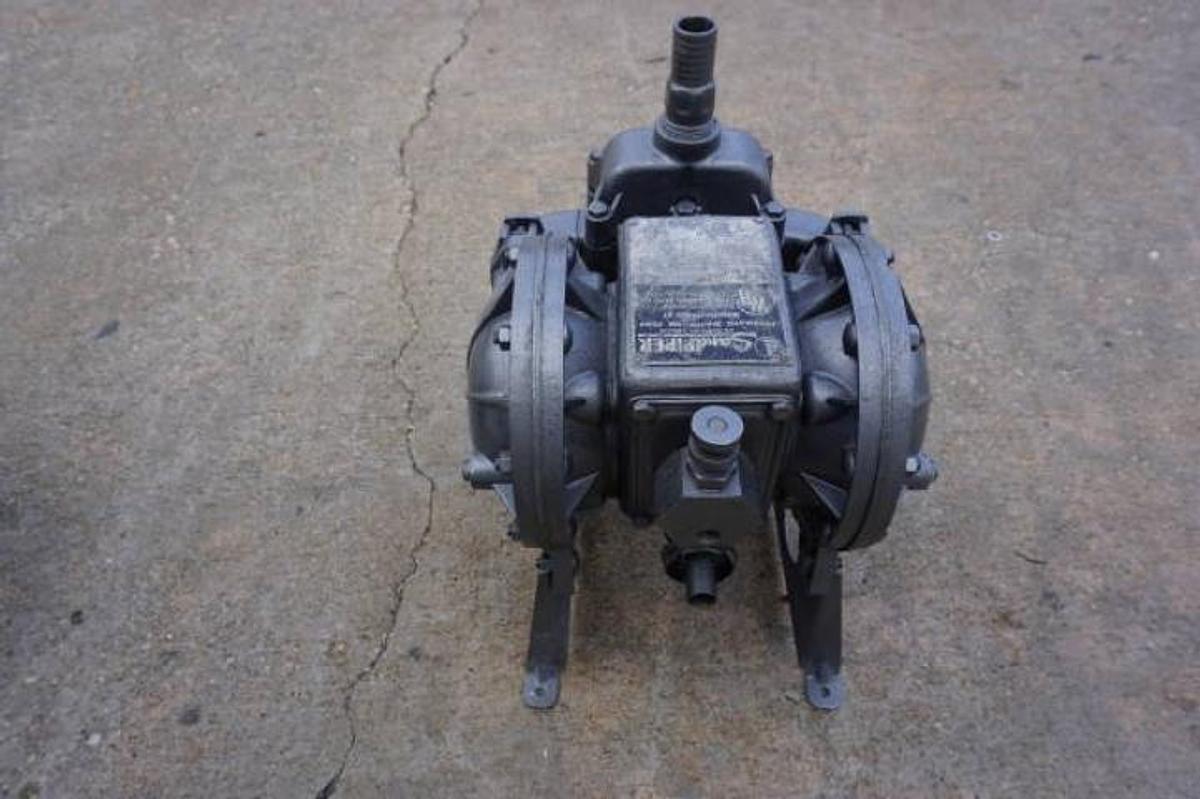
Sandpiper
Sandpiper is recognized for its innovative pumping solutions, particularly in the food and beverage industry. They specialize in air-operated diaphragm pumps that are known for their efficiency and reliability in transferring various liquids. Sandpiper’s technology helps manufacturers maintain consistent production flows.
FAQ:
What is a Sandpiper air operated diaphragm pump and who makes it?
Sandpiper is a brand of air operated double diaphragm (AODD) pumps produced by Warren Rupp, a subsidiary of IDEX Corporation. The Sandpiper name has become one of the most recognized in industrial fluid transfer, particularly in demanding applications where reliability and chemical compatibility matter. These pumps use compressed air as the driving force, alternating pressure between two diaphragm chambers to move fluid through the pump body. Because there are no motors or electrical components in the fluid path, they are well suited for a wide range of industrial, food processing, and chemical handling environments.
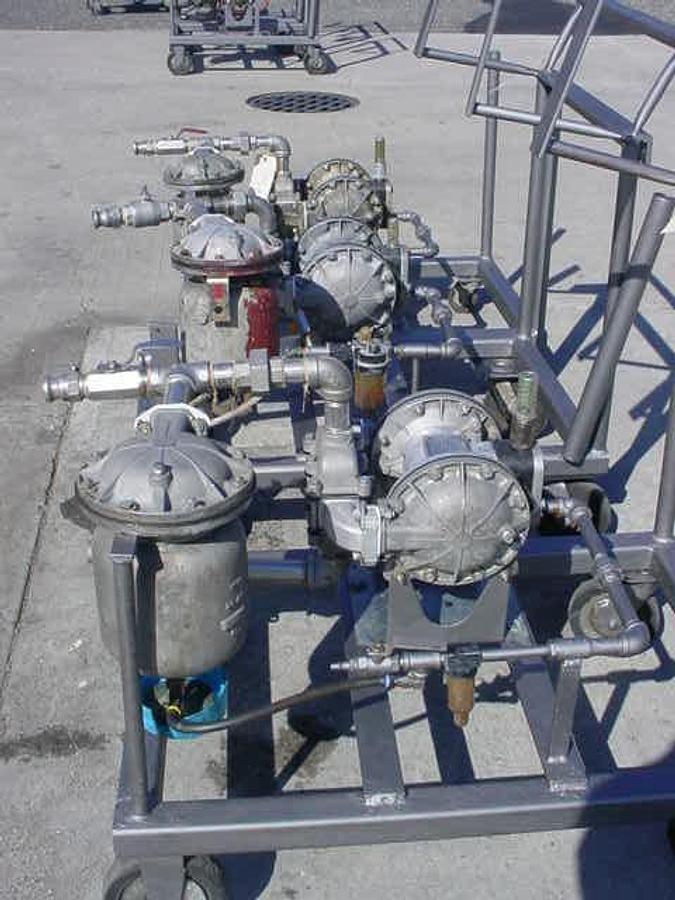
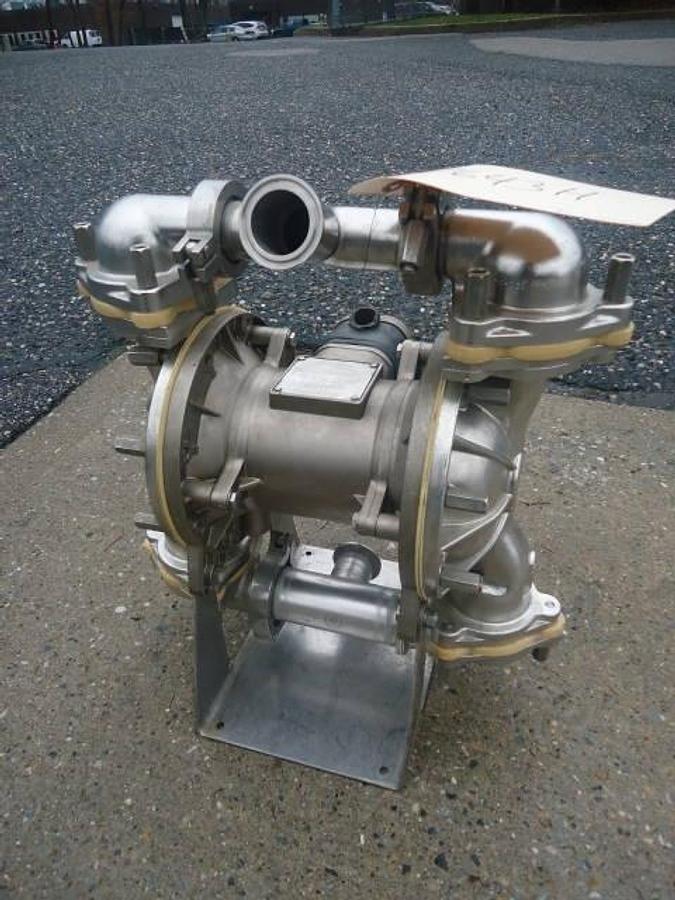
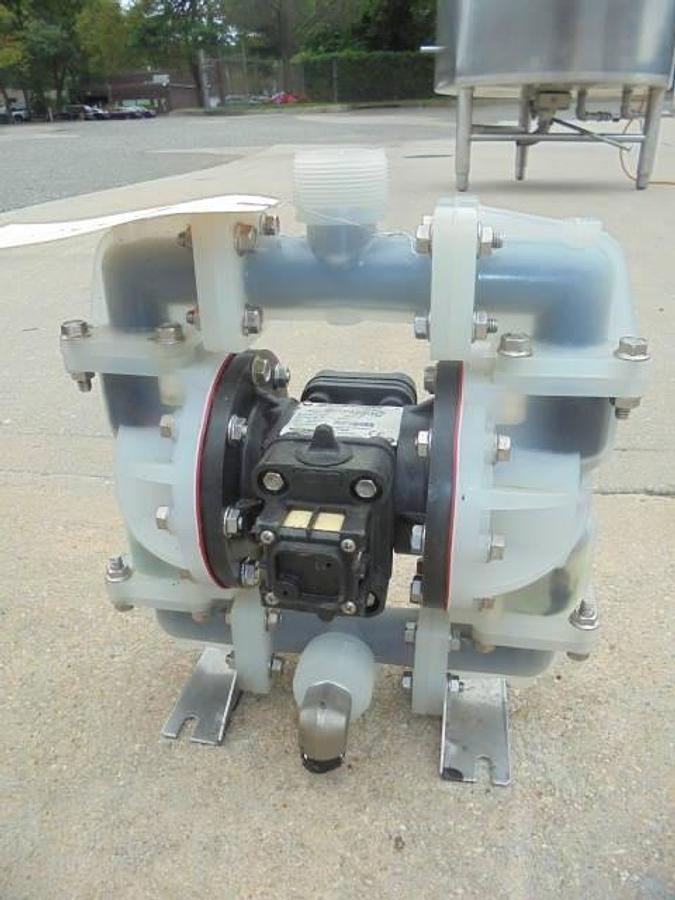
Sandpiper pumps are especially well regarded in the food and beverage industry, where consistent production flow and sanitary construction are priorities. The stainless steel models, such as the SSB1-A double diaphragm pump, are commonly found in these applications. Used Sandpiper units appear frequently on the secondary market because of their long service life and the broad range of industries that rely on them, from paint and coatings to pharmaceuticals to wastewater treatment.
What sizes and flow rates are available for Sandpiper AODD pumps?
Sandpiper air operated diaphragm pumps are manufactured across a wide size range, with port sizes running from 1/4 inch up to 3 inches. Flow capacity scales with port size, and larger models are capable of moving up to approximately 265 gallons per minute under the right conditions. Smaller units are typically used for metering, transferring low-viscosity fluids, or applications where space is limited, while the larger models are built for high-volume transfer in industrial and processing environments.
Actual flow rates in a given installation depend on several factors: inlet air pressure, the viscosity of the fluid being pumped, the total dynamic head of the system, and suction lift conditions. Sandpiper publishes performance curves for each model that show the relationship between air pressure, flow rate, and discharge head. When evaluating a used Sandpiper pump, it is worth identifying the exact model number and consulting those published curves to confirm the unit is appropriately sized for the intended application.
What types of fluids can Sandpiper air operated diaphragm pumps handle?
Sandpiper AODD pumps are designed to handle a remarkably broad spectrum of fluids, which is one of the main reasons they appear across so many different industries. They can transfer thin, water-like liquids as well as viscous materials like slurries, pastes, and sludges. Common applications include transferring paints, adhesives, food products, acids, caustics, solvents, wastewater, and abrasive slurries. The pump's ability to handle shear-sensitive fluids gently, because of the low-speed reciprocating action, also makes it useful in applications where centrifugal pumps would damage the product.
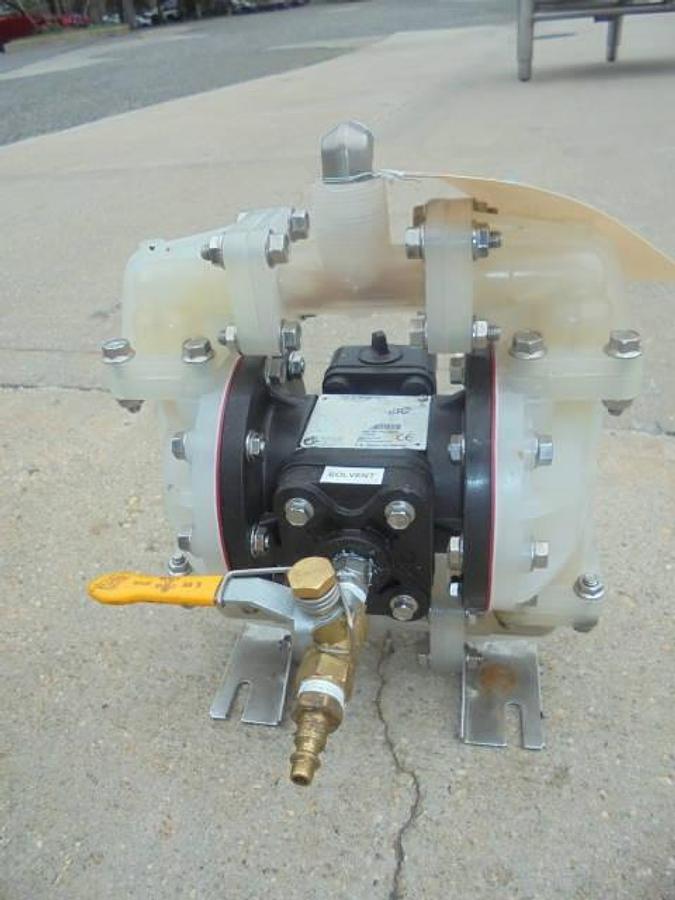
The key to fluid compatibility is matching the pump's wetted materials, specifically the body material and the diaphragm material, to the chemical properties of the fluid. Sandpiper offers pump bodies in aluminum, cast iron, 316 stainless steel, polypropylene, PVDF, and Acetal, and diaphragms in Buna-N, EPDM, neoprene, Santoprene, PTFE, and Hytrel. This combination of options means that with the right configuration, a Sandpiper pump can handle everything from mild water-based fluids to aggressive solvents and concentrated acids. When purchasing a used unit, confirming the existing material configuration against the intended fluid is an important step before putting the pump into service.
What diaphragm materials are available for Sandpiper pumps, and how do I choose the right one?
Sandpiper diaphragm pumps are available with several diaphragm material options, each suited to different fluid and temperature conditions. Buna-N (nitrile) is a general-purpose choice that works well with oils, fuels, and many water-based fluids. EPDM handles hot water, steam condensate, and many mild chemicals. Neoprene offers good resistance to oils and mild acids. Santoprene is a thermoplastic elastomer that provides flexibility across a wide temperature range and good resistance to many chemicals. PTFE (Teflon) is the most chemically inert option, suitable for aggressive solvents, concentrated acids, and applications where contamination must be minimized. Hytrel, a thermoplastic polyester, offers high abrasion resistance and is often used in slurry applications.
Choosing the correct diaphragm material requires cross-referencing the fluid's chemical composition, concentration, and operating temperature against the manufacturer's chemical compatibility charts. A diaphragm that degrades in service can fail quickly, leading to fluid contamination and pump downtime. For a used Sandpiper pump, the existing diaphragm material may or may not be appropriate for a new application, and replacement diaphragms are a standard maintenance item. Consulting Warren Rupp's published compatibility data, or speaking with a knowledgeable equipment dealer familiar with the specific model, is the practical way to confirm material suitability before operating the pump.
Are Sandpiper AODD pumps safe for use with flammable or explosive fluids?
Sandpiper air operated diaphragm pumps are inherently suited to hazardous and flammable fluid applications because they use compressed air as the power source and contain no electrical components in the fluid path. There is no motor, no wiring, and no source of electrical ignition inside the pump itself. This design makes AODD pumps a standard choice in industries that handle solvents, fuels, and other flammable or explosive materials, including chemical processing, paint manufacturing, and petroleum handling.
That said, safe operation in a classified hazardous area still requires attention to grounding and bonding practices to prevent static discharge, proper selection of wetted materials compatible with the fluid, and compliance with the relevant safety codes for the facility. The pump body material also matters: aluminum pumps can generate sparks if struck, so non-sparking materials like stainless steel or polypropylene are often specified in the most sensitive environments. When evaluating a used Sandpiper pump for a flammable fluid application, verifying the body and diaphragm materials and confirming the unit's condition through a thorough inspection are essential steps before installation.
Are Sandpiper diaphragm pumps self-priming, and can they run dry without damage?
Sandpiper AODD pumps are self-priming, which is one of their practical advantages over centrifugal pumps in many industrial settings. They can lift fluid from below the pump inlet, typically handling suction lifts up to approximately 15 feet depending on the model and fluid characteristics, without needing to be flooded or primed before startup. This makes them useful in drum-unloading, sump-emptying, and other situations where the fluid source is below the pump.
Dry running capability is another notable feature of the diaphragm pump design. Because the diaphragms themselves create the pumping action and are not dependent on fluid for lubrication, a Sandpiper pump can run without fluid present for extended periods without the kind of damage that would occur in a centrifugal or gear pump. This is particularly useful in batch transfer applications where the pump may run until a container is empty. On a used pump, the condition of the diaphragms and check valves is worth evaluating carefully, since these are the components most subject to wear over time and are the ones that affect both priming performance and dry-run capability.
What air supply pressure is required to operate a Sandpiper diaphragm pump?
Sandpiper AODD pumps are designed to operate within a typical compressed air supply range of 20 to 125 PSI. Most facilities running standard industrial compressed air systems fall comfortably within this range. The actual air pressure used during operation directly affects both the flow rate and the discharge pressure the pump can generate: higher inlet air pressure produces higher output pressure and, up to a point, higher flow rates. Running at lower air pressure reduces flow and limits the pump's ability to push fluid against high back pressure.
Air consumption is a separate consideration from air pressure. AODD pumps consume a continuous volume of compressed air while operating, and the consumption rate increases with both flow rate and discharge pressure. For facilities evaluating whether their compressed air system can support a Sandpiper pump, reviewing the pump's published air consumption curves alongside the system's compressor capacity is a practical step. On a used pump, the air valve and pilot valve assemblies are worth inspecting, since worn or sticking air distribution components can cause erratic cycling, stalling, or excessive air consumption even when the fluid-side components are in good condition.
What is the maximum solids size that Sandpiper pumps can pass?
Sandpiper AODD pumps are capable of passing solids, which makes them suitable for slurries, wastewater, and other fluids that contain suspended particles. The maximum solids size the pump can handle depends on the port size of the specific model. As a general guideline, Sandpiper pumps can pass solids up to approximately 1/2 inch in diameter on larger models, while smaller port-size units are limited to finer particles. The pump's ball check valves and the internal flow path determine the practical solids-handling limit, and the manufacturer's specifications for each model include a stated maximum sphere size.
For abrasive slurry applications, the diaphragm material and ball check valve material become important factors in service life. Harder, more abrasion-resistant materials like PTFE or Hytrel diaphragms and stainless steel or ceramic check balls tend to hold up better when solids are present in the flow stream. On a used Sandpiper pump that has been running abrasive service, the check valve seats and diaphragms are the areas most likely to show accelerated wear. A careful inspection of these components, ideally with the pump partially disassembled or through a detailed video inspection, helps establish the actual condition before the unit is put back into service.
How do I select the right used Sandpiper pump model for my application?
Selecting the correct Sandpiper model starts with defining the key process parameters: the fluid being pumped and its chemical properties, the required flow rate, the total discharge pressure (or head) the pump needs to work against, the suction lift if the fluid source is below the pump, and whether the fluid contains solids. From those parameters, you can identify the appropriate port size and consult Sandpiper's published performance curves to find models that meet the flow and pressure requirements. Body material and diaphragm material are then selected based on chemical compatibility with the fluid.
When sourcing a used Sandpiper pump, the model number is the starting point for all of this research. Sandpiper model numbers encode the port size, body material, and diaphragm material, so a knowledgeable dealer or the manufacturer's documentation can help decode what a specific unit is configured for. It is also worth confirming the physical condition of the pump through an inspection, since used equipment may have worn diaphragms, damaged check valves, or corroded wetted surfaces that affect suitability for a given service. Reputable used equipment dealers with experience in fluid handling equipment can often provide detailed photos, video walkthroughs, or in-person inspection access to help buyers make an informed decision before purchasing.
What should buyers know about purchasing a used Sandpiper AODD pump?
Used Sandpiper pumps are sold as-is, which means the responsibility for evaluating condition falls on the buyer. Unlike a purchase from the original manufacturer, a used unit comes without a warranty, and the buyer needs to do the work upfront to understand what they are getting. The good news is that Sandpiper pumps are known for durability, and a well-maintained unit can have considerable service life remaining. The key is selecting a dealer with a solid track record in industrial fluid handling equipment, asking detailed questions about the pump's history and condition, and requesting an inspection before committing to a purchase.
Most reputable used equipment dealers will accommodate in-person inspections, video walkthroughs, or detailed photo documentation of the pump. For Sandpiper units, it is worth asking specifically about the condition of the diaphragms, check valves, and air valve assembly, since these are the wear components most likely to need attention. It is also worth contacting Warren Rupp directly to understand what parts and support are available for the specific model and age of the unit, since older or discontinued models may have limited parts availability. Shipping costs, packaging, and any rigging requirements for loading should be discussed with the dealer upfront to understand the full landed cost of the equipment before purchase.