Category
Manufacturer
Model
Sammi Pack
Sammi Pack manufactures packaging equipment primarily for the food and beverage sector. Their machines are designed for high-speed filling and sealing, ensuring products are packaged efficiently and securely. Sammi Pack is recognized for their commitment to innovation and quality in packaging solutions.
FAQ:
What types of packaging equipment does Sammi Pack manufacture?
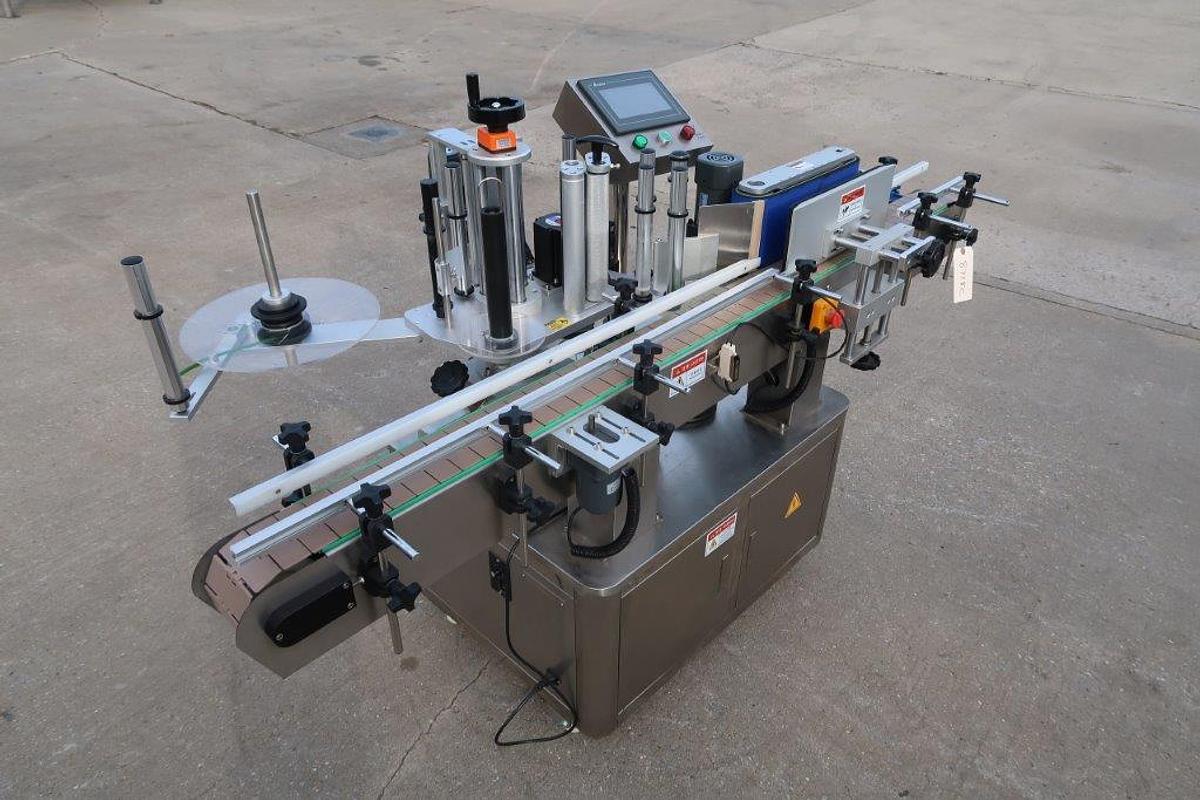
Sammi Pack produces a range of packaging machinery aimed primarily at food and beverage producers, though their equipment also sees use in pharmaceutical and consumer goods applications. Their lineup includes high-speed filling and sealing machines, automatic labeling machines (including spot and wraparound pressure-sensitive labelers with integrated coders), shrink wrap systems, and flow wrappers. The brand offers both semi-automatic and fully automatic configurations, which gives buyers flexibility depending on their production volume and floor space.
One reason Sammi Pack equipment is popular in secondary markets is the relatively compact footprint of many models, making them practical for small to mid-sized production facilities that cannot accommodate the larger footprint of top-tier industrial brands. Their machines are built around high-speed operation, so even the more modestly sized units are capable of meaningful throughput in a production environment.
What industries commonly use Sammi Pack packaging equipment?
Sammi Pack machinery was designed with the food and beverage sector as the primary target market. The machines handle filling, sealing, and labeling tasks that are central to bottling lines, snack packaging, and beverage production. That said, the equipment's versatility has made it a practical choice in pharmaceutical packaging and general consumer goods manufacturing as well, where consistent, repeatable sealing and labeling are equally important.
Buyers sourcing used Sammi Pack equipment tend to come from a broad cross-section of industries precisely because the machines handle a wide variety of product types and container formats. A labeling machine that works on a bottled sauce line, for example, can often be configured to label pharmaceutical bottles or personal care products with relatively minor adjustments. This cross-industry applicability helps sustain demand for Sammi Pack machines on the secondary market.
What should buyers know about purchasing used Sammi Pack equipment instead of buying from the manufacturer?
Used Sammi Pack machines offer a meaningful cost advantage over sourcing equivalent equipment elsewhere, but buyers need to approach the purchase with due diligence. Unlike buying directly from a manufacturer, used equipment is sold as-is, which means the condition of the machine depends entirely on how it was maintained and operated during its prior service life. Selecting a reputable used equipment dealer with a demonstrated history in the packaging machinery sector is one of the most important steps a buyer can take to reduce risk.
Before committing to a purchase, buyers should request an inspection, either in person, via video call, or through video footage of the machine running. Some machines are still in active production at the seller's facility, which can allow for a live demonstration. It is also worth contacting Sammi Pack directly to understand what level of manufacturer support, parts availability, and documentation exists for the specific model and age of machine being considered, since older models may have more limited support than recent ones.
How does the inspection process work when buying a used Sammi Pack machine?
Reputable used equipment dealers typically offer buyers the option to inspect machinery before purchase. This can take the form of an in-person visit to the dealer's facility, a live video call walkthrough, or pre-recorded video footage showing the machine in its current state. The goal of any inspection is to get an accurate picture of the machine's mechanical condition, completeness of components, and general working order. Buyers should ask specifically about any known issues, missing parts, or recent repairs.
It is worth understanding that most used equipment dealers are not licensed production facilities, so running actual product through the machine during an inspection is generally not possible. What a buyer can reasonably expect is a visual inspection of the machine's mechanical and electrical components, a check that the machine powers on and cycles properly, and a review of any available documentation or manuals. If a machine is still in active use at a manufacturing plant, the dealer may be able to arrange an inspection at that facility, where a live production run could potentially be observed.
What are the typical production speeds and output capacities of Sammi Pack packaging machines?
Sammi Pack machines are engineered for high-speed operation, which is one of the brand's core selling points in the food and beverage sector. Specific throughput figures vary considerably by machine type and model. Labeling machines, for instance, can typically handle anywhere from several hundred to over a thousand containers per hour depending on label size, container geometry, and whether the unit is semi-automatic or fully automatic. Filling and sealing machines have their own throughput ranges tied to product viscosity, container size, and fill volume.
When evaluating a specific used Sammi Pack machine, buyers should ask the dealer for the machine's rated speed as specified in the documentation, and compare that against what the inspection reveals about the machine's current mechanical condition. A machine that was rated at high speed from the factory may perform below that rating if wear on key components has not been addressed. Confirming the machine's actual operating speed during an inspection, even without product running through it, can help set realistic expectations for post-purchase performance.
What are the power and utility requirements for Sammi Pack packaging equipment?
Power and utility requirements for Sammi Pack machines vary by model and function. Labeling machines tend to be relatively light on power demands and often run on standard single-phase electrical service. Filling, sealing, and shrink-wrapping equipment generally requires three-phase power and may also need compressed air for pneumatic components. Some sealing and shrink systems additionally require a heat source, which can add to utility considerations.
Before purchasing a used Sammi Pack machine, buyers should obtain the machine's electrical and utility specifications and confirm that their facility can support those requirements. This is especially important when purchasing equipment that was originally installed in a facility with different electrical standards, as voltage and phase differences between countries or regions can require transformers or other modifications. Dealers should be able to provide the machine's nameplate data or documentation to help buyers assess compatibility with their existing infrastructure.
How is used Sammi Pack packaging equipment typically priced?
Pricing for used Sammi Pack machinery depends on several factors: the specific machine type, its age, overall condition, the complexity of the model, and current market demand for that type of equipment. Simpler semi-automatic units such as tabletop labelers tend to sit at lower price points, while fully automatic inline systems with integrated coders or multi-function capabilities command higher prices. Condition plays a significant role as well, since a machine that has been well-maintained and recently serviced will typically be priced higher than one sold purely for parts or in unknown condition.
Buyers should factor in more than just the purchase price when calculating the total cost of acquiring a used Sammi Pack machine. Shipping, rigging, crating, and any reconditioning or parts replacement needed after delivery can add meaningfully to the landed cost. Getting a clear picture of those additional costs upfront, before committing to a purchase, helps avoid surprises and allows for a more accurate comparison between machines listed at different price points.
What should buyers understand about shipping and delivery costs for used packaging equipment?
Shipping costs for used packaging machinery are rarely straightforward and depend heavily on the size and weight of the machine, the distance it needs to travel, and the level of packaging required to protect it in transit. Smaller tabletop machines may ship on a standard pallet with basic wrapping, while larger inline systems often require custom crating or heavy-duty skidding to prevent damage. The cost of that crating is typically passed on to the buyer and should be confirmed before finalizing a purchase.
Larger or heavier machines may also require specialized rigging equipment for loading at the origin and unloading at the destination. Forklift service is common for mid-sized equipment, but very large or awkwardly configured machines may need a crane or rigger, which adds cost. Buyers should ask dealers for a detailed breakdown of packaging, rigging, freight, and any accessorial charges so the full landed cost of the machine is clear before the transaction is completed. Payment for shipping is typically required in full before the machine leaves the dealer's facility.
What payment terms are standard when purchasing used packaging equipment from a dealer?
The standard practice among used equipment dealers is to require full payment before a machine is released for shipping. This applies whether the buyer is purchasing a single small labeler or a larger automated packaging line. The rationale is straightforward: dealers carry significant inventory value and cannot take on the credit risk associated with shipping equipment before funds are received. Wire transfer is the most common payment method for machinery transactions, though some dealers accept other forms of payment depending on the transaction size and the buyer's relationship with the dealer.
Buyers who have an established purchasing history with a particular dealer may occasionally be offered extended terms, but this is not the norm for first-time transactions. International buyers should also account for any currency conversion costs or wire transfer fees, as these are generally the buyer's responsibility and are not absorbed into the equipment price. Clarifying payment terms, accepted methods, and any associated fees before signing a purchase agreement helps avoid delays at the time of closing.
How can buyers assess the availability of parts and technical support for a used Sammi Pack machine?
Parts availability and technical support for used packaging equipment are closely tied to the age and model of the machine in question. Sammi Pack, like most equipment manufacturers, supports current and recent models more readily than older ones that may have been discontinued. Before purchasing a used Sammi Pack machine, it is worth reaching out to the manufacturer directly to ask whether parts are still produced or stocked for that specific model, and whether technical documentation such as manuals and wiring diagrams is available. This conversation can reveal a lot about the long-term serviceability of the machine.
In addition to manufacturer support, buyers should consider the broader aftermarket ecosystem for the machine's components. Many packaging machines use standardized electrical components, sensors, and pneumatic parts that can be sourced from third-party suppliers even if the manufacturer no longer supports the specific model. A qualified packaging equipment technician can often assess the machine's components during an inspection and advise on the likely ease or difficulty of sourcing replacement parts. This kind of pre-purchase technical review is a worthwhile investment, particularly for buyers who plan to run the machine in a high-volume production environment.