Category
Manufacturer
Model
S + S
S + S is recognized for its metal detection and separation solutions, primarily serving the food and pharmaceutical industries. Their equipment is essential for ensuring product safety and compliance with industry regulations.
FAQ:
What is S+S Inspection and what kinds of metal detectors do they make?
S+S Inspection GmbH is a German-based manufacturer with a long-standing reputation for industrial metal detection, x-ray inspection, and sorting systems. The company has built its name primarily around food processing and pharmaceutical applications, though its equipment is also found in chemicals, plastics, textiles, and recycling operations. The engineering heritage behind S+S machines is a key reason buyers seek them out on the used equipment market, where proven reliability matters as much as it does with a brand-new purchase.
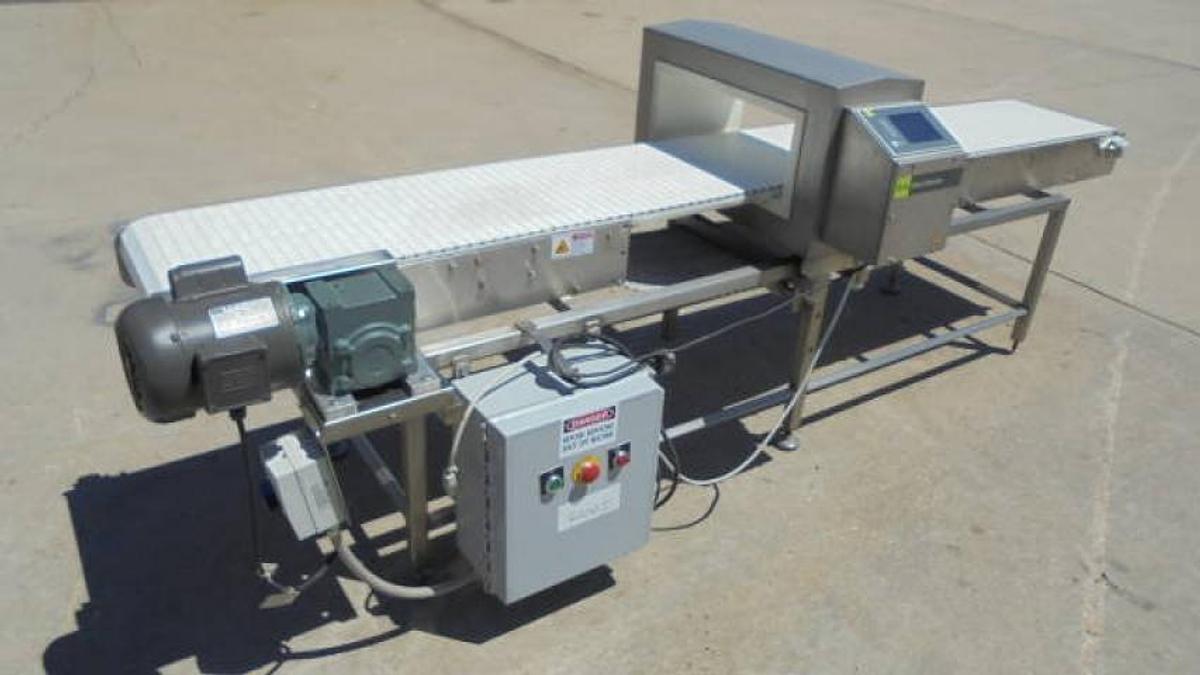
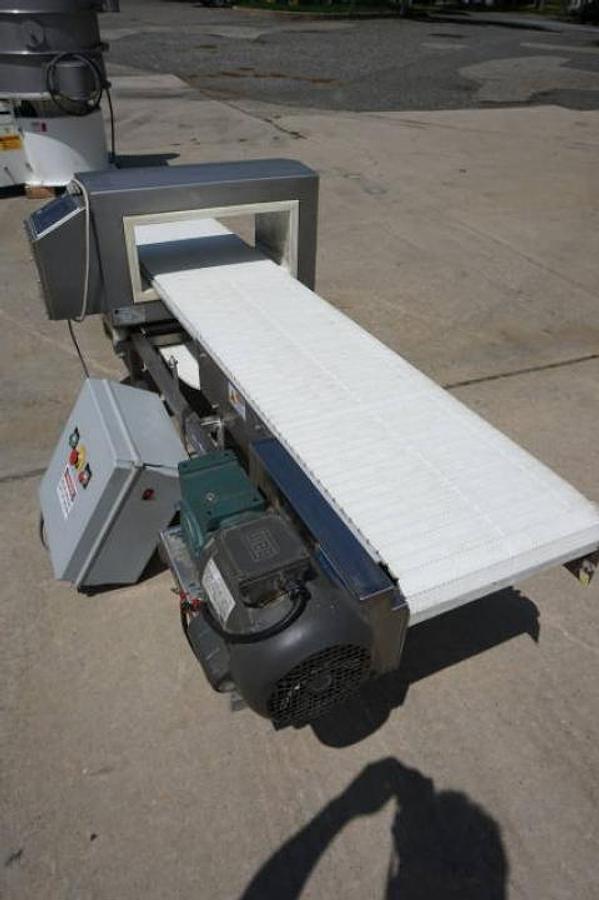
The S+S product lineup covers a wide range of detection configurations. Tunnel-style conveyorized detectors handle packaged or loose products moving along a belt, while pipeline detectors are designed for pumped liquids, pastes, and slurries. Notable product lines include the VARICON, RAPID, APOLLO, and Detector 5 series, each built for specific production environments. Used S+S units commonly available include conveyorized detectors with stainless steel frames and aperture openings suited for mid-sized packaging lines, such as the 19.5-inch by 6.625-inch and 19-inch by 6.75-inch configurations seen on the used market.
What industries use S+S metal detectors?
S+S metal detectors were designed with food and pharmaceutical manufacturing as the primary focus, and those two industries account for the largest share of installations worldwide. In food processing, the detectors are used to catch ferrous, non-ferrous, and stainless steel contaminants in everything from fresh produce and meat to baked goods and frozen meals. Pharmaceutical manufacturers rely on them to meet strict contamination control requirements that govern tablet, capsule, and liquid production.
Beyond food and pharma, S+S equipment is regularly deployed in chemicals, plastics compounding, textile manufacturing, and industrial recycling. In recycling, the detectors and separation systems help remove metal fragments from material streams before they damage downstream equipment. This cross-industry versatility is one reason used S+S machines hold their value and attract buyers from a broad range of sectors. A used S+S detector originally installed in a food plant can often be repurposed for a plastics or chemical application with relatively straightforward reconfiguration.
How sensitive are S+S metal detectors to different metal types?
S+S metal detectors are engineered for high sensitivity across all three primary metal categories: ferrous metals (iron and steel), non-ferrous metals (aluminum, copper, brass), and stainless steel. Stainless steel is generally the most difficult metal type to detect reliably because its electrical and magnetic properties are closer to those of many food products than ferrous metals are. S+S machines, particularly models designed for food applications, are specifically built to address this challenge and are known for reliable detection of grades like SUS304, which is the stainless steel most commonly used in food processing equipment.
Actual sensitivity figures vary by model, aperture size, product type, and operating conditions. Larger aperture openings generally reduce absolute sensitivity because the detector's field must span a greater distance. Many S+S models include automatic product effect compensation, sometimes called phase discrimination, which filters out the signal interference caused by the product itself and allows the detector to focus on genuine metal signals. This feature directly reduces false rejection rates and keeps production lines running efficiently. When evaluating a used S+S unit, buyers should ask about the specific model's sensitivity specifications and confirm the detector's calibration status before purchase.
Are S+S metal detectors compliant with food safety standards like HACCP, IFS, and BRC?
S+S metal detectors are designed and manufactured to support compliance with the major food safety frameworks used globally, including HACCP (Hazard Analysis and Critical Control Points), IFS (International Featured Standards), and BRC (British Retail Consortium) Global Standards. Metal detection is a recognized Critical Control Point under HACCP, and S+S equipment is built to generate the audit trails, rejection documentation, and sensitivity verification records that food safety auditors expect to see.
When purchasing a used S+S detector, buyers should verify that the specific model meets the sensitivity thresholds required by their particular retail customers or certification body, since requirements can differ. It is also worth consulting S+S directly about the level of support and documentation available for the model in question, as older units may have different software capabilities than current production versions. A reputable used equipment dealer specializing in food processing machinery can help buyers identify which used S+S models are appropriate for their compliance requirements and arrange inspections to confirm the machine's current operating condition.
What is the difference between a tunnel metal detector and a pipeline metal detector?
A tunnel metal detector, sometimes called a conveyor or aperture detector, is designed for products that travel through the detection zone on a belt, by gravity fall, or in packaging. The product passes through a rectangular or oval opening in the detector head, and the machine signals a rejection mechanism if metal is detected. These are the most common configuration in food packaging lines, where boxed, bagged, or wrapped products move continuously through the detector at the end of a production run. The conveyorized S+S units commonly found on the used market, such as those with 19-inch aperture openings, fall into this category.
A pipeline metal detector is built for liquid, paste, or slurry products that are pumped through a processing system rather than conveyed on a belt. The detector is installed inline within the pipe, and a divert valve or other rejection mechanism redirects contaminated product when a metal particle is detected. Pipeline detectors are common in dairy, beverage, sauce, and pharmaceutical liquid manufacturing. The two detector types are not interchangeable, so buyers should confirm that the used unit they are considering matches their production method before purchasing.
Can a used S+S metal detector be integrated into an existing production line?
Used S+S metal detectors can generally be integrated into existing production lines, but the feasibility depends on several factors including aperture size, conveyor height and width compatibility, rejection mechanism type, and the control interface the detector uses to communicate with other equipment. S+S machines are built to industrial standards and typically use standard electrical interfaces, which makes integration straightforward in many cases. That said, older models may use control systems or communication protocols that require additional interface work to connect with modern PLCs or plant management software.
Before purchasing a used S+S unit for line integration, buyers should measure their existing conveyor dimensions carefully and compare them against the detector's aperture and frame specifications. The rejection system is another critical consideration: different applications use air blast rejection, pusher arms, or stop-and-reverse belts, and the used machine's rejection mechanism needs to match the production environment. Consulting with a qualified technician or the original manufacturer about compatibility for a specific model is a practical step. Many used equipment dealers who specialize in food processing machinery can provide technical details and arrange inspections, including video walkthroughs, to help buyers assess fit before committing to a purchase.
What should buyers look for when purchasing a used S+S metal detector?
The most important factors to evaluate in a used S+S metal detector are the condition of the detector coil and electronics, the integrity of the stainless steel frame and conveyor components, and the functionality of the rejection system. The coil is the heart of the detector, and any damage or moisture intrusion can degrade sensitivity significantly. Buyers should ask the dealer whether the machine has been tested and what the results were, keeping in mind that most used equipment dealers do not have the ability to run actual production product through the machine, since that requires production-grade facility permits they typically do not hold.
Aperture size is another key specification to confirm before purchase, since it determines what product sizes and packaging formats the detector can handle. Buyers should also check the age and model of the unit against S+S's current support availability, as parts and technical assistance can vary depending on how long ago a particular model was manufactured. A reputable dealer will accommodate in-person or video inspections so buyers can assess the machine's physical condition firsthand. If the equipment is still installed at the facility where it was used, some dealers can arrange an inspection at that location, which gives buyers the best possible view of the machine's actual operating history and condition.
What does buying a used S+S metal detector "as is" mean, and how should buyers protect themselves?
Used industrial equipment is typically sold without the protections that come with a purchase from the original manufacturer. An "as is" sale means the buyer accepts the machine in its current condition, and the responsibility for verifying that condition falls on the buyer before the transaction is complete. This is standard practice across the used equipment industry and is not specific to any one dealer or brand. The practical implication is that thorough pre-purchase inspection is essential rather than optional.
Buyers can protect themselves by working only with dealers who have a long track record in the food processing or industrial equipment space and who specialize in the type of machinery being purchased. Requesting a detailed inspection, whether in person, via live video call, or through a video recording of the machine in its current state, is a reasonable and widely accepted practice. Buyers should also contact S+S directly to understand what technical support, parts availability, and service documentation exist for the specific model they are considering, since the manufacturer's level of support can vary based on model age. Getting clarity on all of these factors before payment is the most effective way to reduce risk in a used equipment transaction.
What are the typical shipping and logistics considerations for a used S+S metal detector?
Shipping a used metal detector requires careful planning because these machines contain sensitive electronics and precision-aligned coil assemblies that can be damaged by rough handling or inadequate packaging. The level of packaging required, whether standard palletization, custom crating, or foam-lined enclosures, will affect the total shipping cost. Buyers should ask the dealer specifically how the machine will be packaged and what that packaging includes, since the cost can vary considerably depending on the detector's size and weight.
Larger conveyorized units with full stainless steel frames may require forklift loading and unloading, and in some cases, rigging services for safe handling. These services are typically additional costs beyond the base freight charge. Buyers should request a full breakdown of packaging, rigging, and freight costs before finalizing a purchase so they understand the total landed cost of the equipment. Most used equipment dealers require full payment before the machine ships, so having a clear picture of all costs upfront avoids surprises at the end of the transaction.
What is the typical price range for used S+S metal detectors?
Pricing for used S+S metal detectors varies widely based on model, aperture size, age, condition, and included accessories such as conveyors and rejection systems. Entry-level or older conveyorized tunnel detectors in good working condition can be found in the range of a few thousand dollars, while larger, more sophisticated units with advanced electronics, automatic product compensation, and integrated rejection systems can command significantly higher prices. The stainless steel construction common to food-grade S+S models adds inherent value compared to carbon steel alternatives.
Because S+S is a well-regarded brand with a strong reputation in food and pharmaceutical manufacturing, used units tend to hold value better than lesser-known alternatives. Buyers comparing prices across the used market should factor in the cost of any reconditioning, calibration, or integration work that may be needed, as well as shipping and rigging costs, to arrive at a true total cost of ownership. Working with a dealer who specializes in food processing equipment is often the most reliable way to find accurately described and fairly priced used S+S machines.