Category
Manufacturer
Model
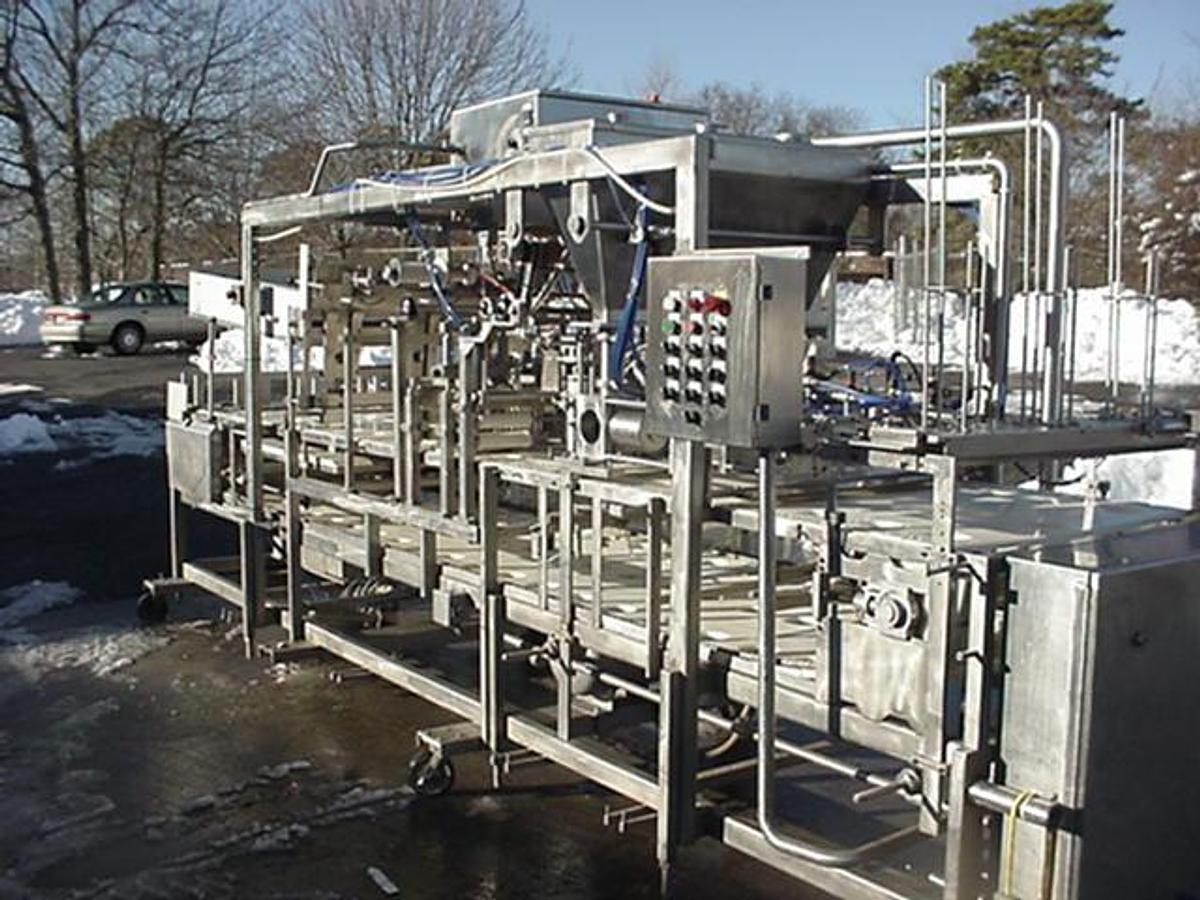
Rutherford/Zitropak
Rutherford/Zitropak specializes in packaging solutions for the food and beverage industries, known for their efficient filling and sealing machines. Their technology helps manufacturers maintain product freshness and safety.
FAQ:
What types of products can a Rutherford Zitropak filling and sealing machine handle?
Rutherford Zitropak filling and sealing machines are designed primarily for the food and beverage industries, with a focus on maintaining product freshness and safety throughout the packaging process. These machines are well-suited for liquid and semi-liquid products such as juices, dairy items, sauces, dressings, yogurts, and similar pourable or spoonable products that require hygienic, sealed packaging.
The cup filling, sealing, and lidding configurations that Rutherford Zitropak systems are known for make them particularly practical for portioned food products sold in individual cups or containers. Multi-lane systems, such as three-lane configurations built in stainless steel, allow manufacturers to run high volumes of filled and sealed cups simultaneously, which is a common requirement in food production environments where throughput and sanitation are both priorities.
What is the typical filling and sealing capacity of a Rutherford Zitropak machine?
Throughput on cup filling and sealing machines like those produced under the Rutherford Zitropak name varies depending on the specific model, the number of lanes, and the product being filled. Multi-lane systems, such as three-lane configurations, can significantly multiply output compared to single-lane machines by filling, sealing, and lidding multiple cups in each cycle. In food production environments, this type of equipment is generally expected to handle anywhere from several thousand to tens of thousands of units per hour depending on cup size and product viscosity.
Buyers evaluating a used Rutherford Zitropak machine should ask the seller for the machine's rated speed and, where possible, request documentation or video footage showing the machine running at production speeds. Because these are used machines, actual throughput may reflect the machine's current mechanical condition rather than its nameplate specification, so a thorough inspection is an important part of setting realistic expectations before purchase.
What packaging formats and cup sizes does a Rutherford Zitropak filling and sealing machine support?
Rutherford Zitropak filling and sealing systems are built around cup-based packaging formats, where individual cups or containers are filled with product and then sealed with a foil or film lid. The specific cup sizes and container formats a given machine supports depend on the tooling and change parts installed on that machine. Many filling and sealing machines in this category are designed with changeover in mind, allowing operators to switch between different cup diameters or depths by swapping out format-specific tooling.
When purchasing a used Rutherford Zitropak machine, buyers should confirm exactly which change parts and tooling are included with the sale. A machine sold without its full set of change parts may require additional investment to run all desired formats. It is also worth checking with the manufacturer or a qualified technician to determine whether tooling for additional formats is still available, since parts availability can vary based on the age and model of the equipment.
What industries use Rutherford Zitropak filling and sealing machines?
Rutherford Zitropak filling and sealing machines are primarily associated with the food and beverage manufacturing sectors. Typical applications include dairy processing facilities producing yogurt, pudding, or cream-based products, juice and beverage producers packaging single-serve portions, and food manufacturers producing sauces, dips, dressings, or similar portioned products. The stainless steel construction common to these machines reflects the hygienic design requirements that food-grade production environments demand.
Beyond food and beverage, cup filling and sealing technology is also used in pharmaceutical and nutraceutical applications where precise dosing and sealed packaging are required. However, the Rutherford Zitropak line is most recognized in food production contexts. Buyers from outside the food sector should verify that the specific machine they are considering meets the material and design standards applicable to their industry before purchasing.
What should buyers know about food safety and hygiene compliance for used filling and sealing machines?
Cup filling and sealing machines intended for food and beverage production are generally built to meet food-grade material standards, which typically means stainless steel contact surfaces, sanitary fittings, and designs that minimize areas where product can accumulate and harbor bacteria. Machines like those in the Rutherford Zitropak line are constructed with these principles in mind, which is why all-stainless-steel construction is a noted feature of their systems.
For used equipment specifically, buyers should take additional steps to verify compliance. This includes inspecting the machine for wear, corrosion, or damage to food-contact surfaces that could affect sanitation. Buyers should also consult with the equipment manufacturer to understand whether the machine's design aligns with current FDA, CE, or other applicable regulatory standards, keeping in mind that standards can evolve over time and older machines may predate certain requirements. A qualified sanitation or engineering review before putting a used machine back into food production is a reasonable precaution.
What is the typical price range for a used Rutherford Zitropak filling and sealing machine?
Pricing for used cup filling and sealing equipment varies considerably based on factors like the machine's age, condition, number of lanes, included change parts, and the level of reconditioning (if any) performed by the seller. Multi-lane stainless steel systems with lidding capabilities represent more complex, higher-value machinery than basic single-lane fillers, so they generally command higher prices on the used market. Buyers should expect that a well-maintained three-lane system in good working order will be priced accordingly relative to simpler configurations.
Because Rutherford Zitropak is a niche equipment pairing with limited public pricing data available, buyers are best served by contacting used equipment dealers directly for current asking prices and by comparing similar machines across the market to establish a reasonable benchmark. The total cost of ownership should factor into any evaluation, including the cost of spare parts, any refurbishment needed, shipping and rigging, and the availability of technical support for that particular model.
Are warranties available when purchasing a used Rutherford Zitropak machine?
Warranties on used machinery are handled very differently than on equipment purchased directly from a manufacturer. Used equipment dealers typically sell machines on an as-is basis, meaning the buyer accepts the machine in its current condition without a formal warranty covering future failures. This places the responsibility for due diligence squarely on the buyer, which is why selecting a reputable dealer with a long track record in food and beverage packaging equipment is so important.
Buyers should take advantage of every inspection opportunity available before committing to a purchase, including in-person visits, video inspections, or detailed photo documentation of the machine's current state. It is also worth contacting the manufacturer directly to understand what level of support, parts, and technical documentation is available for the specific model and age of machine being considered. Older models may have limited parts availability, which is a practical consideration that affects long-term serviceability regardless of the machine's condition at the time of sale.
What power and utility requirements should buyers plan for when installing a Rutherford Zitropak filling and sealing machine?
Cup filling and sealing machines of the type produced under the Rutherford Zitropak name typically require three-phase electrical power, compressed air, and in some cases steam or chilled water depending on the product and sealing method involved. The specific electrical voltage and amperage, air pressure requirements, and any thermal utilities needed will vary by model and configuration. Buyers should request the machine's technical specifications or operator manual from the seller to confirm exact utility requirements before planning an installation.
For used equipment, it is also worth verifying that the machine's electrical components are compatible with local power standards, particularly for buyers importing equipment across regions with different voltage or frequency norms. Older machines may have control systems or electrical panels that require updating to meet current safety codes. Consulting with an electrician or machinery installation specialist familiar with food production equipment before finalizing a purchase can help avoid costly surprises during installation.
How should buyers inspect a used Rutherford Zitropak machine before purchasing?
Inspecting used filling and sealing equipment thoroughly before purchase is one of the most important steps a buyer can take. Reputable used equipment dealers will typically offer in-person inspections, virtual video calls, or recorded video walkthroughs of the machine so that buyers can assess its condition. For machines still installed at a production facility, it may be possible to arrange a visit where the equipment is running, giving the buyer a direct view of its operational state. Machines that have been decommissioned can still be evaluated visually and mechanically, though live product testing is generally not feasible at a dealer's location due to permitting and production requirements.
During an inspection, buyers should pay close attention to the condition of food-contact surfaces, the state of sealing tooling and film feed mechanisms, the condition of the electrical panel and controls, and any visible wear on mechanical drive components. Bringing a qualified technician familiar with this type of equipment is a practical way to identify issues that a non-specialist might miss. Asking the seller for any available service records, maintenance logs, or prior inspection reports can also provide useful context about the machine's history.
What should buyers expect regarding shipping and delivery of a used Rutherford Zitropak filling and sealing machine?
Shipping a multi-lane cup filling and sealing machine is a logistically involved process. These machines are heavy, multi-component pieces of industrial equipment that require proper preparation before transport to prevent damage. Depending on the seller's capabilities and the buyer's requirements, the machine may be shipped on a pallet, in a wooden crate, or with custom packaging. The level of packaging directly affects shipping costs, and buyers should ask sellers for a detailed breakdown of palletization or crating charges before agreeing to a purchase.
Loading and unloading large filling and sealing systems typically requires forklift access and, in some cases, specialized rigging services, both of which add to the total landed cost of the equipment. Buyers should factor in these costs when evaluating the overall price of a machine, particularly when sourcing equipment from a distant location or across international borders where freight, customs, and import duties may also apply. Getting a clear picture of all costs from the seller before finalizing a deal is the best way to avoid unexpected expenses after the purchase is complete.