Category
Manufacturer
Model
Rovema
Rovema specializes in packaging machinery for the food industry, particularly in the area of flexible packaging solutions. Their machines are known for their speed and versatility, catering to a wide range of food products.
FAQ:
What types of Rovema packaging machines are typically available on the used market?
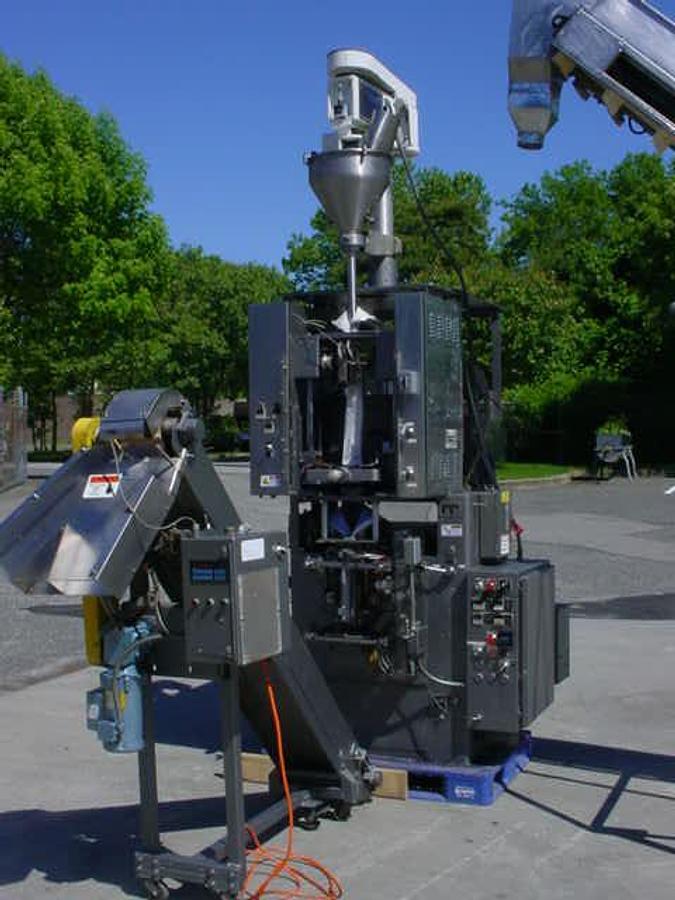
Rovema produces a broad range of packaging machinery, and the used market reflects that variety. The most commonly available machines are vertical form fill seal (VFFS) units, which Rovema has built a strong reputation around for decades. These machines can produce multiple bag formats including pillow bags, gusseted bags, and block bottom bags, making them versatile across many production environments. Horizontal form fill seal (HFFS) machines also appear on the used market, though less frequently than VFFS models. Specific models like the Rovema VPU-180 bagger are designed for powders and dry solids, which gives buyers a sense of how purpose-built many of these machines are.
Beyond form fill seal equipment, Rovema has produced cartoning systems, multihead weigher integrations, and complete packaging lines over the years. When shopping the used market, buyers will find machines in varying states, from recently decommissioned production units that may still be in excellent mechanical condition to older models that have seen heavy use. The age and model of the machine matters quite a bit when it comes to parts availability and manufacturer support, so it pays to research the specific model number before committing to a purchase.
What products can Rovema packaging machinery handle?
Rovema machines are built with flexibility in mind, and their product compatibility spans a wide range of industries. In the food sector, these machines are commonly used for snacks, coffee, frozen foods, confectionery, and pet food. The VPU series baggers, for example, are specifically engineered for powders and dry solids, which makes them a practical choice for applications like flour, protein powder, spices, and granulated products. Rovema's VFFS machines in particular are known for handling both free-flowing and non-free-flowing products with the right feeding attachments.
Outside of food, Rovema machinery has been used in pharmaceutical packaging, hardware and fastener bagging, and other consumer goods applications. The key factor in determining whether a specific Rovema machine suits a product is the combination of the bag format it produces, the filling system it uses (volumetric cup, auger, weigher, etc.), and the film types it can run. Buyers evaluating a used Rovema machine for a specific product should confirm these specifications with the dealer and, where possible, consult with Rovema directly to verify compatibility with their intended application.
What is the difference between Rovema VFFS and HFFS machines?
Vertical form fill seal (VFFS) and horizontal form fill seal (HFFS) machines differ primarily in the orientation of the packaging process and the types of products they handle best. In a VFFS machine, the film unwinds vertically, wraps around a forming tube, and the product drops down into the bag by gravity or through an auger or weigher. This makes VFFS machines well suited for free-flowing products like granules, powders, snacks, and frozen items. Rovema has a long history with VFFS technology and is particularly well regarded for the speed and reliability of their vertical baggers across a range of bag styles.
HFFS machines move the film horizontally and are generally better suited for products that cannot be dropped or tumbled, such as fragile items, products with irregular shapes, or items that need to be placed carefully into the package. HFFS lines are often used for products like cheese slices, meat portions, or medical devices. On the used market, Rovema VFFS machines tend to be more widely available than HFFS units, partly because VFFS technology has historically been a larger part of Rovema's product portfolio. Buyers should clearly define their product type, required throughput, and bag format before deciding which machine orientation fits their operation.
What should buyers know about purchasing used Rovema packaging machinery?
Buying used packaging machinery requires more due diligence than purchasing from a manufacturer, and Rovema equipment is no exception. Since used machines are sold as-is, the condition of the machine at the time of purchase is essentially what the buyer gets. That makes the inspection process critical. Reputable dealers will offer in-person inspections, video walkthroughs, or recorded footage of the machine so buyers can assess its current condition before committing. If the machine is still installed at a production facility, some dealers can arrange an inspection at the plant, where the equipment may even be running in active production.
Buyers should also consider the age of the specific Rovema model they are evaluating. Older machines may have limited parts availability through third-party suppliers, and manufacturer support can vary depending on how long ago a model was discontinued. Contacting Rovema directly to ask about parts and technical support for a specific model number is a smart step before finalizing any purchase. Choosing a dealer with a long track record in packaging machinery and specific experience with Rovema equipment reduces the risk considerably, as these dealers are more likely to accurately represent the machine's condition and help buyers understand what they are getting.
How are used Rovema machines typically inspected before purchase?
Inspection options for used Rovema packaging machinery generally fall into three categories: in-person visits, live video calls, and recorded video documentation. In-person inspections give buyers the most complete picture, allowing them to physically examine the machine's frame, electrical panels, sealing jaws, film path, and mechanical components. When a machine is still located at the facility where it was last used, dealers can sometimes arrange access for a buyer or their technician to visit and observe the equipment firsthand, occasionally while it is still running product.
For buyers who cannot travel, virtual inspections via video call or pre-recorded video are a practical alternative. These should cover the machine's exterior condition, any visible wear or damage, the control panel, and ideally a powered-on demonstration if the machine is accessible and safe to run without a full production setup. It is worth noting that most used equipment dealers do not have the permitting or infrastructure to run actual product through a machine during a demonstration, so buyers should not expect a full production trial. The goal of any inspection is simply to get an honest, accurate picture of the machine's current mechanical state so there are no surprises after delivery.
What is the typical price range for used Rovema packaging machinery?
Pricing for used Rovema packaging machines varies considerably based on the model, age, condition, and included accessories. Smaller or older VFFS baggers can be found in the lower range of the used market, sometimes starting around a few thousand dollars for machines that are older or require refurbishment. Mid-range Rovema VFFS units in good working condition, with more recent controls and broader format capability, often fall somewhere between $15,000 and $60,000 depending on the specific configuration. High-output or more recently manufactured machines with advanced controls can push into six figures.
Beyond the machine price itself, buyers should factor in additional costs that affect the total landed price. Shipping and rigging for large packaging machines can be significant, particularly if heavy-duty crating or specialized loading equipment is required. Buyers should ask dealers for detailed breakdowns of packaging, freight, and any rigging charges before finalizing a purchase. Machines that need electrical modifications to match local power standards or require replacement parts to become operational will also add to the total investment. Getting a clear picture of all costs upfront helps avoid surprises and makes it easier to compare options across different sellers.
What spare parts and maintenance support should buyers expect after purchasing a used Rovema machine?
Parts availability is one of the most practical concerns when buying any used packaging machine, and it deserves serious attention before a purchase is made. For Rovema machines, the level of parts support available depends heavily on the model and its age. More recent models are more likely to have parts available through Rovema or authorized service channels. Older or discontinued models may require buyers to source parts through third-party suppliers, machine shops, or the used parts market. Contacting Rovema directly with the machine's model and serial number is the most reliable way to gauge what support and parts are realistically available.
Maintenance planning should also account for wear items specific to form fill seal machines: sealing jaws and jaw inserts, film drive belts, forming tubes, and sensors are components that typically need periodic replacement regardless of how well a machine has been maintained. Buyers who have in-house maintenance staff with experience on packaging machinery are generally better positioned to keep a used Rovema machine running efficiently. For those without that internal expertise, identifying a qualified packaging machinery service technician in the region before completing the purchase is a smart move, as it reduces downtime when issues arise.
What payment terms are typical when buying used Rovema packaging machinery from a dealer?
Payment practices in the used machinery industry follow a fairly consistent pattern. Most dealers require full payment before a machine is released for shipping, which protects the seller from non-payment after the equipment has left their facility. This is standard practice across the industry and applies to used Rovema machinery just as it does to other capital equipment. Some dealers extend payment terms to established customers with a history of prior transactions, but first-time buyers should generally expect to pay in full upfront.
Buyers should clarify payment methods accepted by the dealer early in the process, as some dealers prefer wire transfers for large transactions while others may accept other forms of payment. It is also worth confirming exactly when title to the machine transfers and when the machine will be released to the freight carrier, so there are no gaps in understanding between payment and delivery. For larger purchases, some buyers choose to use escrow services or work through financing companies that specialize in used equipment, which can provide an additional layer of protection and flexibility.
How does shipping and freight work for used Rovema packaging machinery?
Shipping a used packaging machine involves more logistics than standard freight, and the costs can vary significantly based on the machine's size, weight, and destination. Rovema VFFS and HFFS machines range from relatively compact units to large, multi-component systems, and the shipping approach needs to match the machine's physical requirements. Proper crating or palletization is essential to prevent damage in transit, and the level of packaging required will affect the freight cost. Buyers should ask dealers specifically what packaging will be used and whether crating is included in the quoted price or billed separately.
For larger or heavier machines, rigging is often required for loading at the origin and unloading at the destination. This involves specialized equipment like forklifts, cranes, or riggers with machinery moving experience, and it adds to the total cost. International shipments add further complexity, including customs documentation, import duties, and compliance with destination country regulations. Buyers should request a full landed cost estimate from the dealer that includes the machine price, packaging, domestic freight or rigging, and any applicable import fees, so they have a complete picture of what the machine will actually cost to get into their facility.
How do used Rovema machines compare to buying packaging machinery from a manufacturer?
The primary advantage of buying a used Rovema machine is cost. A used machine in good working condition can represent a fraction of the price of a comparable machine purchased directly from a manufacturer, which makes used equipment an attractive option for operations looking to expand capacity or enter a new product line without a large capital outlay. Lead times can also be shorter with used equipment, since the machine already exists and is available immediately rather than being built to order, which can take months. For companies with straightforward packaging requirements that match a machine's existing configuration, used Rovema equipment can be a very practical solution.
The tradeoffs are real, though. A machine purchased through a reseller comes without the support structure that a manufacturer relationship provides. There is no production warranty, no guaranteed parts pipeline, and no factory commissioning support unless the buyer arranges and pays for it separately. The buyer takes on more responsibility for verifying the machine's condition, understanding its history, and planning for maintenance. Buyers who do their homework, work with experienced dealers, and have realistic expectations about what used equipment involves tend to get excellent value from the used Rovema market. Those who underestimate the importance of inspection and parts planning can find themselves with a machine that costs more to get running than they anticipated.