Category
Manufacturer
Model
Ross
Ross is a leading manufacturer of mixing and blending equipment, serving industries such as food, pharmaceuticals, and chemicals. Their machines are designed for precision and versatility, making them suitable for a wide range of applications.
FAQ:
What types of Ross mixing and blending equipment are commonly available on the used market?
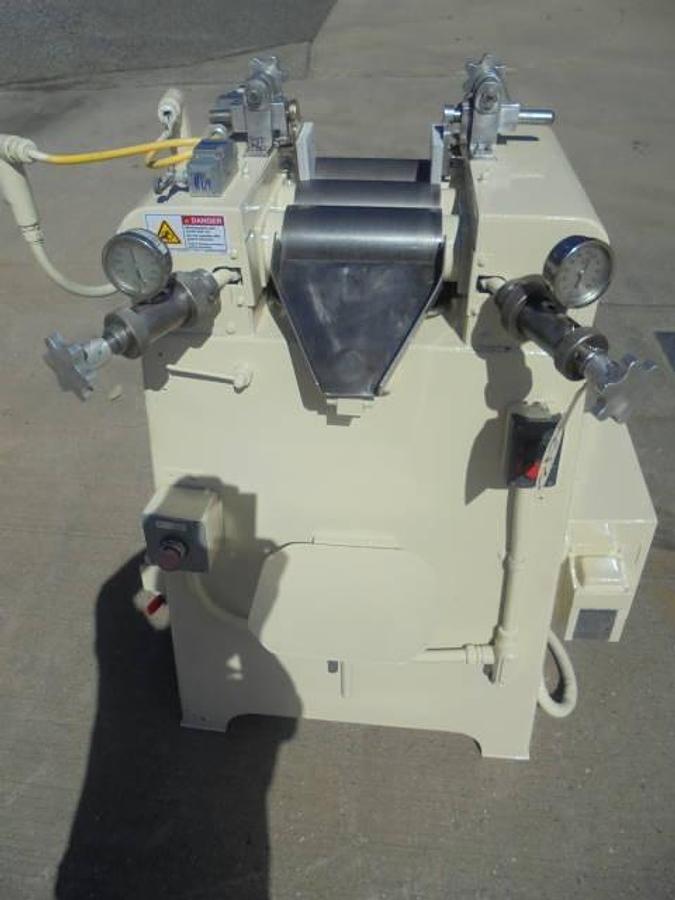
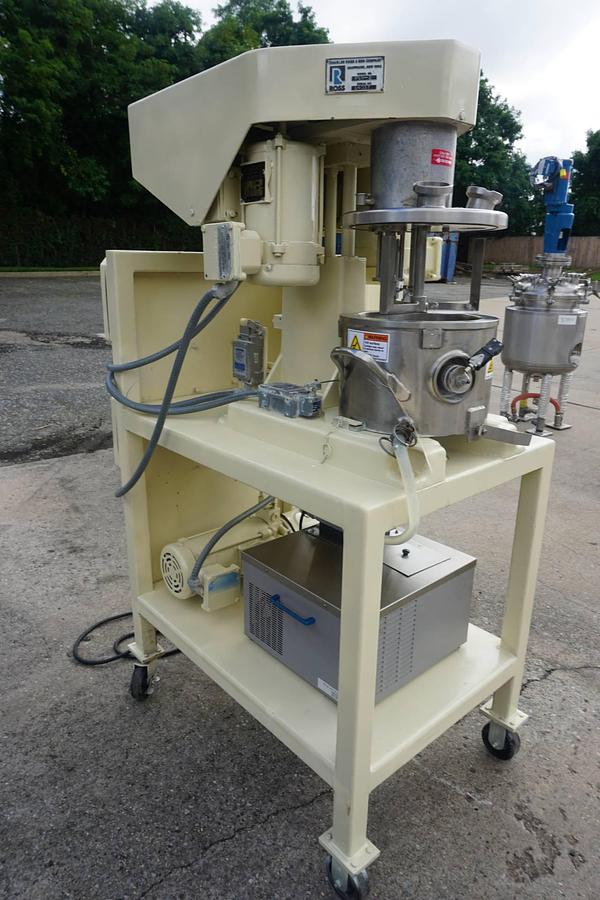
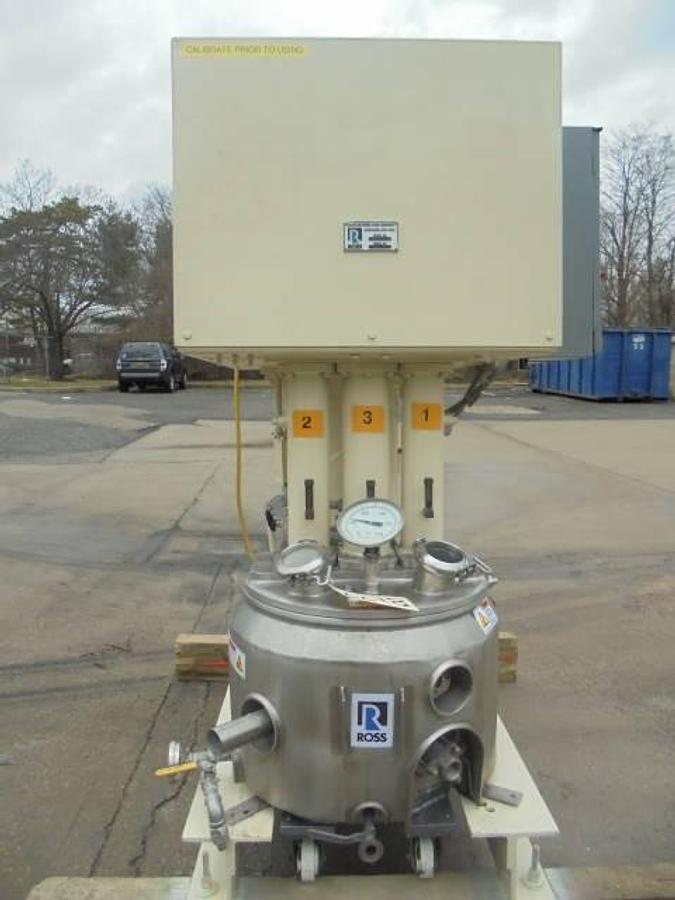
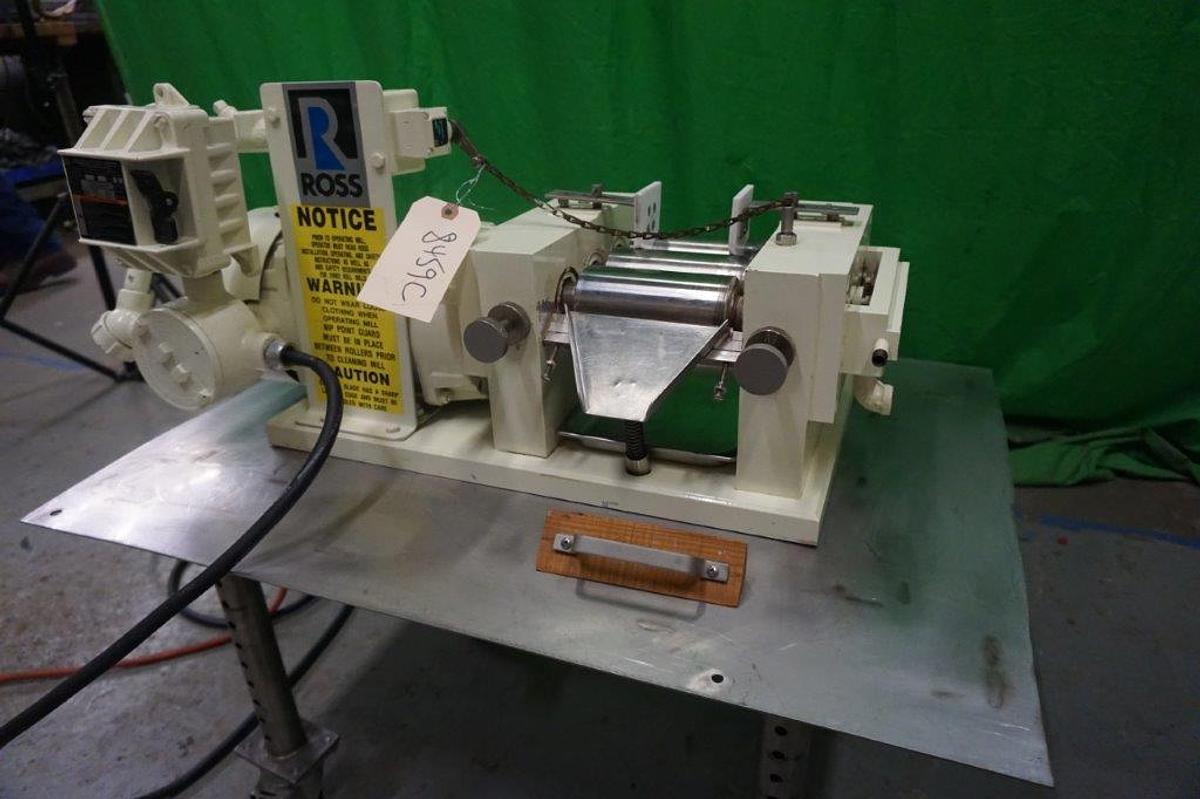
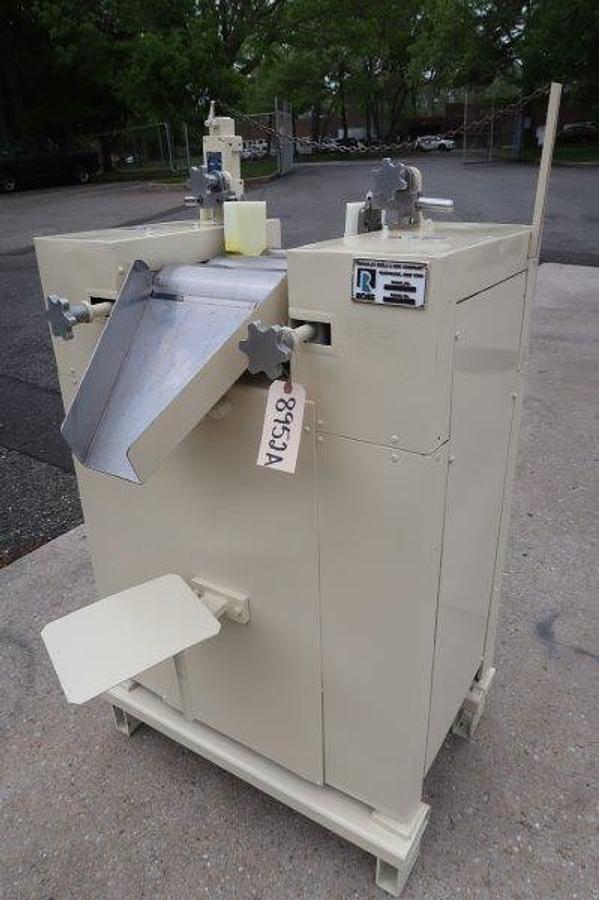
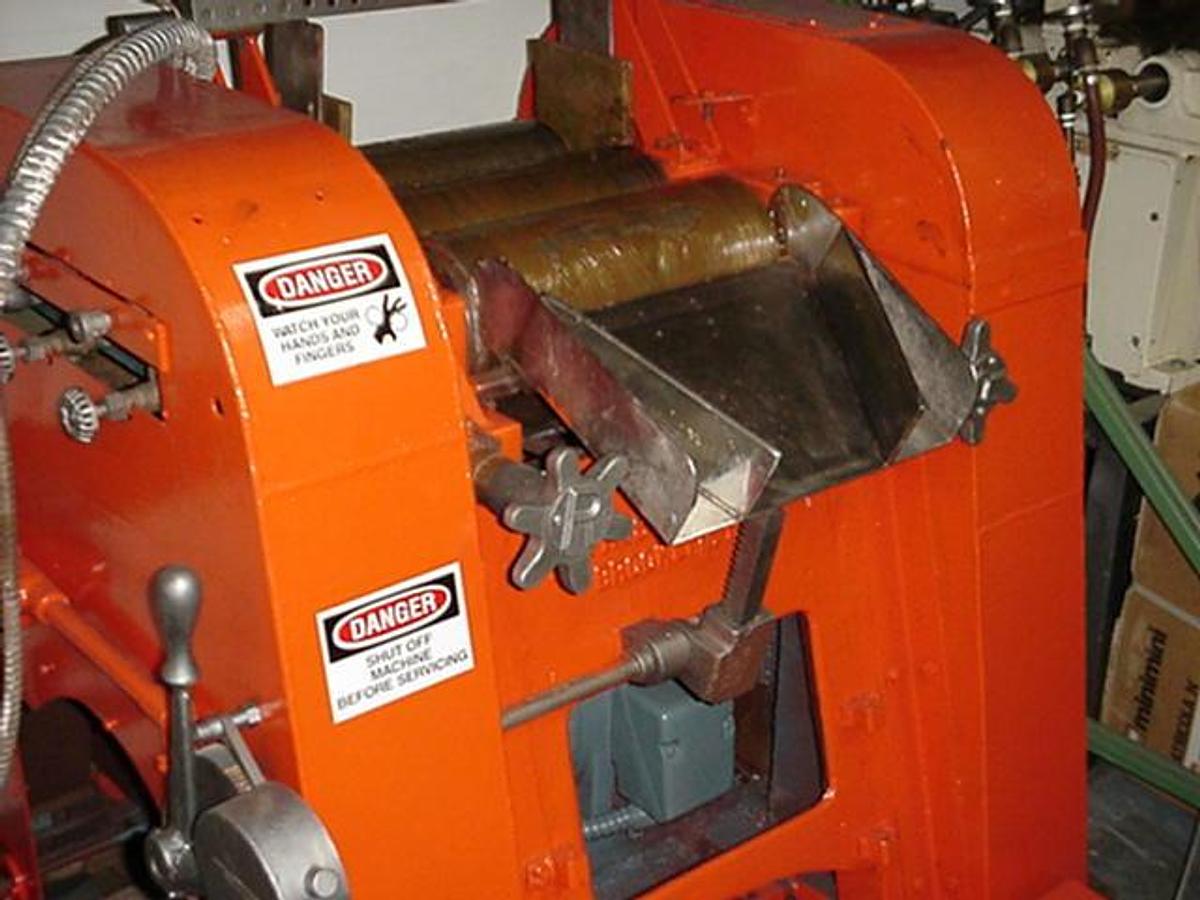
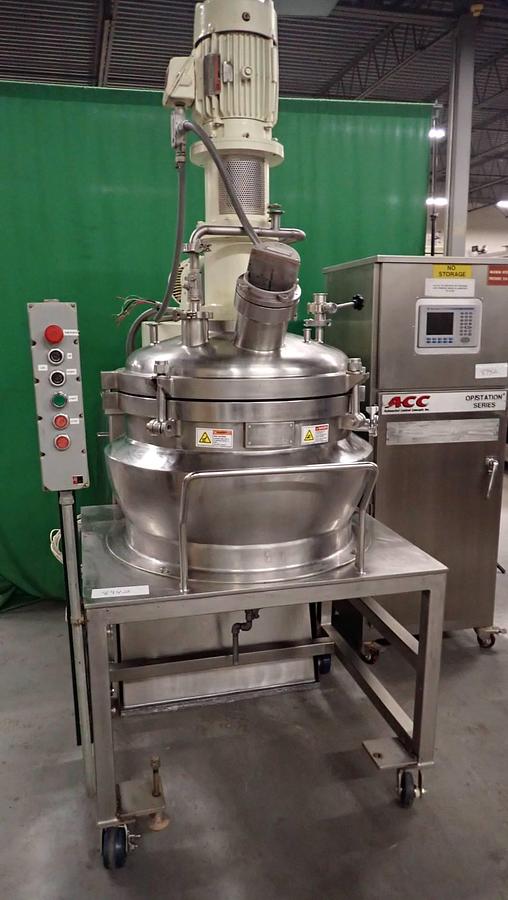
Ross produces one of the broadest lines of mixing and blending equipment in the industry, and that variety is well represented in the used equipment market. Common machine types include inline high shear mixers (such as the HSM series), ribbon blenders in single and double configurations, paddle blenders, planetary mixers, triple motion vacuum mixers (the PVM series), homogenizing vacuum kettles, three roll mills, and turbo-emulsifiers. Capacities range from small tabletop lab units to large production-scale blenders of 40 cubic feet or more.
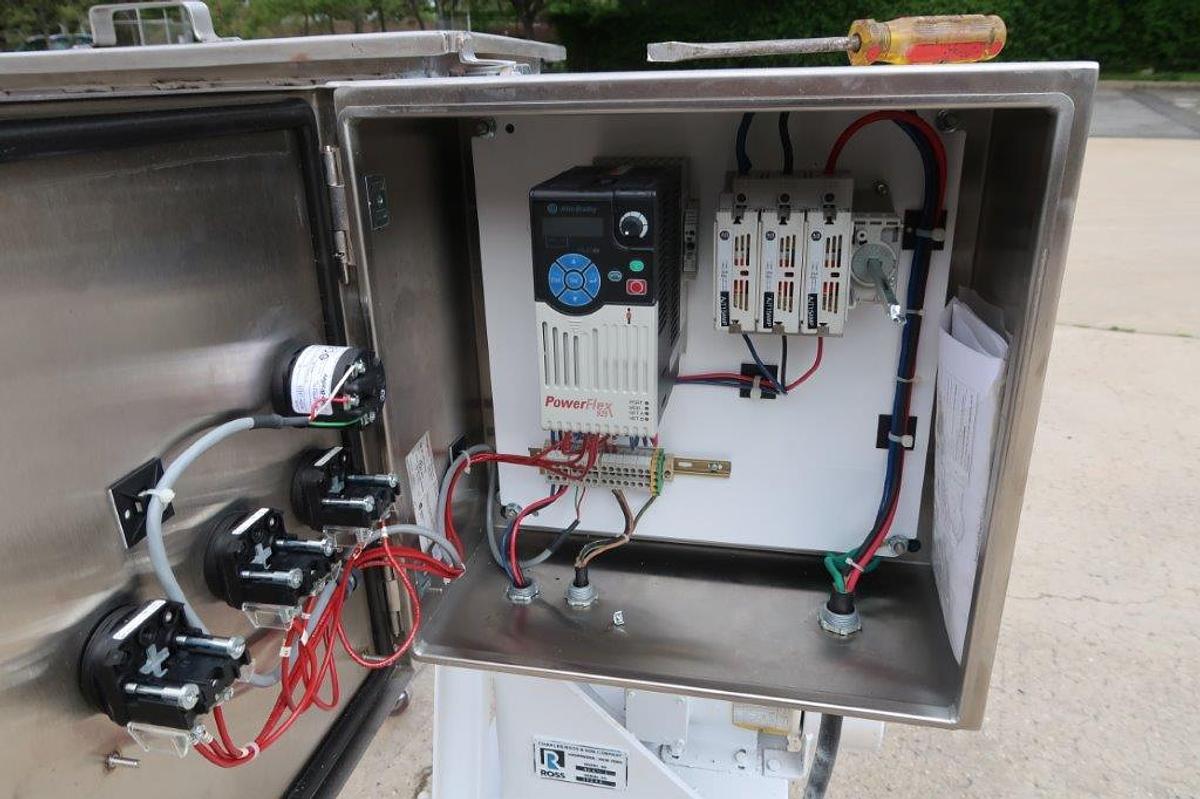
Because Ross machines are built to last decades, used examples from a wide range of eras and model generations tend to circulate through the secondary market. Buyers can often find stainless steel construction throughout, jacketed vessels for temperature-controlled processing, explosion-proof motor configurations for hazardous environments, and variable-speed drive options. It pays to review current listings carefully, as available inventory changes frequently and specific configurations like XP-rated motors or vacuum capability are not present on every unit.
What industries use Ross mixing and blending equipment?
Ross mixing and blending equipment serves a remarkably wide range of industries, which is one reason used units hold their value and remain in demand long after leaving the original production facility. The most common sectors include food and beverage processing, pharmaceuticals, cosmetics and personal care, adhesives and sealants, coatings and paints, specialty chemicals, and electronics manufacturing. The stainless steel construction and sanitary design options found on many Ross machines make them particularly well suited for food-grade and pharmaceutical applications where cleanliness and corrosion resistance are non-negotiable.
Within those broad categories, specific machine types tend to cluster around particular applications. High shear inline mixers like the HSM series are frequently used for emulsification, homogenization, and particle size reduction in cosmetics and pharmaceutical liquids. Ribbon blenders are workhorses in dry powder blending for food ingredients, nutraceuticals, and chemical compounds. Three roll mills are common in pigment dispersion, inks, and electronic paste manufacturing. This cross-industry versatility means a used Ross machine can often be repurposed across different product lines, which adds to its long-term value for a buyer.
How do I determine the right Ross mixer size and model for my production needs?
Selecting the right Ross mixer starts with a clear understanding of your batch size, material properties, and the specific mixing action your process requires. Batch volume is the most straightforward starting point. Ross ribbon blenders, for example, are available in used configurations ranging from 1 cubic foot portable units up to 40 cubic feet or larger, so matching vessel capacity to your typical batch size prevents both underutilization and overloading. Beyond volume, the physical characteristics of your material matter enormously. High-viscosity pastes and gels behave very differently from free-flowing dry powders, and the mixing mechanism needs to match accordingly.
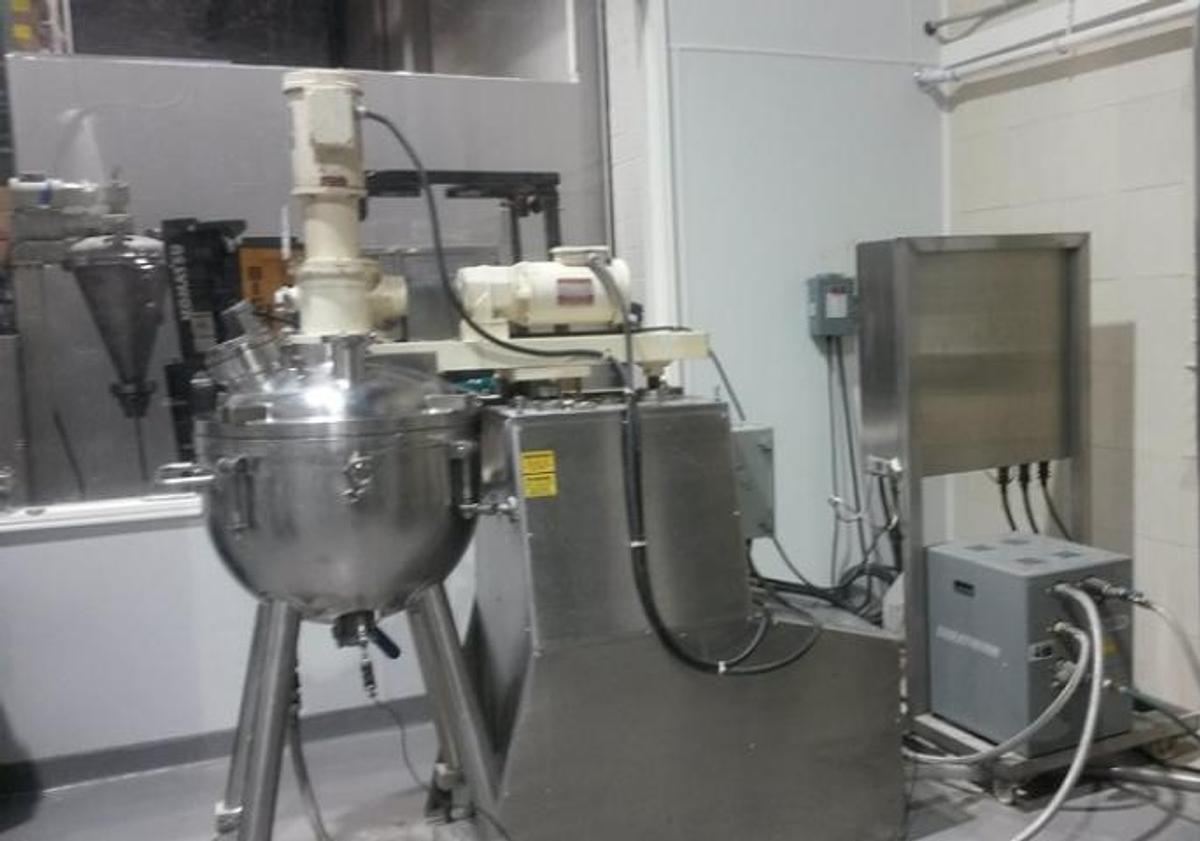
For liquid applications, the choice between a high shear rotor-stator mixer, a planetary mixer, and a vacuum homogenizing kettle depends on whether you need emulsification, dispersion, or simple blending, and whether entrapped air is a concern. For dry or semi-dry materials, ribbon blenders and paddle blenders each produce different shear intensities and blend times. When buying used equipment, it helps to consult the Ross manufacturer's published specifications for the specific model under consideration, and to discuss your process requirements with the dealer. Many dealers can arrange inspections or provide detailed photos and video of the equipment so you can assess its condition relative to your needs before committing to a purchase.
What should buyers know about inspecting used Ross mixing equipment before purchasing?
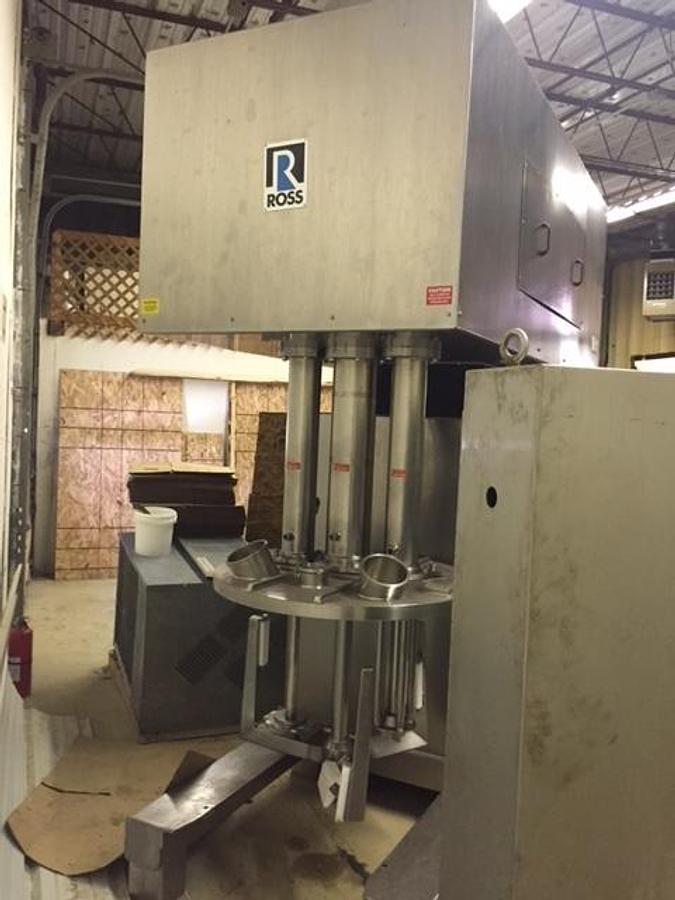
Inspection is one of the most important steps in buying used industrial mixing equipment, and reputable dealers will typically accommodate in-person visits, live video walkthroughs, or recorded video captures of the machine. The goal is to get an accurate picture of the equipment's current mechanical condition. Key things to examine include the condition of the mixing elements (ribbons, paddles, rotor-stator assemblies, or roll surfaces), the integrity of seals and gaskets, the state of the drive motor and gearbox, and whether any welds or vessel walls show signs of wear, corrosion, or repair. For vacuum-capable units like the PVM mixers or homogenizing kettles, the vacuum system components deserve close attention.
One practical consideration is that some machines may still be in active production at the facility where they are listed for sale. In those cases, an in-person inspection can sometimes be arranged at the operating plant, giving the buyer the opportunity to see the machine running under actual production conditions. However, most used equipment dealers do not have the permitting or infrastructure to run product through the machines at their own facilities, so functional testing with your specific material is generally not possible. Buyers should factor this into their evaluation and lean toward dealers with a long track record in the industry and specific experience with process equipment.
Are replacement parts and technical support available for older Ross mixer models?
Ross has been manufacturing mixing equipment since 1842, which means the used market includes machines spanning a very wide range of model generations. Parts availability varies significantly depending on the age and model of the specific machine. For relatively recent models, Ross and authorized service providers can often supply wear parts such as seals, gaskets, mixing elements, and drive components. For older or discontinued models, parts may require custom fabrication or sourcing through specialty suppliers. Before purchasing a used Ross mixer, it is worth contacting Ross directly to ask about parts availability and the level of technical support they can provide for the specific model and serial number you are considering.
The age and configuration of the machine can also affect the level of manufacturer support available. Explosion-proof motors, for instance, have their own certification requirements, and replacing an XP-rated component is not as simple as substituting a standard motor. Similarly, proprietary control systems on older units may be difficult to service if the original components are no longer produced. Buyers who plan to integrate a used Ross machine into a long-running production environment should assess the parts and support landscape carefully before purchase, rather than discovering gaps after the equipment is installed.
What is the typical price range for used Ross mixing and blending equipment?
Pricing for used Ross mixing equipment varies widely based on machine type, capacity, configuration, age, and condition. Small tabletop or lab-scale units, such as a compact three roll mill or a 1 cubic foot ribbon blender, typically fall in a lower price tier and are accessible for research facilities or small-batch producers. Mid-range production equipment like 5 to 10 cubic foot ribbon blenders or 10 HP inline high shear mixers generally carries moderate pricing that reflects their broader utility. Large-scale machines, such as 40 cubic foot paddle blenders or high-horsepower homogenizing mills with vacuum systems and control panels, command significantly higher prices given their production capacity and the complexity of their systems.
Special configurations add cost as well. Explosion-proof (XP) motor ratings, jacketed vessels for temperature control, vacuum capability, variable-speed drives, and full stainless steel construction all push prices upward relative to standard configurations. Because used equipment is sold as-is and pricing reflects current market conditions, the best approach is to compare active listings across reputable dealers and factor in the full landed cost, including shipping, rigging, and any reconditioning work that may be needed. A machine priced lower than comparable listings is worth scrutinizing more carefully during inspection, as condition differences often explain the gap.
What are the differences between a Ross ribbon blender and a Ross paddle blender?
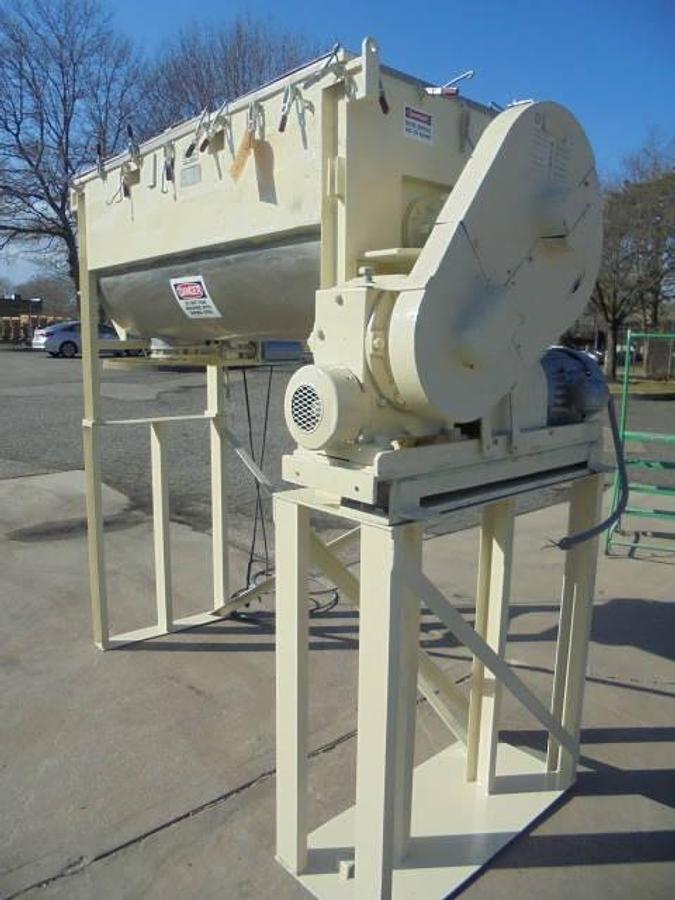
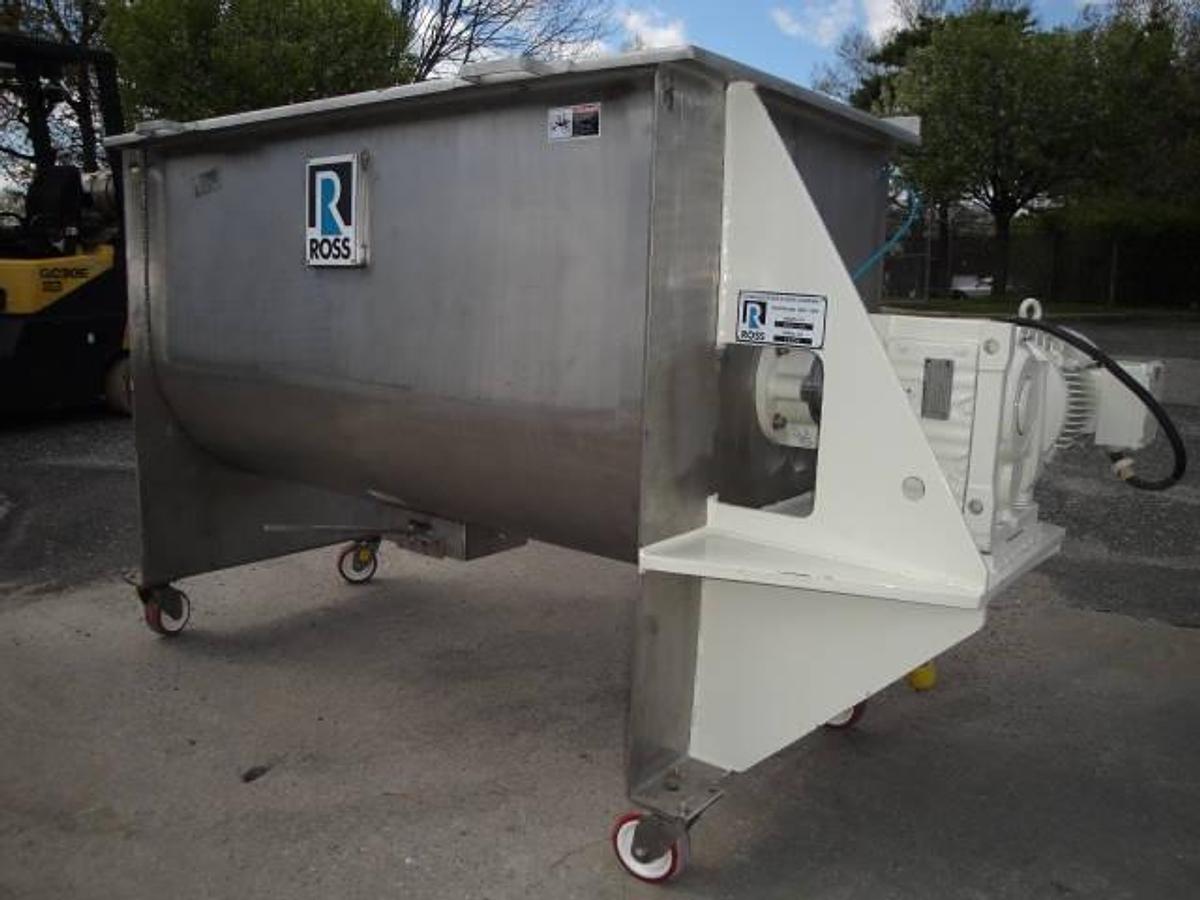
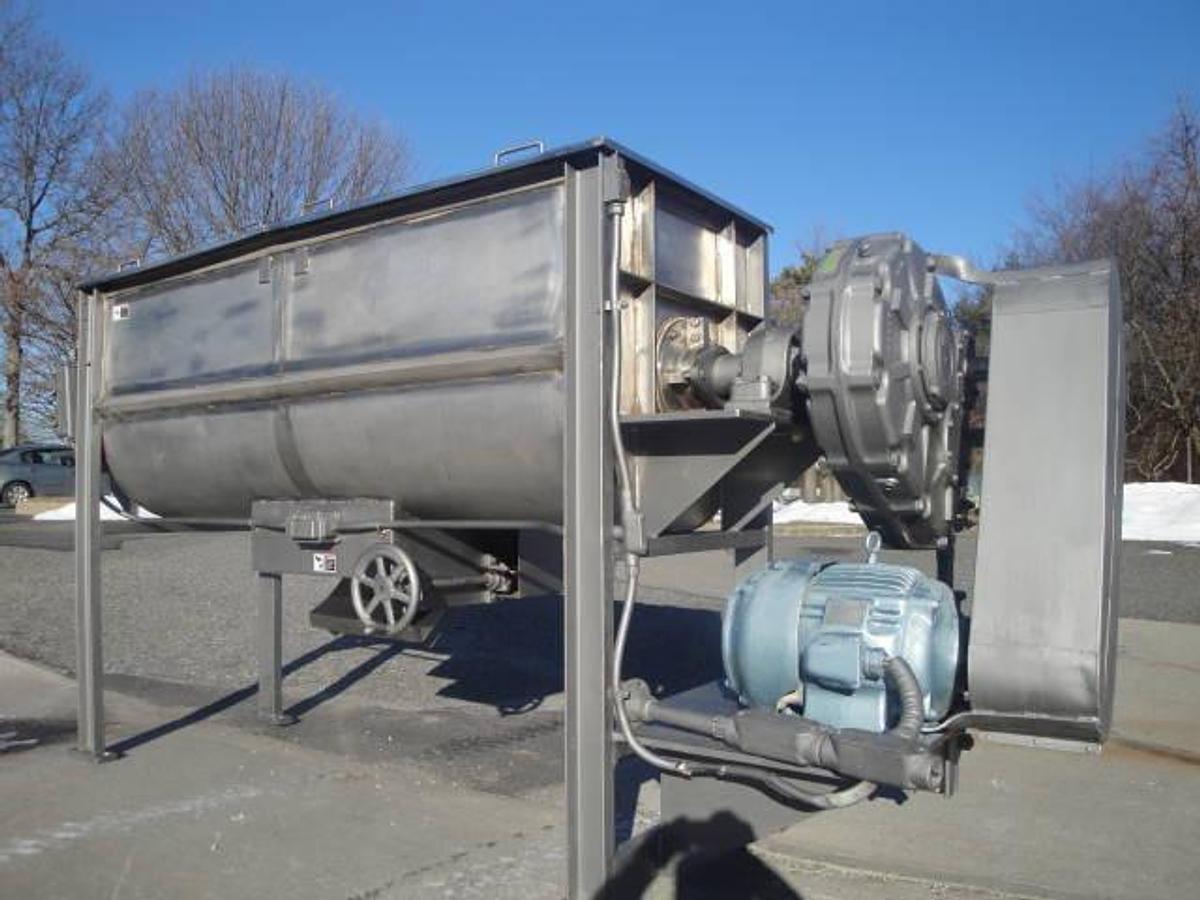
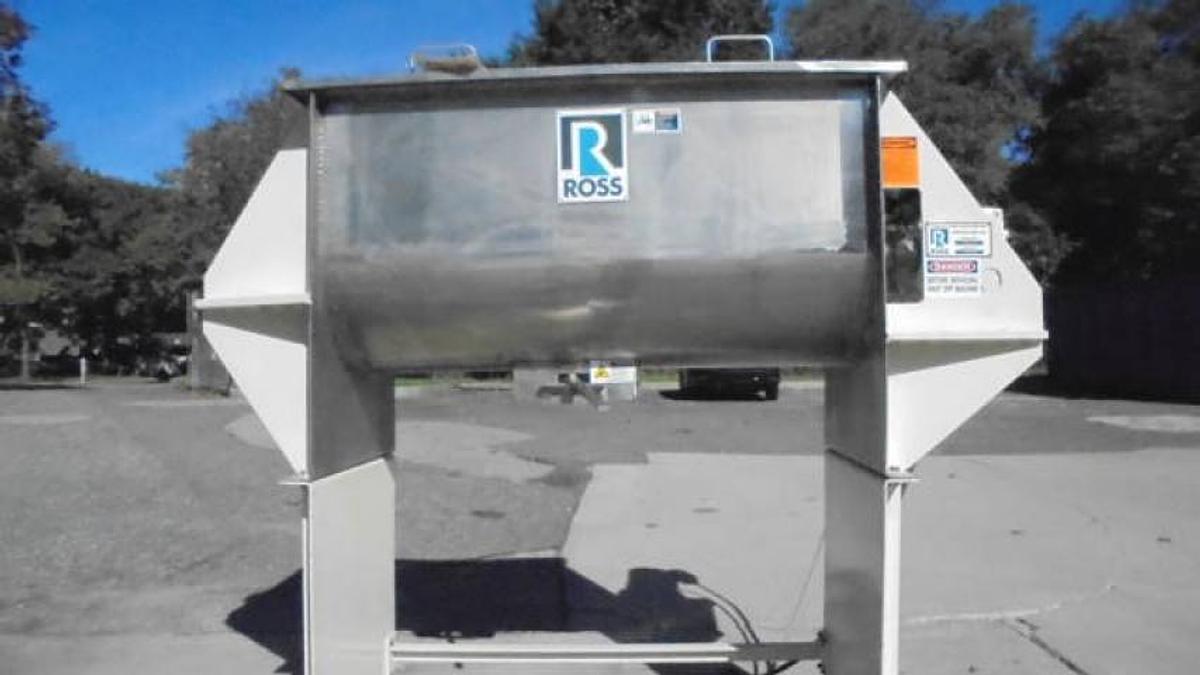
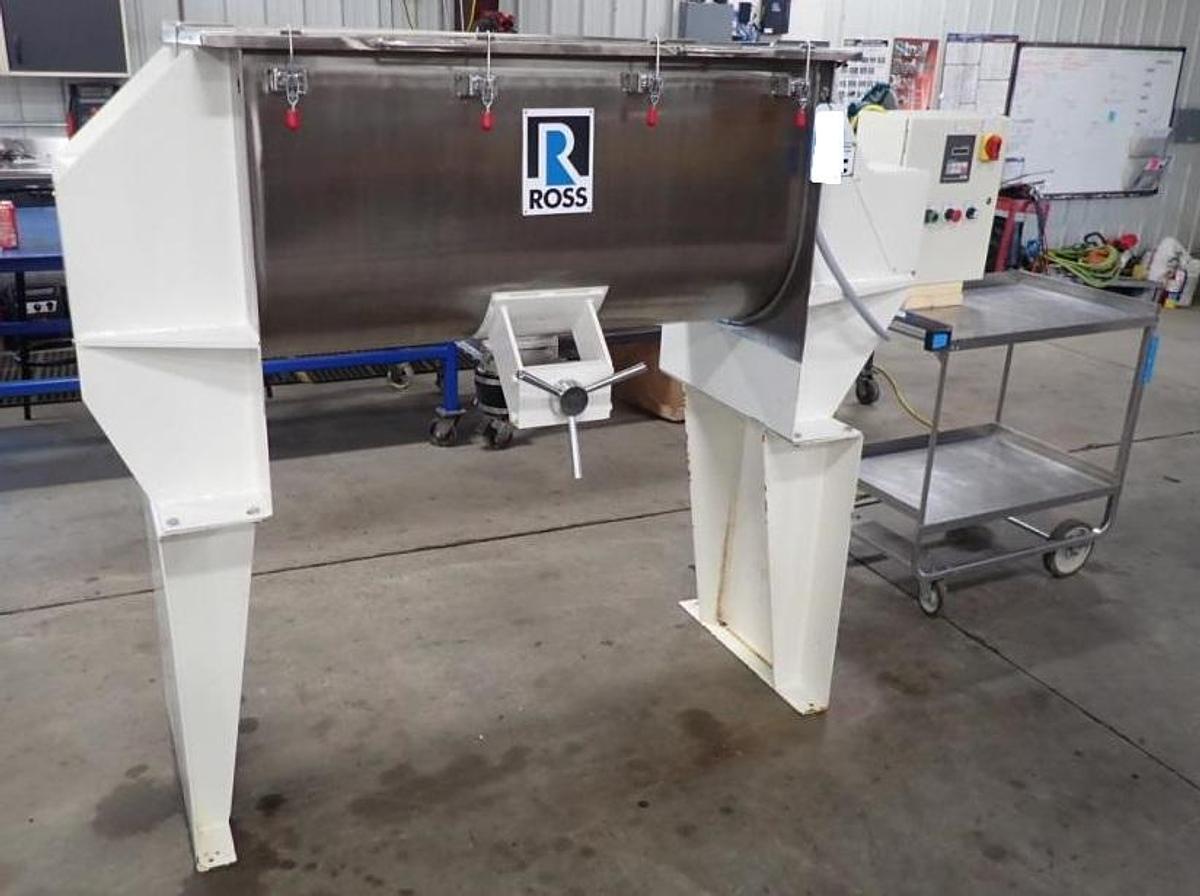
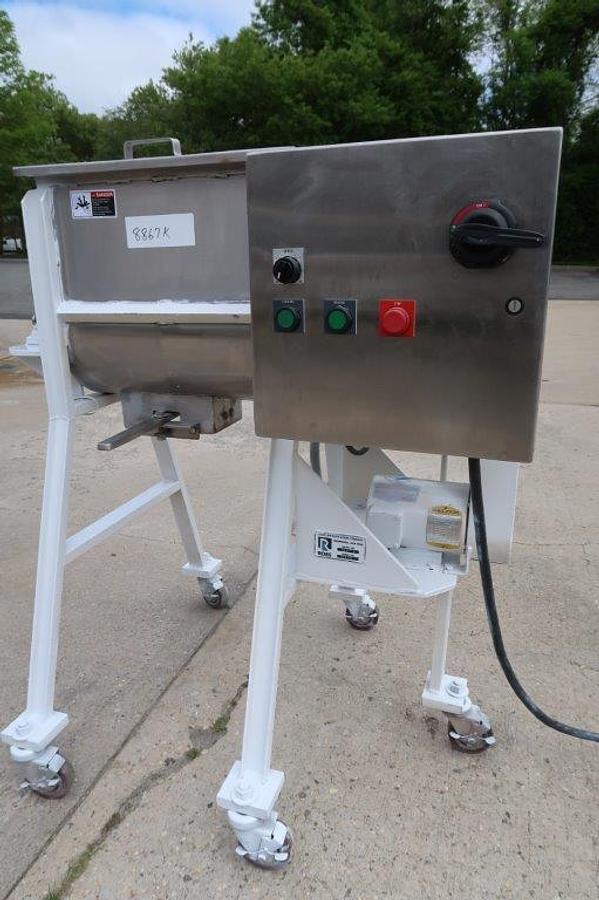
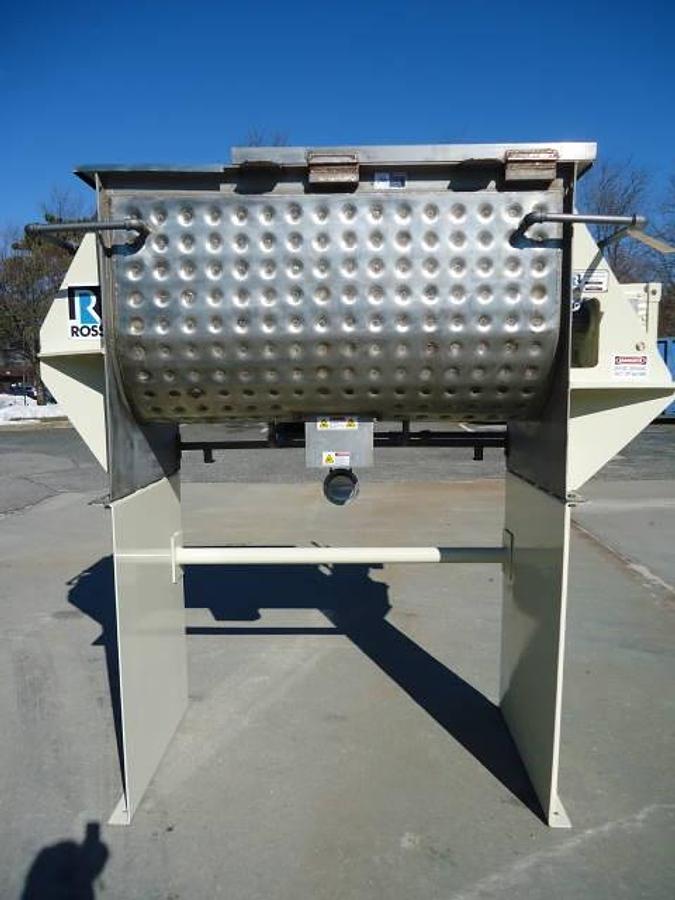
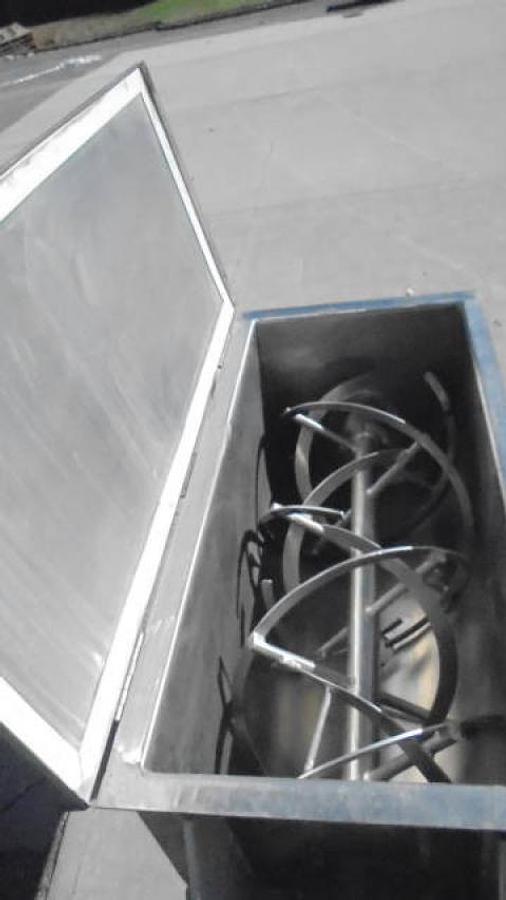
Both ribbon blenders and paddle blenders are used for dry and semi-dry bulk material processing, but they produce different mixing actions and are suited to different applications. A ribbon blender uses a double helical ribbon agitator that moves material simultaneously in opposing directions, creating a cross-flow pattern that achieves thorough blending in relatively short cycle times. The close clearance between the ribbon and the trough wall also provides a gentle scraping action. Ross ribbon blenders are available in single and double ribbon configurations, with double ribbon designs offering more aggressive mixing for denser or harder-to-blend materials. They are a common choice for food ingredients, pharmaceutical powders, and chemical compounds where uniform distribution is critical.
A paddle blender uses a series of flat or angled paddles mounted on a central shaft to lift and fold material rather than driving it in a helical path. This produces a gentler mixing action with lower shear, making paddle blenders well suited for fragile materials, granules, or products where maintaining particle integrity is important. The 40 cubic foot Ross stainless steel paddle blender with a 20 HP motor, for example, is designed for high-volume, low-shear applications. Choosing between the two comes down to your material's fragility, the required blend uniformity, batch size, and whether any heating or cooling through a jacketed vessel is part of the process.
What is a Ross high shear inline mixer and what is it used for?
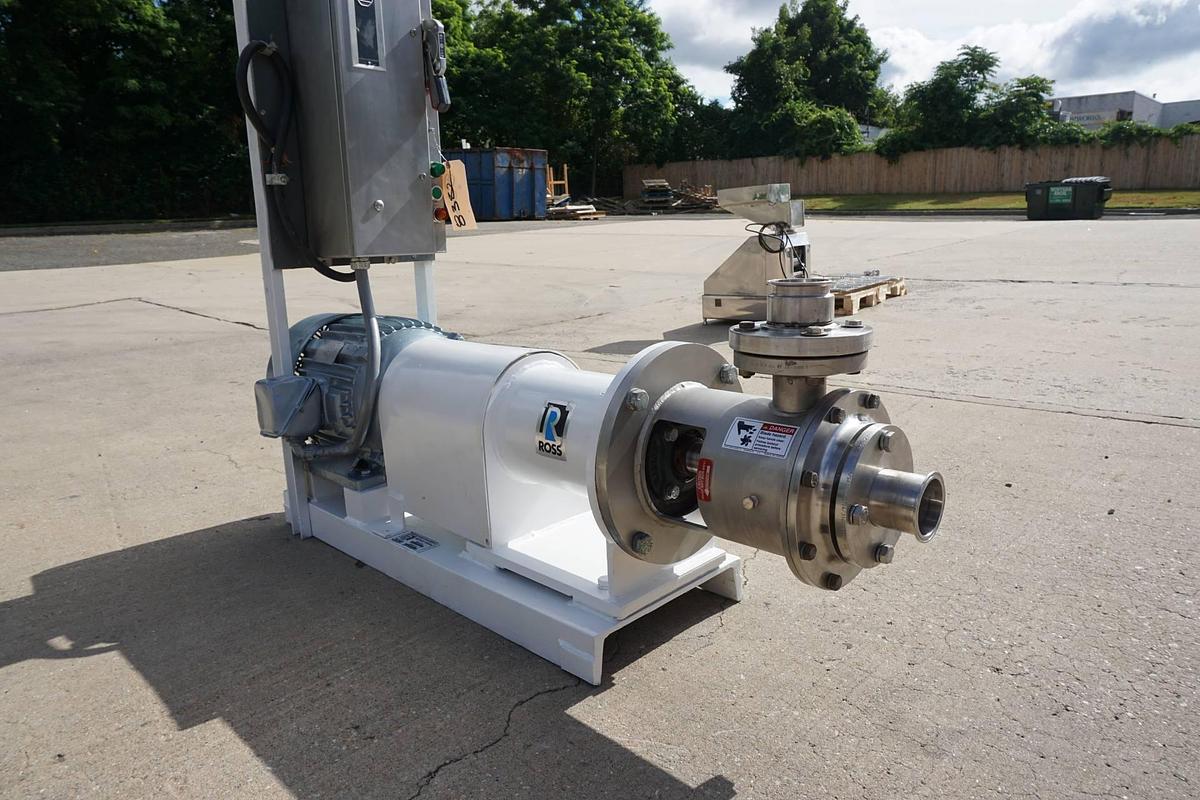
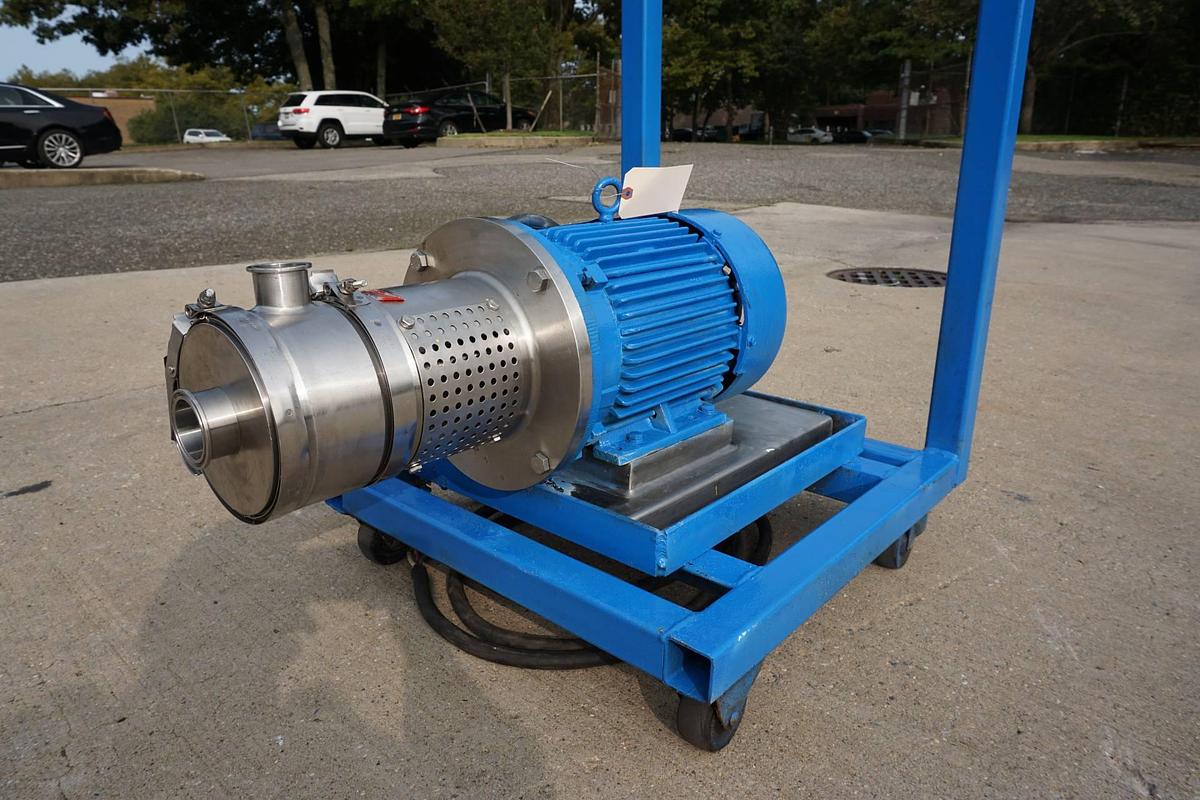
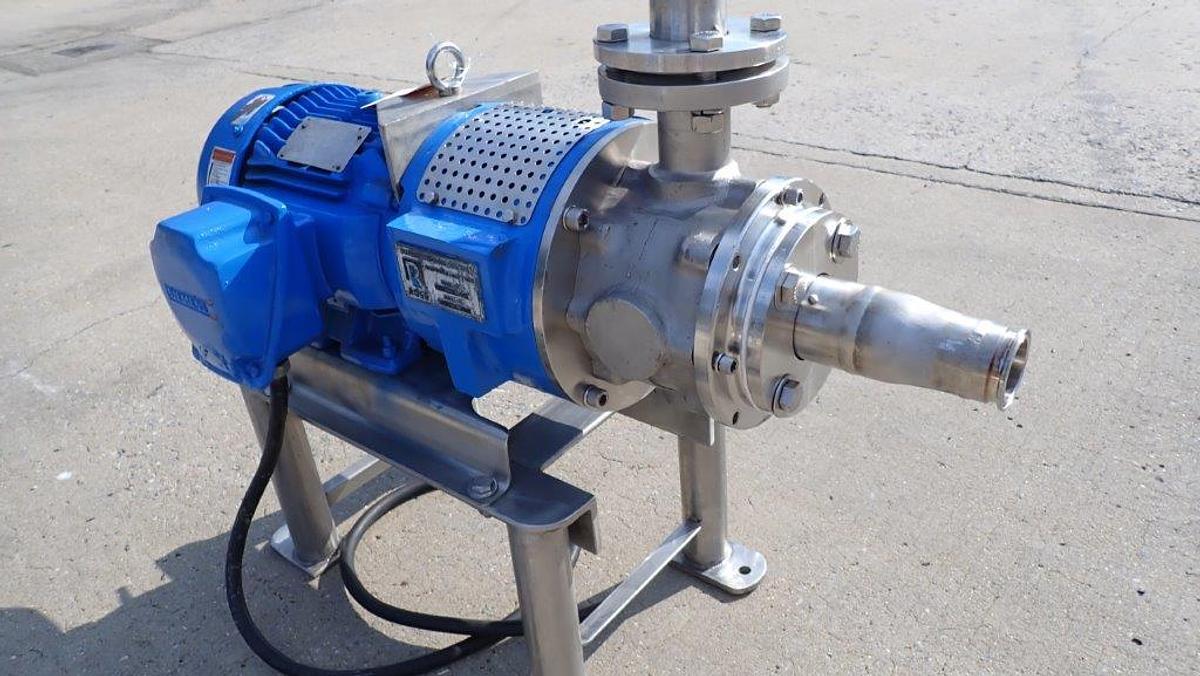
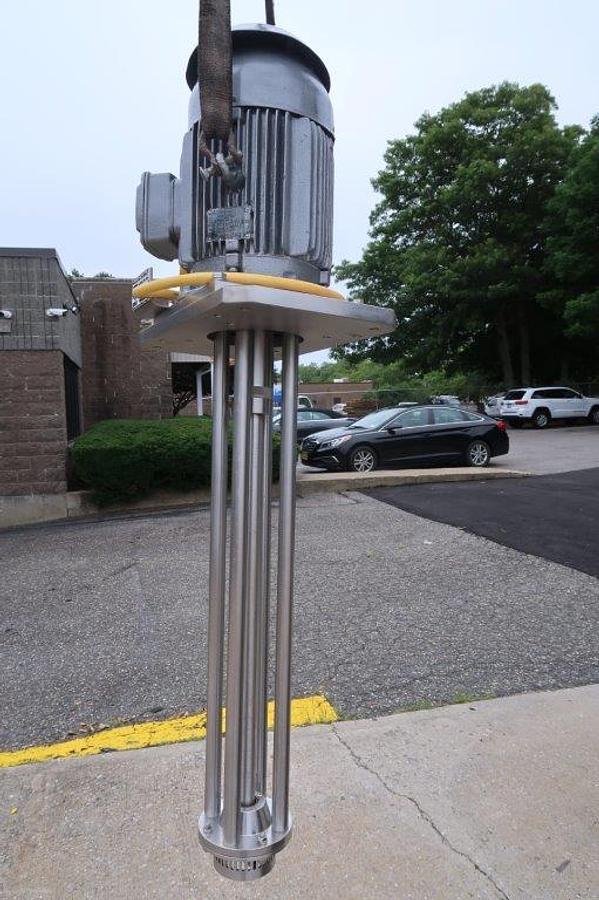
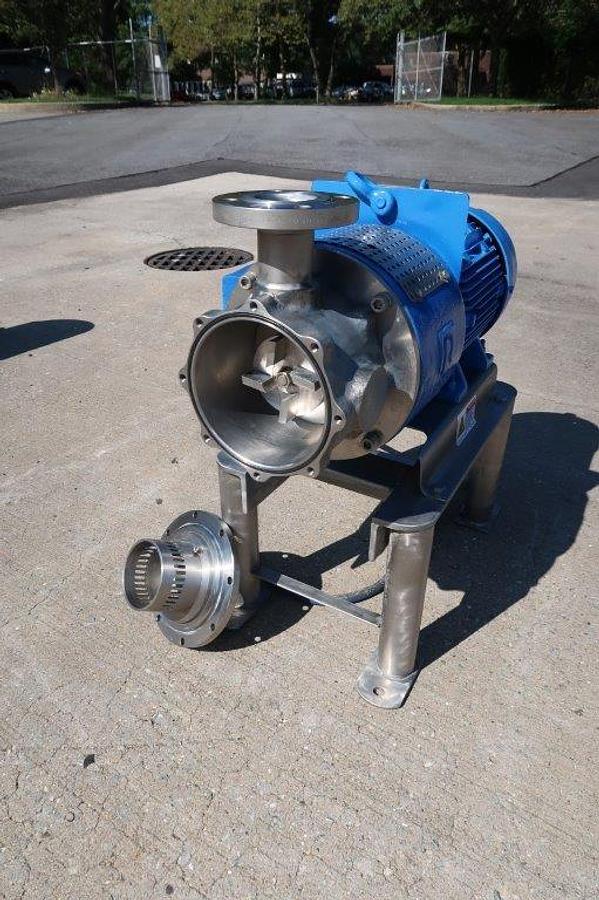
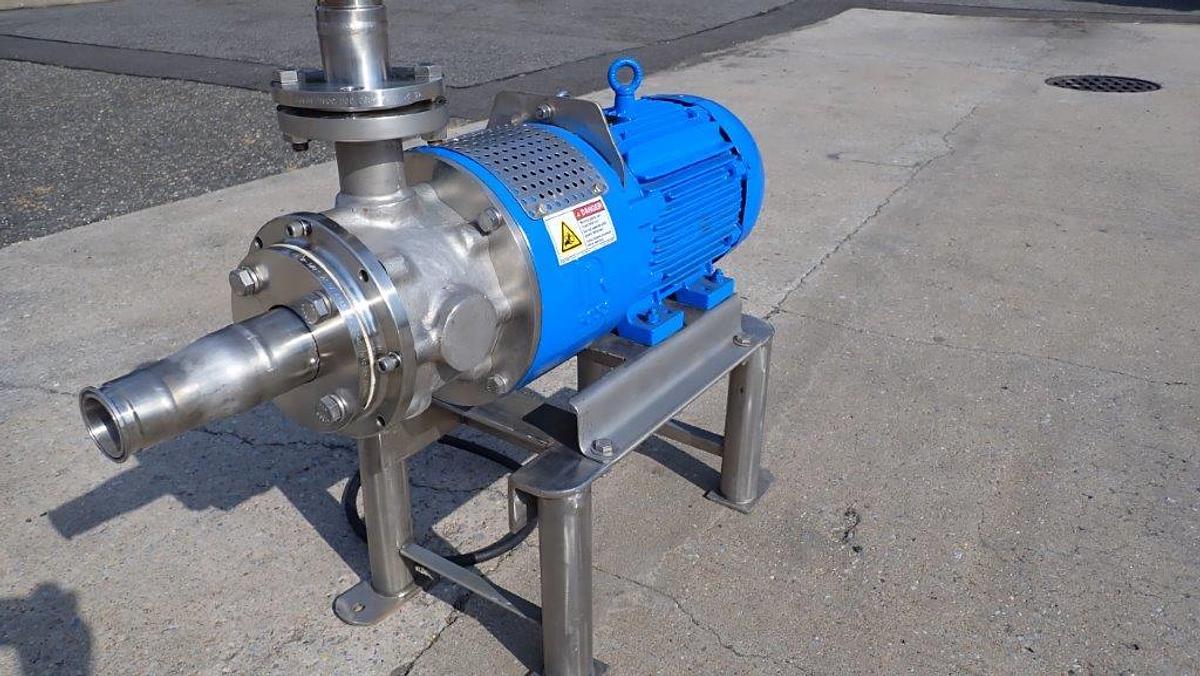
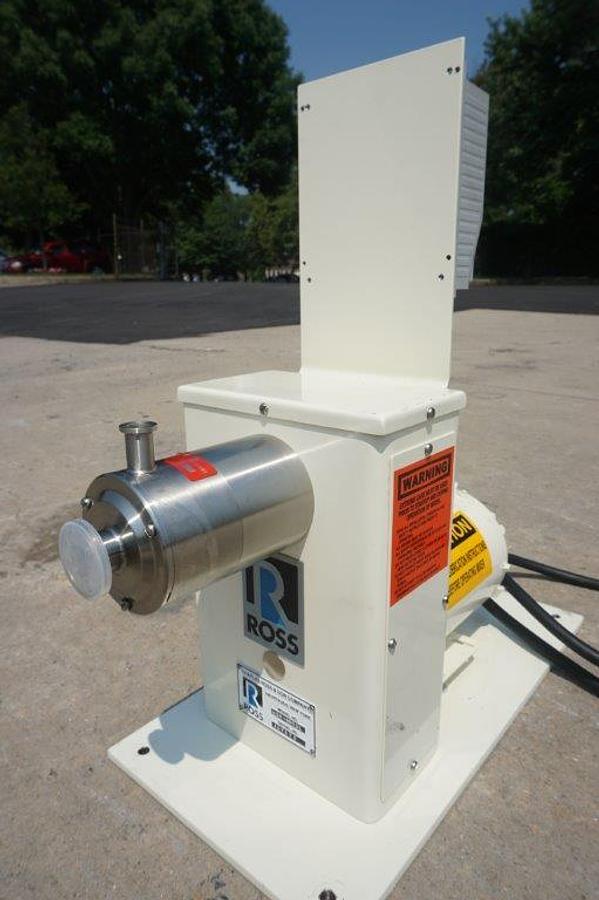
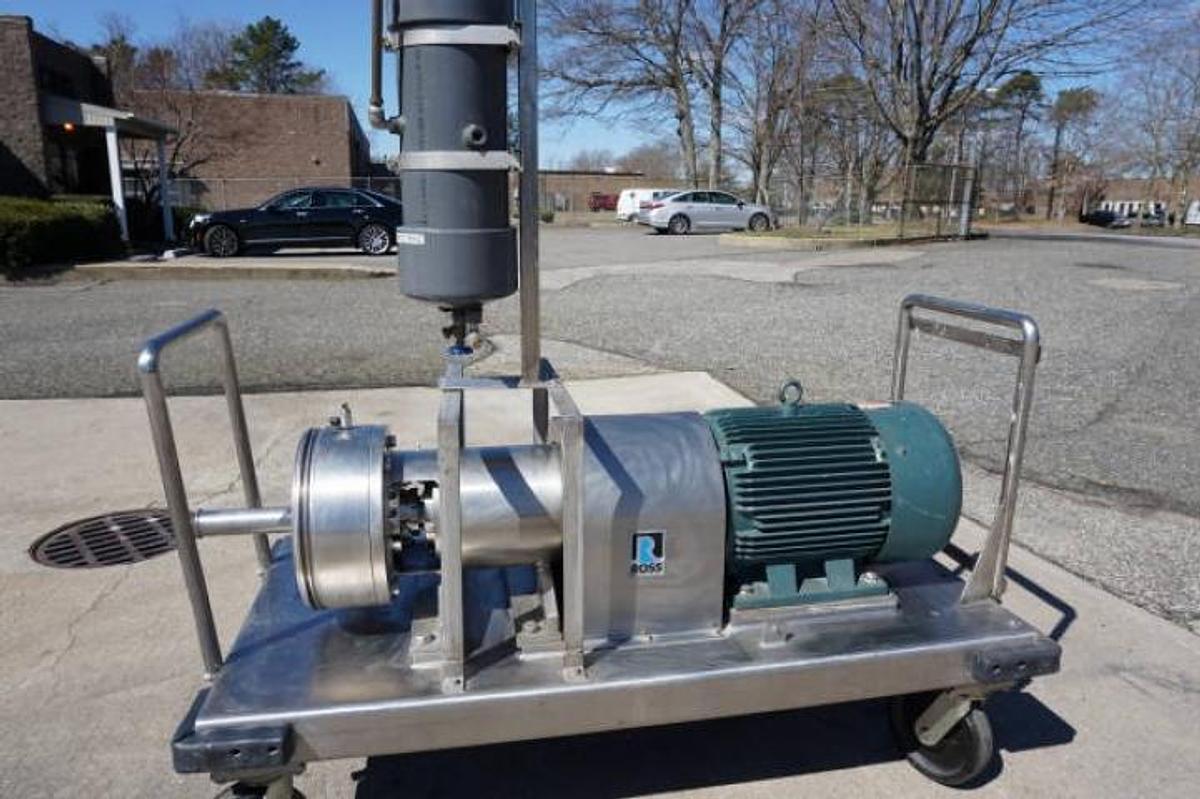
A Ross high shear inline mixer, sold under the HSM product designation, is a continuous-flow mixing device that draws fluid through a rotor-stator assembly at high velocity to produce intense mechanical shear. Unlike batch mixers that process material in a vessel, an inline high shear mixer is installed directly in a pipeline, so product passes through the mixing zone as it moves through the system. This makes it efficient for large-volume operations where continuous processing is preferred over repeated batch cycles. The rotor spins at high speed inside a closely toleranced stator, and the gap between the two generates the shear forces needed for emulsification, homogenization, dispersion, and particle size reduction.
Ross HSM inline mixers appear frequently in the used equipment market across a range of horsepower ratings, from 5 HP units suitable for pilot-scale or lower-throughput applications up to 50 HP models capable of high-volume production. Some used listings include explosion-proof motor configurations for processing flammable materials, and variable-speed drive options for processes that require adjustable shear intensity. These machines are used across cosmetics, pharmaceuticals, food processing, and chemical manufacturing wherever consistent particle size, droplet size, or dispersion quality is required at scale. Because they are in-line devices, buyers should confirm that the pump size, inlet/outlet connections, and flow rate specifications are compatible with their existing process piping before purchasing.
How does shipping and delivery work for used Ross mixing equipment?
Shipping used industrial mixing equipment involves more planning than standard freight because these machines are heavy, often oddly shaped, and sensitive to handling. The cost and method of shipment depend on the size and weight of the machine, the origin and destination, and the level of packaging or crating required to protect it in transit. Smaller units like tabletop three roll mills or portable 1 cubic foot ribbon blenders can often be palletized and shipped via standard LTL freight carriers. Larger machines, such as 25 or 40 cubic foot blenders or heavy vacuum kettles, may require custom crating and specialized rigging for both loading at the dealer's facility and unloading at the destination.
Buyers should ask dealers for a full breakdown of packaging, rigging, and freight costs before finalizing a purchase, since the landed cost of the equipment can differ meaningfully from the listed price alone. Heavier or more complex machines may require a forklift or crane at the receiving location, and buyers are responsible for having appropriate unloading equipment on site. Lead time from purchase to delivery varies based on how quickly the machine can be prepared for shipment and the transit time to the destination. Most used equipment dealers require full payment prior to releasing equipment for shipment.
What payment terms should buyers expect when purchasing used Ross mixing equipment?
Used industrial equipment transactions generally follow straightforward payment terms, though the specifics can vary from one dealer to another. The standard practice in the used equipment industry is full payment prior to shipment. This protects the seller and ensures the transaction is complete before the machine leaves the facility. Buyers who are working with a dealer for the first time should expect to pay in full upfront, typically by wire transfer, though some dealers accept other forms of payment. Credit terms or deferred payment arrangements are less common and are generally reserved for established buyers with a prior transaction history with that specific dealer.
For buyers making a significant capital investment in a large-capacity machine, it is worth discussing payment logistics with the dealer early in the process. Some buyers arrange third-party financing through equipment lenders, which allows them to pay the dealer in full while spreading the cost over time through a separate financing agreement. Regardless of the payment method, buyers should ensure they receive clear documentation of the sale, including a description of the equipment, the agreed purchase price, and any terms related to inspection or pickup. Given that used equipment is sold as-is, having clear written records of the transaction protects both parties.