Category
Manufacturer
Model
Robert Reiser
Robert Reiser is a leader in the food processing and packaging industries, known for its high-quality vacuum packaging and filling systems. Their technology is designed to extend shelf life and maintain product quality, catering to a diverse range of food products.
FAQ:
What types of Robert Reiser equipment are available on the used market?
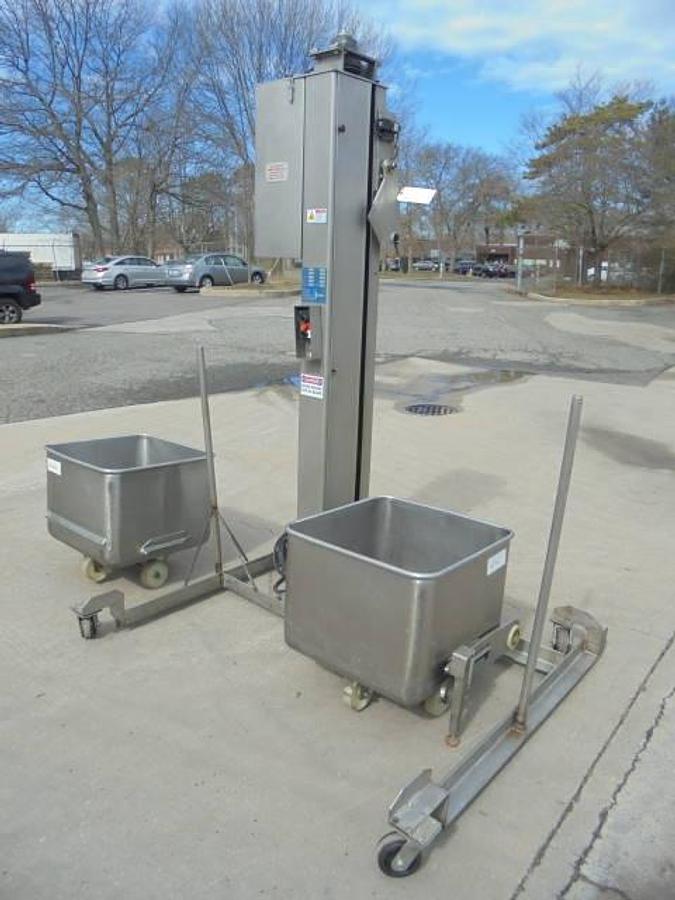
Robert Reiser produces a wide range of food processing and packaging machinery, and most of their major product lines appear regularly in the used equipment market. The most commonly traded machines include Vemag portioners and depositors, Ross vacuum packaging systems, Supervac chamber machines, Berkel slicers, and various filling and forming equipment. You'll also find auxiliary items like column lifters, cart dumpers, and stainless steel handling equipment that support production lines in food plants.
Because Robert Reiser serves such a broad range of food manufacturing applications, the used inventory at any given time tends to be varied. Buyers from meat processing, seafood packing, deli operations, and cheese production all look for different configurations, so it's worth checking with dealers regularly or setting up alerts if you're looking for a specific model. Machines are typically listed with model numbers and basic specifications, but reaching out to the dealer directly is the best way to get full details on a particular unit's condition and history.
What industries use Robert Reiser equipment?
Robert Reiser has built its reputation primarily in the food processing and food packaging industries. Their equipment is especially prevalent in meat and poultry processing, seafood packing, deli and charcuterie production, and cheese manufacturing. The vacuum packaging systems are widely used anywhere extended shelf life and product presentation are priorities, while the portioning and forming machines are staples in high-volume protein processing facilities.
Beyond those core sectors, Robert Reiser equipment also sees use in prepared foods manufacturing, pet food production, and other applications where precise depositing, filling, or vacuum sealing is required. The brand's focus on hygienic design and stainless steel construction makes the machines well-suited for any environment that requires frequent washdowns and strict sanitation protocols. This broad applicability is one reason used Robert Reiser machines hold their value and stay in demand across multiple segments of the food industry.
What should buyers know about purchasing used Robert Reiser equipment without a warranty?
Used equipment is typically sold on an as-is basis, meaning there is no manufacturer warranty attached to the transaction. This places the responsibility of due diligence squarely on the buyer. The most important step is selecting a reputable used equipment dealer with a demonstrated track record in the food processing and packaging machinery space. Dealers who specialize in this industry will have a better understanding of what to look for in a Reiser machine and will generally be more transparent about a unit's condition.
Before committing to a purchase, buyers should request an inspection, either in person, via video call, or through detailed video footage of the machine in its current state. Some machines may still be installed and running in a facility, which gives a clearer picture of operating condition. It's also worth contacting Robert Reiser directly to ask about parts availability and technical support for the specific model you're considering, since age and model generation can affect what level of manufacturer support remains accessible.
How should buyers inspect used Robert Reiser machines before purchasing?
A thorough inspection is the most important step in buying used food processing equipment. Reputable dealers will typically offer multiple inspection options: an in-person visit to the dealer's facility or the plant where the machine is currently installed, a live video walkthrough via video call, or pre-recorded video footage showing the machine's key components and overall condition. The goal is to get an accurate picture of the machine's working order before any money changes hands.
When inspecting a Reiser machine, pay close attention to the condition of sealing bars and vacuum chambers on packaging equipment, the state of auger flights and hoppers on portioners, and the overall integrity of stainless steel surfaces and frames. Ask the dealer about the machine's service history if that information is available. Keep in mind that most used equipment dealers are not set up to run full production tests, since operating a food production line requires separate permitting and facilities. An inspection can confirm mechanical condition, but buyers should factor in the cost of any startup maintenance or parts replacement when calculating the total cost of acquisition.
What is the typical price range for used Robert Reiser equipment?
Pricing for used Robert Reiser equipment varies considerably depending on the machine type, model generation, age, and overall condition. Entry-level or auxiliary items like cart dumpers and column lifters can be found at relatively modest price points, while high-capacity Vemag portioners, Ross thermoformers, or multi-lane vacuum packaging systems can run well into the tens of thousands of dollars. The brand's strong reputation in the food industry means used Reiser equipment tends to hold its value better than many comparable brands.
Buyers should also account for costs beyond the listed price. Shipping, rigging, crating, and any refurbishment or parts replacement needed after delivery can add meaningfully to the total investment. Getting a clear picture of the machine's condition through inspection before purchase helps avoid surprises. Contacting the dealer for a full breakdown of landed costs, including packaging and freight, is a practical step before finalizing any purchase decision.
Are replacement parts available for older Robert Reiser machines?
Parts availability is one of the more important factors to research before buying any used food processing equipment, and it's worth a direct conversation with Robert Reiser's service team about the specific model you're considering. Generally speaking, Robert Reiser has maintained a strong parts and service network, and many of their machine lines have had long production runs, which means parts for a range of models remain accessible. That said, availability can vary based on how old the machine is and whether the model has been discontinued.
For older or less common models, buyers may need to source certain components through third-party suppliers or have parts fabricated. This is worth factoring into the total cost of ownership. A dealer who specializes in food processing equipment will often have practical knowledge about which models are well-supported and which may present parts challenges, so asking that question directly during the buying process is time well spent.
How long do Robert Reiser machines typically last?
Robert Reiser equipment has a well-earned reputation for durability. Machines built to food industry standards, with heavy-gauge stainless steel construction and industrial-grade components, routinely remain in service for 15 to 25 years or more when properly maintained. It's not unusual to find Reiser vacuum packaging systems or Vemag portioners that are 20-plus years old still performing reliably in active production facilities, which is a testament to the build quality.
Longevity depends heavily on maintenance history, the intensity of use, and how well the machine was cleaned and serviced over its life. A machine from a well-run facility with documented preventive maintenance will typically be in significantly better shape than one that saw heavy use with minimal upkeep. When evaluating a used Reiser machine, asking about its production history and any major repairs or component replacements gives a clearer sense of how much useful life remains.
Can used Robert Reiser equipment be integrated into an existing production line?
Robert Reiser designs its equipment with industrial food production environments in mind, and most machines are built to work within larger processing lines rather than as standalone units. Vemag portioners, for example, are commonly paired with downstream forming, linking, or portioning attachments, and vacuum packaging machines are often integrated with conveyors, label applicators, and case packers. The modular nature of many Reiser product lines makes integration into existing setups reasonably practical.
That said, compatibility depends on the specific models involved, the age of the equipment, and the configuration of your current line. Electrical requirements, conveyor heights, throughput speeds, and control system compatibility are all factors to verify before purchase. Consulting with a qualified food equipment technician or the machine's manufacturer about integration requirements is a smart step, particularly when buying used equipment where the original installation documentation may not be available.
What are the shipping and logistics considerations when buying used Robert Reiser equipment?
Shipping food processing machinery requires more planning than standard freight. Robert Reiser equipment, particularly larger vacuum packaging systems, thermoformers, or portioners, can be heavy and awkwardly sized, which means proper crating or palletization is essential to prevent damage in transit. The level of packaging required will affect shipping costs, and buyers should ask dealers specifically about how a machine will be prepared for transport before agreeing to a price.
Larger machines will typically require professional rigging for both loading at the origin and unloading at the destination. This is an added cost that buyers should budget for in advance. Freight rates vary based on distance, machine weight and dimensions, and whether liftgate service or dock-to-dock delivery is needed. Getting a full breakdown of all landed costs, including packaging, rigging, and freight, before finalizing a purchase helps avoid unexpected expenses after the deal is done.
What payment terms are typical when buying used Robert Reiser equipment?
Most used equipment dealers require full payment before a machine is released for shipping. This is standard practice in the industry and reflects the logistics of coordinating freight, rigging, and scheduling around confirmed transactions. Payment is typically accepted via wire transfer, though some dealers may accept other forms depending on the transaction size and the buyer's relationship with the dealer.
Repeat customers or buyers with an established relationship with a dealer may occasionally be able to negotiate terms, but this is the exception rather than the rule for most transactions. Buyers who are new to a particular dealer should expect to pay in full upfront. It's worth asking about the payment process early in the conversation so there are no surprises when it comes time to close the deal.