Category
Manufacturer
Model
Rmt
Rmt focuses on providing equipment for the pharmaceutical and cosmetics industries, offering machines that ensure high standards of hygiene and efficiency. Their product range includes filling and packaging systems tailored for sensitive applications.
FAQ:
What types of pharmaceutical packaging equipment does RMT manufacture?
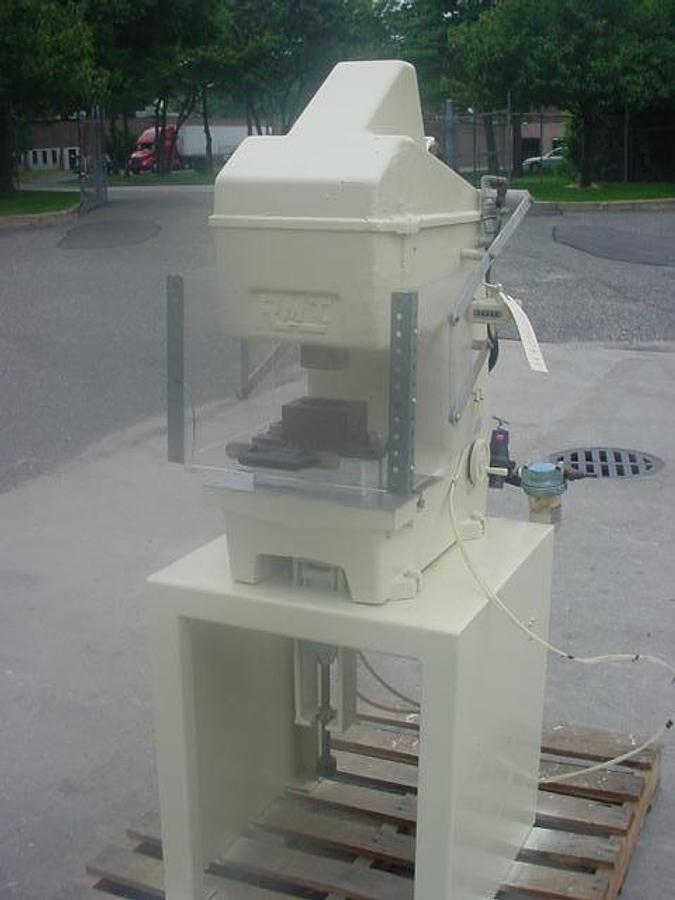
RMT produces machinery designed specifically for the pharmaceutical and cosmetics industries, with a focus on applications that demand high hygiene standards and consistent output quality. Their product range covers filling systems, packaging lines, and pressing equipment suited for sensitive formulations and regulated production environments. One example of their equipment is the RMT Single Head Soap Bar Press, which reflects their involvement in solid-dose and personal care product manufacturing alongside pharmaceutical applications.
On the broader pharmaceutical side, RMT equipment is recognized in the market for supporting operations such as blister packaging, bottle filling, cartoning, and labeling within cGMP-compliant facilities. Buyers sourcing used RMT machines typically look for units that fit into existing production lines handling tablets, capsules, liquids, or semi-solid products. Because RMT builds for regulated industries, their machines tend to incorporate contact surfaces and mechanical designs that meet the cleanliness and documentation expectations common in pharmaceutical manufacturing.
What should buyers know about purchasing used RMT pharmaceutical packaging equipment versus buying from the manufacturer?
Buying used RMT pharmaceutical packaging equipment through a secondary market dealer is a fundamentally different transaction than purchasing through a manufacturer's sales channel. The most significant practical difference is that used equipment is sold as-is, meaning no manufacturer warranty transfers with the sale. The responsibility for assessing the machine's condition, mechanical integrity, and suitability for a specific application falls squarely on the buyer. This makes the reputation and industry specialization of the dealer a critical factor in the decision. Dealers with a long track record of selling pharmaceutical and packaging machinery are better positioned to accurately represent equipment condition and help buyers find machines appropriate for regulated environments.
Buyers should also consult directly with RMT or an authorized service network to understand what level of support is available for a specific model and serial number. Older machines may have limited parts availability or reduced manufacturer support, which affects long-term operating costs. Requesting a full inspection before purchase, either in person or via video, is strongly advisable. Some used machines may still be installed and running at a facility, which can provide a meaningful opportunity to observe the equipment under actual operating conditions before committing to a purchase.
How should buyers inspect used RMT packaging equipment before purchasing?
Inspection is one of the most important steps in any used pharmaceutical packaging equipment purchase, and reputable dealers typically offer several options to accommodate buyers at different stages of due diligence. In-person inspections allow a buyer or their technical representative to physically examine the machine, check wear on contact parts, review electrical panels, and assess overall mechanical condition. Video inspections and recorded walkthroughs are a practical alternative for buyers who cannot travel, and a thorough video capture from an experienced dealer can reveal a great deal about the machine's current state.
In some cases, used RMT equipment may still be installed and operating at the facility where it was originally used. When that is the situation, dealers can sometimes arrange an inspection at the production site, where the machine may even be observed running under real production conditions. One important limitation to keep in mind is that most used equipment dealers do not have the permitting or infrastructure to run actual pharmaceutical product through a machine during a demonstration. Testing is therefore typically limited to dry runs or mechanical operation checks. Buyers should factor this into their evaluation and, where possible, request maintenance logs, service records, or any available documentation on the machine's production history.
Does used RMT pharmaceutical packaging equipment comply with FDA, cGMP, and other regulatory standards?
RMT designs its equipment for pharmaceutical and cosmetics applications, which means the machines are built with regulatory compliance in mind from a mechanical and hygienic design standpoint. Features such as stainless steel contact surfaces, cleanable components, and documentation-friendly construction are common characteristics of pharmaceutical-grade packaging equipment from manufacturers like RMT. However, when purchasing a used machine, compliance status is not automatically inherited. A machine that was compliant in its previous production environment must be re-qualified in the buyer's facility before it can be used in regulated production.
For FDA 21 CFR Part 11, EU Annex 1, and cGMP requirements, buyers of used equipment typically need to conduct their own qualification process, including installation qualification (IQ), operational qualification (OQ), and performance qualification (PQ). Documentation from the machine's previous owner, such as prior validation packages or maintenance records, can provide a useful starting point but does not substitute for a formal re-qualification. Buyers should work with their quality and regulatory teams early in the evaluation process to determine what documentation will be required and whether the specific RMT model under consideration can realistically support their compliance needs.
What validation documentation should buyers expect when acquiring used RMT pharmaceutical packaging equipment?
Validation documentation is a central concern for any pharmaceutical manufacturer integrating packaging equipment into a regulated production environment. For used equipment, the documentation situation is more variable than it would be with a machine purchased directly through a manufacturer's channel. In the best case, a used RMT machine may come with prior IQ, OQ, or PQ protocols from its previous installation, along with calibration records, maintenance logs, and equipment manuals. This kind of documentation can meaningfully reduce the time and cost of re-qualification in a new facility.
In practice, however, used equipment often arrives with incomplete or no prior validation records, and buyers should plan accordingly. The purchasing facility's quality team will typically need to develop new IQ/OQ/PQ protocols based on the machine's current configuration and the intended application. Equipment manuals and technical specifications, which dealers may be able to provide or help locate, are essential inputs to this process. Buyers should ask dealers specifically what documentation is available for any RMT unit they are considering, and they should factor validation costs into the total cost of ownership calculation alongside purchase price, shipping, installation, and spare parts.
What is the typical price range for used RMT pharmaceutical packaging equipment?
Pricing for used RMT pharmaceutical packaging equipment varies considerably depending on the machine type, model complexity, age, condition, and current market demand. Simpler single-function units, such as a single-head pressing machine, will generally sit at a lower price point than multi-station filling or blister packaging lines. The condition of the equipment, including hours of operation, wear on tooling and contact parts, and whether the machine has been recently serviced or refurbished, can shift pricing significantly within any given category.
Beyond the listed sale price, buyers should account for the full landed cost of the equipment. Shipping charges depend on machine size and weight, the level of crating or palletization required to protect the equipment in transit, and whether specialized rigging is needed for loading and unloading. Larger pharmaceutical packaging lines may require heavy-duty rigging services that add meaningfully to the total acquisition cost. On top of logistics, buyers should budget for installation, any necessary reconditioning, spare parts procurement, and the qualification work required before the machine enters regulated production. When all of these factors are included, the total cost of ownership for used pharmaceutical packaging equipment can be substantially higher than the purchase price alone.
What are the shipping and logistics considerations for used RMT pharmaceutical packaging equipment?
Shipping pharmaceutical packaging machinery requires careful planning, particularly because these machines often contain precision components, electronic controls, and tooling that can be damaged if not properly secured for transport. Dealers typically offer varying levels of packaging, from basic palletization to full custom crating, and the cost will reflect the level of protection required for a given machine's size and fragility. Buyers should ask for a clear breakdown of packaging, crating, and rigging costs before finalizing a purchase so there are no surprises in the final landed price.
For larger RMT packaging lines or heavier equipment, specialized rigging is often required for both loading at the dealer's location and unloading at the buyer's facility. This can involve forklifts, cranes, or rigging crews with industrial machinery experience, all of which carry additional costs. International shipments introduce further complexity, including customs documentation, import duties, and compliance with destination country regulations on used pharmaceutical equipment. Buyers should clarify with the dealer who is responsible for coordinating freight, whether the sale is quoted FOB origin or delivered, and what insurance coverage applies to the equipment during transit.
What payment terms are typical when buying used pharmaceutical packaging equipment?
Payment practices in the used pharmaceutical equipment market are fairly consistent across reputable dealers. The standard expectation is full payment prior to shipment. This protects the dealer from the risks associated with releasing high-value industrial machinery before funds are confirmed, and it is the norm rather than the exception in this segment of the market. Buyers who are unfamiliar with this practice sometimes find it surprising, but it is a well-established convention for used capital equipment transactions.
Some dealers may extend alternative payment arrangements, such as partial deposits with balance due before shipping, or terms for established customers with a history of repeat purchases. These situations are handled on a case-by-case basis and are not a standard offering. Buyers should ask about payment options early in the negotiation process and factor payment timing into their procurement planning. Wire transfer is the most common payment method for transactions of this size, though specific accepted methods will vary by dealer. Buyers should also confirm the currency in which the transaction will be settled, particularly for cross-border purchases.
How does serialization and track-and-trace capability factor into evaluating used RMT packaging equipment?
Serialization and track-and-trace integration has become a significant consideration for pharmaceutical manufacturers operating in markets covered by regulations such as the US Drug Supply Chain Security Act (DSCSA) or the EU Falsified Medicines Directive (FMD). These regulations require that individual saleable units carry unique identifiers that can be tracked through the supply chain, which means packaging equipment must be capable of interfacing with serialization hardware and software systems. For buyers evaluating used RMT equipment, this is a meaningful technical question that goes beyond basic mechanical condition.
Used pharmaceutical packaging machines vary widely in their serialization readiness. Older machines may lack the communication ports, conveyor integration points, or control system architecture needed to connect with modern track-and-trace platforms without significant modification. Buyers should review the control system specifications of any used RMT unit they are considering and consult with their serialization technology vendor to assess compatibility. In some cases, retrofitting older equipment is feasible and cost-effective; in others, the machine's architecture makes integration impractical. Understanding serialization compatibility early in the evaluation process can prevent costly surprises after the equipment has already been purchased and shipped.
What materials and product formats are compatible with RMT pharmaceutical packaging machines?
RMT builds equipment for the pharmaceutical and cosmetics industries, which means their machines are designed to handle product formats and packaging materials common in those sectors. Depending on the specific machine type, compatible applications can include solid-dose forms such as tablets and bars, liquid or semi-liquid fills, and various packaging substrates including films, foils, bottles, and cartons. The RMT Single Head Soap Bar Press, for example, is suited for solid bar products in personal care or pharmaceutical soap applications, illustrating the range of form factors their equipment addresses.
For buyers sourcing used RMT equipment, it is important to match the specific machine model to the intended product and packaging format. Contact part materials, tooling dimensions, fill volume ranges, and sealing mechanisms all determine what a given machine can process. Stainless steel and pharmaceutical-grade materials are standard for product-contact components on equipment designed for regulated applications. Buyers should request detailed specifications for any used unit under consideration, including tooling included with the sale, to confirm the machine is configured for their product type without requiring extensive retooling or modification.