Category
Manufacturer
Model
Rietz
Rietz focuses on the food processing industry, offering a range of machines that are particularly effective for drying and evaporating applications. Their equipment is known for its efficiency and ability to handle various food products, making them a reliable choice for manufacturers.
FAQ:
What types of Rietz food processing equipment are commonly available on the used market?
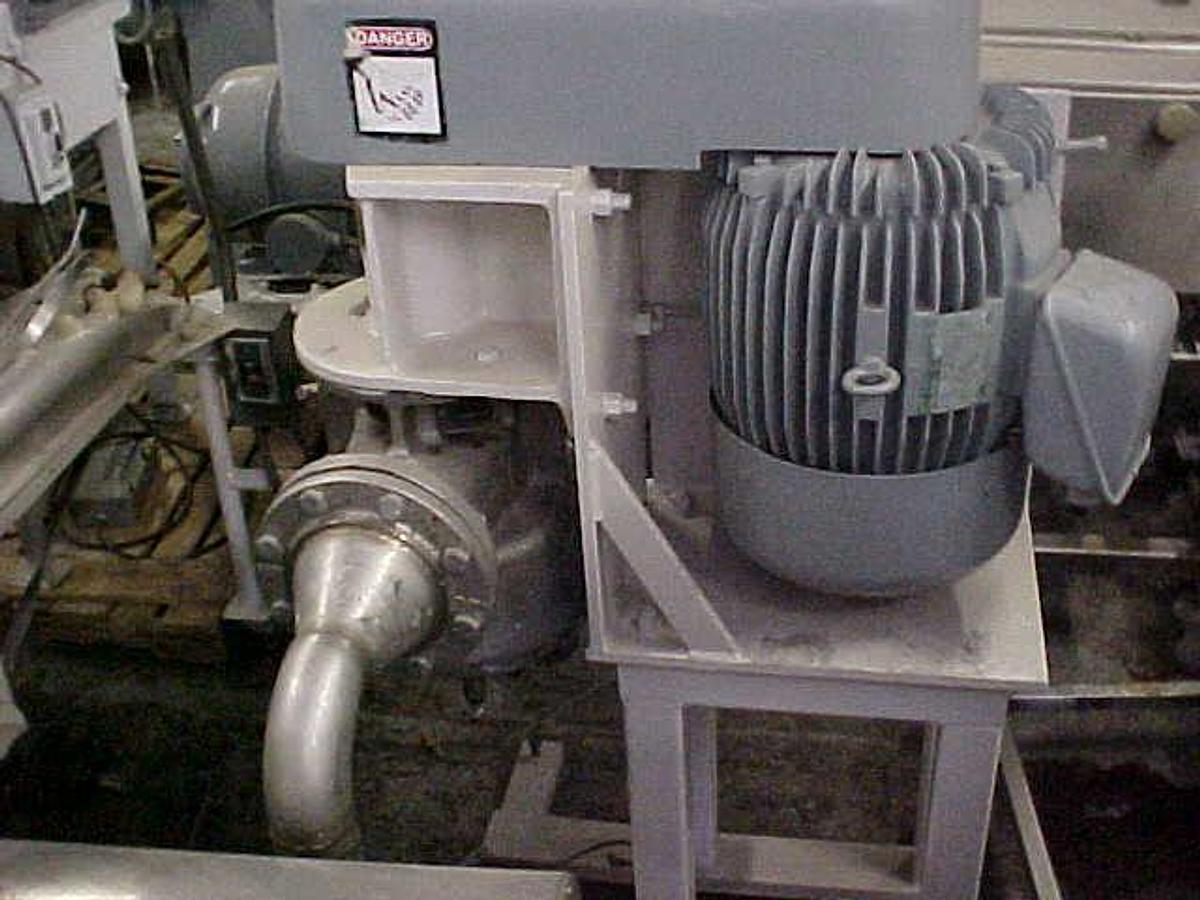
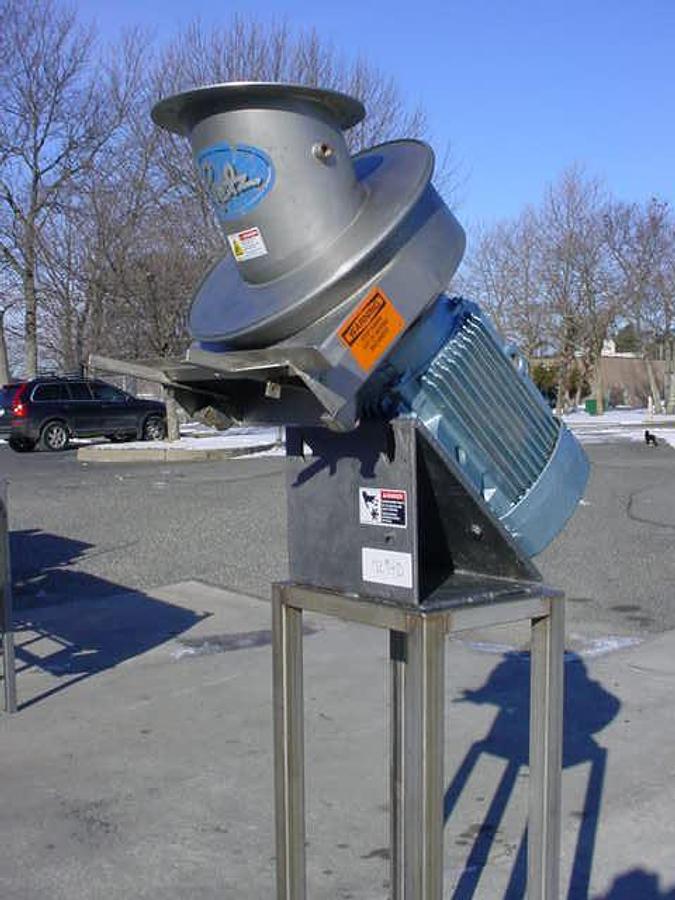
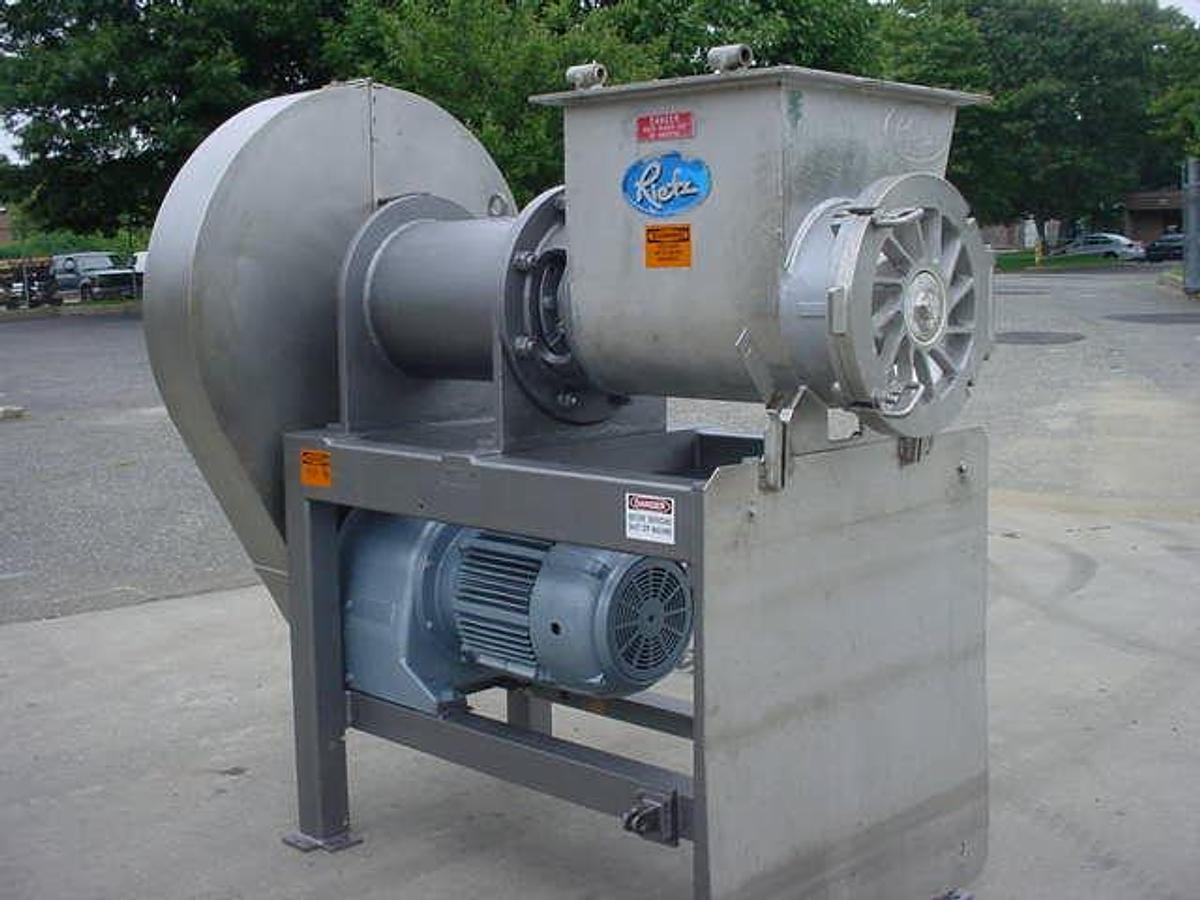
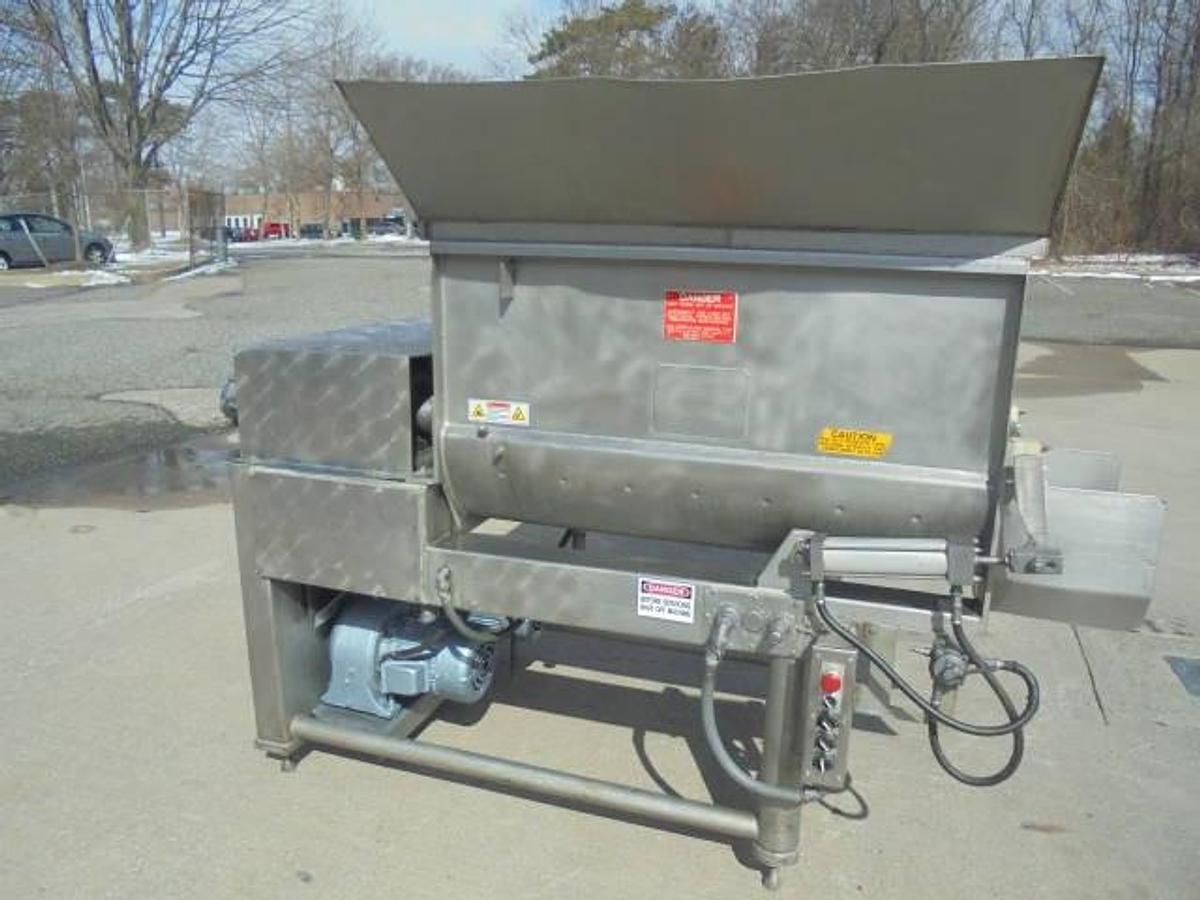
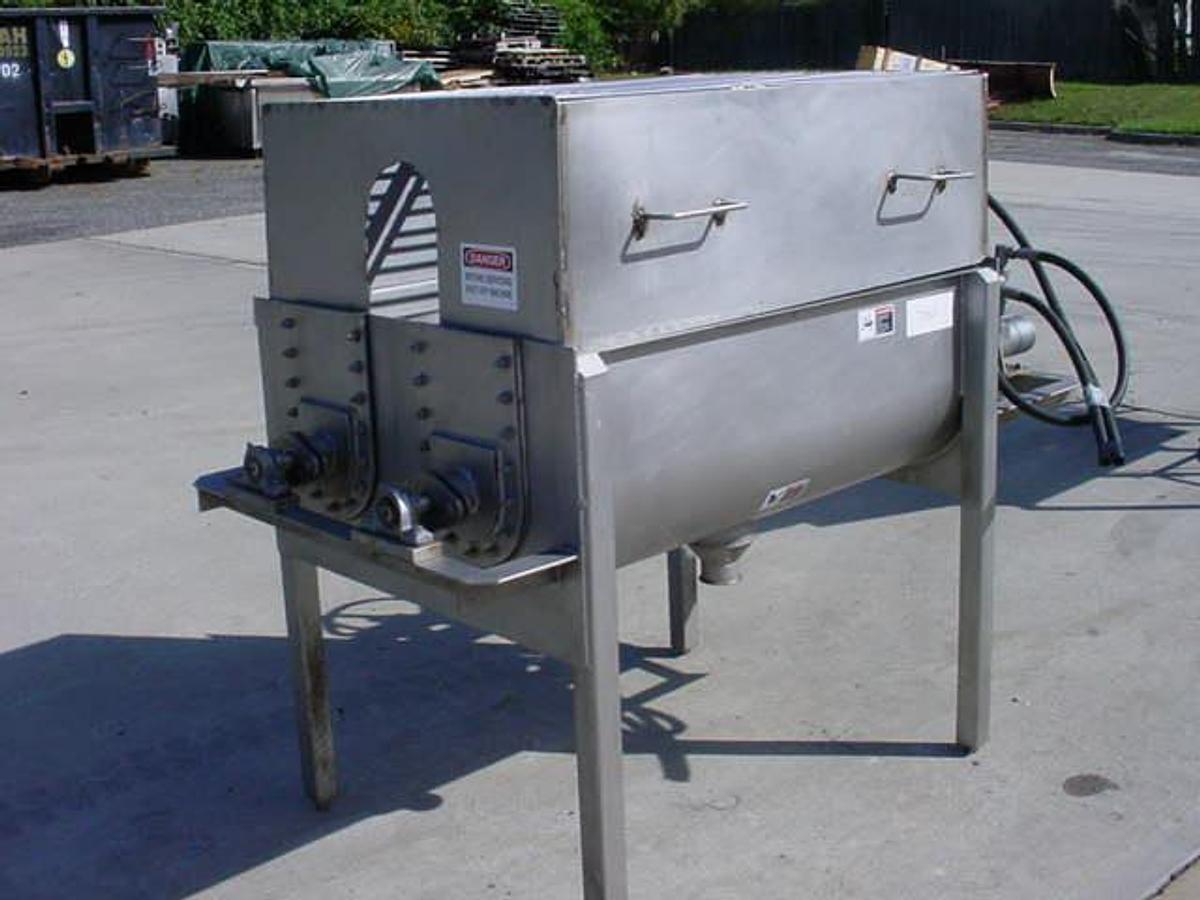
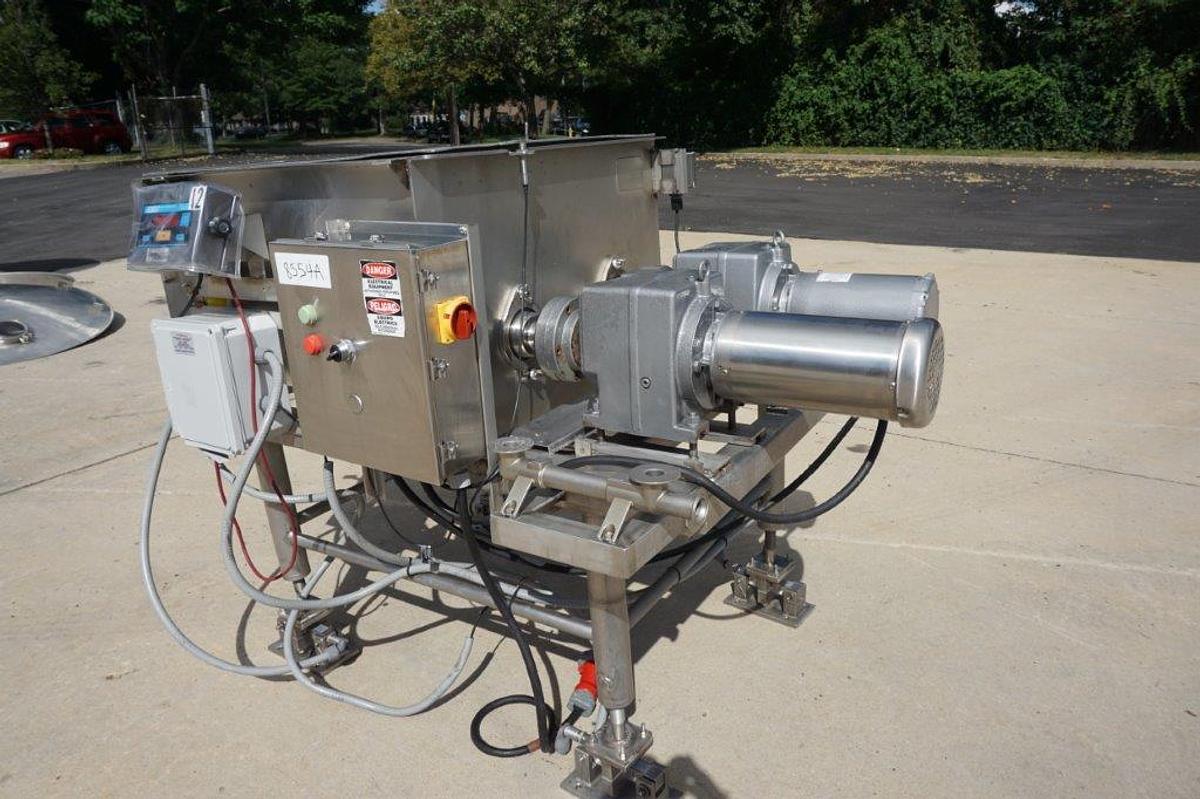
The used Rietz equipment market includes a fairly wide range of machines, with the most commonly found models being disintegrators (the RP series), extructors, twin shaft screw blenders, ribbon blenders, inline disintegrators, and angle disintegrators. You'll also find Rietz Tornado mills, pulpers, and finishers in circulation, depending on what's been decommissioned from production facilities at any given time. Many of these machines are constructed from stainless steel, which contributes to their longevity and makes them well-suited for food-grade environments.
The availability of specific models shifts constantly as equipment comes off production lines and enters the resale market. Buyers looking for a particular configuration, such as a jacketed twin screw horizontal blender or a specific horsepower disintegrator, may need to work with a dealer who can source the right unit. Because Rietz built machines that routinely last 20 to 30 years or more with proper maintenance, used units in good working condition are not uncommon, and the variety on the market at any given time reflects decades of production across multiple model lines.
What is the difference between a Rietz Disintegrator and a Rietz Extructor?
A Rietz Disintegrator is a size-reduction machine designed to break down fibrous, tough, or high-moisture food materials into a finer, more uniform consistency. It uses a high-speed rotor with impeller pins or blades that impact and shear the product as it passes through the machine. Disintegrators in the RP series are particularly valued in applications where conventional grinders or mills struggle, such as processing fruit pulp, tomato products, meat by-products, or other materials with significant fiber or moisture content.
The Rietz Extructor serves a different function. It is primarily used for extracting juice or liquid from fruits and vegetables, or for separating pulp from seeds, skins, and other solids. The Extructor operates by forcing product through a screen or perforated cylinder, which separates the usable liquid or fine pulp from coarser waste material. In practical terms, a disintegrator reduces particle size while an extructor separates components. Some processing lines use both in sequence, first disintegrating the raw material and then running it through an extructor to recover the liquid or refined pulp fraction.
What industries and applications is Rietz equipment best suited for?
Rietz equipment was built specifically for the food processing industry, and that focus is evident in the design and material choices across their product lines. Their machines are widely used in fruit and vegetable processing, tomato and sauce production, pet food manufacturing, meat and poultry by-product processing, and the production of jams, preserves, and condiments. The stainless steel construction and sanitary design of most Rietz machines make them appropriate for environments with strict hygiene requirements.
Beyond traditional food applications, Rietz equipment also sees use in processing agricultural by-products, animal feed ingredients, and certain chemical or industrial materials that share similar physical characteristics with food products. The disintegrators in particular are valued wherever a processing line needs to handle high-moisture or fibrous input materials that would clog or wear out less robust equipment. The brand's reputation for handling difficult materials at high throughput has kept demand for used Rietz machines steady across multiple sectors of the food and agricultural processing industries.
What should buyers know about the condition of used Rietz machines before purchasing?
Used Rietz equipment is sold as-is, which means the buyer takes on the responsibility of evaluating the machine's condition before committing to a purchase. Unlike buying directly from a manufacturer, there is no standardized refurbishment process that applies across all dealers, so the condition of any given machine can vary significantly depending on how it was maintained during its working life, how long it has been in storage, and whether any components have been replaced or repaired. Buyers should ask the dealer directly about the machine's history, including the application it was used for, how many hours it ran, and whether any major components have been serviced or replaced.
Reputable dealers will typically accommodate in-person inspections, virtual walkthroughs, or video documentation of the machine so the buyer can assess wear on wear plates, screen condition, shaft and bearing integrity, and the overall state of the drive components. Some machines may still be installed and running at a production facility, which offers the best opportunity to observe the equipment under actual operating conditions. Keep in mind that most equipment dealers are not set up to run product through the machine during an inspection, as that requires food-grade production permitting that dealers generally do not hold. The inspection is focused on mechanical condition, not product output testing.
Are replacement parts and technical support still available for older Rietz machines?
The Rietz brand and many of its product lines were acquired by Bepex International, which continues to manufacture and support a number of legacy Rietz machine designs under its own brand. This means that for many Rietz models, there is still a path to sourcing replacement parts, wear components, and technical documentation through Bepex. Buyers considering a used Rietz machine should contact Bepex directly to confirm whether parts are available for the specific model and serial number they are evaluating, as support can vary depending on the age and configuration of the machine.
For older or less common Rietz models, parts availability may be more limited, and buyers may need to rely on third-party machining, aftermarket suppliers, or cannibalized parts from other used units. Before purchasing, it is worth asking the dealer whether any spare parts are included with the machine, as sellers sometimes have extra wear parts or consumables that came with the equipment when it was decommissioned. Consulting with Bepex or an experienced service technician familiar with Rietz equipment before finalizing a purchase is a practical step that can help buyers understand the long-term maintenance picture for a specific machine.
How do buyers determine what size or model of Rietz equipment is right for their production needs?
Sizing Rietz equipment correctly depends on several variables: the type of material being processed, the desired output rate (typically measured in pounds per hour or tons per day), the required finished particle size or screen size, and the moisture content and fiber level of the input material. Rietz disintegrators, for example, are available in multiple sizes denoted by rotor diameter, and the right size depends on throughput requirements and the physical characteristics of the product. A machine that is undersized for the application will bottleneck the line, while an oversized machine may not process the material efficiently at lower feed rates.
Buyers who are not familiar with Rietz equipment sizing should consult with the dealer, who may be able to provide specifications sheets or connect them with a process engineer. It is also worth reaching out to Bepex International, which inherited the Rietz engineering knowledge base and may be able to offer guidance on matching legacy Rietz models to specific applications. If possible, reviewing the original application the used machine was built for can be a useful starting point, since machines that were already running a similar product in a similar capacity are more likely to be a good fit without significant modification.
What is the typical price range for used Rietz food processing equipment?
Pricing for used Rietz equipment varies considerably depending on the model, size, condition, and how the machine is configured. Smaller units such as bench-scale or pilot-size disintegrators may be available for a few thousand dollars, while larger production-scale machines with higher horsepower motors and stainless steel construction can run into the tens of thousands. Specialized configurations, such as jacketed blenders or inline disintegrators with custom screen assemblies, tend to command higher prices because of the added material and engineering that went into them.
Buyers should also factor in costs beyond the purchase price itself. Shipping, rigging, and crating for larger machines can add a meaningful amount to the total landed cost, particularly for heavy equipment that requires a crane or forklift for loading and unloading. If the machine needs reconditioning, new wear parts, or motor work after purchase, those costs should be estimated before comparing the used price against alternatives. Getting a clear picture of the full cost to get the machine running in your facility is a more useful number than the listed sale price alone.
What should buyers understand about shipping and logistics for used Rietz equipment?
Rietz food processing machines range from relatively compact units to large, heavy production machines, and the shipping requirements differ accordingly. Smaller machines may ship on a standard pallet with appropriate blocking and bracing, while larger disintegrators, blenders, or extructors typically require custom crating to prevent damage during freight handling. The level of packaging required directly affects shipping costs, so buyers should ask the dealer for a detailed breakdown of crating, rigging, and freight charges before finalizing the purchase. Understanding the full landed cost upfront avoids surprises after the sale is complete.
For heavier machines, loading at the dealer's facility and unloading at the buyer's facility may require a forklift, crane, or other rigging equipment, and those costs are usually the buyer's responsibility at the receiving end. Buyers should confirm in advance what equipment will be needed to offload the machine and whether their facility is set up to handle it safely. International shipments add additional considerations including customs documentation, import duties, and compliance with destination country regulations. Working with a freight broker or logistics provider experienced in industrial machinery can help simplify the process and reduce the risk of damage or delays.
What are the typical payment terms when purchasing used Rietz equipment from a dealer?
Most used equipment dealers require payment in full before a machine is released for shipping. This is standard practice in the industry and reflects the fact that used machinery transactions typically do not involve the same credit infrastructure as purchasing through a manufacturer or distributor. Buyers who are working with a dealer for the first time should expect to pay the full purchase price, plus any agreed-upon crating or rigging charges, prior to the machine leaving the seller's facility.
Some dealers may offer payment terms to buyers with whom they have an established relationship and a track record of prior transactions. Financing through third-party equipment lenders is another option that buyers sometimes arrange independently, using the purchased machine as collateral. If financing is needed, it is worth lining up that arrangement before making an offer, since most dealers will not hold a machine for an extended period without a deposit or payment commitment. Asking the dealer about accepted payment methods, deposit requirements, and any available terms early in the conversation helps avoid delays once a machine has been identified.
Why is Rietz equipment considered a long-lasting choice for food processing applications?
Rietz built its machines with heavy-duty stainless steel construction as a standard feature across most of its product lines, which contributes directly to the longevity seen in the field. Stainless steel resists corrosion from high-moisture food products, acidic materials, and the cleaning chemicals used in food processing environments. The mechanical design of Rietz disintegrators, blenders, and extructors also tends to be straightforward and serviceable, meaning that worn components like screens, wear plates, and bearings can be replaced without requiring the entire machine to be scrapped. This repairability is a significant factor in why Rietz equipment from decades ago continues to appear in working production facilities today.
The brand's focus on handling difficult materials, including fibrous fruits and vegetables, high-moisture by-products, and tough agricultural inputs, also meant that the machines were engineered with more robust tolerances than lighter-duty alternatives. Equipment that was designed to handle challenging feed materials without excessive wear tends to hold up well even in demanding production environments over many years. Buyers evaluating used Rietz machines that have been properly maintained often find that the core mechanical components are still in serviceable condition, even on machines that have been running for 20 or 30 years.