Category
Manufacturer
Model
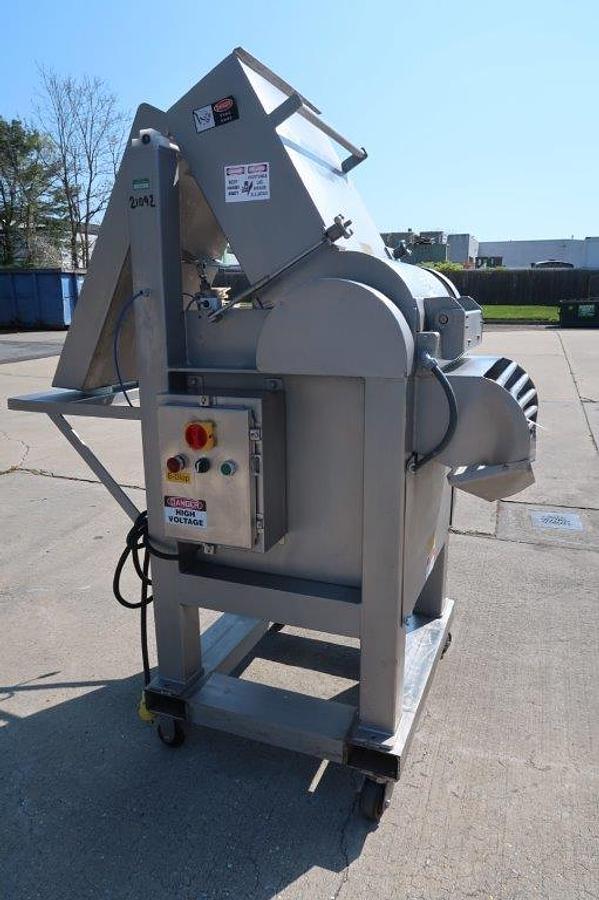
Reiser Rotoclaw
Reiser Rotoclaw is a brand under Reiser that focuses specifically on high-performance slicing equipment for the meat and cheese industries. Their machines are known for their precision and ability to handle various product shapes and sizes.
FAQ:
What is a Reiser Rotoclaw and what is it used for?
The Reiser Rotoclaw is a specialized clipping and closing machine manufactured by Robert Reiser & Co., a globally recognized name in food processing and packaging equipment. The Rotoclaw line uses a rotary clipping mechanism to apply metal clips or closures to netting, casings, and bags at high speeds, making it a practical choice for high-volume production environments. It is widely used across the meat, poultry, seafood, and deli processing industries, where consistent, reliable closures are critical to product quality and packaging integrity.
One specific model worth noting is the Reiser Rotoclaw II Frozen Block Breaker/Flaker/Chipper, which serves a different but related function in food processing: breaking down frozen blocks of meat or other food products into smaller, more manageable pieces for further processing. This reflects the broader Rotoclaw brand identity under Reiser, which covers high-performance equipment designed for precision and durability across various meat and cheese industry applications. The machines are built to food-grade standards with stainless steel construction, supporting compliance with USDA, FDA, and HACCP requirements.
What is the Reiser Rotoclaw II Frozen Block Breaker used for in food processing?
The Reiser Rotoclaw II Frozen Block Breaker/Flaker/Chipper is designed to reduce large frozen blocks of meat or other food products into smaller flakes, chips, or broken pieces that can be fed into downstream processing equipment. In meat processing facilities, raw material often arrives in large frozen blocks, and breaking those down efficiently without thawing is essential for maintaining product quality, reducing bacterial growth risk, and keeping production lines moving at full speed. The Rotoclaw II handles this task mechanically, minimizing the need for manual labor and reducing processing time.
This type of equipment is particularly valuable in facilities producing ground meat, sausage, burger patties, or processed meat blends, where consistent particle size from the frozen state directly affects the final product texture. The machine's design reflects Reiser's focus on precision and the ability to handle various product shapes and sizes, which is a hallmark of the Rotoclaw line. Buyers sourcing a used Rotoclaw II should pay close attention to the condition of the breaking/chipping components, as these are the highest-wear parts of the machine and directly affect output consistency.
What should buyers know about purchasing used Reiser Rotoclaw equipment?
Used Reiser Rotoclaw machines are available through third-party dealers who specialize in food processing equipment. Buying used rather than purchasing from the manufacturer directly can offer meaningful cost savings, which makes it an attractive option for facilities looking to expand capacity or replace aging equipment without the capital outlay of purchasing a machine through standard commercial channels. Because Reiser is a well-established brand with a strong reputation for durability, used machines often retain considerable functional value even after years of production use.
That said, buyers should approach used equipment purchases carefully. Used machines are typically sold as-is, which places the responsibility of inspection on the buyer. Selecting a dealer with a long track record in food processing equipment is important, as is requesting an inspection before committing to a purchase. Most reputable dealers can accommodate in-person visits or video inspections to give buyers an accurate picture of the machine's current condition. It is also worth contacting Reiser directly to understand what level of parts availability and technical support to expect for the specific model and age of the machine being considered, since older models may have more limited support options.
How should buyers inspect a used Reiser Rotoclaw before purchasing?
Inspecting a used Reiser Rotoclaw before purchase is one of the most important steps in the buying process. Reputable used equipment dealers will typically offer inspection options that include in-person visits to the dealer's facility, video walkthroughs, or video captures of the machine that document its current condition. In some cases, the equipment may still be installed and running at a production facility, in which case the dealer can arrange access between the buyer and the facility owner for a more thorough evaluation. If the machine is in active production, buyers may be able to observe it running under real conditions, which is the most informative scenario possible.
Buyers should focus their inspection on the mechanical components most subject to wear, including the clipping mechanism, drive systems, and any cutting or breaking components depending on the model. Stainless steel frames and housings are generally more resilient, but internal parts, seals, and tooling should be evaluated closely. Keep in mind that most used equipment dealers are not set up to run full production tests with actual product, as that would require different facility permitting. The goal of the inspection is to get a clear, honest picture of the machine's mechanical condition and any maintenance or repairs that may be needed before putting it back into production.
What is the typical price range for used Reiser Rotoclaw equipment?
Pricing for used Reiser Rotoclaw equipment varies considerably depending on the model, age, condition, and included tooling or accessories. Simpler or older models will generally come in at lower price points, while more capable or recently decommissioned machines in good working condition will command higher prices. Because Reiser equipment is built to a high standard and tends to have a long service life, used machines often hold their value better than comparable equipment from less established manufacturers, which is reflected in secondary market pricing.
Buyers should factor in more than just the listed sale price when calculating the true cost of acquiring a used Reiser Rotoclaw. Shipping, rigging, crating, and any reconditioning or tooling costs can add meaningfully to the total. Freight for heavier industrial equipment often requires specialized rigging for loading and unloading, and those costs should be confirmed with the dealer upfront. Getting a clear picture of the full landed cost before committing to a purchase helps avoid surprises and allows for a more accurate comparison between available machines.
What are the shipping and logistics considerations for buying used Reiser Rotoclaw equipment?
Shipping industrial food processing equipment like the Reiser Rotoclaw requires more planning than standard freight. These machines are heavy, often require custom crating or palletization to prevent damage in transit, and may need specialized rigging for loading at the seller's location and unloading at the buyer's facility. The level of packaging required will affect shipping costs, and buyers should ask dealers specifically what packaging is included and what additional crating or bracing may be recommended for the size and weight of the machine being purchased.
For larger or heavier Rotoclaw models, flatbed transport or heavy-duty freight services may be necessary, and both the origin and destination facilities need to have appropriate equipment for unloading, such as a forklift or loading dock. Buyers should request a detailed breakdown of all shipping-related costs from the dealer before finalizing a purchase, including rigging fees, freight charges, and any destination handling costs. Understanding the full landed cost of the machine, not just the purchase price, is essential for accurate budgeting and avoiding unexpected expenses after the sale is complete.
What payment terms are typical when buying used Reiser Rotoclaw equipment from a dealer?
Most used equipment dealers require full payment before a machine is released for shipping. This is standard practice in the used machinery market and applies regardless of the equipment type or brand. For buyers who are unfamiliar with a particular dealer, this means due diligence on the dealer's reputation and history is especially important before transferring funds. Selecting a dealer with a long, verifiable track record in food processing equipment sales reduces the risk associated with prepayment.
Some dealers may offer extended payment terms to repeat customers or buyers with an established relationship, but this is not the norm for first-time transactions. Buyers should ask about accepted payment methods, any deposit requirements to hold a machine while financing or logistics are arranged, and the timeline between payment and shipment. Getting all terms in writing before payment is made is a basic but critical step in protecting the buyer's interests in any used equipment transaction.
How does the Reiser Rotoclaw compare to other clipping and closing equipment on the market?
Reiser is widely regarded as one of the more reliable and precision-focused manufacturers in the food packaging equipment space. The Rotoclaw line specifically is known for its ability to handle a variety of product shapes, sizes, and packaging formats at high throughput speeds, which gives it an advantage in facilities running diverse product lines or high-volume operations. The rotary clipping mechanism is designed for consistency, which reduces clip failure rates and the product waste that comes with them. This reliability is one of the main reasons used Reiser Rotoclaw machines remain in demand on the secondary market even after years of service.
Alternative clipping and closing systems from other manufacturers may offer lower upfront costs, but buyers should weigh that against factors like parts availability, technical support, and the long-term cost of ownership. Reiser's global presence and established dealer and service network generally make it easier to source parts and support compared to less prominent brands. For facilities already running Reiser equipment, adding a used Rotoclaw can also simplify maintenance and operator training since staff may already be familiar with the brand's mechanical conventions and service requirements.
What industries and applications are best suited for Reiser Rotoclaw equipment?
Reiser Rotoclaw equipment is primarily designed for the meat and cheese processing industries, where it handles tasks like applying clips to netting, casings, and packaging bags, or breaking down frozen raw material blocks depending on the specific model. Meat processors producing products like whole muscle roasts, hams, sausages, salami, and similar items packaged in netting or casing rely on clipping equipment to seal and present the product consistently. The Rotoclaw's precision and speed make it well suited for facilities where packaging consistency directly affects retail presentation and shelf appeal.
Beyond traditional red meat processing, the equipment is also used in poultry, seafood, and deli product operations. Any application that involves high-speed clipping of bags, netting, or casings at a commercial scale is a potential fit. For the Rotoclaw II Frozen Block Breaker model specifically, the application is more focused on upstream processing, where large frozen blocks of raw material need to be reduced before entering grinders, mixers, or other processing equipment. Buyers should match the specific model they are considering to their production requirements, as different Rotoclaw models serve meaningfully different functions within the overall processing workflow.
What parts and support should buyers expect for a used Reiser Rotoclaw machine?
Before purchasing a used Reiser Rotoclaw, it is worth reaching out directly to Robert Reiser & Co. to understand what level of parts availability and technical support exists for the specific model and production year being considered. Reiser is an established manufacturer with a broad installed base, and many models have parts support available through the manufacturer or authorized service channels. However, the age of a machine can affect what is readily available, and older models may require longer lead times for certain components or may rely on aftermarket parts sources.
Buyers should also ask the selling dealer about the current condition of high-wear components and whether any parts were recently replaced or are known to be near end of life. Having this information upfront allows buyers to budget for likely near-term maintenance costs. Because used equipment is sold as-is, the buyer takes on full responsibility for the machine's condition after purchase, making pre-sale parts research and inspection all the more important. Facilities with in-house maintenance capabilities or an existing relationship with a Reiser service technician are generally better positioned to manage ongoing upkeep of used equipment.