Category
Manufacturer
Model
Regev
Regev is a manufacturer of advanced automation solutions for the manufacturing sector. They are known for their robotic systems and integrated production lines that improve efficiency and reduce labor costs.
FAQ:
What types of equipment does Regev manufacture?
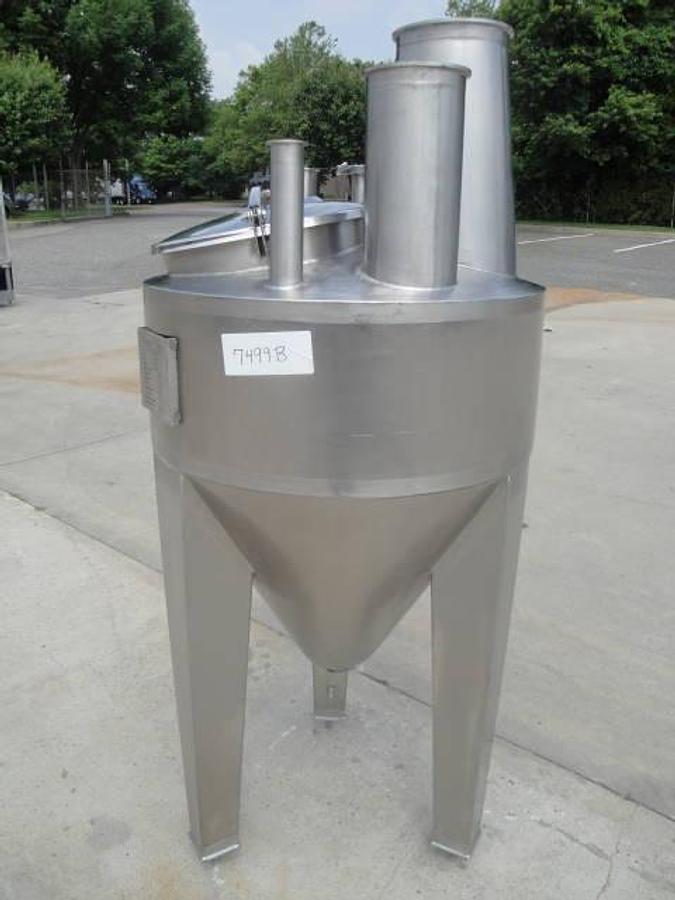
Regev is a manufacturer of advanced automation solutions aimed at the manufacturing sector. Their product line includes robotic systems and integrated production lines designed to improve operational efficiency and reduce labor costs on the factory floor. They also produce stainless steel processing tanks, such as cone bottom flash tanks, which are used in food processing, beverage production, and similar liquid-handling applications.
Because Regev spans both automation and process equipment, buyers from a range of industries, including food and beverage, pharmaceuticals, and general manufacturing, may find relevant machinery in their catalog. Used Regev equipment that comes to market tends to reflect this breadth, covering everything from robotic integration components to sanitary-grade stainless steel vessels built to handle precise temperature and pressure requirements.
What should I know about buying used Regev industrial equipment?
Purchasing used Regev machinery is meaningfully different from buying directly from a manufacturer. Used equipment is sold as-is, which means the buyer takes on the responsibility of assessing the machine's condition before committing to a purchase. This puts a premium on working with reputable dealers who have a demonstrated track record in industrial machinery and who specialize in the relevant equipment category, whether that is process tanks, automation systems, or production line components.
Before finalizing any purchase, buyers should request a thorough inspection, either in person or via video. Some machines may still be running in an active production facility, which can actually be an advantage since it allows the buyer to observe the equipment under real operating conditions. Others may be decommissioned and available for immediate removal. Either way, understanding the machine's service history, current condition, and any visible wear is essential to making a sound buying decision.
What is a stainless steel cone bottom flash tank, and what is it used for?
A cone bottom flash tank is a pressure vessel designed to handle rapid phase changes in liquid processing, typically the sudden conversion of pressurized hot liquid into steam and lower-temperature liquid when pressure is released. The cone-shaped bottom promotes complete drainage and minimizes product retention, which is critical in sanitary processing environments where residue buildup can create contamination risks. Regev's 304L stainless steel construction is particularly well suited for food-grade and pharmaceutical applications, as 304L is a low-carbon variant of 304 stainless that offers good corrosion resistance and is easier to weld without compromising the material's integrity.
These tanks are commonly used in breweries, dairy operations, chemical processing, and any facility that needs to manage flash evaporation or controlled pressure reduction in a liquid stream. A 50-gallon capacity, like the Regev unit available on the used market, is a practical size for pilot-scale production, small-batch processing, or as a secondary vessel in a larger system. Buyers evaluating a used flash tank should pay close attention to weld quality, surface finish, and the condition of any fittings, valves, or pressure relief components.
How do inspections work when buying used industrial equipment?
Most reputable used equipment dealers offer buyers at least one of three inspection options: an in-person visit to the equipment's location, a live video call walkthrough, or a recorded video of the machine that the buyer can review at their own pace. The goal in every case is to give the buyer an accurate picture of the equipment's current condition, including any cosmetic wear, mechanical issues, or missing components. For larger or more complex machines, an in-person inspection is almost always worth the travel cost, since it allows the buyer to examine welds, seals, electrical connections, and moving parts up close.
One important limitation to keep in mind is that used equipment dealers generally cannot perform full production runs to test machinery output. Running a machine in actual production requires facility permits, raw materials, and operational staffing that a dealer's warehouse or storage yard typically won't have. What dealers can usually demonstrate is whether a machine powers on, whether motors and drives respond correctly, and whether there are obvious mechanical deficiencies. Buyers who need a deeper operational assessment may want to arrange an inspection at the seller's facility if the machine is still in active use, or bring in an independent machinery appraiser or technician.
What industries commonly use Regev equipment?
Regev's product range touches several industrial sectors. Their robotic systems and integrated production lines are relevant to general manufacturing environments where automation is used to streamline assembly, handling, or packaging workflows. Their stainless steel process vessels, like the cone bottom flash tanks built from 304L SS, are particularly applicable to food and beverage processing, dairy operations, brewing, and pharmaceutical or nutraceutical production, where sanitary construction and reliable drainage are non-negotiable.
Buyers from smaller craft production facilities, contract manufacturers, and mid-size food processors are among the most common purchasers of used Regev tanks on the secondary market. The durability of stainless steel means that well-maintained equipment can have a long service life across multiple owners and facilities, making used Regev vessels a practical option for operations that need sanitary-grade equipment without the lead times or cost associated with sourcing purpose-built vessels.
What are typical payment terms for used industrial equipment purchases?
Payment practices in the used industrial equipment market are fairly standardized. Most dealers require payment in full before the equipment is released for shipping or pickup. This protects the seller from the risk of damage or loss during transit on an unpaid asset, and it is an industry-wide norm rather than a policy unique to any single dealer. Buyers who are repeat customers with an established relationship with a dealer may occasionally be offered extended terms, but that is the exception rather than the rule, especially for first-time transactions.
For buyers making a significant capital purchase, it is worth asking the dealer about acceptable payment methods early in the process. Wire transfers are the most common method for large equipment transactions. Some buyers also work with equipment financing companies that specialize in industrial machinery, which can spread the cost over time while allowing the dealer to receive full payment upfront. Getting clarity on payment expectations before an inspection saves time and avoids misunderstandings later in the transaction.
How is used industrial equipment typically shipped, and what costs should buyers expect?
Shipping industrial equipment is more involved than standard freight, and the costs can vary considerably depending on the size, weight, and fragility of the machine. Smaller items like a 50-gallon stainless steel tank may ship on a standard pallet with appropriate blocking and strapping, while larger machines or those with precision components may require custom crating to prevent damage in transit. The level of packaging directly affects the shipping cost, so buyers should ask the dealer specifically how the equipment will be prepared and what that preparation costs.
For heavy machinery, rigging is often a separate line item. Loading a machine onto a flatbed or into a container may require a crane, forklift, or specialized rigging crew, and the same applies on the receiving end if the buyer's facility is not equipped to unload heavy freight. Buyers should request a full landed cost breakdown from the dealer before committing, covering packaging, rigging, freight, and any required permits for oversized loads. Understanding the total delivered cost, not just the equipment price, is essential to accurately comparing options and budgeting for the purchase.
Can buyers get spare parts and service support for used Regev equipment?
Parts availability for used industrial equipment depends heavily on the age and model of the machine in question. For Regev equipment, as with any used machinery, buyers should contact the manufacturer directly to understand what level of support they can expect. Manufacturers often have minimum production run requirements before they'll produce replacement parts for older models, and some legacy machines may have limited or no parts availability through official channels. Getting this information before purchasing is a smart step that many buyers skip, only to face challenges later.
When manufacturer support is limited, buyers have a few alternatives. Third-party fabricators can often reproduce mechanical components from drawings or worn originals. For stainless steel vessels like flash tanks, local welding and fabrication shops can frequently repair or modify fittings, nozzles, and supports. For automation and robotic components, independent service technicians who specialize in a particular control system or drive type can often provide maintenance and repair outside of the manufacturer's support network. The key is to assess parts and service availability as part of the purchase decision, not after the equipment is already installed.
What should buyers evaluate before purchasing a used stainless steel processing tank?
A used stainless steel tank requires a more careful visual and physical inspection than many people expect. The most important things to look at are weld integrity, surface condition, and the state of any fittings or valves. Welds on a 304L stainless vessel should be smooth and fully penetrated with no visible porosity, cracking, or discoloration that might indicate heat damage or improper technique. Interior surfaces should be free of pitting, which can harbor bacteria in food-grade applications and is difficult to remediate without professional polishing or lining.
Buyers should also check all connections, including inlet and outlet nozzles, pressure relief ports, and any sight glasses or instrumentation ports, for thread condition, gasket wear, and signs of leakage or corrosion around the fittings. Cone bottom tanks have a welded cone section that should be inspected for any deformation or weld repairs that might affect drainage characteristics. If the tank was used in a chemical or food processing environment, asking about the previous product contact is worthwhile, as some residues can be difficult to fully clean from porous weld areas or crevices.
How do buyers verify that a used equipment dealer is reputable before making a purchase?
The used industrial equipment market has a wide range of dealers, from long-established specialty houses with decades of transaction history to newer resellers with little verifiable track record. A few practical ways to assess a dealer's credibility include checking how long they have been in business, whether they specialize in a specific equipment category (which usually indicates deeper product knowledge), and whether they have verifiable customer references or reviews from buyers in your industry. Dealers who are willing to accommodate thorough inspections and answer detailed technical questions about the equipment are generally more trustworthy than those who push for quick transactions with minimal disclosure.
It also helps to look at the breadth and quality of the dealer's inventory listings. Dealers who provide detailed specifications, clear photos, and accurate condition descriptions for their equipment demonstrate a level of professionalism that translates into a more reliable transaction experience. Buyers should be cautious of listings with vague descriptions, no photos, or pressure tactics around pricing. Asking for references from past buyers who purchased similar equipment is a reasonable request that a reputable dealer should be able to accommodate without hesitation.