Category
Manufacturer
Model
Raytherm
Raytherm specializes in thermal processing equipment, primarily serving the food and pharmaceutical industries. They are known for their high-quality ovens and heat exchangers, which are designed to ensure consistent product quality.
FAQ:
What types of Raytherm equipment are available on the used market?
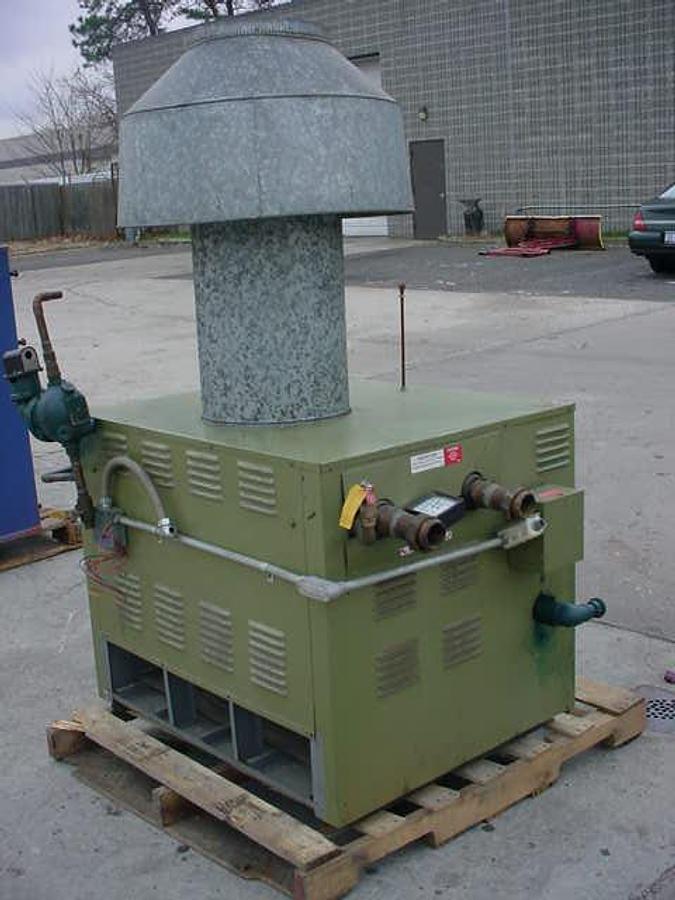
Raytherm produced a focused line of thermal processing and heating equipment, with their cast iron sectional boilers being the most commonly traded units on the used market. The H series and PW series are among the most recognized models, designed for hot water and steam heating systems respectively. Raytherm also manufactured heat exchangers and ovens oriented toward food and pharmaceutical processing applications, though boilers make up the bulk of what circulates through used equipment channels. Natural gas configurations are particularly common, though oil-fired and combination units do appear.
Because Raytherm equipment was built with cast iron construction and engineered for long service life, many units remain in functional condition decades after installation. This durability is a primary reason these machines continue to attract buyers on the secondary market. Prospective buyers should clarify the specific model, fuel type, BTU rating, and whether the unit was configured for hot water or steam before committing to a purchase, as these details significantly affect compatibility with an existing heating system.
Is Raytherm still manufacturing equipment, or is the brand discontinued?
Raytherm operated as a brand under Burnham Holdings, a well-established name in the hydronic heating industry. Over time, product lines within large holding companies are consolidated, rebranded, or phased out, and Raytherm boilers are no longer actively produced under that name. This makes the used and surplus equipment market the primary source for anyone seeking Raytherm units today.
The discontinuation of a product line does not necessarily mean the equipment is obsolete or unsupported. Cast iron boilers from Raytherm were built to last 30 to 50 years with proper maintenance, so many units still in circulation are fully serviceable. That said, buyers should contact Burnham Holdings or a qualified HVAC parts supplier before purchasing to assess parts availability for the specific model they are considering, since age and model generation can affect how readily replacement components can be sourced.
What should I inspect before buying a used Raytherm boiler?
Used cast iron sectional boilers like those made by Raytherm require careful inspection before purchase because the condition of individual sections directly determines the unit's integrity. Buyers should prioritize checking the sections themselves for cracks, which can develop over years of thermal cycling. Gaskets between sections are another critical point, as deteriorated gaskets cause leaks and reduce efficiency. The heat exchanger surfaces should be examined for scale buildup, corrosion, or any signs of prior patching. Burner assemblies, controls, and flue connections should also be assessed for wear or damage.
Reputable used equipment dealers will typically accommodate in-person inspections, video walkthroughs, or photo documentation of the machine's current condition. Some units may still be installed and operational at a facility, in which case an inspection can sometimes be arranged on-site. Keep in mind that most dealers are not set up to run full production tests, so the inspection will focus on physical condition and visible mechanical state rather than a live performance run. Buyers who are uncertain about what to look for should bring a licensed HVAC technician or boiler specialist to the inspection.
What BTU ratings are typical for Raytherm boilers?
Raytherm cast iron boilers were produced across a range of output capacities to serve both residential and light commercial hydronic heating applications. Smaller residential configurations typically started in the range of 80,000 to 150,000 BTU per hour, while larger sectional units built for commercial buildings could reach outputs of several hundred thousand BTU per hour. The modular, sectional nature of cast iron boiler construction is part of what allowed Raytherm to offer this range, since additional sections could be added to increase capacity.
When evaluating a used Raytherm boiler, confirming the rated input and output BTU is essential to matching the unit to the intended application. The nameplate on the unit should carry this information, though on older equipment the nameplate may be worn or missing. In those cases, the model number can often be cross-referenced with Burnham Holdings documentation or a knowledgeable HVAC parts supplier to retrieve the original specifications. Oversizing or undersizing a boiler relative to the load it serves leads to efficiency losses and accelerated wear, so getting this right matters.
What fuel types do Raytherm boilers support?
Raytherm boilers were produced in natural gas, fuel oil, and combination configurations. Natural gas units are the most frequently encountered on the used market, reflecting the fuel's widespread adoption in residential and commercial heating across much of North America. Oil-fired models were also a significant part of the product line, particularly in regions where fuel oil heating remains common. Some configurations were designed to handle both fuel types with appropriate burner adjustments.
Buyers considering a used Raytherm boiler should confirm the fuel type the unit was configured for before purchasing, as converting a boiler from one fuel type to another requires a compatible burner swap and potentially other modifications. The burner assembly on a used unit should be inspected carefully regardless of fuel type, since burners experience significant wear over time and may need servicing or replacement even if the cast iron sections of the boiler remain in good condition. A qualified technician can assess whether the existing burner is serviceable or whether a replacement will be needed after installation.
How does cast iron construction affect the value and longevity of used Raytherm boilers?
Cast iron is one of the most durable materials used in boiler manufacturing, and it is a defining characteristic of Raytherm's product line. Cast iron boilers resist corrosion better than steel alternatives under normal operating conditions, and they hold up well to the repeated heating and cooling cycles that occur over years of service. Industry experience with cast iron sectional boilers suggests service lives of 30 to 50 years are achievable with proper maintenance and water treatment, which is considerably longer than many modern alternatives.
This longevity is a key reason used Raytherm boilers retain practical value on the secondary market long after production ended. However, cast iron is also brittle under certain conditions, particularly thermal shock from cold water entering an overheated boiler or physical impact during handling and shipping. When evaluating a used unit, cracked sections are the most serious defect to screen for, as they cannot be reliably repaired and replacement sections for discontinued models may be difficult to source. A boiler with intact, uncracked sections and serviceable gaskets can deliver many additional years of reliable operation.
Is used Raytherm equipment compatible with modern heating system controls?
Raytherm cast iron boilers were designed around conventional hydronic heating principles that remain fundamentally unchanged, which means the boilers themselves are generally compatible with modern heating systems from a functional standpoint. The heat exchanger and combustion components operate independently of the control system, so upgrading the controls on an older Raytherm unit to a modern programmable aquastat, outdoor reset controller, or building automation interface is a common approach when integrating these boilers into updated systems.
The more practical compatibility questions involve the burner and safety controls. Older burner assemblies may not meet current efficiency standards or emissions requirements in certain jurisdictions, and replacement with a modern high-efficiency burner is sometimes necessary. Buyers should also verify that the unit meets local code requirements for the intended installation, as regulations around boiler installation and combustion equipment vary by region. Consulting with a licensed HVAC contractor before purchasing a used Raytherm boiler for a specific application is a practical step that can prevent costly surprises after the equipment arrives.
How do I find replacement parts for a used Raytherm boiler?
Because Raytherm operated under Burnham Holdings, parts inquiries are best directed to Burnham or its authorized distributors, who may carry or be able to source components for older models. Cast iron sections, gaskets, push nipples, and certain controls are the parts most commonly needed on aging boilers. Availability varies by model and age, and buyers of used Raytherm equipment should investigate parts availability for their specific model before finalizing a purchase, not after. A model that is well-supported with available parts is a meaningfully better investment than one where sourcing components will be difficult.
For burner components, ignition systems, and general controls, third-party HVAC parts suppliers often carry compatible replacements even when manufacturer-specific parts are no longer stocked. Specialty used HVAC parts dealers and salvage operations occasionally carry Raytherm-specific components as well. Online communities of HVAC technicians and boiler specialists can also be a practical resource for tracking down hard-to-find parts or identifying compatible substitutes. Documenting the full model number and serial number from the boiler's nameplate is the starting point for any parts search.
What are typical shipping and handling considerations for used Raytherm boilers?
Cast iron sectional boilers are heavy, fragile under impact, and require careful handling during loading, transit, and unloading. The weight of a Raytherm boiler will vary significantly based on the number of sections, but even smaller residential units are substantial enough to require mechanical assistance for movement. Larger commercial configurations may weigh several thousand pounds and require professional rigging equipment for safe loading and unloading. Buyers should ask dealers specifically about the rigging, crating, and palletization approach being used, as these details directly affect whether the equipment arrives intact.
Shipping costs for boilers of this type are not trivial and should be factored into the total cost of acquisition before committing to a purchase. Freight charges, rigging fees, and crating costs are typically separate line items, and the final landed cost can differ meaningfully from the equipment price alone. Buyers arranging their own freight should ensure the carrier has experience handling heavy industrial equipment and that the receiving location has appropriate unloading capability. Discussing these logistics with the dealer before purchase is the most reliable way to avoid unexpected costs or handling damage.
What payment terms should buyers expect when purchasing used Raytherm equipment?
Used equipment transactions in the industrial and HVAC sectors typically require payment in full before the equipment is released for shipping. This is standard practice across the industry and reflects the nature of used machinery sales, where the seller needs to confirm funds before coordinating logistics. Buyers who are new to a particular dealer should expect to pay in full upfront, as extended terms are generally reserved for established customers with a track record of repeat purchases.
Accepted payment methods vary by dealer but commonly include wire transfer, ACH, and in some cases credit card for smaller transactions. Buyers should clarify payment method options early in the process, as wire transfers in particular require lead time to arrange. It is also worth confirming that the purchase agreement clearly documents the equipment being sold, its described condition, and any agreed-upon inspection rights before funds are transferred. Taking these steps protects both parties and sets clear expectations for the transaction.