Category
Manufacturer
Model
FAQ:
What types of Rademaker equipment are commonly available on the used machinery market?
Rademaker produces a wide range of industrial bakery and dough processing equipment, and most of these product lines appear regularly in the used machinery market. The most frequently traded machines include laminating lines, croissant makeup lines, bread lines, pizza dough processing systems, and turnover lines. Large-scale production equipment like Rademaker's turnover lines can handle outputs of up to 400,000 pieces per day, which makes them attractive to high-volume commercial bakeries looking to expand capacity without the lead times and cost of purchasing directly from a manufacturer.
Beyond the headline production lines, buyers also find individual components and sub-systems on the used market, including dough sheeters, dividers, rounders, and depositors that integrate into existing Rademaker or compatible production setups. Because Rademaker builds equipment for a broad spectrum of baked goods, the secondary market reflects that variety. Buyers searching for used Rademaker equipment should work with dealers who specialize in food processing and bakery machinery, as these specialists are more likely to have accurate technical knowledge about specific models, production speeds, and compatibility with downstream equipment.
Why does used Rademaker equipment tend to hold its value compared to other bakery machinery brands?
Rademaker has built a strong reputation over decades as a premium Dutch manufacturer of precision dough processing equipment. The brand is associated with heavy-duty construction, tight engineering tolerances, and long service life, which are qualities that translate directly into strong resale value. Commercial bakeries and food manufacturers around the world have standardized on Rademaker lines, so demand for used machines remains steady even as the equipment ages. A well-maintained Rademaker laminating or croissant line from ten or fifteen years ago can still perform reliably in a production environment, which is not something that can be said for all equipment brands.
The global installed base also plays a role. Because so many large-scale bakeries run Rademaker equipment, there is a consistent supply of machines coming off production lines as facilities upgrade or consolidate. That supply, combined with persistent buyer demand, keeps pricing relatively firm. Buyers should expect used Rademaker equipment to carry a price premium over comparable machines from less established brands, and should factor that into their budget planning. The premium is generally justified by the equipment's track record, but it does mean that thorough inspection before purchase is important to confirm the machine's actual condition matches its asking price.
What should buyers inspect when evaluating used Rademaker dough processing equipment?
A thorough inspection of used Rademaker equipment should cover both mechanical and control system components. On the mechanical side, buyers should examine the condition of conveyor belts, rollers, gauging systems, and cutting mechanisms for wear, damage, or signs of deferred maintenance. Dough processing equipment operates in wet, flour-heavy environments, so corrosion on frames, housings, and food-contact surfaces deserves close attention. Drive systems, gearboxes, and motors should be checked for unusual noise, vibration, or heat during operation. Any hydraulic or pneumatic components should be inspected for leaks and proper pressure response.
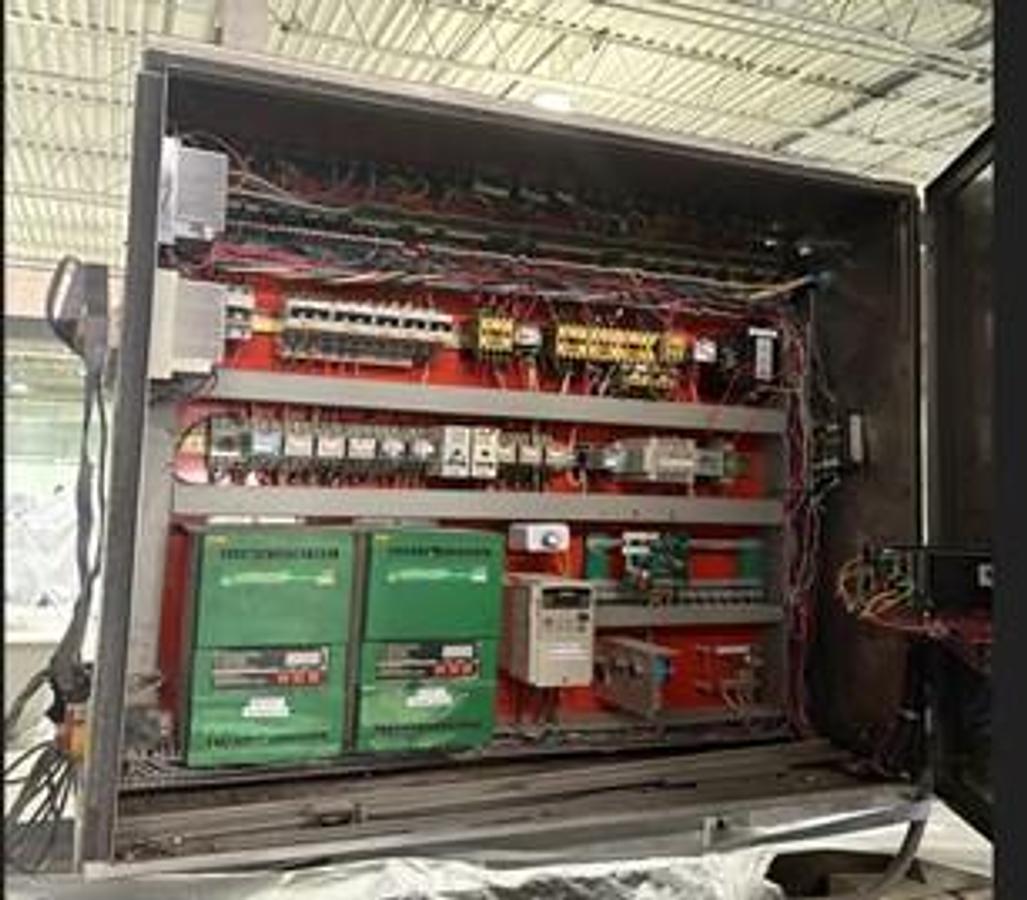
The control system is equally important and sometimes overlooked. Rademaker has used various PLC platforms across different model generations, and older machines may run on automation interfaces that are no longer supported by the manufacturer or the PLC supplier. Buyers should ask specifically about the age and model of the control system, and whether software or spare parts for that controller are still available. Reputable used equipment dealers will typically accommodate in-person inspections, video walkthroughs, or recorded demonstrations of the machine running. Some machines may still be installed and operating at a food production facility, which provides the best opportunity to assess real-world performance, though actual product testing at a dealer's facility is generally not possible due to permitting and production environment requirements.
How does the purchasing process for used Rademaker equipment typically work?
Purchasing used industrial bakery equipment like a Rademaker line generally follows a structured process that starts with identifying the right machine for the application and confirming its specifications match production requirements. Buyers should gather detailed information about the machine's model, production capacity, physical dimensions, power requirements, and current condition before making any financial commitments. Reputable dealers will provide documentation, photos, and inspection opportunities to support this due diligence phase. It is worth contacting Rademaker directly as well to understand what level of technical support and parts availability to expect for a specific model and age of machine.
Once a buyer is satisfied with the equipment's condition and suitability, the financial transaction typically requires full payment prior to shipment. Some dealers may offer payment terms to established repeat customers, but first-time buyers should plan for full prepayment. After payment is confirmed, the dealer arranges packaging, rigging, and freight. Buyers should request a full breakdown of all costs including crating, rigging for loading, freight to destination, and any unloading requirements at the receiving facility. These landed costs can be substantial for large Rademaker lines and should be factored into the total acquisition budget from the start.
What are the typical shipping and logistics considerations for used Rademaker production lines?
Rademaker production lines are large, heavy pieces of industrial equipment, and shipping them requires careful planning well beyond standard freight arrangements. Most lines will need to be disassembled into sections for transport, and each section must be properly crated or packaged to prevent damage during loading, transit, and unloading. The level of packaging required depends on the shipping method and distance, with international shipments typically requiring more robust wooden crating than domestic moves. Buyers should confirm with the dealer exactly what packaging is included in the quoted price and what the buyer is responsible for arranging independently.
Rigging is another significant cost factor. Loading a Rademaker laminating or turnover line onto a flatbed or into a container requires specialized rigging equipment and experienced riggers, and the same applies at the destination. Buyers should ask the dealer for specifics on rigging costs at the origin point, and should independently arrange and budget for rigging and installation at their facility. For international shipments, customs clearance, import duties, and any required inspections add further complexity and cost. Getting a complete landed cost estimate before finalizing a purchase prevents budget surprises and allows for a fair comparison between machines listed at different price points.
Are spare parts and technical support available for used Rademaker machines?
Parts availability for used Rademaker equipment varies depending on the age and model of the machine. Rademaker, as an active manufacturer, maintains support for many of its machine generations, but older models may fall outside the range of parts and service that the company actively stocks or supports. Before purchasing a used Rademaker line, it is advisable to contact Rademaker directly and provide the machine's model number and manufacturing date to get a clear picture of what support, spare parts, and documentation are still available. This step is often skipped by buyers focused on price, but it can have a major impact on long-term operating costs.
Beyond the manufacturer, many Rademaker components such as motors, gearboxes, conveyor belts, and electrical components are sourced from third-party suppliers and can be procured through industrial parts distributors even when the manufacturer's own support is limited. The PLC and control system is the area where parts and support can be most difficult to secure on older machines, particularly if the controller platform has been discontinued. Buyers should factor potential control system upgrade costs into their evaluation of older equipment. Working with a dealer who specializes in bakery and food processing machinery can also help, as these specialists often have access to spare parts inventories and technical contacts that general equipment dealers do not.
What maintenance practices are recommended to keep Rademaker dough processing equipment running reliably?
Rademaker equipment is built for demanding continuous production environments, but like all industrial machinery it requires consistent preventive maintenance to perform reliably over time. Daily maintenance tasks typically include cleaning food-contact surfaces and conveyor systems to prevent dough buildup, checking belt tension and alignment, inspecting cutting and gauging components for wear, and verifying that lubrication points have been serviced according to the manufacturer's schedule. In a flour and dough environment, contamination of bearings and drive components is a common cause of premature wear, so keeping seals and covers in good condition is important.
For buyers acquiring used Rademaker equipment, it is worth commissioning a thorough mechanical inspection and service before putting the machine into production. This typically involves replacing wear items like belts and seals, checking all gearbox oil levels and conditions, inspecting electrical connections and control panel components, and verifying that all safety systems are functional. Having the machine serviced by a technician familiar with Rademaker equipment before startup reduces the risk of early failures and gives the maintenance team a clean baseline from which to build a regular preventive maintenance program. Keeping detailed maintenance records also helps with future troubleshooting and supports the machine's resale value if it is sold again later.
What production capacities are typical for Rademaker turnover and laminating lines?
Rademaker designs its production lines for high-volume commercial and industrial bakery output, and the capacity figures reflect that. Turnover lines, which are used for producing layered and folded pastry products, can reach outputs of 400,000 pieces per day in larger configurations. Laminating lines used for croissant dough and puff pastry production are similarly scaled for continuous, high-throughput operation. These are not machines designed for artisan or small-batch production. They are engineered for large food manufacturers and industrial bakeries where consistent output at scale is the primary requirement.
When evaluating a specific used Rademaker machine, buyers should look beyond the nameplate capacity and consider the actual throughput the equipment was achieving in its previous installation. Production speed depends on product type, dough formulation, and the configuration of downstream equipment. A machine rated for a certain maximum output may have been running at a lower sustainable rate in practice. Asking the seller for production records or speaking with the previous operator, if that is possible through the dealer, gives a more realistic picture of what to expect. Buyers should also confirm that their facility's electrical supply, floor space, and support infrastructure can accommodate the machine's operational requirements before committing to a purchase.
How should buyers assess whether a used Rademaker machine is the right fit for their production line?
Matching a used Rademaker machine to a specific production application requires more than checking that the equipment type is correct. Buyers need to verify that the machine's physical dimensions fit within their facility, that the electrical specifications match their available power supply, and that the line speed and output capacity align with their production targets. Rademaker builds equipment in a range of configurations, and two machines of the same general type can differ significantly in throughput, product range, and integration requirements. Reviewing the machine's original technical documentation, if available from the dealer, is a useful starting point.
Compatibility with existing upstream and downstream equipment is another important consideration. A Rademaker laminating line, for example, needs to be fed dough at the right rate and temperature, and its output needs to connect to whatever makeup, proofing, or baking equipment follows in the line. Buyers who are integrating a used Rademaker machine into an existing production environment should involve their engineering or maintenance team in the evaluation process early. In some cases, minor modifications or interface equipment may be needed to make the integration work smoothly. Dealers who specialize in bakery processing equipment can often provide guidance on these integration questions based on their experience placing similar machines at other facilities.
What should buyers know about inspecting used Rademaker equipment before finalizing a purchase?
Inspection is one of the most important steps in any used equipment purchase, and it carries extra weight with complex, high-value machinery like Rademaker production lines. Because used equipment is sold as-is, the buyer takes on responsibility for understanding the machine's condition before the transaction closes. Reputable dealers will offer inspection options that may include in-person visits to the machine's location, live or recorded video walkthroughs, and detailed photo documentation. For high-value purchases, an in-person inspection is strongly recommended, and buyers should bring a qualified technician or engineer who is familiar with Rademaker equipment or dough processing machinery generally.
It is worth noting that most equipment dealers do not operate licensed food production facilities, so running actual product through the machine during an inspection is generally not possible. What can be assessed is the mechanical operation of the machine under power, the condition of all visible components, the responsiveness of the control system, and any signs of damage, corrosion, or deferred maintenance. If the machine is still installed and running at a food production plant, the dealer may be able to arrange an inspection at that facility, which provides the best opportunity to see the equipment in actual operation. Buyers should document everything observed during the inspection and use that information to inform both their purchase decision and their planning for any refurbishment work needed before the machine goes into service.