Category
Manufacturer
Model
Puriti
Puriti is a manufacturer of purification systems, catering to the pharmaceutical and food industries. They focus on providing solutions that ensure product safety and compliance with health regulations.
FAQ:
What types of purification systems does Puriti manufacture?
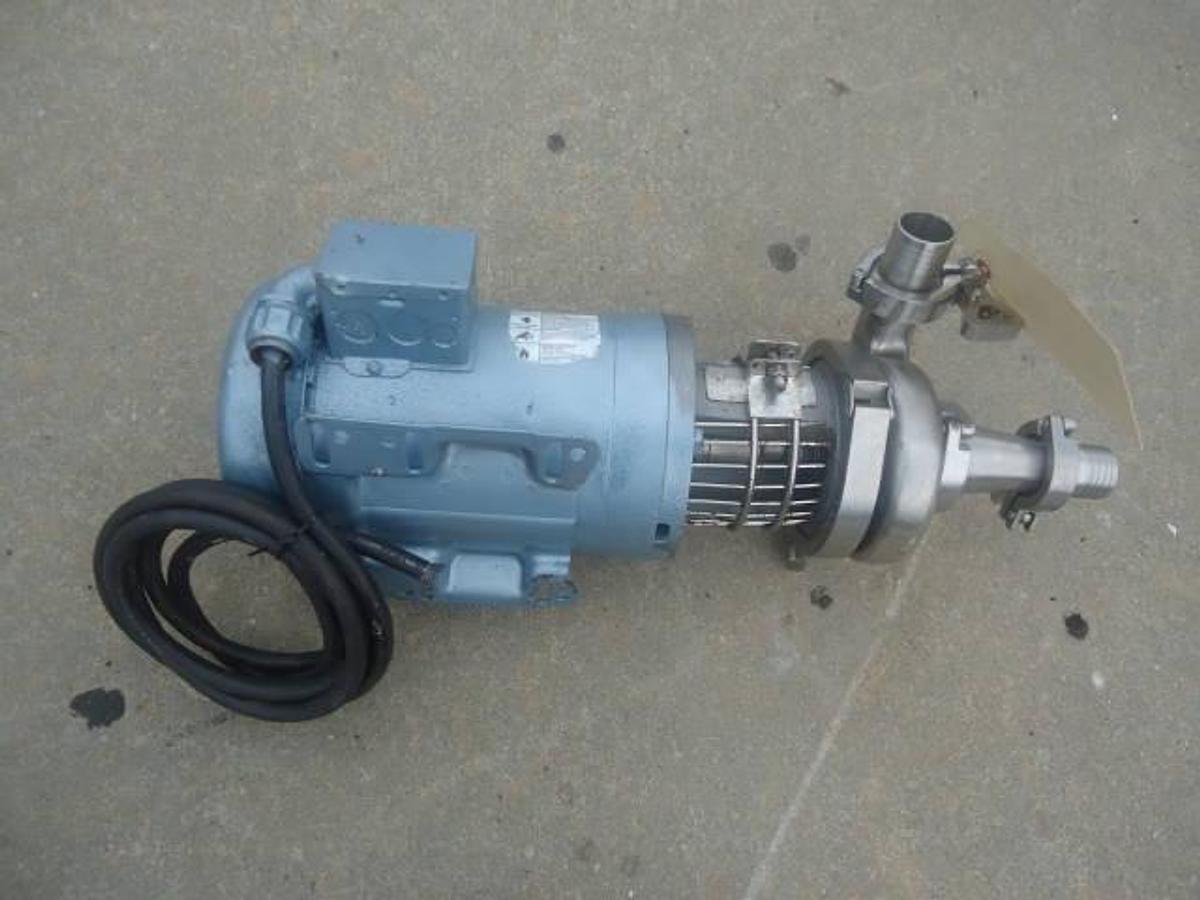
Puriti is a manufacturer specializing in purification systems designed for demanding industrial applications, with a particular focus on the pharmaceutical and food processing industries. Their equipment is built to meet strict product safety and regulatory compliance standards, which makes Puriti machinery a common choice in facilities where contamination control is critical. The product line includes sanitary process equipment such as centrifugal pumps fabricated from stainless steel, which are used to move fluids through purification and filtration systems without introducing contaminants. The sanitary design of this equipment, including tri-clamp fittings and polished internal surfaces, is specifically intended to meet food-grade and pharmaceutical-grade hygiene requirements.
Beyond pumps, Puriti's broader catalog addresses the need for reliable fluid handling and purification in regulated production environments. Their systems are engineered to support compliance with health and safety regulations that govern how products are processed and handled before reaching consumers. For buyers looking at used Puriti equipment, it's worth noting that the machines were originally designed for these high-standard environments, meaning the build quality and material specifications tend to be above what you'd find in general industrial equipment. Prospective buyers should review the specific model details carefully to confirm the equipment suits their intended application, whether that's pharmaceutical manufacturing, food and beverage processing, or a related field.
What should I look for when buying used Puriti purification equipment?
Buying used Puriti purification equipment requires a more hands-on evaluation approach than purchasing directly from a manufacturer. Because used machines are sold as-is, the responsibility for assessing condition falls on the buyer. The most important step is arranging an inspection, either in person at the dealer's facility or via a detailed video walkthrough. For sanitary process equipment like Puriti's stainless steel centrifugal pumps, you'll want to examine the condition of the pump housing, impeller, seals, and any tri-clamp or sanitary fittings. Surface pitting, corrosion, or worn seals can affect both performance and the ability to maintain a hygienic process environment. Ask the dealer whether the machine was decommissioned or is still in active production, as equipment that has been running recently is often easier to evaluate for functionality.
It's also worth contacting Puriti directly to ask about parts availability and technical support for the specific model you're considering. Older models may have limited parts availability, which can affect long-term serviceability. A reputable used equipment dealer with a history of selling pharmaceutical and food-grade machinery will typically be able to provide documentation, photos, and video of the equipment, and some may facilitate an in-person inspection at the facility where the machine is currently located. Take time to understand the full landed cost of the equipment, factoring in any rigging, crating, freight, and installation costs, since these can add meaningfully to the purchase price of larger process equipment.
How does a sanitary centrifugal pump work in a purification system?
A sanitary centrifugal pump moves liquid through a purification or processing system by converting rotational energy from a motor into fluid velocity. Inside the pump, an impeller spins at high speed, drawing liquid in through the inlet and accelerating it outward toward the pump casing, where the velocity converts to pressure that drives the fluid through the system. In purification applications, this type of pump is used to move product through filtration stages, heat exchangers, or other processing equipment at a controlled flow rate. The centrifugal design is well suited to continuous-flow processes where consistent pressure and volume are needed without the pulsing that comes from positive displacement pumps.
The sanitary designation refers to the construction standards that make the pump suitable for pharmaceutical, food, and beverage applications. Sanitary centrifugal pumps are typically made from 316L stainless steel, with internally polished surfaces that minimize bacteria-harboring crevices and allow for thorough cleaning-in-place (CIP) or sterilization-in-place (SIP) procedures. Connections use sanitary fittings such as tri-clamp ends rather than threaded pipe fittings, which are harder to clean and can trap residue. Puriti's stainless steel sanitary centrifugal pumps, such as the 2 HP model with 2-inch by 1.5-inch connections, are built to these standards, making them appropriate for hygienic fluid handling in regulated production environments. When evaluating a used unit, the condition of the internal surfaces and seals is especially important since these components directly affect the pump's ability to maintain sanitary process conditions.
What industries commonly use Puriti purification systems?
Puriti purification systems are primarily designed for the pharmaceutical and food and beverage industries, two sectors where product purity and regulatory compliance are non-negotiable. In pharmaceutical manufacturing, purification equipment is used to process active ingredients, solvents, and water for injection (WFI), all of which must meet strict purity standards set by bodies such as the FDA and USP. Equipment used in these environments must be designed to prevent contamination, withstand rigorous cleaning protocols, and be validated for use in controlled processes. Puriti's focus on sanitary construction and compliance-oriented design makes their systems a practical fit for these applications.
In the food and food processing sector, similar requirements apply. Equipment that contacts food products must meet sanitary standards such as those set by 3-A Sanitary Standards or NSF International, and must be capable of being thoroughly cleaned between production runs to prevent cross-contamination. Beverage producers, dairy processors, and nutraceutical manufacturers are among the types of facilities that rely on sanitary centrifugal pumps and purification equipment of the kind Puriti produces. Buyers from adjacent industries, such as cosmetics manufacturing or biotechnology, also sometimes find this type of equipment applicable to their processes, given that the hygienic design standards translate well across sectors that require clean fluid handling.
What contaminants can industrial purification systems remove in pharmaceutical and food processing?
Industrial purification systems used in pharmaceutical and food processing are designed to remove a wide range of physical, chemical, and biological contaminants that could compromise product safety or quality. On the physical side, filtration systems remove particulate matter, sediment, and suspended solids that could introduce impurities into a finished product. Microfiltration and ultrafiltration membranes can remove bacteria, yeast, and mold from liquid streams, which is critical in both sterile pharmaceutical manufacturing and beverage processing. More advanced systems using reverse osmosis or nanofiltration can remove dissolved ions, endotoxins, and organic compounds, producing water or process fluids that meet pharmaceutical-grade purity requirements.
In food and beverage applications, purification systems also address chlorine and chloramine removal, which can affect taste and react with organic compounds to form unwanted byproducts. Heavy metals such as lead and cadmium are targeted in facilities where source water quality may be variable. For pharmaceutical applications, the standards are even more stringent, with systems needing to produce water that meets USP Purified Water or Water for Injection specifications, which set tight limits on conductivity, total organic carbon, and microbial counts. The pumps and fluid handling components in these systems, including sanitary centrifugal pumps like those made by Puriti, play a supporting role by moving process fluids through each purification stage without adding contaminants of their own, which is why sanitary construction materials and hygienic design standards are so important.
How is used pharmaceutical and food-grade processing equipment typically inspected before purchase?
Inspection options for used pharmaceutical and food-grade processing equipment generally fall into three categories: in-person visits, virtual inspections via live video call, and recorded video documentation provided by the dealer. In-person inspections give the buyer the most complete picture, allowing them to physically examine surfaces, check fittings, review any available maintenance records, and sometimes observe the equipment operating if it is still in production at the selling facility. For sanitary equipment like centrifugal pumps, an in-person visit allows close inspection of internal surfaces, seal condition, and the state of sanitary fittings, all of which are harder to assess from photos alone. If the equipment is at a third-party plant rather than the dealer's warehouse, the dealer typically coordinates access between the buyer and the facility.
Virtual and video inspections have become a practical alternative for buyers who cannot travel, and a thorough video walkthrough conducted by someone familiar with the equipment can cover most of the same ground as a physical visit. Buyers should provide a list of specific areas they want documented, including close-up views of any wear points, the motor nameplate, connection sizes, and any visible damage. Keep in mind that most used equipment dealers do not have production facilities on-site, so they cannot run the equipment through an actual production process or test it with real product. Testing in a full production context would require the permitting and infrastructure of an operating plant. The goal of the inspection is to get an accurate, honest assessment of the machine's current mechanical condition and any visible wear, so buyers can make an informed purchasing decision.
What are the typical payment terms when buying used industrial processing equipment?
Most used industrial equipment dealers require full payment before a machine is released for shipping. This is standard practice in the industry and reflects the nature of used equipment transactions, where machines are often one-of-a-kind items that cannot be held indefinitely while payment is arranged. Payment is typically accepted by wire transfer, and buyers should confirm acceptable payment methods with the dealer before proceeding. For buyers who have established a purchasing history with a particular dealer, some dealers may be willing to discuss extended terms, but this is the exception rather than the rule and is generally reserved for repeat customers with a proven track record.
Buyers should also factor in all associated costs beyond the equipment price itself when budgeting for a purchase. Rigging fees for loading heavy equipment, crating or palletization costs, freight charges, and any applicable taxes or import duties all contribute to the total landed cost of the machine. For larger or heavier equipment, specialized rigging and transportation can add a meaningful amount to the final cost. Getting a full breakdown of these charges from the dealer before committing to a purchase is the best way to avoid surprises and accurately compare the total cost of different equipment options.
How does stainless steel construction benefit purification and sanitary process equipment?
Stainless steel is the material of choice for purification and sanitary process equipment because it combines corrosion resistance, durability, and cleanability in a way that few other materials can match. In pharmaceutical and food processing environments, equipment surfaces that contact product must be able to withstand repeated exposure to cleaning agents, sanitizers, and sometimes acidic or caustic process fluids without degrading or releasing material into the product stream. Grade 316L stainless steel, which is commonly used in sanitary equipment, contains molybdenum, which gives it superior resistance to chloride corrosion compared to the more common 304 grade. This matters in food and pharmaceutical settings where cleaning protocols often involve chlorine-based sanitizers.
The surface finish of stainless steel also plays a direct role in maintaining hygienic conditions. Internally polished surfaces, typically finished to a specified Ra (roughness average) value, reduce the microscopic surface area where bacteria and biofilm can establish and grow. This makes cleaning-in-place procedures more effective and reduces the risk of cross-contamination between production runs. For components like centrifugal pump housings and impellers that are in constant contact with process fluids, a smooth, corrosion-resistant stainless interior is essential to maintaining both product quality and regulatory compliance. When evaluating used stainless steel equipment, checking for pitting, discoloration, or surface damage is important because these can indicate areas where the protective oxide layer has been compromised, potentially affecting both corrosion resistance and cleanability.
What should buyers know about shipping and freight for used purification equipment?
Shipping used purification and process equipment involves more logistical planning than shipping standard freight, particularly for heavier or more mechanically complex machinery. The first consideration is packaging. Equipment should be properly palletized or crated to prevent movement and damage during transit. Dealers typically offer different levels of packaging, from basic palletization to full custom crating, and the cost will vary accordingly. For precision components or equipment with protruding fittings and connections, more protective crating is usually worth the added expense to avoid damage that could make the equipment unusable on arrival. Buyers should ask dealers specifically what packaging is included in the quoted price and what upgrades are available.
For larger, heavier machines, standard freight carriers may not be equipped to handle the load, and specialized rigging services may be required for both loading at the origin and unloading at the destination. Rigging involves the use of forklifts, cranes, or other heavy lifting equipment operated by trained riggers, and this service carries its own cost that is separate from the freight charge. Buyers need to confirm that their receiving facility is equipped to unload the equipment safely, whether that means having a loading dock, a forklift on-site, or arranging for a rigging crew at the destination. Getting a complete picture of all shipping-related costs, including packaging, rigging at origin, freight, and unloading at destination, is essential to accurately calculating the total cost of acquiring the equipment.
How do buyers assess the total cost of ownership for used purification and process equipment?
The purchase price of used purification equipment is only one piece of the total cost picture. Buyers who focus solely on the sticker price often underestimate what it actually costs to put a machine into service and keep it running. The full acquisition cost includes the equipment price, rigging, freight, and any import duties or taxes. Once the machine arrives, there are typically costs associated with installation, integration into existing process lines, and any refurbishment or replacement of wear parts such as seals, gaskets, or bearings that are needed before the equipment is production-ready. For sanitary equipment, a professional inspection and cleaning may also be required before the machine can be validated for use in a regulated environment.
Ongoing costs after installation include spare parts, scheduled maintenance, and the availability of technical support. This is where contacting the manufacturer directly becomes valuable. For a brand like Puriti, reaching out to confirm parts availability for the specific model under consideration can save significant headaches later. Older models may have discontinued components that are difficult or expensive to source, while more recent models may still have full parts support. Labor costs for maintenance and any downtime associated with repairs should also factor into the calculation. Buyers who take a thorough approach to total cost of ownership, rather than focusing only on the purchase price, are generally better positioned to make a sound investment in used process equipment.