Category
Manufacturer
Model
Prosys
Prosys is a manufacturer of advanced automation and control systems, primarily for the food processing industry. They provide solutions that enhance production line efficiency and product quality through precise control and monitoring.
FAQ:
What types of products can Prosys cartridge filling machines handle?
Prosys cartridge filling machines are designed to handle a wide range of liquid fill products, with a particular focus on high-viscosity oils commonly used in the cannabis and vape industries. This includes THC distillate, CBD oil, live resin, nicotine-based e-liquids, and silicone-based compounds. The machines are built to manage fluids that would be difficult or impossible to fill accurately with standard liquid filling equipment, making them a go-to choice for producers working with thick, sticky materials.
The ability to handle varying viscosities is one of the defining characteristics of the Prosys product line. Many models incorporate heating systems that warm the oil to a workable temperature, allowing thick distillates to flow consistently through the filling mechanism without clogging or inconsistent fill weights. This makes Prosys equipment well-suited for operations where product consistency and minimal waste are priorities.
What Prosys cartridge filling machine models are typically available on the used market?
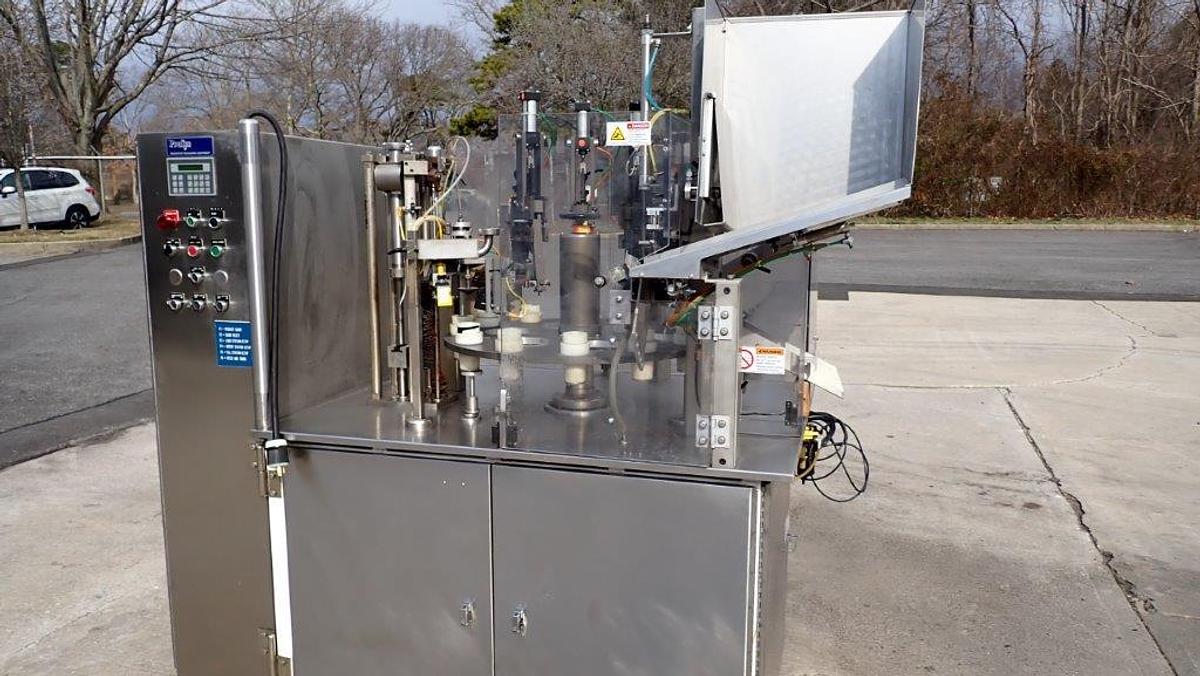
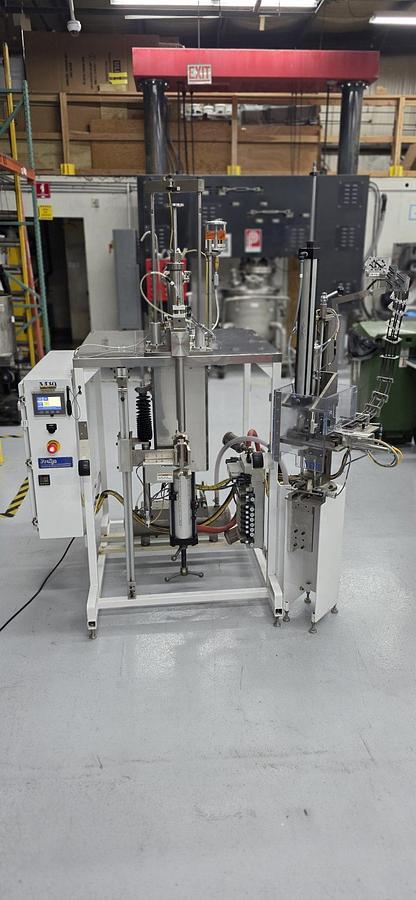
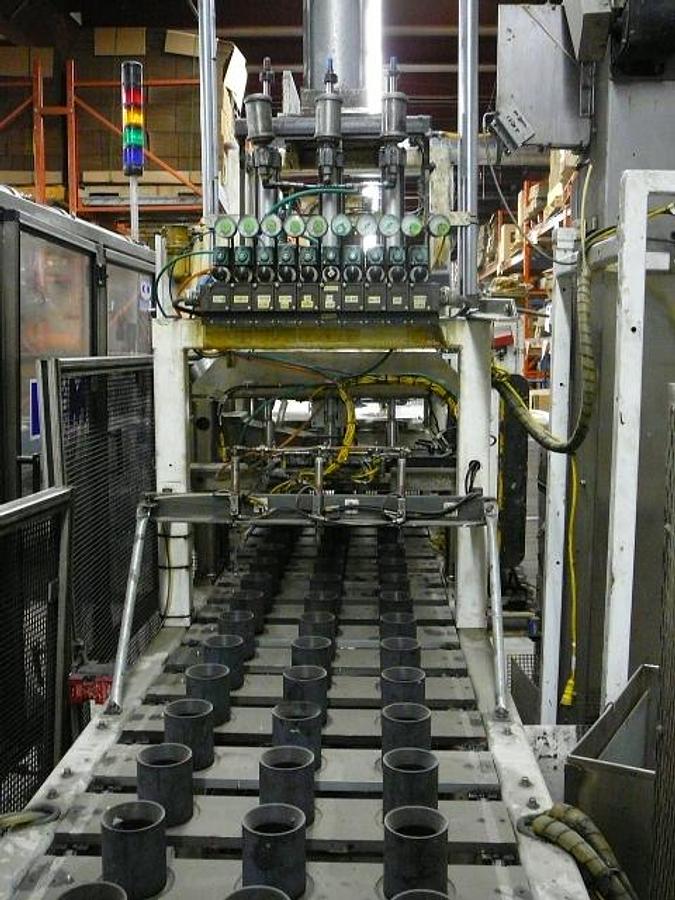
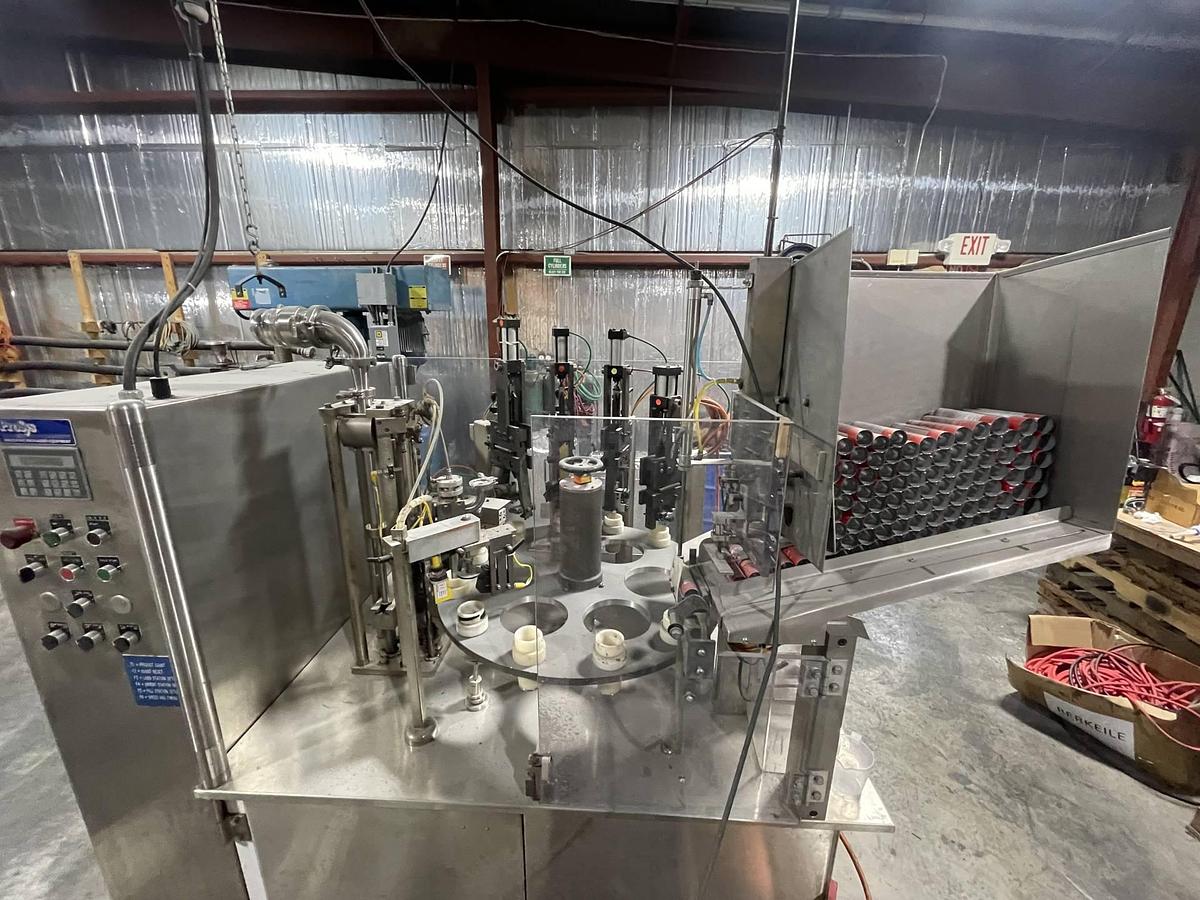
Several Prosys models appear regularly in the used equipment market, covering a range of production scales and filling applications. Common models include the Prosys M10 Cartridge Filling Machine, the Prosys LVF-RT70-C Tube and Cartridge Silicone Filler, the Prosys Automatic Cartridge Filling Machine, and complete Prosys Cartridge Filling Lines that include multiple integrated components. Each model is designed with a specific throughput capacity and level of automation in mind, so buyers should evaluate their production volume requirements before selecting a particular unit.
Used Prosys machines can represent significant cost savings compared to purchasing equivalent equipment through a manufacturer or distributor. That said, buyers should take time to understand the specific model they are considering, including its filling mechanism, heating capabilities, and compatibility with the cartridge formats they use. Consulting with the selling dealer about the machine's history, hours of use, and current condition is an important step before committing to a purchase.
Are Prosys cartridge filling machines compatible with both 0.5ml and 1ml cartridges?
Most Prosys cartridge filling machines are built with adjustable fill volume settings, which allows operators to run both 0.5ml and 1ml cartridges on the same machine by adjusting the fill parameters. The specific range of fill volumes a machine can accommodate depends on the model, so buyers should verify compatibility with their cartridge formats before purchasing. Some models are designed for higher flexibility across different cartridge sizes, while others are optimized for a narrower range of fill volumes at higher speeds.
For operations that run multiple cartridge formats, it is worth asking the equipment dealer whether the machine has been used with different cartridge sizes and whether any changeover tooling or fill head adjustments are required to switch between them. On used equipment, verifying that all adjustable components are functioning properly is especially important, since wear on fill heads or sealing mechanisms can affect accuracy at different fill volumes.
Do Prosys filling machines include heating systems for high-viscosity distillate?
Many Prosys cartridge filling machines include integrated heating systems specifically designed to handle high-viscosity oils like cannabis distillate. Distillate in particular becomes extremely thick at room temperature and requires elevated heat, often in the range of 40 to 80 degrees Celsius depending on the specific product, to flow consistently through the filling mechanism. Prosys machines with heated reservoirs and heated fill heads allow operators to maintain a consistent product temperature throughout the filling process, which directly impacts fill accuracy and reduces waste from clogging or incomplete fills.
When evaluating a used Prosys machine, buyers should specifically ask about the condition of the heating elements and temperature control components. Heating systems involve electrical components and sensors that can degrade over time, and verifying that the temperature control system is functioning accurately is an important part of any pre-purchase inspection. A video inspection or in-person visit can help confirm that the heating system reaches and holds the correct temperature range for the intended application.
What is the typical filling speed or output capacity of Prosys cartridge filling machines?
Filling speed varies considerably across the Prosys product line depending on the level of automation and the specific model. Semi-automatic benchtop models are generally suited for smaller production runs, with output typically measured in hundreds of cartridges per hour depending on operator speed and fill volume. Fully automatic Prosys systems are capable of significantly higher throughput, with some configurations able to fill several thousand cartridges per hour when running continuously with properly prepared oil.
Actual output in a production environment also depends on factors like oil viscosity, fill temperature, cartridge format, and how well the machine has been maintained. When reviewing a used Prosys machine, buyers should ask the dealer about the machine's production history and whether it was used in a high-volume continuous operation or a smaller batch production setting. Machines that have run at or near maximum capacity for extended periods may show more wear on fill heads, pumps, and sealing components than those used intermittently.
What is the difference between semi-automatic and fully automatic Prosys cartridge filling machines?
Semi-automatic Prosys models require an operator to manually position cartridges, initiate fill cycles, or perform other steps in the filling process. These machines are generally more compact, lower in cost, and well-suited for small to mid-sized operations that do not require continuous high-volume output. They offer more hands-on control over the filling process, which some operators prefer when working with expensive or difficult-to-handle oils where close monitoring is important.
Fully automatic Prosys systems handle cartridge loading, filling, and often capping with minimal operator intervention, making them appropriate for large-scale production environments where throughput and labor efficiency are priorities. These machines typically have a larger footprint and more complex mechanical and electrical systems, which means maintenance and troubleshooting require a higher level of technical knowledge. For buyers considering used fully automatic equipment, a thorough inspection of the automation components, including sensors, conveyors, and control systems, is especially important to ensure everything is functioning as intended.
How accurate are Prosys cartridge filling machines in terms of fill volume consistency?
Fill accuracy is one of the primary reasons Prosys machines are favored in the cannabis and vape cartridge industry. These machines are engineered to deliver tight fill tolerances, which minimizes product giveaway and ensures that each cartridge meets the labeled fill weight or volume. In a regulated industry where product labeling accuracy is a compliance requirement, consistent fill performance is not just a quality concern but a legal one. Prosys machines are designed with precision pumping and fill head mechanisms that maintain accuracy across extended production runs.
On used equipment, fill accuracy can be affected by wear on the pump, fill needle, or sealing components, as well as any drift in the temperature control system that affects oil viscosity during filling. Buyers should ask dealers whether the machine has been tested recently and, if possible, request documentation or video showing the machine running a fill cycle. Even a visual inspection of the fill heads and pump components can provide useful information about the machine's current condition and whether any parts may need attention before production use.
What should buyers inspect before purchasing a used Prosys cartridge filling machine?
Buying used filling equipment requires a more thorough evaluation process than purchasing through a manufacturer's distribution channel, since used machines are typically sold as-is without coverage from the manufacturer. Buyers should request an in-person or video inspection that shows the machine in its current state, including the condition of fill heads, pumps, heating elements, temperature controllers, and any automation components. Asking about the machine's production history, including what products it was used with and how many hours or shifts it has run, can help identify potential wear areas.
It is also worth contacting Prosys directly to ask about parts availability and technical support for the specific model under consideration. Older models may have limited parts availability, which can affect long-term serviceability. Reputable used equipment dealers who specialize in food, cannabis, or packaging machinery will typically be able to provide detailed condition information and facilitate inspection arrangements, whether the machine is still installed at a production facility or held in a dealer's warehouse. Understanding the full landed cost, including shipping, rigging, and any refurbishment needed, is essential before finalizing a purchase decision.
Are replacement parts and consumables readily available for used Prosys filling machines?
Parts availability for Prosys machines depends largely on the model and its age. Prosys, as a manufacturer of precision automation and filling equipment, maintains parts support for its product line, but the level of support available for older or discontinued models can vary. Buyers should contact Prosys directly before purchasing a used machine to ask specifically about parts availability for the model they are considering, including fill needles, pump components, seals, heating elements, and control system parts. This conversation can also clarify what level of technical support the manufacturer offers for used equipment.
Some components used in Prosys machines, such as certain pump types, heating elements, and standard fittings, may also be available through third-party suppliers, which can be helpful if manufacturer-sourced parts have long lead times or are no longer produced. Dealers who specialize in filling and packaging equipment may also carry common wear parts or be able to point buyers toward reliable supply sources. Factoring parts availability into the purchase decision is especially important for buyers planning to run the machine in high-volume production where downtime is costly.
What are the typical payment and shipping considerations when buying a used Prosys machine?
Used equipment dealers generally require full payment before a machine is released for shipping. Some dealers may offer payment terms to established customers with a purchase history, but first-time buyers should expect to pay in full upfront. Before finalizing payment, buyers should have completed their inspection process and have a clear understanding of the machine's condition, since used equipment is typically sold as-is and the responsibility for assessing condition falls on the buyer.
Shipping costs for cartridge filling machines can vary significantly depending on the machine's size and weight, its current location, and the level of packaging or crating required to protect it in transit. Larger fully automatic systems may require professional rigging for loading and unloading, which adds to the total landed cost. Buyers should ask the dealer for a detailed breakdown of packaging, freight, and rigging costs before agreeing to a purchase, so there are no surprises in the final cost of getting the equipment to their facility and operational.