Category
Manufacturer
Model
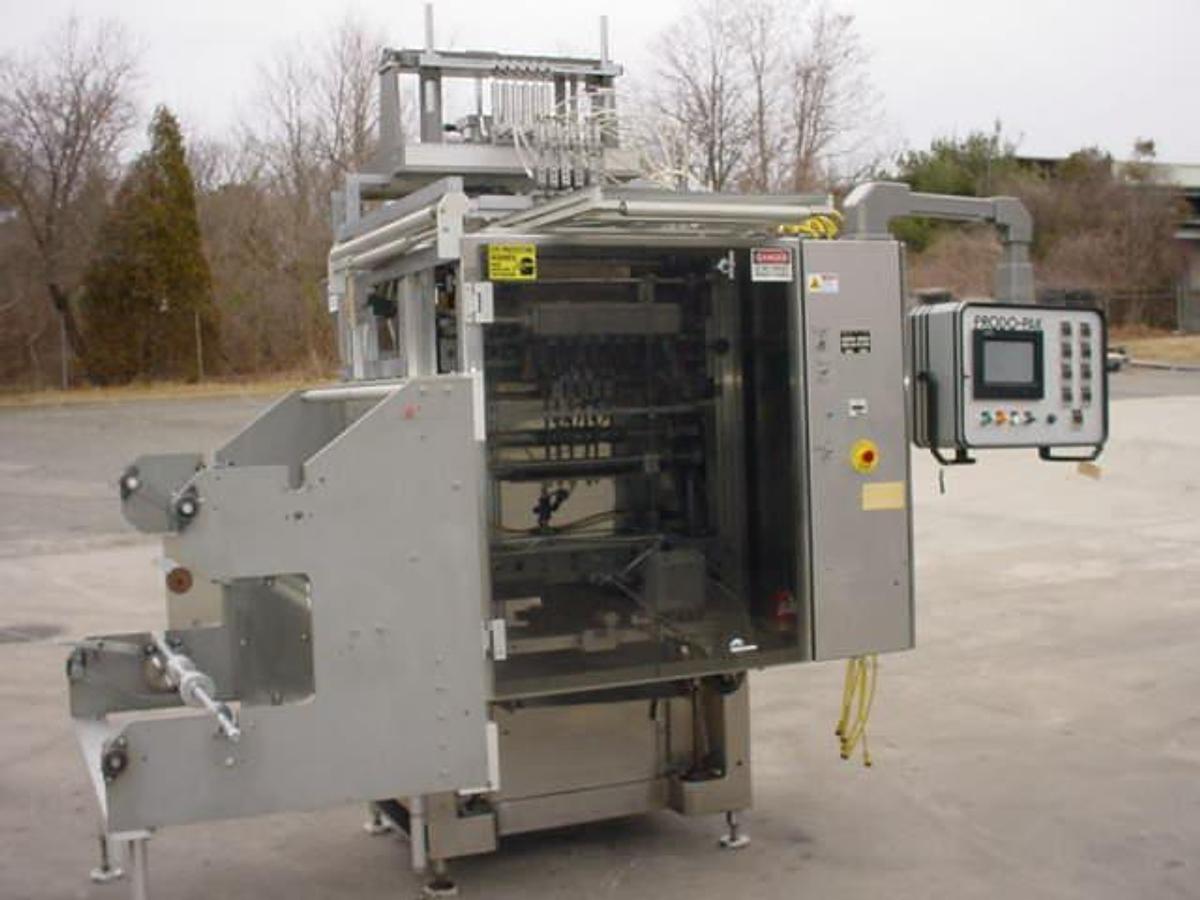
Prodo-Pak
Prodo-Pak is recognized for its packaging solutions, particularly in the food and beverage sector. They offer a range of machines including vacuum sealers and shrink wrappers that enhance product shelf life and presentation.
FAQ:
What types of packaging machines did Prodo-Pak manufacture?
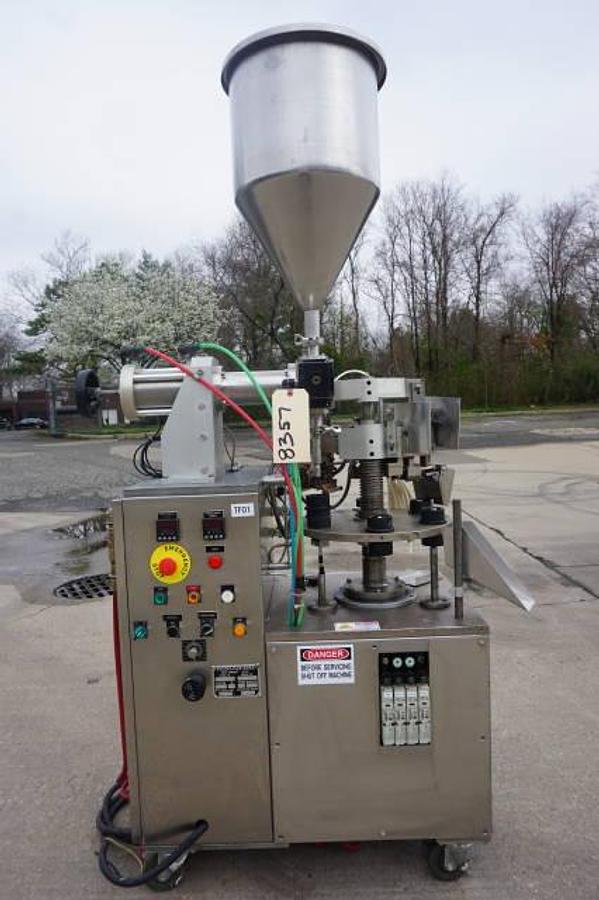
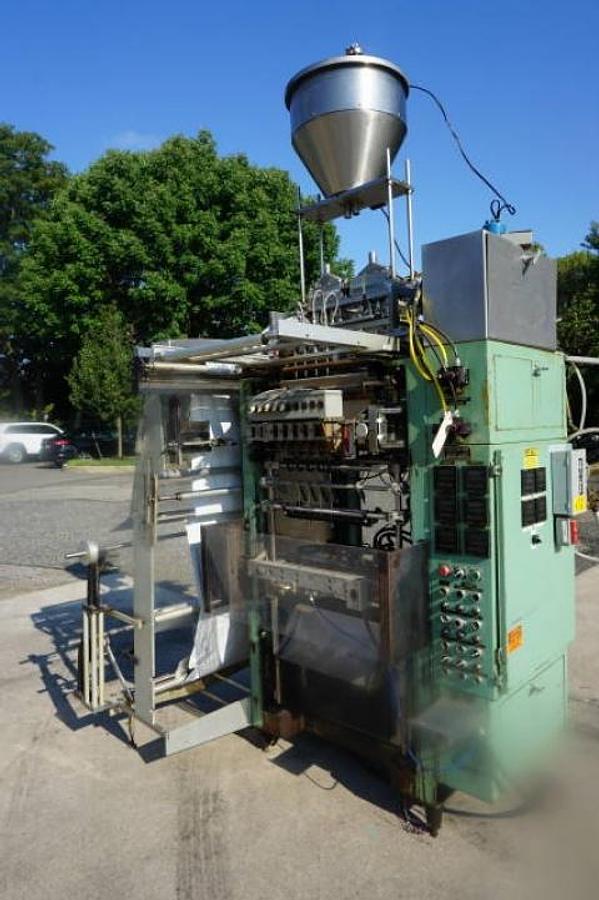
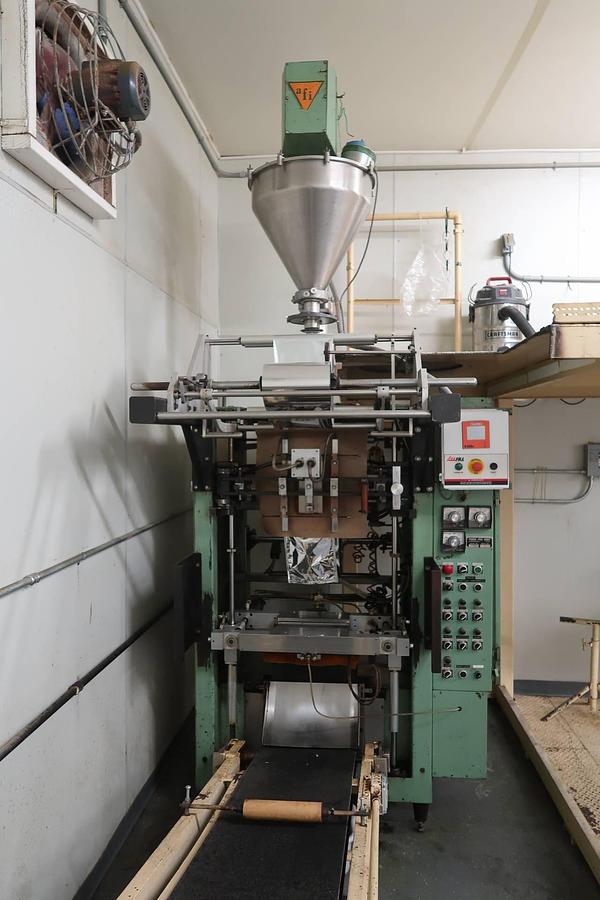
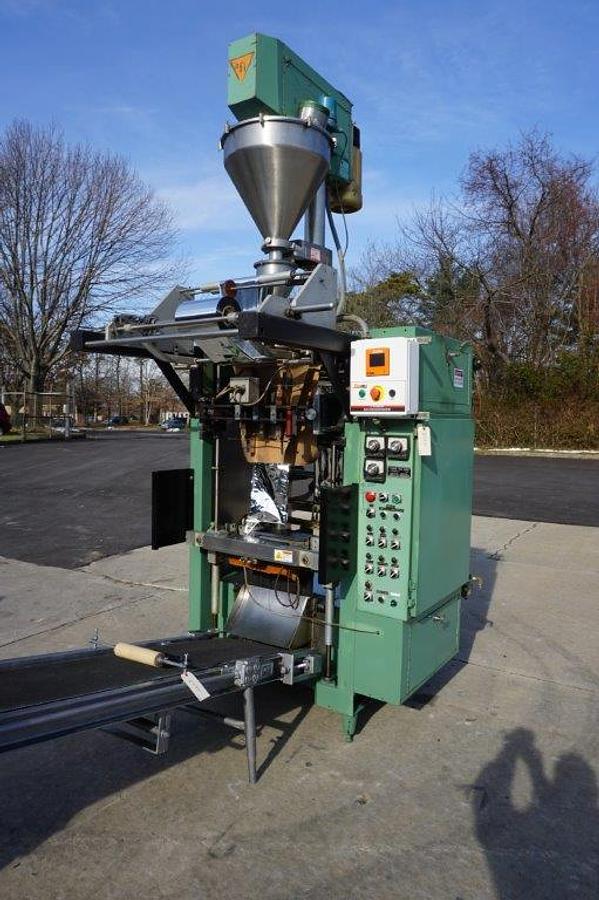
Prodo-Pak Corporation was a U.S.-based packaging machinery manufacturer that built a strong reputation across several machine categories. Their lineup included horizontal form-fill-seal (HFFS) machines, vertical form-fill-seal (VFFS) machines, stick pack and sachet packaging equipment, plastic tube filling and sealing machines, and auger-fed filling systems. Specific models like the 601-CSW series were designed as vertical form fill seal machines and could be configured with auger heads, piston fillers, or other filling mechanisms depending on the product being packaged. The T-30H, for example, was a plastic tube filling and sealing machine rated at 30 tubes per minute.
Beyond their core VFFS and HFFS platforms, Prodo-Pak was also recognized for vacuum sealers and shrink wrappers that helped extend product shelf life and improve presentation on retail shelves. Their machines were built with versatility in mind, allowing operators to run a range of pouch formats and fill types from a single platform. This flexibility made them a popular choice for contract packagers and manufacturers who needed to handle multiple SKUs or product types on one line. The breadth of their catalog means that used Prodo-Pak machines show up across a wide variety of industries and applications on the secondary market today.
What industries commonly use Prodo-Pak packaging machines?
Prodo-Pak machines found widespread use across several industries that demand reliable, high-output packaging solutions. The food and beverage sector was historically their largest market, with machines used to package powders, granules, liquids, sauces, condiments, and snack products. Their form-fill-seal platforms were particularly well suited to portion-controlled packaging formats like sachets, stick packs, and pillow pouches that are common in food service and retail.
Outside of food and beverage, Prodo-Pak equipment also gained traction in pharmaceutical, nutraceutical, and personal care manufacturing. These industries value the hygienic design and precise fill accuracy that Prodo-Pak machines were built to deliver. Nutraceutical companies, for instance, used their auger-fed VFFS machines to package protein powders, supplements, and drink mixes. Personal care manufacturers used tube filling models like the T-30H for lotions, creams, and gels. Because of this cross-industry appeal, used Prodo-Pak machines remain in demand among buyers looking for proven equipment that can handle a range of product types and packaging formats.
What is the typical price range for a used Prodo-Pak packaging machine?
Pricing for used Prodo-Pak machines varies considerably based on model, age, configuration, and overall condition. On the lower end, simpler or older models with basic configurations can be found in the $5,000 to $15,000 range. Mid-range machines, particularly VFFS models like the 601-CSW series with auger or piston filling heads, typically fall somewhere between $15,000 and $35,000 depending on the number of filling stations and included tooling. More complex or higher-output configurations with multiple piston heads, stainless steel construction, and full change parts can push well past $50,000.
Beyond the machine price itself, buyers should factor in additional costs that affect the total landed price. Shipping, rigging, and crating charges can add meaningfully to the overall investment, especially for larger machines that require heavy-duty loading equipment. If change parts or tooling for specific pouch sizes are not included with the machine, sourcing those separately adds further cost. Buyers should also consider the potential cost of replacement parts and any refurbishment work needed before the machine goes into production. Getting a clear picture of all these factors upfront helps avoid surprises and allows for a fair comparison between machines listed at different price points.
Do used Prodo-Pak machines come with a warranty?
Used packaging machines, including Prodo-Pak equipment, are typically sold as-is by equipment dealers. Warranties are generally offered by original manufacturers on brand-new equipment, and that type of coverage does not transfer to the secondary market. This is standard practice across the used machinery industry and places the responsibility of due diligence squarely on the buyer before completing a purchase.
Because of this, selecting a reputable used equipment dealer with a long track record in the packaging machinery space is especially important. Buyers should take full advantage of inspection opportunities, whether in person, via video call, or through detailed video documentation of the machine in its current state. It is also worth contacting Prodo-Pak's former support network or third-party service technicians familiar with the brand to understand what level of technical support and parts availability to expect for a specific model and age of machine. A thorough pre-purchase inspection and honest conversation with the dealer about the machine's history and condition is the most reliable way to protect the investment.
How can I inspect a used Prodo-Pak machine before buying?
Reputable used equipment dealers typically offer buyers several inspection options before committing to a purchase. In-person inspections are the most thorough approach and allow a buyer or their technician to physically examine the machine, check for wear on mechanical components, review electrical panels, and assess the overall condition of the frame, sealing jaws, and filling mechanisms. Some machines may still be installed at a production facility where the dealer can arrange access for a live inspection, giving the buyer a chance to see the equipment in or near its working environment.
For buyers who cannot travel, virtual inspections via video call or pre-recorded video walkthroughs are a practical alternative. A good dealer will walk through the key components on camera and answer questions in real time. Keep in mind that most equipment dealers are not set up to run actual production tests with customer product, as that requires different facility permitting and food safety certifications. The goal of any inspection, whether in person or virtual, is to get an accurate and honest picture of the machine's current mechanical condition. Buyers should ask specific questions about the machine's service history, any known issues, and how long it has been out of production, as these details directly affect how much reconditioning work may be needed before the machine is ready to run.
What should I know about sourcing replacement parts for a used Prodo-Pak machine?
Parts availability is one of the most important factors to evaluate before purchasing any used Prodo-Pak machine. Prodo-Pak Corporation is no longer operating as an active manufacturer, which means the direct pipeline for factory parts no longer exists. Some components, particularly wear items like sealing jaws, belts, and gaskets, may be available through third-party parts suppliers or packaging machinery service companies that stock legacy equipment components. However, availability is not guaranteed across all models, and older or less common configurations may present more sourcing challenges.
Before finalizing a purchase, buyers are strongly encouraged to identify which parts are most likely to need replacement based on the machine's age and condition, then verify whether those parts can be sourced before committing. Reaching out to packaging machinery service shops that specialize in form-fill-seal equipment is a practical starting point, as many of these shops have experience working on Prodo-Pak machines and may carry or be able to fabricate critical components. Buying a machine with a full set of spare parts included in the sale, if the dealer has them available, is another way to reduce the risk of downtime caused by parts shortages down the road.
What is the production output capacity of Prodo-Pak form-fill-seal machines?
Production speeds for Prodo-Pak machines vary depending on the model, the product being filled, the pouch format, and how the machine is configured. The T-30H plastic tube filling and sealing machine, for example, is rated at 30 tubes per minute, which is a clear benchmark for that specific model. VFFS machines like the 601-CSW series are designed for continuous or intermittent motion operation and can handle a range of output speeds depending on the fill volume, film type, and seal dwell time required for a given application.
For buyers trying to match a used machine to a specific production requirement, it is important to look beyond the stated maximum speed and consider the practical throughput for the actual product and pouch size in question. Heavier fills, thicker films, and longer seal dwell times all reduce effective output compared to a machine's rated maximum. Consulting with a packaging technician or the equipment dealer about realistic cycle rates for a specific application will give a more accurate picture of whether a particular Prodo-Pak model can meet the required production targets. If the machine will be integrated into a broader packaging line, the output speed also needs to be balanced against the upstream and downstream equipment it will be running alongside.
Can a used Prodo-Pak machine be integrated into an existing packaging line?
Prodo-Pak machines were designed with production line integration in mind, and many models can be connected to upstream and downstream equipment such as product feeders, conveyors, checkweighers, metal detectors, and case packers. The 601-CSW series, for instance, supports auger and piston filling heads that can be matched to specific product characteristics, making it adaptable to a range of line configurations. However, integration feasibility depends on the specific model, its current condition, and the control system it uses, so a detailed technical review is recommended before assuming a used machine will drop into an existing line without modification.
Older Prodo-Pak machines may use legacy control systems or PLCs that require updated interfaces or additional engineering work to communicate with modern line equipment. Buyers should ask the dealer for as much documentation as possible, including electrical schematics, operator manuals, and any available service records, as this information significantly reduces the time and cost of integration. Engaging a packaging systems integrator or an experienced packaging machinery technician early in the process is a practical way to identify any compatibility issues before the machine arrives on the floor. With the right preparation, used Prodo-Pak equipment can be successfully incorporated into both simple and more complex packaging lines.
What materials and products can Prodo-Pak packaging machines handle?
Prodo-Pak machines were engineered to handle a broad range of products and packaging materials, which is a big part of why they remained in demand across multiple industries. On the product side, their VFFS and auger-fed machines are well suited to free-flowing and semi-free-flowing dry products such as powders, granules, seeds, spices, coffee, protein supplements, and similar materials. Piston-filled configurations extend that capability to liquids, sauces, gels, and viscous products. The T-30H tube filling platform handles semi-solid and paste-type products commonly found in personal care and pharmaceutical applications.
For packaging materials, Prodo-Pak form-fill-seal machines are designed to run rollstock film, including laminated films, foil-based structures, and polyethylene-based materials commonly used in food and pharmaceutical packaging. The specific film compatibility depends on the model and how the sealing system is configured, so buyers should confirm that the machine they are considering can run the film structure required for their product. If the machine comes with existing tooling and change parts for a particular pouch size or format, that is worth noting, as change parts for legacy Prodo-Pak machines can take time to source or fabricate if a different format is needed.
What are the shipping and payment considerations when buying a used Prodo-Pak machine?
Shipping costs for used packaging machinery like Prodo-Pak equipment depend on the size and weight of the machine, the distance it needs to travel, and the level of packaging required to protect it in transit. Smaller machines may ship palletized with appropriate blocking and bracing, while larger VFFS systems often require custom crating to prevent damage during handling. Heavy machines may also need rigging services for loading and unloading, which is typically an added cost on top of freight. Buyers should request a full breakdown of packaging, rigging, and freight charges from the dealer before finalizing a purchase to understand the complete landed cost of the equipment.
For payment, most used equipment dealers require full payment before the machine is released for shipping. This is standard practice in the industry and applies regardless of the buyer's location. Some dealers may offer payment terms to established repeat customers, but first-time buyers should generally plan for payment in full upfront. Wire transfer is the most common payment method for used machinery transactions of this size. Clarifying all shipping, rigging, and payment details with the dealer before signing any purchase agreement helps avoid misunderstandings and ensures both parties are aligned on the full scope of the transaction.