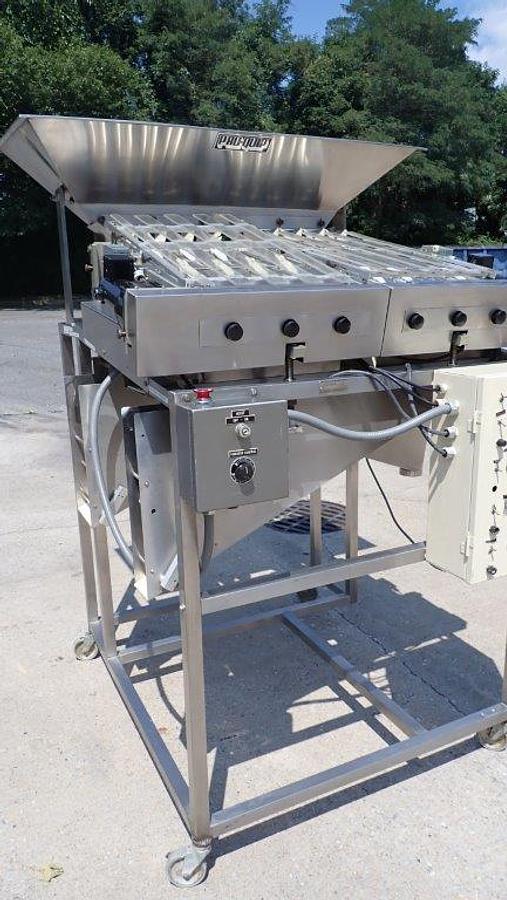
Category
Manufacturer
Model
FAQ:
What is a Pro-Quip tablet sorter and what is it used for?
A Pro-Quip tablet sorter is a piece of pharmaceutical equipment designed to organize, sort, and count tablets or capsules efficiently and accurately. These machines are commonly used in pharmacy settings, clinical environments, and medication packaging operations where large volumes of tablets need to be sorted by size, shape, or count without manual handling. The portable design of certain Pro-Quip models makes them practical for smaller pharmacy operations or facilities that need to move equipment between workstations.
The core purpose of a tablet sorter in pharmaceutical environments is to reduce human error during the dispensing process, speed up production, and maintain hygiene by minimizing direct contact with medications. Pro-Quip equipment in this category is built to handle the demands of professional pharmaceutical or healthcare workflows, making it a different class of equipment from basic consumer pill organizers. Buyers typically include independent pharmacies, compounding pharmacies, clinical research organizations, and pharmaceutical manufacturers looking to add sorting capacity to their operations.
What should buyers know about purchasing a used Pro-Quip tablet sorter versus buying one directly from a manufacturer?
Buying a used Pro-Quip tablet sorter from a reputable equipment dealer can offer significant cost savings compared to sourcing the same model through a manufacturer's standard sales channel. Used pharmaceutical equipment is commonly sold when facilities upgrade their lines, consolidate operations, or close down entirely, which means well-maintained machines frequently enter the secondary market at a fraction of their original cost. The key difference is that used equipment is sold as-is, so the responsibility for evaluating the machine's condition falls on the buyer rather than the seller.
Because used machines carry no manufacturer warranty and are sold without guarantees, buyers should prioritize working with dealers who have a long track record specifically in pharmaceutical and processing equipment. Requesting an inspection, whether in person or via video, is a standard and reasonable step before committing to a purchase. It is also worth contacting Pro-Quip directly to understand what parts and technical support are available for the specific model being considered, since older models may have limited parts availability. Doing this due diligence upfront protects buyers from unexpected costs after the machine arrives.
What tablet sizes and formats is the Pro-Quip tablet sorter compatible with?
Pro-Quip tablet sorters are generally designed to handle a range of standard tablet and capsule sizes used in pharmaceutical manufacturing and dispensing. Compatibility typically depends on the specific model and its adjustable settings or interchangeable components, such as sorting discs or trays calibrated for different tablet diameters and thicknesses. Round tablets, oblong tablets, and capsules of varying sizes can often be accommodated, though buyers should verify the exact specifications of the particular unit they are evaluating.
For used equipment specifically, it is important to confirm that all original components are present and functional, since missing or worn sorting parts can limit the range of tablet sizes the machine can handle. Asking the dealer for a complete inventory of included parts and accessories before purchase is a practical step. If the intended application involves a non-standard tablet size or shape, checking with a Pro-Quip technical representative about retrofit options or replacement components for that model is advisable before finalizing the purchase.
How is a Pro-Quip tablet sorter typically inspected before purchase?
Reputable used equipment dealers will generally offer buyers the opportunity to inspect a machine before committing to a purchase. This can take the form of an in-person visit to the dealer's facility or, in many cases, a virtual inspection conducted via video call where the dealer walks through the machine's condition, demonstrates any available functions, and shows close-up views of key components. Some machines may still be installed at the facility where they were used, in which case the dealer can arrange access to the site for a more thorough evaluation.
Buyers should use the inspection to assess the condition of the sorting mechanism, the integrity of contact surfaces, the state of any electrical components, and the completeness of the machine's parts. Keep in mind that most equipment dealers are not set up to run actual tablet sorting production during an inspection, since that would require pharmaceutical-grade permitting that dealers typically do not hold. The inspection is primarily a visual and mechanical assessment of the machine's current condition, not a full production test. Buyers who are uncertain about what to look for may want to bring in a qualified technician or consult with a Pro-Quip service representative before making a final decision.
What are the key considerations for cleaning and maintaining a used Pro-Quip tablet sorter?
Cleanliness is a non-negotiable requirement for any equipment used in pharmaceutical or healthcare environments, and tablet sorters are no exception. Pro-Quip tablet sorters are designed with pharmaceutical hygiene standards in mind, which generally means that contact surfaces are made from materials that can withstand regular cleaning with approved pharmaceutical solvents or sanitizing agents. When evaluating a used unit, buyers should inspect all product-contact surfaces for signs of wear, staining, or residue buildup that could indicate inadequate previous maintenance or difficulty cleaning certain areas of the machine.
For ongoing maintenance, following the manufacturer's cleaning protocols for the specific model is the safest approach. Buyers should request any available documentation, such as operation manuals or maintenance guides, from the dealer at the time of purchase. These documents outline recommended cleaning agents, disassembly procedures for thorough cleaning, and inspection intervals for wear parts. A used machine in good condition should have clean, undamaged contact surfaces and all seals or gaskets intact. If documentation is not available through the dealer, Pro-Quip may be able to provide model-specific maintenance information directly.
What materials are Pro-Quip tablet sorters typically constructed from?
Pharmaceutical-grade equipment like Pro-Quip tablet sorters is generally constructed from materials chosen specifically for their suitability in medication handling environments. This typically includes stainless steel for structural components and product-contact surfaces, along with medical-grade or BPA-free plastics for trays, hoppers, and sorting components. The use of these materials is driven by the need to prevent contamination, resist corrosion from cleaning agents, and meet the hygiene standards expected in pharmacy and clinical settings.
For buyers evaluating a used Pro-Quip tablet sorter, assessing the condition of these materials is an important part of the inspection process. Stainless steel components should be free from deep scratches, pitting, or corrosion. Plastic components should show no cracking, discoloration, or signs of chemical degradation that could compromise the integrity of the surface or create areas where residue could accumulate. Replacing worn contact-surface components before putting the machine into service is a common and prudent step when acquiring used pharmaceutical equipment.
How does the portable design of the Pro-Quip tablet sorter affect its practical use?
The portable configuration of certain Pro-Quip tablet sorter models is a practical feature for facilities where floor space is limited or where equipment needs to be moved between different workstations or production areas. A portable unit is typically mounted on a frame with casters or designed to be compact enough for tabletop use, making it easier to reposition without the rigging or infrastructure requirements associated with larger fixed equipment. This flexibility is particularly valuable for independent pharmacies, compounding operations, or smaller clinical facilities that need sorting capability without dedicating permanent floor space to the machine.
From a logistics standpoint, the portable design also has implications for shipping and relocation. Portable machines are generally easier and less expensive to crate and transport than large fixed equipment, though proper packaging is still essential to prevent damage in transit. Buyers should confirm with the dealer exactly how the machine will be packaged for shipment, what rigging or unloading equipment will be needed at the destination, and what the full landed cost will be including freight and any required crating. Getting clarity on these details before purchase avoids surprises once the machine is in transit.
What is the typical price range for a used Pro-Quip tablet sorter?
Pricing for used pharmaceutical sorting equipment varies considerably depending on the model, age, condition, and included accessories. Used Pro-Quip tablet sorters in the secondary market can range from a few hundred dollars for basic portable units to several thousand dollars for more capable or better-maintained machines. The specific configuration, the completeness of the parts set, and the seller's assessment of the machine's working condition all factor into the asking price. Buyers comparing listings should look carefully at what is included, since a lower-priced unit missing key components may end up costing more once replacement parts are factored in.
Because used equipment is sold as-is, the price reflects the machine's current state rather than a standardized quality level. Buyers are encouraged to ask dealers for a detailed description of the machine's condition, the history of its use, and any known issues before making a price judgment. Factoring in shipping costs, any required inspection fees, and potential costs for cleaning or part replacement gives a more accurate picture of the total investment. Working with a dealer who specializes in pharmaceutical equipment tends to result in more accurate condition assessments and more transparent pricing.
What should buyers understand about shipping and delivery for a used Pro-Quip tablet sorter?
Shipping pharmaceutical equipment like a tablet sorter requires careful planning to make sure the machine arrives without damage. Dealers will typically package the unit based on its size and fragility, which can range from basic palletization to full wooden crating for more delicate or complex machines. The level of packaging directly affects the shipping cost, so buyers should ask the dealer specifically how the machine will be prepared for transit and what that preparation adds to the total cost. Larger or heavier units may also require specialized freight carriers and forklift or liftgate service at the destination, which are additional costs to account for.
Most used equipment dealers require full payment before a machine is released for shipping. Once the machine is in transit, the buyer generally assumes responsibility, so understanding the packaging method and confirming it is adequate for the machine's size and value is important before agreeing to ship. Buyers should also confirm whether the dealer handles freight coordination or whether the buyer is responsible for arranging pickup. Getting a clear breakdown of all costs, including palletization or crating, freight, and any required rigging for loading, gives buyers an accurate picture of the full landed cost before committing to the purchase.
How can buyers verify that a used Pro-Quip tablet sorter is the right fit for their operation before purchasing?
The most reliable way to evaluate fit before purchasing a used tablet sorter is to request as much information as possible about the specific machine being offered. This includes the model number, approximate age, the environment it was used in, the tablet types and volumes it handled, and any maintenance or service history the seller has on record. Cross-referencing the model number with Pro-Quip's product documentation gives buyers a clear picture of the machine's designed capabilities and whether those align with the intended application.
Beyond documentation, arranging a thorough inspection is the most direct way to assess whether the machine will meet operational needs. A video inspection or in-person visit allows buyers to see the condition of all key components, ask questions in real time, and identify anything that may need attention before the machine goes into service. Consulting with Pro-Quip about parts availability and technical support for that specific model is also a smart step, particularly for older units where support resources may be more limited. Buyers who take these steps are in a much stronger position to make a confident purchasing decision than those who rely solely on a listing description.