Category
Manufacturer
Model
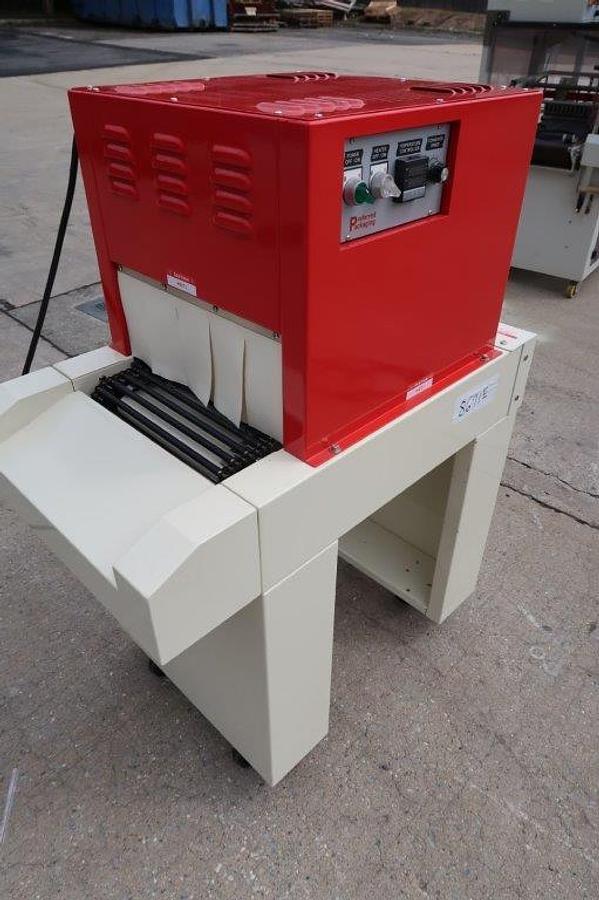
Preferred Packaging/Excel Packaging Systems
Preferred Packaging/Excel Packaging Systems offers a range of packaging solutions, particularly for the food industry. Their machines are designed for high-speed operations and ensure product integrity.
FAQ:
What is a Preferred Packaging Excel Packaging System and what does it do?
Preferred Packaging Excel systems are automated bagging and packaging machines designed for moderate to high production environments. The Excel line typically includes horizontal or vertical form-fill-seal configurations as well as open-mouth bagging machines, all built around a relatively straightforward mechanical design that prioritizes reliability and ease of maintenance. These machines are widely used across food production, industrial goods, and consumer products applications where consistent, repeatable packaging at speed is a priority.
The machines handle the core functions of bag forming, product filling, and sealing in a single integrated process. Sealing options across the Excel line have included heat seal and impulse seal configurations depending on the specific model and the film or bag material being used. PLC controls on many models allow operators to adjust parameters and manage changeovers between bag sizes without extensive retooling. The Excel line has earned a reputation in the industry for durability, and the mechanical simplicity of the design means that field repairs and ongoing maintenance tend to be more accessible compared to more complex modern systems.
What types of products or industries are Preferred Packaging Excel systems commonly used for?
Preferred Packaging Excel systems have a strong track record in food industry applications, where product integrity, sanitary design, and consistent sealing are critical requirements. Common food applications include dry goods, snack products, frozen items, and other products that move through high-speed packaging lines. Beyond food, these machines are also found in industrial and consumer goods facilities where bagging speed and reliability are the primary drivers of equipment selection.
The machines are designed for high-speed operations, which makes them a practical fit for facilities running moderate to high production volumes where downtime is costly. Their durability and relatively simple mechanical construction have made them a long-standing choice for operations that need dependable performance without the complexity of more elaborate automated systems. Buyers sourcing used Excel systems should verify that the specific model they are considering matches the product type, bag size range, and throughput requirements of their production line before purchase.
What should I check when evaluating a used Preferred Packaging Excel system before buying?
Several mechanical and electrical factors deserve close attention before committing to a used Preferred Packaging Excel machine. On the mechanical side, buyers should examine the condition of the sealing components, including the seal bars, heating elements, and any belts or drive components that experience regular wear. The bag forming and filling mechanisms should move freely without binding, and any PLC or control panel should power on and respond correctly. Asking for a video inspection or arranging an in-person visit is the most reliable way to assess current working condition, since a used machine cannot be fully evaluated from photos alone.
Electrical compatibility is another area that frequently gets overlooked until after purchase. Preferred Packaging Excel systems may be configured for single-phase or three-phase power at varying voltages and amperage draws, and a mismatch with the buyer's facility can mean significant added cost to adapt the electrical supply. Buyers should request the machine's full electrical specifications before finalizing a purchase. It is also worth contacting Preferred Packaging or a qualified service technician to understand parts availability for the specific model and age of the machine, since support and spare parts can vary depending on how long a particular model has been out of production.
What is the typical price range for a used Preferred Packaging Excel Packaging System?
Pricing for used Preferred Packaging Excel systems varies considerably based on model, age, configuration, and overall condition. Entry-level or older models in basic configurations can be found at lower price points, while more recent machines with PLC controls, higher throughput ratings, and additional automation features command higher prices on the used market. Condition is arguably the single biggest factor, as a well-maintained machine from a food production facility that was regularly serviced will typically be priced higher than one that has been sitting idle or shows significant wear.
Buyers should also factor in costs beyond the purchase price itself. Shipping, rigging, and any crating or palletization required for safe transport can add meaningfully to the total landed cost, particularly for larger or heavier configurations. If the machine requires electrical modifications, replacement parts, or mechanical servicing upon arrival, those costs need to be part of the budget calculation as well. Getting a full picture of landed cost before committing to a purchase is the most reliable way to avoid surprises.
Does a used Preferred Packaging Excel system come with a warranty?
Warranties on used packaging equipment are handled very differently than on equipment purchased directly from a manufacturer. Manufacturers typically provide warranty coverage on equipment sold through their authorized channels. Used equipment dealers, by contrast, generally sell machinery on an as-is basis, which places the responsibility for evaluating condition squarely on the buyer. This makes the inspection process especially important, and it is one of the primary reasons buyers should work with dealers who have a long track record in the packaging machinery industry specifically.
Before purchasing a used Excel system, buyers should take full advantage of any inspection options the dealer offers, whether that means an in-person visit, a live video walkthrough, or recorded video of the machine operating. It is also worth reaching out to Preferred Packaging directly to understand what level of technical support and parts availability they provide for the specific model and production year in question, since older models may have more limited manufacturer support. Selecting a dealer who specializes in packaging equipment and can speak knowledgeably about the machine's history and condition is one of the most practical ways to reduce risk on a used equipment purchase.
What film or bag materials are compatible with Preferred Packaging Excel systems?
Preferred Packaging Excel systems are designed to work with a range of flexible packaging films and pre-made bag formats, with the specific compatibility depending on the model and sealing configuration. Heat seal and impulse seal variants are common across the Excel line, and each is better suited to particular film types. Polyethylene, polypropylene, and laminated film structures are among the materials commonly run on these machines in food and industrial applications. Buyers should confirm the sealing type on the specific unit they are considering and cross-reference it against the film or bag material used in their own operation.
Bag size range is another compatibility factor worth verifying before purchase. Excel systems are typically designed to handle a defined range of bag widths and lengths, and changeover between sizes is managed through adjustments to the forming and sealing components. If a facility runs multiple SKUs with significantly different bag dimensions, it is important to confirm that the machine's adjustment range covers all required formats. Consulting with a packaging film supplier or a machinery technician familiar with the Excel line can help buyers confirm material and format compatibility before committing to a specific unit.
How fast do Preferred Packaging Excel systems run, and what affects throughput?
Throughput on Preferred Packaging Excel systems is typically measured in bags per minute, and the rated speed varies by model and configuration. Many Excel machines are built for moderate to high production volumes, with speeds that can range from several bags per minute on semi-automatic configurations up to significantly higher rates on fully automatic setups. The actual throughput a facility achieves in practice depends on factors including the product being packaged, bag size, fill weight, and how consistently product is being fed into the machine.
Mechanical condition also plays a meaningful role in real-world performance on used equipment. A machine that has worn sealing components, belt slippage, or control issues may not reach its rated speed or may experience more downtime than expected. Buyers evaluating a used Excel system should ask about the machine's production history, including the speeds it was running at in its previous application, and request a demonstration or video showing the machine cycling at speed if possible. Understanding the gap between rated speed and actual achievable throughput in a specific application is an important part of matching the machine to a facility's production requirements.
How is a used Preferred Packaging Excel system typically shipped, and what are the logistics involved?
Shipping a used packaging machine like a Preferred Packaging Excel system involves more planning than standard freight because of the size, weight, and mechanical sensitivity of the equipment. Dealers typically arrange for the machine to be palletized or crated prior to shipment, with the level of packaging determined by the machine's dimensions, weight, and fragility. Smaller portable units may require only basic palletization, while larger or more complex configurations may need full wooden crating to prevent damage in transit. The cost of this packaging work is generally passed on to the buyer and should be confirmed upfront.
For heavier machines, rigging is often required for safe loading at the origin and unloading at the destination. Rigging involves specialized equipment and labor to move heavy machinery without damaging it or creating a safety hazard, and this is typically an additional cost separate from the freight charge itself. Buyers should ask the dealer for a detailed breakdown of all shipping-related costs, including palletization or crating, rigging, freight, and any liftgate or inside delivery charges, so that the full landed cost of the machine is understood before the purchase is finalized.
What are the typical payment terms when purchasing a used Preferred Packaging Excel system?
Used packaging equipment dealers generally require payment in full before a machine is released for shipment. This is standard practice across the used machinery industry and reflects the fact that most dealers are not set up to extend credit to first-time buyers. Buyers should plan for this requirement and have funds available or financing arranged before entering into a purchase agreement. Some dealers may offer payment terms to repeat customers with an established purchasing history, but this is the exception rather than the rule.
For buyers who need financing, third-party equipment financing companies can sometimes be engaged to fund a used machinery purchase, with the buyer working out those arrangements independently of the dealer. It is worth clarifying accepted payment methods with the dealer early in the process, as wire transfer is the most common form of payment for used equipment transactions of this type. Getting all purchase terms, including price, shipping costs, and any agreed-upon inspection conditions, documented in writing before sending payment is a straightforward step that protects both parties.
Can a used Preferred Packaging Excel system be inspected before purchase, and how does that process work?
Inspection options for used Preferred Packaging Excel systems typically include in-person visits, live video walkthroughs conducted over a video call, and recorded video footage of the machine provided by the dealer. The goal in all cases is to give the buyer an accurate picture of the machine's current mechanical condition before committing to a purchase. In some situations, the machine may still be installed and running at the facility where it was used, which can allow for an inspection while the equipment is in active production. In other cases, the machine may have already been decommissioned and is available for inspection at a dealer's location.
It is worth understanding that most equipment dealers are not set up to run actual production tests with a buyer's specific product, as operating a production facility requires permitting and infrastructure that a machinery dealer does not typically have. What dealers can generally demonstrate is that the machine powers on, cycles correctly, and that the major mechanical and electrical components are functioning. Buyers with specific performance requirements should factor this limitation into their evaluation process and consider engaging an independent machinery technician to accompany them during an in-person inspection if a thorough mechanical assessment is needed.