Category
Manufacturer
Model
FAQ:
What types of used Praxair cryogenic equipment are typically available on the secondary market?
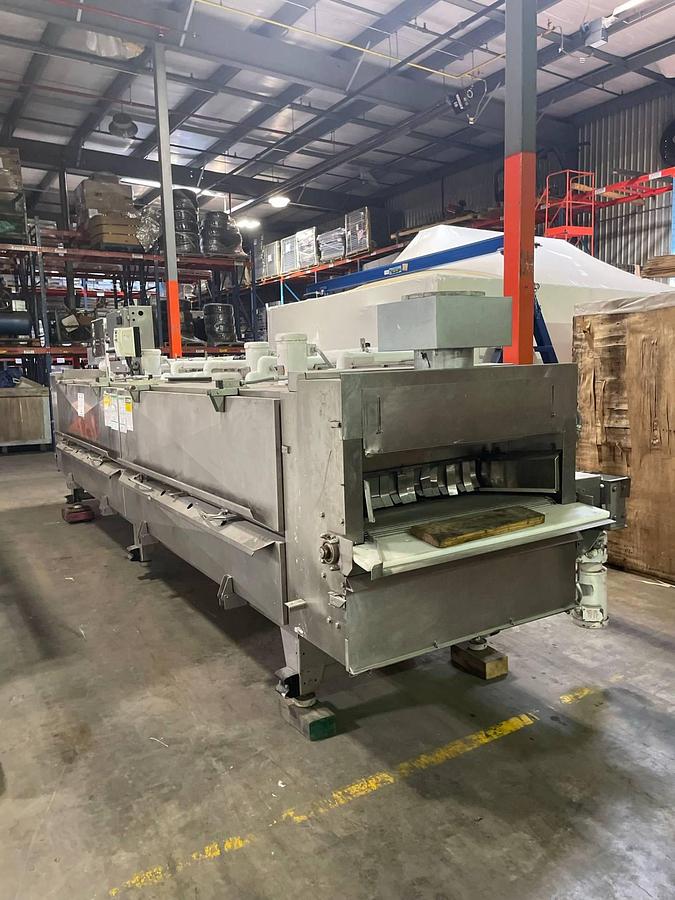
Used Praxair cryogenic equipment covers a fairly wide range of industrial and food-processing applications. The most commonly available units on the secondary market include bulk cryogenic storage tanks, microbulk delivery systems, cryogenic liquid cylinders (often called dewars), vaporizers, and specialty processing equipment like cryogenic freeze tunnels. Freeze tunnels, for example, are used in food production to rapidly chill or freeze products on a conveyor belt, with units ranging from compact bench-scale systems to large inline tunnels exceeding 25 feet in belt length. Each equipment type serves a distinct function, so buyers should identify their specific process requirements before evaluating listings.
Beyond storage and freezing equipment, used Praxair cryogenic systems designed for liquid nitrogen, liquid oxygen, liquid argon, and liquid CO2 service are all found through reputable used machinery dealers. Because Praxair (now operating under the Linde umbrella following the 2018 merger) was one of the largest industrial gas and cryogenic equipment suppliers in the world, their equipment was deployed across healthcare, food processing, aerospace, and manufacturing facilities globally. That wide deployment history means a relatively healthy supply of used units enters the market as facilities upgrade, consolidate, or close. Buyers benefit from the brand's long production history, which generally supports parts availability and technical documentation.
What should buyers inspect when purchasing used Praxair cryogenic storage tanks?
Cryogenic storage tanks operate under demanding conditions, holding liquefied gases at extremely low temperatures, often below negative 300 degrees Fahrenheit, while maintaining vacuum-jacketed insulation to minimize heat transfer. When evaluating a used Praxair tank, buyers should pay close attention to the condition of the vacuum jacket, as a degraded vacuum dramatically reduces holding time and increases product loss. The inner vessel, outer shell, pressure relief valves, and all associated plumbing and fittings should be visually inspected for corrosion, mechanical damage, or signs of prior repair. Asking the seller for any available service records or prior inspection reports adds important context about the tank's maintenance history.
Buyers should also verify the tank's pressure rating and confirm it matches their intended application. Praxair cryogenic vessels are typically manufactured to ASME standards and may carry DOT or UN certifications depending on the vessel type and intended use. These certifications are critical for regulatory compliance in industries like healthcare and food processing. Since used equipment dealers generally offer machinery on an as-is basis, arranging an in-person or video inspection before purchase is strongly advised. Some dealers can facilitate inspections at the facility where the equipment is currently located, which may include tanks that are still in active service. Consulting with a qualified cryogenic technician during the inspection process is a practical step that can prevent costly surprises after delivery.
What gases are compatible with Praxair cryogenic equipment?
Praxair designed its cryogenic equipment lines to handle the primary industrial cryogenic gases, including liquid nitrogen (LN2), liquid oxygen (LOX), liquid argon (LAr), and liquid carbon dioxide (LCO2). Each gas has distinct boiling points, density characteristics, and material compatibility requirements, and Praxair equipment is typically rated and labeled for specific service. Liquid oxygen service, for instance, requires materials and cleaning standards that prevent combustion risk, while liquid nitrogen and argon service is less restrictive from a reactivity standpoint. Buyers should always confirm that a used vessel was originally built and certified for the gas they intend to store, and that it has not been contaminated by an incompatible substance.
Using cryogenic equipment outside its rated gas service is a serious safety concern and may violate regulatory requirements. When purchasing used Praxair cryogenic tanks or cylinders, request documentation that identifies the vessel's rated service gas, working pressure, and any relevant certifications. If the original documentation is unavailable, a qualified inspector or the manufacturer's technical support team may be able to assist in identifying the vessel's specifications based on the model number and serial number stamped on the nameplate. Praxair's transition into Linde means that technical support resources may still be accessible for many legacy Praxair models, though availability can vary based on equipment age.
How does a cryogenic freeze tunnel work, and what industries use them?
A cryogenic freeze tunnel uses a controlled flow of liquid nitrogen or liquid CO2 to rapidly freeze products as they move along a conveyor belt through an insulated enclosure. As the cryogen is injected into the tunnel, it vaporizes and absorbs a large amount of heat from the product, dropping surface and core temperatures very quickly. This rapid freezing process, sometimes called individual quick freezing (IQF), produces smaller ice crystals compared to slower mechanical freezing methods, which generally results in better texture and moisture retention in the finished product. Belt length, conveyor speed, and cryogen injection rate are the primary variables that determine throughput and final product temperature.
The food processing industry is the dominant user of cryogenic freeze tunnels, applying them to proteins like poultry, beef, and seafood, as well as baked goods, prepared meals, and produce. Pharmaceutical and biotech operations also use cryogenic tunnel-style equipment for specific temperature-sensitive applications. Used Praxair cryogenic freeze tunnels, including stainless steel units with belt lengths of 25 feet or more, appear periodically on the secondary market as food processors upgrade capacity or change production lines. Buyers evaluating used freeze tunnels should inspect the belt condition, insulation panels, cryogen injection nozzles, and control systems, and should confirm that the unit's belt width and throughput capacity match their production requirements.
What certifications and compliance standards apply to Praxair cryogenic tanks?
Praxair cryogenic storage vessels are generally manufactured to American Society of Mechanical Engineers (ASME) pressure vessel codes, which set requirements for design, materials, fabrication, inspection, and testing. ASME certification is a baseline expectation for stationary bulk storage tanks used in the United States. Portable cryogenic cylinders and transport vessels may also carry Department of Transportation (DOT) certifications, and units intended for international shipment or use may carry UN certifications. These marks confirm that the vessel meets specific pressure, construction, and safety requirements for transporting hazardous cryogenic liquids.
For buyers in regulated industries, confirming that a used vessel retains its certification status is an important step. ASME-coded vessels carry a nameplate with the code stamp, manufacturer's name, serial number, design pressure, and other key data. DOT-certified cylinders have requalification requirements, typically requiring periodic pressure testing at intervals defined by federal regulations. A used vessel that has missed its requalification date may require inspection and recertification before it can be legally placed back into service. Buyers should factor potential recertification costs into their total acquisition budget and consult with a qualified pressure vessel inspector or a cryogenic service company to assess the current compliance status of any used equipment they are considering.
What is the typical lifespan of a Praxair cryogenic storage tank?
Cryogenic storage tanks are built to last, and well-maintained Praxair vessels routinely remain in service for 20 to 30 years or longer. The longevity of a cryogenic tank depends heavily on the quality of its vacuum insulation, the integrity of the inner and outer vessels, and whether the tank has been properly maintained and periodically inspected throughout its service life. Vacuum-jacketed tanks that lose their vacuum insulation prematurely due to a seal failure or physical damage will experience significantly reduced performance and may require costly repairs. Tanks that have been operated within their rated pressure and temperature limits and kept in clean service generally age well.
On the secondary market, buyers frequently encounter used Praxair cryogenic tanks that are 10 to 20 years old and still fully functional. Age alone is not a disqualifying factor, but it does make thorough inspection more important. Older tanks may have components such as pressure relief valves, gauges, or piping that need replacement regardless of the vessel's overall condition. Buyers should also check with Linde (Praxair's successor company) regarding parts availability and technical support for older model numbers, since support resources can diminish as equipment ages out of active production. Factoring in the cost of any needed component replacements when evaluating a used tank purchase helps buyers arrive at a realistic total cost of ownership.
How should buyers approach inspecting used cryogenic equipment before purchasing?
Reputable used equipment dealers typically offer buyers the option to inspect machinery in person, via video call, or through detailed video footage captured at the seller's facility. For cryogenic equipment, an in-person inspection is the most thorough option, allowing a buyer or their appointed technician to physically examine the vessel, check nameplates and certification markings, test any accessible valves and gauges, and assess the overall mechanical condition. Some equipment may still be in active production at a plant, in which case the dealer can often coordinate a visit to the operating facility. Other units may already be decommissioned and staged in a warehouse or yard.
One important limitation to keep in mind is that most used equipment dealers do not have the permitting or infrastructure to conduct live operational testing with actual cryogenic liquids. This means a buyer cannot typically request a full functional demonstration under load. The inspection is therefore focused on physical condition, documentation review, and mechanical assessment rather than live performance testing. To compensate for this limitation, buyers should request all available documentation including prior inspection reports, service records, and the original equipment nameplate data. Engaging a third-party cryogenic equipment specialist to participate in the inspection, either in person or remotely via video, adds a layer of technical expertise that can meaningfully reduce the risk of purchasing equipment with hidden deficiencies.
What are the key differences between buying and leasing cryogenic equipment?
Buying cryogenic equipment outright, particularly used equipment, gives the owner full control over the asset without ongoing lease payments or contractual obligations to a specific gas supplier. This is a meaningful advantage for operations that want flexibility in sourcing their cryogenic gases or that have already established a preferred supply relationship. Purchasing used equipment also typically offers a lower upfront cost compared to acquiring equivalent capacity through a lease on newer equipment. The tradeoff is that all maintenance, repair, and compliance costs fall entirely on the buyer, and there is no manufacturer or lessor providing ongoing service support.
Leasing cryogenic equipment, by contrast, has historically been bundled with gas supply agreements from major suppliers like Praxair. Under these arrangements, the gas company owns the tank and provides maintenance, but the customer is contractually tied to purchasing gas from that supplier, often at prices that reflect the cost of the equipment lease embedded in the gas rate. Buyers of used Praxair equipment on the secondary market sidestep these supply agreements entirely, since the equipment is sold independently of any gas contract. This can represent a significant operational and financial advantage for facilities that want to negotiate gas supply terms independently or that already have cryogenic infrastructure in place and simply need additional capacity.
What should buyers understand about shipping and rigging costs for used cryogenic equipment?
Cryogenic equipment varies enormously in size and weight, and shipping costs can be a substantial part of the total acquisition expense. Smaller units like liquid cylinders and dewars may ship via standard freight with appropriate packaging and palletization. Larger bulk storage tanks and industrial freeze tunnels, however, require specialized rigging for loading and unloading, flatbed or lowboy trucking, and in some cases oversized load permits depending on the vessel's dimensions. Buyers should request a detailed breakdown of all packaging, crating, rigging, and freight costs from the dealer before finalizing a purchase, since these expenses can run into thousands of dollars for large equipment.
The condition in which equipment is prepared for shipment also matters. Cryogenic vessels should be properly purged and dried before transport to prevent moisture contamination and internal corrosion during transit. Freeze tunnels and other processing equipment with conveyor systems, insulation panels, or control cabinets may need to be partially disassembled for safe transport and then reassembled at the destination. Buyers should clarify with the dealer exactly what disassembly, packaging, and preparation will be performed prior to shipment, and whether the quoted freight price includes delivery to the buyer's dock or requires the buyer to arrange their own unloading equipment. Getting all of these details in writing before payment is a straightforward way to avoid unexpected costs.
What payment terms do used cryogenic equipment dealers typically require?
The standard practice among used industrial equipment dealers is to require full payment before equipment is released for shipment. This applies broadly across the used machinery market and is not specific to cryogenic equipment. The rationale is straightforward: used equipment dealers are typically holding inventory they have already purchased, and releasing a machine before payment clears creates significant financial exposure. Buyers who are unfamiliar with this norm sometimes find it surprising, but it is the accepted convention in the industry. Wire transfer is the most common payment method for transactions of meaningful size, though some dealers also accept credit cards for smaller purchases.
Some dealers extend payment terms to established repeat customers with whom they have a documented transaction history, but this is the exception rather than the rule for first-time buyers. Buyers working with a dealer for the first time should expect to pay in full prior to shipment and should factor the timing of payment and fund availability into their purchasing timeline. For high-value equipment like large cryogenic storage tanks, buyers may want to work with a dealer who has a verifiable track record in the cryogenic or industrial gas equipment space, as this reduces the risk associated with prepayment. Checking references, reviewing the dealer's history, and confirming that the equipment can be inspected before payment are all reasonable steps to take before committing funds.