Category
Manufacturer
Model
Power-Pack
Power-Pack is known for its packaging machinery, particularly in the food sector. They provide a range of solutions that enhance packaging efficiency and product preservation.
FAQ:
What types of packaging machinery does Power-Pack manufacture?
Power-Pack is a recognized brand in the packaging machinery industry, producing equipment used across food processing, pharmaceutical, and industrial packaging operations. Their product lineup includes vertical form-fill-seal (VFFS) machines, horizontal wrappers, multihead weighers, bottle conveyors, and related packaging line components. The brand is particularly well known in the food sector, where their machines are used to improve packaging efficiency and extend product shelf life.
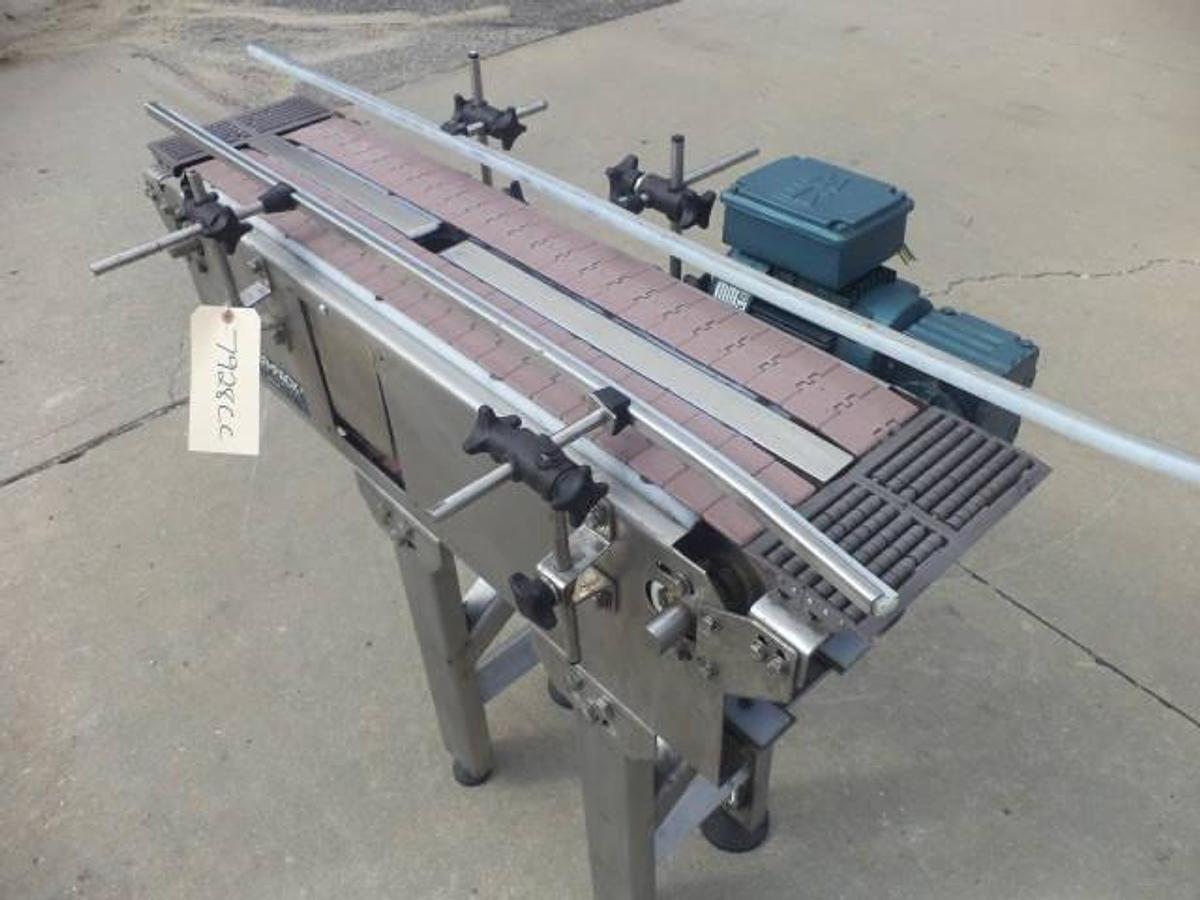
Used Power-Pack equipment available on the secondary market spans a range of configurations and capacities. A common example is the dual lane bottle conveyor, which is a stainless steel unit designed to move bottles through a packaging line efficiently. Buyers sourcing used Power-Pack machinery should review the specific model and configuration carefully, as the brand has produced equipment across multiple generations and production scales.
What should buyers know before purchasing used Power-Pack packaging equipment?
Buying used packaging machinery requires more due diligence than purchasing factory-direct equipment. Since used machines are sold as-is, the condition, age, and service history of the equipment matter significantly. Buyers should request detailed photos, video walkthroughs, or in-person inspections before committing to a purchase. A reputable used equipment dealer with a long track record in the packaging machinery sector is a key starting point, as their expertise helps buyers avoid machines that are beyond practical repair or missing critical components.
It is also worth contacting Power-Pack directly or consulting with a knowledgeable dealer to understand what level of manufacturer support is available for a specific model. Older machines or discontinued models may have limited parts availability or reduced technical documentation. Knowing this upfront helps buyers plan for maintenance costs and sourcing of replacement components, which can significantly affect the total cost of ownership over the machine's remaining service life.
How do buyers inspect used Power-Pack machinery before buying?
Reputable used equipment dealers typically offer three inspection options: in-person visits to the dealer's facility, virtual walkthroughs via video call, or pre-recorded video captures of the machine. Each method gives the buyer a look at the machine's physical condition, visible wear, and any obvious mechanical issues. For machines that are still installed and running at a production facility, some dealers can arrange a live inspection at the plant, where the buyer may even be able to observe the equipment in operation.
One important limitation to keep in mind is that most used equipment dealers are not set up to run actual production tests with product. Running a full production trial requires specific permitting and facility conditions that a dealer typically does not have. Buyers who need to verify throughput speeds, sealing quality, or fill accuracy should discuss this with the dealer early in the process to understand what level of functional testing is realistically possible before the sale.
What industries use Power-Pack packaging machinery?
Power-Pack equipment is most closely associated with the food and beverage industry, where their machines handle products ranging from snacks and dry goods to bottled liquids. Their conveyors, wrappers, and filling systems are designed to meet the hygiene and throughput demands common in food processing environments. Stainless steel construction is a standard feature on many models, making them suitable for washdown environments and compliance with food safety requirements.
Beyond food and beverage, Power-Pack machinery has been used in pharmaceutical packaging and general industrial applications where consistent, high-speed packaging is required. Buyers from these sectors should verify that the specific used machine they are considering meets any applicable regulatory standards for their industry, such as FDA compliance for food-grade applications or relevant certifications for pharmaceutical use. The age and configuration of a used machine can affect whether it meets current standards, so this review is an important part of the pre-purchase process.
What is the typical price range for used Power-Pack packaging machines?
Pricing for used Power-Pack packaging machinery varies widely depending on the type of equipment, its age, condition, and configuration. A simple conveyor or single-function piece of equipment will generally sell for significantly less than a complete form-fill-seal system or a multi-lane packaging line. On the lower end, individual components or smaller machines may be priced in the low thousands of dollars, while larger, more complex systems in good working condition can command prices in the tens of thousands.
Buyers should factor in more than just the listed sale price. Shipping, rigging, crating, and any refurbishment or parts replacement needed after delivery all contribute to the true landed cost of the equipment. Getting a clear picture of these additional expenses before finalizing a purchase helps avoid surprises and allows for a more accurate comparison between available options. Contacting the dealer directly for a full cost breakdown is always a practical first step.
Are replacement parts available for used Power-Pack packaging equipment?
Parts availability for used Power-Pack machinery depends largely on the age and model of the equipment. For machines that are relatively recent or from a still-supported product line, parts can often be sourced directly through the manufacturer or through authorized distributors. Older or discontinued models may require sourcing parts from third-party suppliers, specialty rebuild shops, or the secondary market itself, where decommissioned machines are sometimes purchased specifically for parts.
Before purchasing a used Power-Pack machine, it is worth reaching out to the manufacturer to ask specifically about parts support for that model. This conversation can reveal whether common wear items like sealing jaws, belts, sensors, or drive components are still in production or available from stock. Dealers who specialize in packaging machinery can also be a useful resource, as they often have experience sourcing parts for a range of brands and models and can give buyers a realistic picture of what ongoing maintenance will involve.
What is throughput speed and why does it matter when evaluating packaging machinery?
Throughput speed refers to how many packages, bags, or units a machine can process per minute under normal operating conditions. It is one of the most important technical specifications buyers compare when evaluating packaging equipment, because it directly determines whether a machine can keep up with a facility's production requirements. A machine that cannot meet the required output rate becomes a bottleneck, reducing overall line efficiency and potentially increasing labor costs to compensate.
For used machinery, the rated throughput speed listed in manufacturer specifications may not reflect actual current performance, since wear, component aging, and previous maintenance history all affect how fast a machine can reliably run. During an inspection, buyers should ask whether the machine has been tested recently and at what speed it was last running in production. If the machine is still in active use at a facility, observing it under real production conditions provides the most accurate sense of its current capabilities.
What certifications should buyers look for in used packaging machinery?
The most commonly referenced certifications for packaging machinery include CE marking, which indicates conformity with European health and safety standards, and FDA compliance for equipment used in food or pharmaceutical applications in the United States. Some buyers also look for NSF certification on equipment that will contact food products, or UL/CSA listings for electrical components. Whether a used machine still meets these standards depends on its age, any modifications made during its service life, and current regulatory requirements in the buyer's jurisdiction.
Buyers should be aware that certifications on used equipment are not automatically transferable or guaranteed to reflect current compliance standards. Regulations evolve over time, and a machine that was compliant when manufactured may require updates or documentation review before it can be used in a regulated production environment. Consulting with a compliance specialist or the relevant regulatory body before commissioning used packaging machinery in a food, beverage, or pharmaceutical facility is a practical precaution that can prevent costly issues down the line.
What are the shipping and logistics considerations when buying used packaging machinery?
Shipping used packaging equipment involves more complexity than standard freight. Machines need to be properly secured, palletized, or crated to prevent damage during transit, and the level of packaging required depends on the size, weight, and fragility of the equipment. Buyers should ask the dealer specifically what packaging method will be used and whether the machine will be shrink-wrapped, bolted to a pallet, or enclosed in a custom crate. These choices directly affect both shipping costs and the likelihood of the equipment arriving in good condition.
Larger machines often require specialized rigging for loading and unloading, which adds to the overall cost. A forklift, crane, or flatbed truck may be necessary depending on the machine's dimensions and weight. Buyers should request a full breakdown of shipping, rigging, and crating costs from the dealer before finalizing the purchase, so they have a clear picture of the total landed cost. Failing to account for these expenses upfront can lead to budget surprises, particularly for heavy or oversized equipment.
What payment terms are typical when purchasing used packaging machinery from a dealer?
Most used equipment dealers require full payment before a machine is released for shipment. This is standard practice in the industry and reflects the nature of used equipment transactions, where machines are often sold to buyers in different states or countries and the dealer needs assurance of payment before coordinating logistics. Payment is commonly accepted by wire transfer, though some dealers may accept other forms depending on the transaction size and the buyer's relationship with the dealer.
Repeat customers or buyers with an established history with a particular dealer may occasionally be offered payment terms, but this is not the norm for first-time transactions. Buyers who are unfamiliar with a dealer should take time to research the company's reputation, look for reviews or references, and confirm that the dealer has a verifiable track record in the packaging machinery sector. This due diligence is especially important given that full payment is typically required upfront and the equipment is sold as-is.