Category
Manufacturer
Model
Pizzamatic
Pizzamatic is known for its specialized equipment for the pizza industry, including pizza ovens and conveyors. Their machines are designed to optimize cooking times and maintain product quality, making them a favorite among pizzerias.
FAQ:
What types of Pizzamatic equipment are available on the used market?
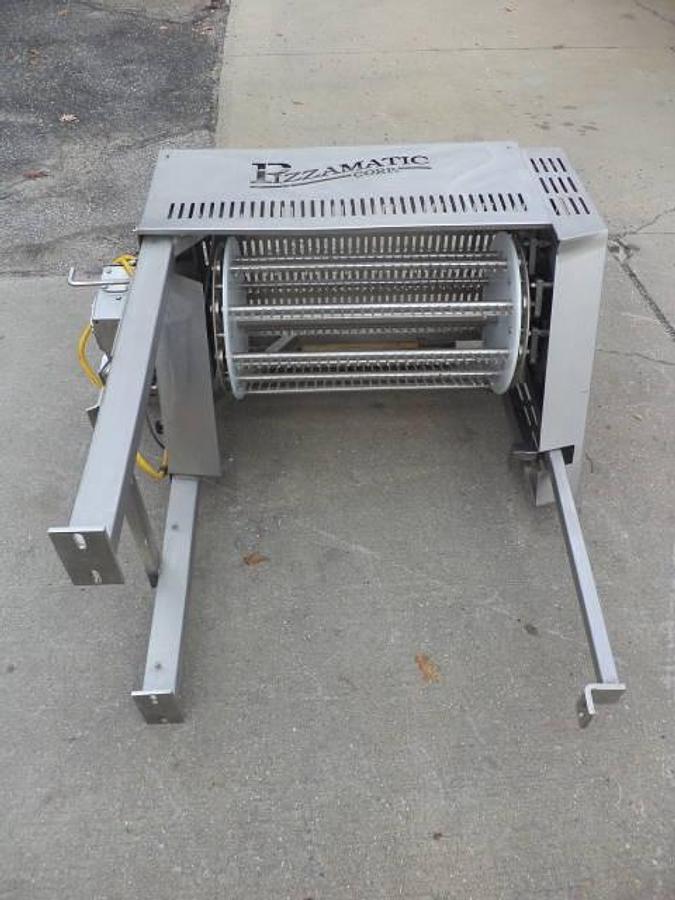
Pizzamatic produces a range of specialized machines built specifically for automated pizza production. The lineup includes pizza ovens, conveyor systems, dough dividers, dough rounders, dough pressers, sauce applicators, and topping applicators. One of the more distinctive pieces in the Pizzamatic catalog is the 'waterfall' topping applicator, which is designed to apply cheese and other toppings evenly across a pizza as it moves along a conveyor. These machines are engineered to work together as part of a complete production line, though individual units also appear on the used equipment market as standalone purchases.
On the used market, availability shifts depending on what commercial kitchens, frozen pizza manufacturers, and food service operations are decommissioning at any given time. Buyers searching for a specific model or machine type should work with dealers who specialize in food processing and pizza production equipment, as they are more likely to source and properly identify Pizzamatic units than general industrial machinery dealers. Checking with a specialist dealer regularly is worthwhile, since inventory turns over as production facilities upgrade or close.
Is Pizzamatic equipment designed for high-volume commercial pizza production?
Yes, Pizzamatic machines are built with high-volume, continuous production in mind. The equipment is a common choice for large pizzerias, frozen pizza manufacturers, restaurant chains, and food service distributors that need to produce large quantities of pizza consistently and with minimal labor input. The automation built into Pizzamatic systems handles repetitive tasks like portioning dough, pressing crusts, applying sauce, and distributing toppings at speeds that would be impossible to match manually, while maintaining consistent results across thousands of units per shift.
The key advantage for high-volume operations is portion accuracy and output consistency. Automated topping applicators like the Pizzamatic waterfall cheese applicator ensure that each pizza receives a uniform coverage, which matters both for product quality and for cost control in operations where ingredient waste adds up quickly. Buyers considering used Pizzamatic equipment for a production environment should verify the specific throughput ratings of the model they are evaluating, as capacity can vary across different machine generations and configurations.
What should buyers know about purchasing used Pizzamatic equipment versus buying from a manufacturer?
Buying used Pizzamatic equipment offers a significant cost advantage compared to sourcing comparable machinery through a manufacturer, but it comes with a different set of responsibilities for the buyer. Used machines are sold as-is, meaning there is no manufacturer-backed coverage, and the condition of the equipment depends entirely on how it was maintained and operated by the previous owner. This puts the burden of due diligence squarely on the buyer, which is why selecting a reputable used equipment dealer with a demonstrated track record in food processing machinery matters so much.
Buyers should prioritize dealers who specialize in pizza or food production equipment rather than general industrial surplus dealers, because industry-specific expertise translates into more accurate machine identification, better condition assessments, and more useful guidance on whether a particular Pizzamatic unit fits the intended application. Before committing to a purchase, buyers should request an inspection, ask about the machine's history and last known operating condition, and consult directly with Pizzamatic or an authorized service provider to understand what parts and technical support are available for that specific model and age of machine.
How can buyers inspect used Pizzamatic equipment before purchasing?
Reputable used equipment dealers typically offer several inspection options: in-person visits to the dealer's facility, virtual walkthroughs conducted over video call, or pre-recorded video documentation of the machine. For Pizzamatic equipment that is still installed and running at a production facility, some dealers can arrange an in-person inspection at the plant itself, where the buyer can observe the machine in its actual working environment. This kind of live inspection is particularly valuable for complex automated equipment like conveyor systems and topping applicators, where seeing the machine cycle through its operation tells you far more than photos alone.
It is worth understanding that most used equipment dealers are not set up to run full production tests, since operating food processing equipment commercially requires separate permitting and facility requirements that a machinery dealer will not have. The goal of an inspection is to get an accurate picture of the machine's mechanical condition, not necessarily to produce finished pizzas. Buyers should use the inspection to check for wear on conveyor belts and drive components, inspect the condition of applicator nozzles and hoppers, look for signs of corrosion or damage, and verify that controls and motors respond correctly. Combining a thorough inspection with a consultation with Pizzamatic's technical support team gives buyers the most complete picture before committing.
Are replacement parts and service support available for used Pizzamatic machines?
Parts and service availability is one of the most important factors to evaluate before purchasing any used commercial food equipment, and Pizzamatic is no exception. The availability of replacement parts for a specific Pizzamatic machine depends on the model and how old it is. Older or discontinued models may have limited parts availability through the manufacturer, which can make repairs more difficult and expensive if something fails. Before purchasing, buyers should contact Pizzamatic directly to ask about parts availability and technical support for the specific model they are considering.
Beyond the manufacturer, there is often a secondary market for replacement components through third-party parts suppliers and other used equipment dealers. For critical production environments, it is a good practice to identify which components are most likely to need replacement over time (belts, nozzles, seals, motors) and confirm that those parts can be sourced before the machine goes into service. Buyers should also ask the selling dealer whether any documentation, manuals, or service records accompany the machine, as having access to the original technical documentation significantly simplifies maintenance and troubleshooting.
What certifications should buyers look for when evaluating used Pizzamatic equipment?
For commercial food production environments, equipment certifications are a practical concern that affects both regulatory compliance and facility insurance. The most relevant certifications for Pizzamatic equipment include NSF (National Sanitation Foundation) certification, which confirms that the machine meets food safety and sanitation standards, UL (Underwriters Laboratories) certification for electrical safety, and CE marking for equipment intended for use in European markets. These certifications are assigned to specific models at the time of manufacture, so a used machine either carries them or it does not, regardless of its current condition.
When purchasing used equipment, buyers should ask the dealer to confirm which certifications apply to the specific unit being sold and request any documentation that came with the machine. Health inspectors and facility auditors in commercial food production environments will sometimes ask to see certification documentation, so having it on hand is practical. If the original certification paperwork is unavailable, buyers can often verify a machine's certification status by contacting the relevant certifying body with the model and serial number. Buyers operating in regulated production environments should also consult with their local health authority to confirm which certifications are required for their specific use case.
What is the typical price range for used Pizzamatic equipment?
Pricing for used Pizzamatic equipment varies considerably depending on the type of machine, its age, its condition, and current market availability. Individual components like a sauce applicator or a topping applicator will typically carry a lower price point than a complete conveyor oven or a full automated production line. In general, used commercial pizza production equipment from established manufacturers like Pizzamatic tends to hold its value reasonably well compared to generic food processing equipment, because the machines are purpose-built for a specific application and the demand from commercial pizza operations remains steady.
Buyers should factor in more than just the purchase price when evaluating total cost. Shipping, rigging, installation, any necessary reconditioning, and the cost of sourcing replacement parts for worn components all contribute to the true landed cost of a used machine. Getting a detailed quote from the dealer that breaks out packaging, freight, and any loading or unloading costs specific to the machine's size and weight will help avoid surprises. Comparing the total cost of a used Pizzamatic unit against the cost of alternative equipment, including newer machines from other manufacturers, gives buyers a clearer picture of the actual value.
What are the shipping and logistics considerations for used Pizzamatic equipment?
Pizzamatic machines, particularly conveyor ovens and full production line components, are large and heavy pieces of equipment that require careful handling during transit. Proper packaging is essential to prevent damage, and depending on the size and weight of the machine, this can range from standard pallet wrapping to full custom crating. Buyers should ask the selling dealer specifically how the machine will be packaged, what rigging is required for loading at the origin and unloading at the destination, and whether those rigging costs are included in the quoted shipping price or billed separately.
For larger machines, a freight carrier with experience in heavy industrial equipment is typically required, and the buyer's facility needs to have adequate unloading capabilities, such as a dock, a forklift, or a crane, depending on the machine's dimensions and weight. Buyers should confirm these logistics requirements before finalizing the purchase to avoid delays or additional costs at delivery. Getting a complete landed cost breakdown from the dealer, including all freight, rigging, and packaging charges, is the most reliable way to understand what the equipment will actually cost to get into service.
Can used Pizzamatic equipment handle different pizza sizes and crust thicknesses?
Pizzamatic equipment is engineered for the commercial pizza production environment, and many models are designed with adjustability in mind to accommodate different product specifications. Dough pressers and dividers, for example, can often be adjusted for different portion weights and crust thicknesses, while conveyor systems may allow for speed adjustments that affect cooking time and browning level. Topping applicators like the waterfall cheese applicator are typically adjustable for coverage volume, which can be calibrated for different pizza diameters and topping density requirements.
The specific range of adjustability depends on the model and its original configuration. When evaluating a used Pizzamatic machine, buyers should ask the dealer about the adjustment range of the unit and whether any tooling, dies, or changeover parts required for different pizza sizes are included with the sale. Some machines may have been configured specifically for one product format by their previous owner, and returning them to a broader range of settings may require additional components or service. Consulting with Pizzamatic technical support about a specific model's capabilities before purchasing is a practical step for buyers who need flexibility across multiple product formats.
What payment terms should buyers expect when purchasing used Pizzamatic equipment?
Most used equipment dealers require payment in full before a machine is released for shipping. This is standard practice in the used industrial equipment market and applies regardless of the purchase price. The reasoning is straightforward: once a machine leaves a dealer's possession, verifying its condition or recovering it in a dispute becomes significantly more complicated. Buyers should plan for this requirement and have financing or funds arranged before finalizing a purchase agreement.
Some dealers may offer payment terms to established repeat customers with a demonstrated purchase history, but this is not a standard offering for first-time buyers. Buyers who need financing options should explore equipment financing through third-party lenders who specialize in commercial food processing machinery, as this can allow for payment over time while the dealer still receives full payment at closing. Before sending any payment, buyers should confirm the dealer's accepted payment methods, get a written purchase agreement that clearly describes the machine, its condition, and what is included in the sale, and verify that the dealer has a verifiable track record in the industry.