Category
Manufacturer
Model
FAQ:
What types of equipment does Pietribiasi manufacture?
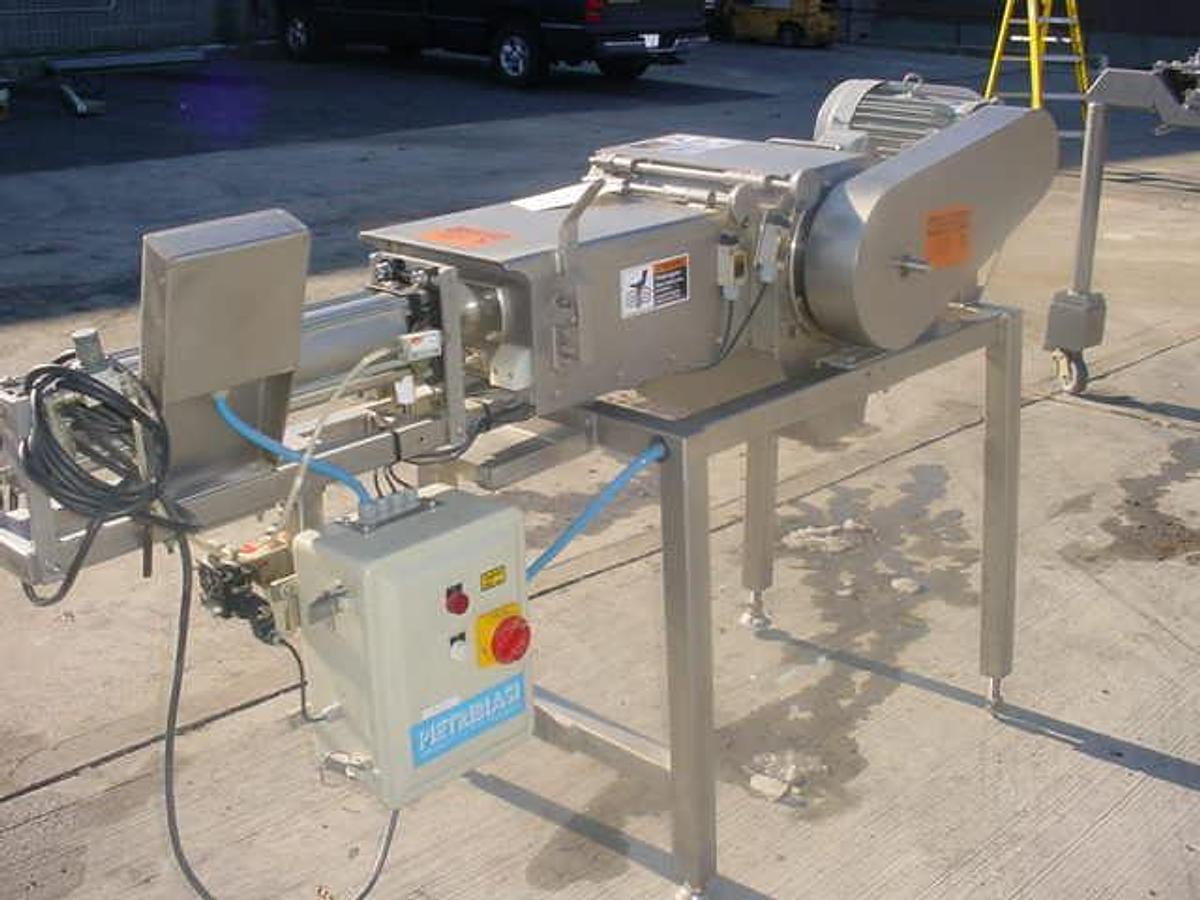
Pietribiasi is an Italian manufacturer with a long history in dairy and food processing equipment. The company is particularly well known for its pasteurization systems, including HTST (high-temperature short-time) and batch pasteurizers, as well as homogenizers, cream separators, butter churns, yogurt processing units, and UHT treatment systems. Pietribiasi also produces specialized equipment like frozen block chippers and flakers, which are used to break down large frozen blocks of ingredients for further processing in food production environments.
The brand has built its reputation serving small to medium dairy operations, artisan cheese producers, and larger industrial food processing facilities across Europe and internationally. Because Pietribiasi covers such a wide range of dairy and food processing applications, buyers sourcing used equipment from this manufacturer can often find machines that fit very specific production needs, from small-batch artisan setups to higher-capacity industrial lines.
What industries are Pietribiasi machines best suited for?
Pietribiasi equipment is primarily designed for the dairy processing industry. This includes facilities that produce pasteurized milk, cream, butter, yogurt, cheese, and other cultured or heat-treated dairy products. The equipment is engineered to meet the hygienic and thermal processing demands that dairy production requires, making it a practical choice for both small creameries and larger commercial dairy plants.
Beyond traditional dairy, Pietribiasi machines are also applicable in broader food processing contexts where similar thermal treatment, separation, or size-reduction processes are needed. For example, frozen block chippers and flakers from Pietribiasi are used in meat processing, seafood, and prepared food manufacturing where frozen raw materials need to be broken down before further processing. This cross-industry versatility makes used Pietribiasi equipment appealing to buyers outside of strictly dairy-focused operations as well.
What should I know before buying used Pietribiasi equipment?
Buying used Pietribiasi equipment requires a clear understanding of the machine's current condition, its maintenance history, and whether the specific model is still supported by the manufacturer in terms of parts and technical guidance. Pietribiasi has been producing equipment since the mid-20th century, so the age of a particular machine can vary widely. Older models may have limited parts availability, which is worth confirming directly with the manufacturer before committing to a purchase. Contacting Pietribiasi or an authorized service provider to ask about support for a specific model and serial number is a practical step that many experienced buyers take.
Used equipment is sold as-is, so the responsibility for verifying condition falls on the buyer. Reputable dealers will typically offer in-person or video inspections so buyers can assess the machine's physical state, check for wear, and review any documentation available. Choosing a dealer who specializes in food processing equipment and has a demonstrated track record in the industry adds an important layer of confidence to the transaction, since they are more likely to accurately represent what a machine is and is not capable of.
How do I inspect used Pietribiasi equipment before purchasing?
Most reputable used equipment dealers will accommodate inspections either in person, via live video call, or through detailed video recordings of the machine. For Pietribiasi dairy and food processing equipment, a thorough inspection should cover the condition of stainless steel surfaces, seals, gaskets, heating or cooling components, and any drive or mechanical systems. Visible corrosion, pitting on food-contact surfaces, or signs of improper repairs are all things to look for. If the machine is still installed at a production facility, some dealers can arrange for the inspection to take place while the equipment is still in operation, which gives a much clearer picture of its working condition.
It is worth understanding that most equipment dealers do not have production facilities themselves, so running a full production test with actual product is generally not something they can offer. The inspection is focused on mechanical and physical condition rather than a full production trial. Buyers with specific process requirements may want to bring in a qualified technician or engineer who is familiar with Pietribiasi equipment to participate in the inspection and ask targeted questions about the machine's history and current state.
What is the typical price range for used Pietribiasi equipment?
Pricing for used Pietribiasi equipment varies considerably depending on the type of machine, its age, condition, size, and production capacity. Smaller units like batch pasteurizers or cream separators in good working condition might be available at a fraction of what a comparable piece of food-grade processing equipment would cost through other channels. Larger, more complex systems such as complete cheese production lines or high-capacity UHT treatment systems will naturally command higher prices, sometimes reaching into the tens of thousands of dollars or more depending on specifications.
Because these are used machines, condition plays a significant role in pricing. A well-maintained Pietribiasi pasteurizer with documented service history will typically be priced higher than a similar unit with unknown maintenance history or visible wear. Buyers should also factor in the full landed cost of the equipment, including shipping, rigging, and any refurbishment or parts replacement that may be needed after purchase. Getting a complete picture of these additional costs before finalizing a purchase helps avoid surprises and makes it easier to compare options accurately.
Are spare parts and technical support available for used Pietribiasi equipment?
Parts availability for used Pietribiasi equipment depends significantly on the age and model of the machine. Pietribiasi, as an established Italian manufacturer with decades of production history, does support many of its equipment lines, but older or discontinued models may have limited or no parts available directly from the manufacturer. Before purchasing a used Pietribiasi machine, it is advisable to contact the manufacturer directly and provide the model number and serial number to get a clear answer on what level of support and parts supply can be expected going forward.
For machines where factory parts are no longer available, buyers sometimes work with third-party fabricators or food equipment service specialists who can manufacture replacement components to specification. Stainless steel food processing equipment often lends itself to this kind of aftermarket support because many components are relatively straightforward to fabricate. That said, more complex components like specialized pump assemblies, control systems, or proprietary heating elements may be harder to source outside of the manufacturer's supply chain. Understanding this before purchase helps buyers make a realistic assessment of the long-term serviceability of a specific machine.
What is a frozen block chipper or flaker, and what is it used for in food processing?
A frozen block chipper or flaker is a piece of food processing equipment designed to break down large, solid frozen blocks of raw material into smaller chips, flakes, or pieces that can be fed into downstream processing equipment. In food manufacturing, raw ingredients like meat, fish, butter, cheese, or fruit are often stored and transported in large frozen blocks for efficiency and preservation. Before these materials can be processed further, they need to be reduced in size, and a frozen block chipper handles that task without requiring the material to be thawed first, which helps preserve quality and reduce processing time.
Pietribiasi produces stainless steel frozen block chippers and flakers built to food-grade hygiene standards, making them suitable for use in dairy, meat, seafood, and prepared food production environments. The stainless steel construction is important in food processing applications because it resists corrosion, is easy to clean, and meets the sanitary requirements that food production facilities must maintain. Used Pietribiasi frozen block chippers are sought after by food manufacturers looking for reliable size-reduction equipment at a lower capital cost than purchasing comparable equipment through other means.
How does buying used Pietribiasi equipment compare to sourcing other food processing equipment options?
Pietribiasi has a strong reputation in the dairy and food processing industry built over several decades of manufacturing. Buyers sourcing used equipment from this brand are generally working with machines that were built to a high standard for demanding food production environments, which is one reason used Pietribiasi equipment holds its appeal in the secondary market. The stainless steel construction, food-grade design, and the brand's focus on dairy and food processing applications mean that these machines were purpose-built for the environments where they are likely to be redeployed.
Compared to sourcing generic or less established brands on the used market, buying a used Pietribiasi machine offers the potential advantage of manufacturer support, at least for newer models, and a larger community of technicians and service providers who are familiar with the equipment. The trade-off, as with any used equipment purchase, is that condition and remaining service life vary from machine to machine. Buyers who do their due diligence through thorough inspection and parts availability checks are generally better positioned to get reliable value from a used Pietribiasi purchase than those who buy based on price alone.
What are the shipping and logistics considerations when purchasing used Pietribiasi equipment?
Pietribiasi equipment ranges from relatively compact tabletop units to large industrial processing systems, and the shipping requirements vary accordingly. Smaller machines can often be palletized and shipped via standard freight carriers, but larger units like full pasteurization systems or complete processing lines may require specialized rigging for loading and unloading, flatbed transport, or even disassembly before shipping. Buyers should ask the dealer specifically about how the equipment will be packaged, what rigging will be needed at both the origin and destination, and what the estimated freight costs are before finalizing the purchase.
The full landed cost of used equipment includes not just the purchase price but also the cost of crating or packaging, domestic and international freight if applicable, customs duties for cross-border shipments, and any rigging or installation costs at the buyer's facility. For heavy industrial food processing equipment, these additional costs can be substantial and should be factored into the total budget from the start. Dealers who specialize in food processing equipment are generally better equipped to provide accurate shipping estimates and coordinate the logistics of moving large or heavy machines safely.
What payment terms should buyers expect when purchasing used Pietribiasi equipment from a dealer?
Used equipment dealers typically require full payment before a machine is released for shipping. This is standard practice in the industry and reflects the nature of used equipment transactions, where the dealer needs to confirm cleared funds before committing to packaging, rigging, and freight arrangements. Buyers who are working with a dealer for the first time should expect to pay in full upfront, and should confirm the accepted payment methods, which commonly include wire transfer, though specifics vary by dealer.
Some dealers may offer extended payment terms to repeat customers or buyers with established relationships, but this is not the norm for first-time transactions. Buyers should also clarify the timeline between payment and shipment, as some equipment may need to be prepared, inspected, or crated before it can leave the dealer's facility. Understanding the full payment and shipping timeline upfront helps avoid delays and ensures both parties are aligned on expectations before the transaction is finalized.