Category
Manufacturer
Model
FAQ:
What types of Pharmafill equipment are commonly available on the used market?
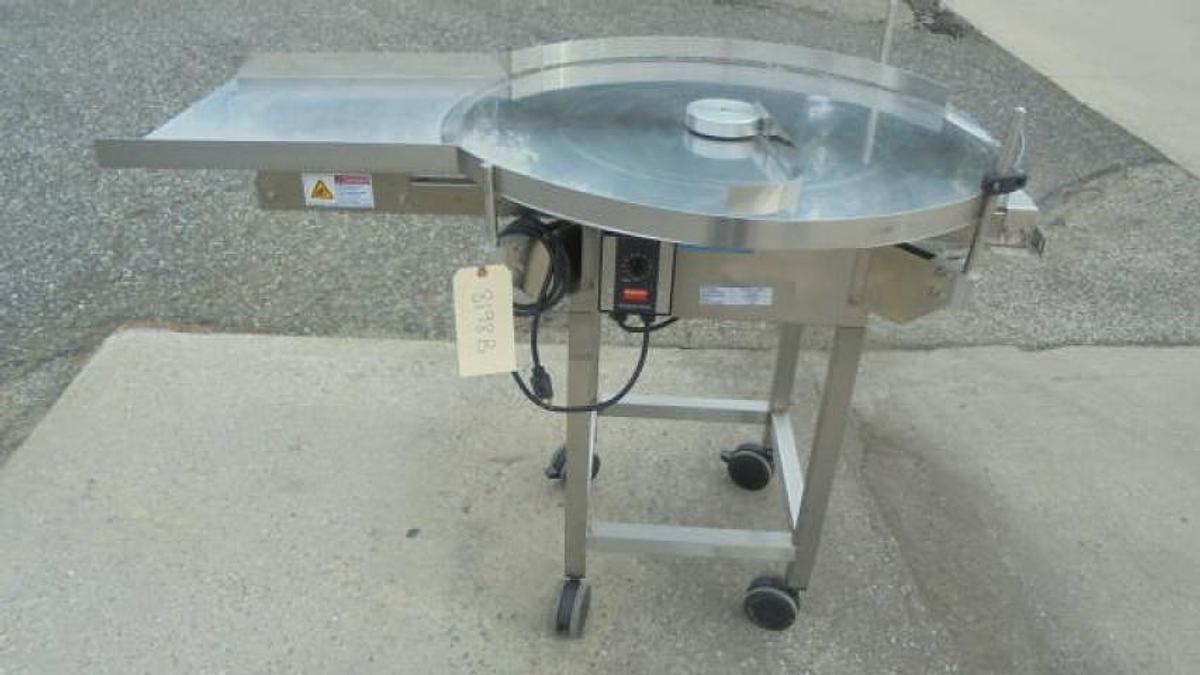
Pharmafill produces a range of pharmaceutical filling and packaging equipment, and the used market regularly sees several categories come up for sale. The most frequently traded pieces include capsule filling machines in both manual and semi-automatic configurations, as well as rotary unscrambling and accumulating tables used for bottle handling and line integration. Capsule fillers from Pharmafill are designed to handle hard gelatin and HPMC capsules filled with powders, granules, pellets, and micro-tablets, making them versatile across a variety of product types. Rotary accumulating tables, such as the 36-inch diameter stainless steel variable-speed models, are also sold separately and are useful for managing product flow on a packaging line.
Buyers shopping for used Pharmafill equipment should pay attention to the specific model and its intended application, since Pharmafill's lineup spans entry-level benchtop units suited for small-batch compounding up to higher-output semi-automatic machines appropriate for mid-sized nutraceutical or pharmaceutical operations. Knowing exactly which machine fits your production volume and capsule size requirements before purchasing will save significant time and expense down the line. Reputable used equipment dealers who specialize in pharmaceutical machinery will typically have detailed specifications and photos available for each listing.
Is used Pharmafill equipment suitable for small-scale or startup pharmaceutical and nutraceutical operations?
Pharmafill has built a strong reputation specifically among smaller operations, compounding pharmacies, and nutraceutical startups, largely because the brand's machines are designed with simplicity and low maintenance in mind. The manual and semi-automatic capsule fillers in their lineup require minimal operator training compared to fully automated alternatives, which makes them a practical fit for businesses that are scaling up gradually or running limited production volumes. Purchasing a used Pharmafill machine can lower the capital barrier significantly compared to buying equivalent equipment directly from a manufacturer, which is one reason the brand appears so frequently in the used pharmaceutical equipment market.
That said, startups and smaller operations should approach used equipment purchases with due diligence. Since used machines are sold as-is, buyers should request an in-person or video inspection before committing to a purchase. This allows you to assess the machine's condition, check for wear on tooling and contact parts, and confirm that the unit operates as described. It is also worth contacting Pharmafill directly to understand what parts and support are available for the specific model you are considering, since older or discontinued models may have limited manufacturer support.
What is the typical price range for used Pharmafill capsule filling machines?
Pricing for used Pharmafill capsule filling machines varies considerably depending on the model, age, condition, and included tooling. Entry-level manual capsule fillers from Pharmafill can sell for a few hundred to a couple thousand dollars on the used market, while semi-automatic models with higher output capacities and more complete tooling sets generally command prices in the range of several thousand dollars. Accessories such as extra capsule size tooling plates, tamping pins, and powder hoppers can add meaningful value to a listing and should be factored into any price comparison.
Beyond the machine price itself, buyers should account for the full landed cost, which includes packaging, freight, and any rigging required for loading and unloading. Larger or heavier units may need specialized rigging equipment for safe transport, and those costs are typically separate from the equipment price. Asking the dealer for a complete breakdown of all associated costs before finalizing a purchase is the best way to avoid surprises. Dealers who specialize in pharmaceutical packaging equipment are generally better positioned to give accurate freight estimates for this type of machinery.
Do Pharmafill machines meet FDA and GMP compliance standards?
Pharmafill designs its equipment with pharmaceutical-grade construction in mind, and many models feature stainless steel contact surfaces and tool-free disassembly to support cleaning validation, both of which align with Good Manufacturing Practice (GMP) principles. However, compliance is ultimately the responsibility of the facility operating the equipment, not the machine itself. Whether a specific used Pharmafill unit meets your regulatory requirements depends on factors including the machine's current condition, your production environment, your internal quality systems, and the specific FDA regulations or international standards applicable to your product category.
When purchasing a used machine, buyers should inspect contact surfaces carefully for wear, pitting, or corrosion that could compromise cleanability. It is advisable to consult with your quality assurance team or a regulatory specialist before integrating any used equipment into a validated production environment. Reaching out to Pharmafill directly can also clarify whether a particular model was built to current GMP standards and whether documentation such as material certifications or equipment drawings is still available for that unit.
What production output capacity can you expect from Pharmafill filling machines?
Output capacity across the Pharmafill lineup varies significantly by model type. Manual capsule filling machines are designed for low-volume applications and typically allow an operator to fill a few hundred to a couple thousand capsules per hour depending on operator speed and capsule size. Semi-automatic Pharmafill models are considerably faster, with some capable of producing tens of thousands of capsules per hour under optimal conditions. The actual throughput a buyer achieves in practice will depend on the product being filled, the capsule size, operator proficiency, and how well the machine has been maintained.
When evaluating a used Pharmafill machine, it is reasonable to ask the dealer about the machine's rated capacity and, where possible, to review any available production records from its previous use. Keep in mind that most used equipment dealers do not have the permitting required to run actual product through a machine during a demonstration, so capacity claims are generally based on manufacturer specifications and the machine's operational history. Inspecting the condition of filling discs, tamping stations, and drive components can give a useful indication of whether the machine is likely to perform close to its rated output.
Can Pharmafill capsule filling machines handle different capsule sizes?
Yes, Pharmafill capsule filling machines are designed to accommodate multiple capsule sizes, and most models can be configured to run size 0, 00, and 000 capsules, among others. Switching between capsule sizes requires changing the tooling, which typically includes the filling disc, tamping pins, and related components specific to each capsule size. These changeover parts are sometimes included with a used machine purchase, but that is not always the case, so buyers should confirm exactly what tooling is included in any listing before purchasing.
Replacement and additional tooling for Pharmafill machines is generally available through the manufacturer or third-party tooling suppliers, though availability can vary for older models. If you plan to run multiple capsule sizes in your operation, it is worth identifying the cost and availability of the required tooling sets before finalizing your equipment selection. When inspecting a used machine, check the condition of any included tooling carefully, since worn or damaged filling discs and tamping pins can affect fill accuracy and capsule integrity.
What should buyers inspect when purchasing used Pharmafill equipment?
Thorough inspection is one of the most important steps in buying any used pharmaceutical equipment, and Pharmafill machines are no exception. Key areas to examine include the condition of all stainless steel contact surfaces for corrosion, pitting, or scratches that could harbor contamination. Drive components such as motors, belts, and gearboxes should be checked for wear, and any electronic controls or sensors should be tested for proper function. For capsule fillers specifically, the filling discs, tamping stations, and powder hoppers are high-wear areas that deserve close attention.
Most reputable used equipment dealers will accommodate in-person inspections at their facility, and many also offer video inspections or recorded walkthroughs for buyers who cannot travel. In some cases, equipment may still be installed at the facility where it was last used, which can allow for an inspection while the machine is still connected to utilities. Because dealers generally cannot run actual pharmaceutical product through a machine for regulatory reasons, the inspection focuses on mechanical condition and operational function rather than a full production trial. Buyers who are uncertain about what to look for may benefit from bringing a qualified equipment technician or engineer to assist with the evaluation.
What are the shipping and logistics considerations for used Pharmafill equipment?
Shipping used pharmaceutical equipment requires careful planning to prevent damage in transit. Smaller Pharmafill units such as benchtop capsule fillers can typically be palletized and shipped via standard freight carriers, but the packaging needs to be secure enough to protect sensitive mechanical and electronic components. Larger pieces, such as rotary accumulating tables, may require custom crating and heavier-duty rigging for safe loading and unloading at both the origin and destination. Rigging costs are generally separate from freight charges and should be discussed with the dealer upfront.
Buyers should ask dealers for a detailed breakdown of all shipping-related costs before agreeing to a purchase, including packaging, freight, and any rigging or lift-gate services required. The goal is to understand the full landed cost of the equipment rather than just the listed machine price. International buyers should also factor in customs clearance, import duties, and any compliance documentation that may be required to bring pharmaceutical equipment across borders. Providing accurate delivery location details, including whether a loading dock or forklift is available at the destination, will help the dealer give a more precise shipping estimate.
What are the payment terms typically associated with purchasing used pharmaceutical equipment like Pharmafill machines?
Most used equipment dealers require full payment before a machine is released for shipment. This is standard practice in the industry and reflects the fact that used equipment transactions do not typically carry the same financing infrastructure as purchasing directly from a manufacturer. Payment is commonly accepted by wire transfer, and some dealers may accept other forms of payment depending on the transaction size and their internal policies. Buyers who have an established relationship with a dealer may occasionally be offered alternative arrangements, but first-time buyers should generally expect to pay in full prior to shipping.
Before sending payment, buyers should make sure they have completed any inspections they intend to conduct, reviewed all available documentation for the machine, and confirmed the full landed cost including freight and rigging. Once payment is received and the machine ships, the transaction is typically considered final. Working with a dealer who has a documented track record in pharmaceutical and packaging equipment is one of the better ways to reduce risk in a used equipment transaction, since their reputation depends on accurately representing the machines they sell.
How does buying used Pharmafill equipment compare to purchasing equivalent equipment directly from a manufacturer?
The most obvious advantage of buying used Pharmafill equipment is cost. Used machines typically sell for a fraction of the price of a comparable unit purchased directly from a manufacturer, which can make a meaningful difference for smaller operations managing tight capital budgets. Delivery timelines can also be faster with used equipment, since the machine already exists and does not need to be manufactured or imported. For businesses that need to get a production line running quickly, this can be a significant practical benefit.
The trade-offs are worth understanding clearly. Used machines are sold as-is, without the coverage that comes with purchasing directly from a manufacturer. The buyer assumes responsibility for verifying the machine's condition through inspection before purchase. There may also be differences in parts availability and manufacturer support depending on the age and model of the unit. Buyers should contact Pharmafill directly to understand what level of support they can expect for a specific model, since the manufacturer's ability to provide technical assistance, spare parts, or documentation can vary based on how long a particular model has been in production.