Category
Manufacturer
Model
Pharma Chem Industries
Pharma Chem Industries is dedicated to providing process equipment for the pharmaceutical and chemical sectors. They manufacture a variety of machinery including reactors, mixers, and filtration systems that are critical for production. Their focus on quality and compliance ensures that their equipment meets industry standards.
FAQ:
What types of equipment does Pharma Chem Industries manufacture?
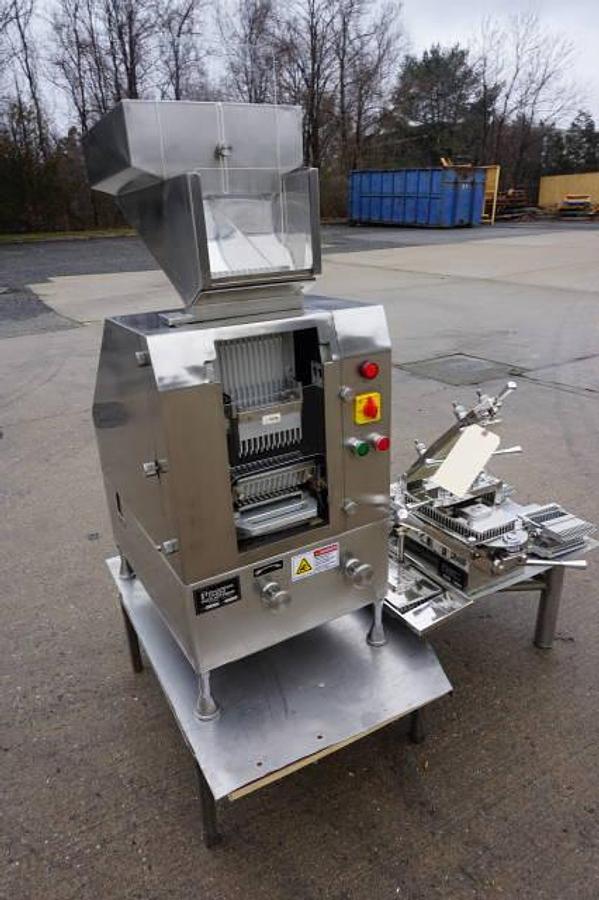
Pharma Chem Industries produces process equipment designed for pharmaceutical and chemical manufacturing environments. Their product range includes reactors, mixers, filtration systems, pressure vessels, dryers, and encapsulation systems. These machines are built to handle the specific demands of pharmaceutical-grade production, where material contact surfaces, cleanability, and process control are all critical considerations. The semi-automatic encapsulation system is one example of a specialized unit in their lineup, used for filling hard gelatin or HPMC capsules in controlled production settings.
Beyond pharmaceuticals, this equipment is also well-suited for chemical processing, nutraceutical manufacturing, cosmetics production, and allied industries that require similar standards of hygiene, material compatibility, and process consistency. Most Pharma Chem Industries equipment is constructed from stainless steel, typically 316L or 304 grade, which provides corrosion resistance and meets the cleanability requirements expected in regulated production environments. Buyers evaluating used units from this manufacturer should verify the specific model specifications and material grades, as these details directly affect suitability for a given application.
What should buyers know before purchasing used Pharma Chem Industries equipment?
Buying used pharmaceutical process equipment requires more due diligence than purchasing standard industrial machinery, largely because of the regulatory context in which these machines operate. Buyers should request complete documentation for any unit under consideration, including maintenance records, prior use history, and any available calibration or validation records. Equipment that was previously used in a GMP-compliant facility may come with documentation that simplifies requalification at a new site, which can represent significant time and cost savings during installation.
Condition grading is another important factor. Used equipment is typically described using terms like excellent, good, or fair, but these grades are subjective unless supported by inspection findings. Prospective buyers should always arrange an inspection, either in person or via a detailed video walkthrough, before committing to a purchase. Reputable used equipment dealers will accommodate these requests. It is also worth consulting directly with Pharma Chem Industries or an authorized service contact to understand parts availability and manufacturer support for a specific model, since older units may have limited access to replacement components.
How does GMP compliance factor into evaluating used pharmaceutical process equipment?
Good Manufacturing Practice compliance is one of the most important criteria when evaluating any equipment intended for pharmaceutical production. GMP standards govern everything from surface finish and material selection to documentation and traceability. For used equipment, buyers need to assess whether a machine still meets these standards in its current condition, not just whether it was built to GMP specifications originally. Surface condition, seal integrity, and the state of any contact parts all need to be evaluated with GMP requirements in mind.
When purchasing used pharmaceutical equipment, buyers should request any available documentation that supports compliance, such as material certificates, surface finish records, and prior validation or qualification reports. Even if full validation packages are unavailable, partial documentation can reduce the scope of revalidation work required at the buyer's facility. Facilities operating under FDA oversight, EU GMP regulations, or other regional frameworks will need to conduct their own installation qualification (IQ), operational qualification (OQ), and performance qualification (PQ) processes regardless of the machine's history, so understanding what documentation exists upfront helps plan that effort accurately.
What is a semi-automatic encapsulation system and what is it used for?
A semi-automatic encapsulation system is a piece of pharmaceutical manufacturing equipment used to fill hard-shell capsules, typically made from gelatin or hydroxypropyl methylcellulose (HPMC), with powders, granules, pellets, or other fill materials. Semi-automatic models require some operator involvement during the filling cycle, distinguishing them from fully automated systems that run with minimal human intervention. These machines are commonly used in small to mid-scale pharmaceutical production, contract manufacturing organizations, and research and development settings where batch sizes do not justify the cost of a fully automated line.
The typical workflow on a semi-automatic encapsulation system involves loading empty capsule shells, separating the caps from the bodies, filling the bodies with the measured dose of material, and rejoining the two halves. Output capacity varies by model but generally falls in the range of tens of thousands of capsules per hour for semi-automatic configurations. When evaluating a used semi-automatic encapsulation system, buyers should check the condition of the capsule plate sets, the filling bushings, and any dosing mechanisms, as these are the components most subject to wear during normal production use.
How should buyers inspect used pharmaceutical process equipment before purchasing?
Inspection is the single most important step in any used pharmaceutical equipment transaction. Buyers have several options depending on their location and the seller's capabilities. An in-person inspection at the seller's facility, or at the plant where the equipment is currently located, gives the most complete picture of a machine's condition. During an in-person visit, a buyer or their technical representative can check surface finishes, examine welds, test mechanical functions, review accessible internal components, and assess overall wear. Some equipment may still be installed and operating at a production facility, which can allow for observation of the machine running under actual conditions.
For buyers who cannot travel, video inspections have become a practical alternative. A reputable dealer will conduct a thorough walkthrough on camera, covering all major components, showing any visible wear or damage, and demonstrating basic functions where possible. Buyers should prepare a specific list of inspection points before the video call to make sure nothing important is missed. One important limitation to keep in mind is that most used equipment dealers do not have the permitting or production infrastructure to run actual pharmaceutical product through a machine during inspection. Functional testing is generally limited to dry mechanical operation, not full production simulation.
What certifications or material standards are typical for pharmaceutical-grade process equipment?
Pharmaceutical process equipment is generally expected to meet a range of material and construction standards that support regulatory compliance. Stainless steel contact surfaces are the norm, with 316L being the most common specification for parts that contact product, and 304 stainless used for non-contact structural components. The 316L grade offers better corrosion resistance and is preferred in applications involving aggressive cleaning agents or product formulations with chloride content. Surface finish is also specified in regulatory contexts, with Ra values (roughness average) used to define acceptable smoothness for cleanability.
Beyond material standards, equipment may carry certifications relevant to specific markets or applications. CE marking is required for equipment sold into European markets and indicates conformity with applicable EU directives. ISO certifications, such as ISO 9001 for quality management systems, are held by manufacturers rather than individual machines, but they indicate a level of process control in the manufacturing environment. For used equipment, buyers should request copies of any available material certificates or test reports that were issued at the time of manufacture. These documents may still be available from the original manufacturer even if the equipment has changed hands, and they can support compliance documentation at the buyer's facility.
Are spare parts and replacement components available for used Pharma Chem Industries equipment?
Parts availability is a practical concern that buyers should investigate before finalizing any used equipment purchase. The availability of replacement components for Pharma Chem Industries machines depends on the specific model, its age, and whether the manufacturer still supports that product line. Contacting Pharma Chem Industries directly is the most reliable way to determine what parts are currently stocked or can be manufactured on request. For older or discontinued models, some components may need to be sourced from third-party suppliers or fabricated to specification, which adds cost and lead time to any maintenance scenario.
Buyers should also ask the selling dealer whether any spare parts are included with the machine or available for separate purchase. It is not uncommon for used equipment to be sold alongside a set of consumables, wear parts, or tooling that was accumulated during its service life. Seals, gaskets, capsule plates, dosing components, and filter elements are examples of parts that tend to be specific to a model and worth acquiring in quantity when the opportunity exists. Having a small inventory of critical wear parts on hand reduces the risk of extended downtime if a component fails after the machine is placed back into service.
What are typical payment terms for purchasing used industrial or pharmaceutical equipment?
Payment practices in the used equipment market differ from standard commercial transactions. Most used equipment dealers require full payment before a machine is released for shipping. This protects the seller against the logistical and financial complications that would arise from a dispute after a large piece of machinery has already been loaded and dispatched. Wire transfer is the most common payment method for transactions of this type, though some dealers also accept other forms of verified funds. Credit terms are occasionally extended to established repeat buyers with a documented purchase history, but this is the exception rather than the rule for first-time transactions.
Buyers should factor payment timing into their planning, particularly if internal purchase approvals or capital expenditure processes are involved. It is also worth clarifying with the seller exactly what triggers the payment requirement, whether that is at the time of purchase order, upon completion of inspection, or at some other defined milestone. Getting clarity on these terms in writing before an inspection is scheduled helps avoid delays once a buyer is ready to proceed. For high-value equipment purchases, some buyers also engage escrow arrangements, though this is more common in international transactions than domestic ones.
What should buyers understand about shipping and rigging costs for pharmaceutical process equipment?
Shipping costs for pharmaceutical process equipment can vary considerably depending on the size and weight of the machine, the origin and destination, and the level of packaging required to protect the equipment in transit. Smaller benchtop or semi-automatic units may ship on standard pallets with appropriate blocking and bracing, while larger reactors, pressure vessels, or mixing systems often require custom crating to prevent damage. The cost of that crating is typically the buyer's responsibility and should be confirmed with the seller before agreeing on a purchase price, since it can add meaningfully to the total landed cost.
Larger or heavier equipment often requires specialized rigging services for both loading at the origin and unloading at the destination. Rigging involves the use of forklifts, cranes, or other heavy lifting equipment operated by trained personnel, and these services are quoted separately from freight. Buyers should ask the dealer for a detailed breakdown of all costs associated with getting the machine from its current location to their facility, including rigging, crating, freight, and any required permits for oversized loads. Understanding the full landed cost before committing to a purchase prevents unexpected expenses from affecting the economics of the acquisition.
What industries besides pharmaceuticals use the type of process equipment made by Pharma Chem Industries?
Process equipment designed to pharmaceutical standards finds application across several adjacent industries where hygiene, material compatibility, and process control are similarly important. Chemical processing is one of the primary crossover markets, where reactors, mixers, and filtration systems built from corrosion-resistant stainless steel are used to handle a wide range of chemical formulations. Nutraceutical and dietary supplement manufacturers also rely on this class of equipment, as their production processes often mirror pharmaceutical manufacturing in terms of material handling, mixing, and encapsulation requirements.
Cosmetics and personal care product manufacturing is another sector where pharmaceutical-grade mixing and processing equipment is commonly used, particularly for products that require precise formulation, emulsification, or filling operations. Food processing facilities, especially those producing specialty or functional food products, sometimes use equipment originally designed for pharmaceutical applications when they require the same level of cleanability and material safety. Buyers from these industries evaluating used Pharma Chem Industries equipment should assess whether the machine's specifications align with their own regulatory environment, since requirements under FDA food regulations, for example, differ from pharmaceutical GMP in specific ways that can affect equipment suitability.