Category
Manufacturer
Model
Patterson Kelley
Patterson Kelley is a well-regarded name in the food processing industry, known for their versatile mixing and blending equipment. Their machines are designed to handle a variety of materials with precision.
FAQ:
What is a Patterson Kelley twin shell V-blender and how does it work?
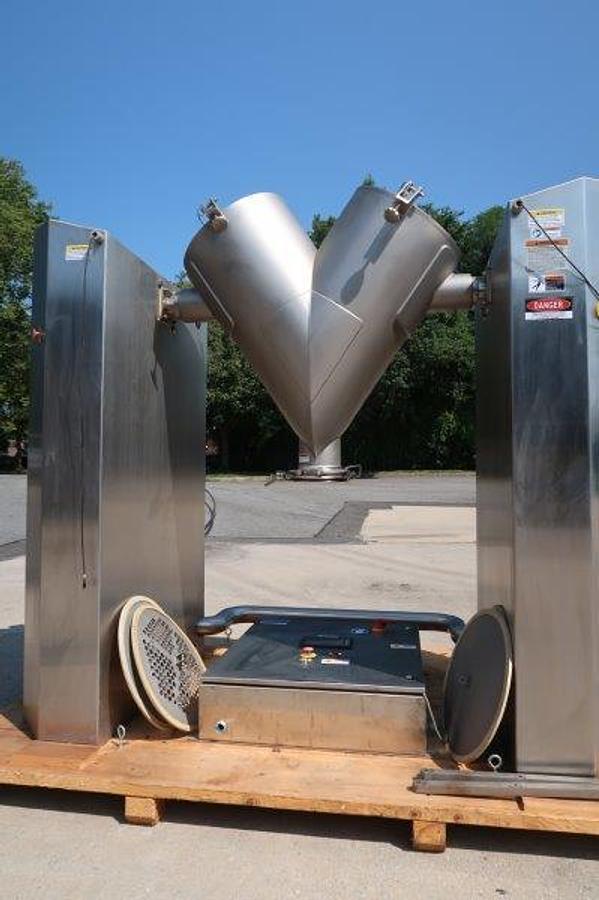
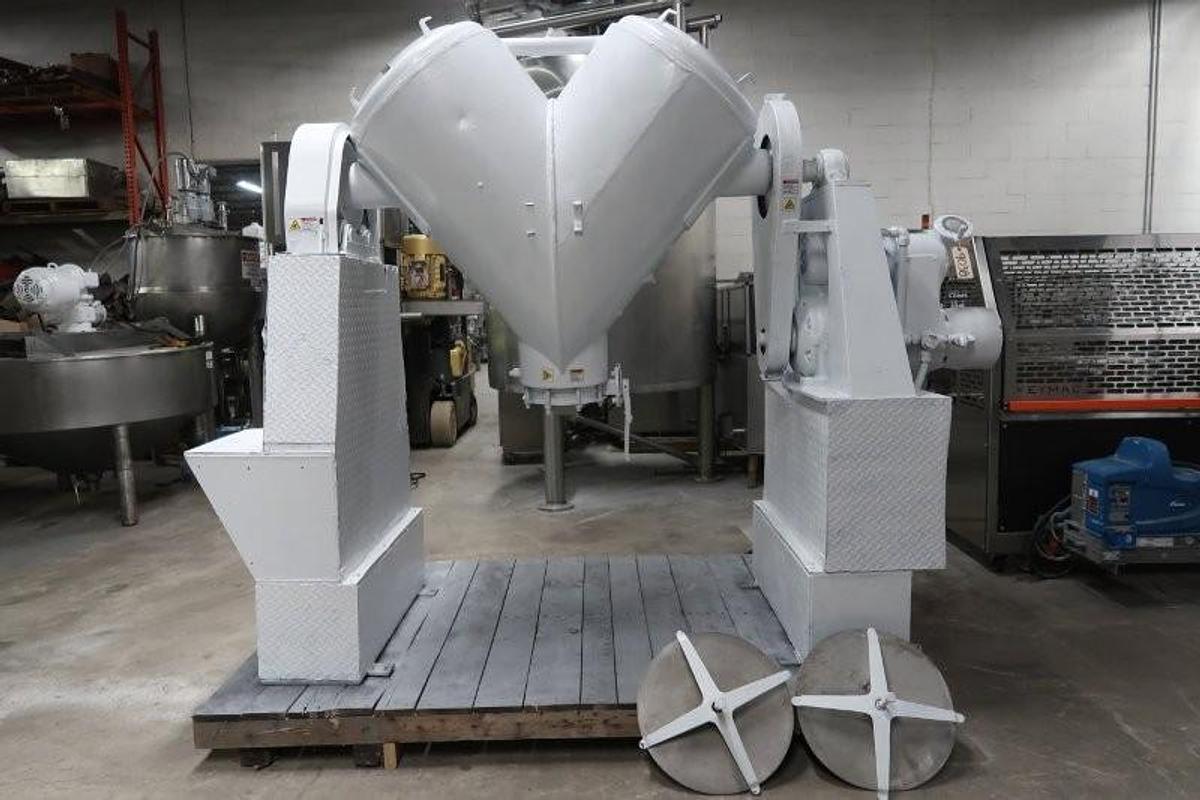
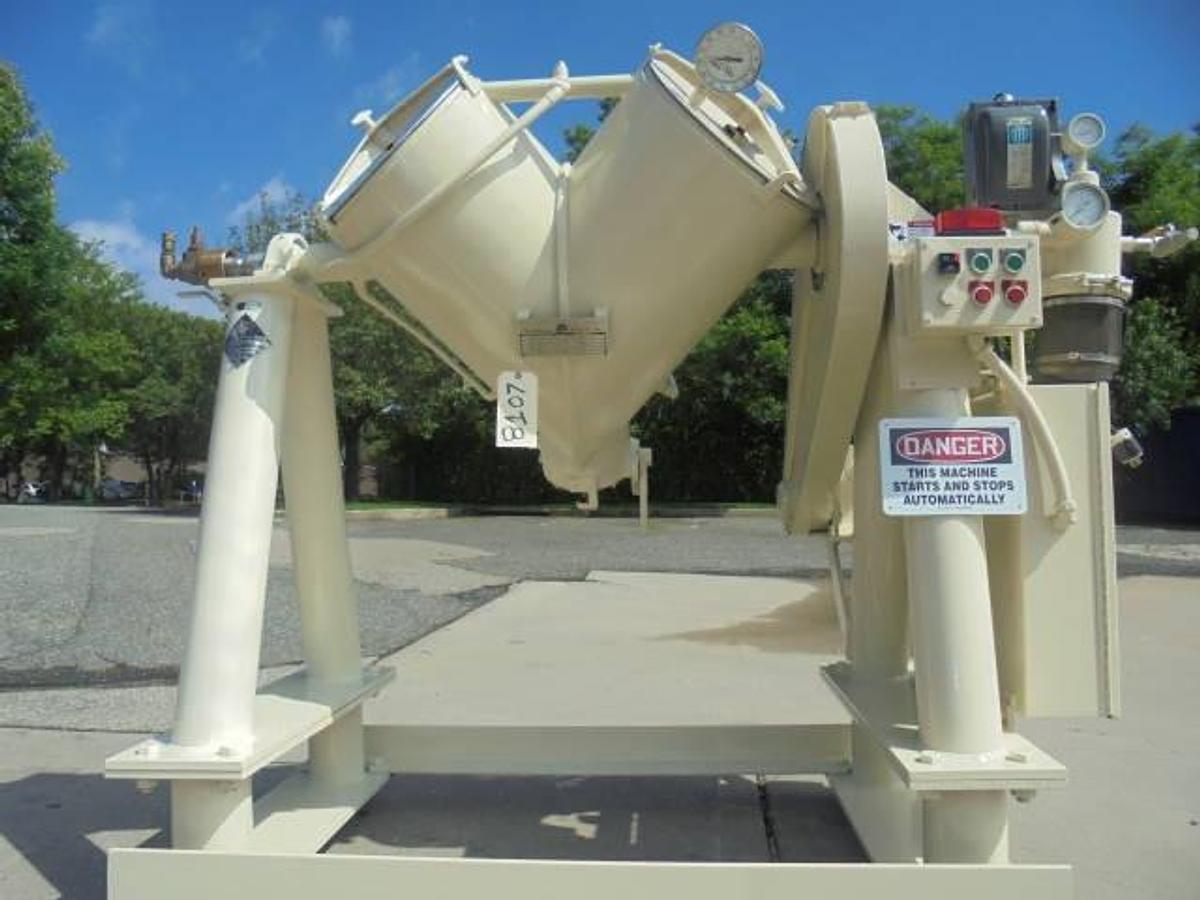
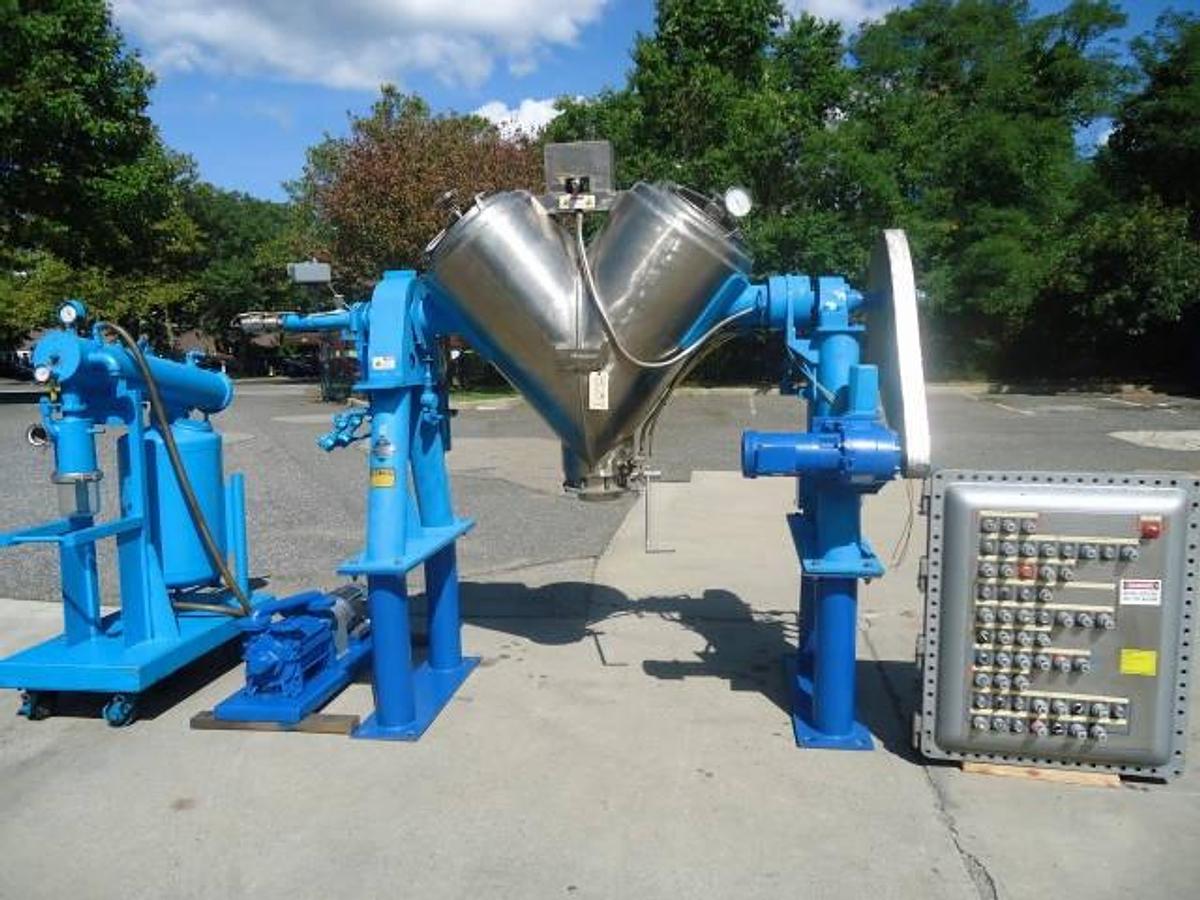
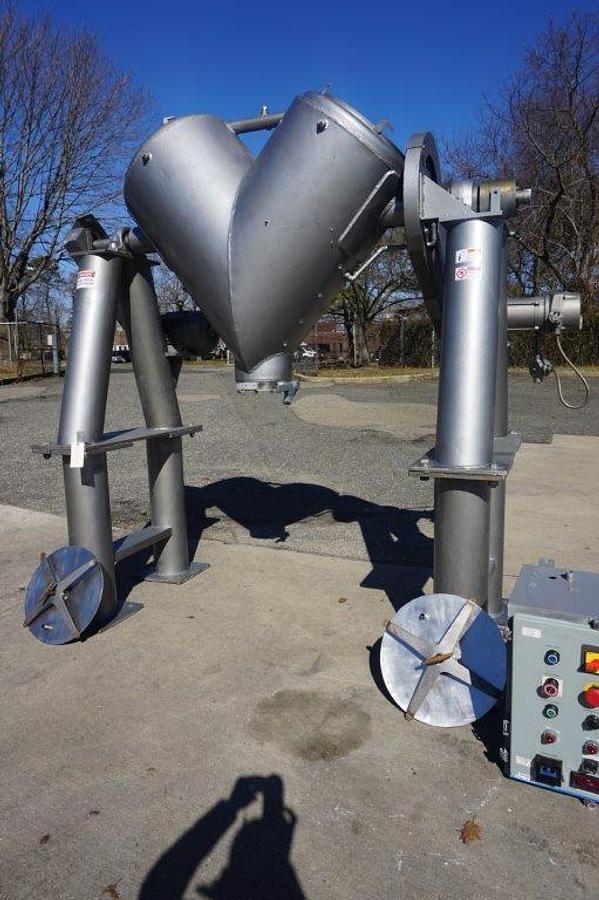
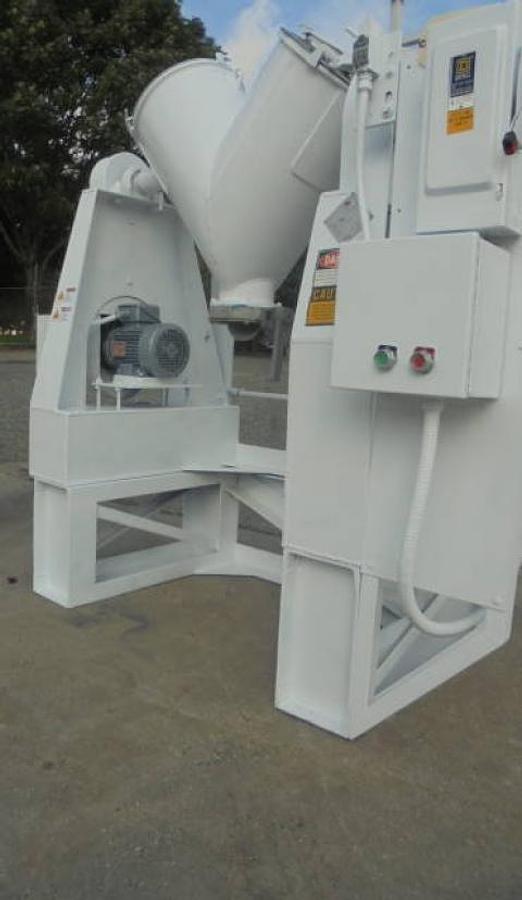
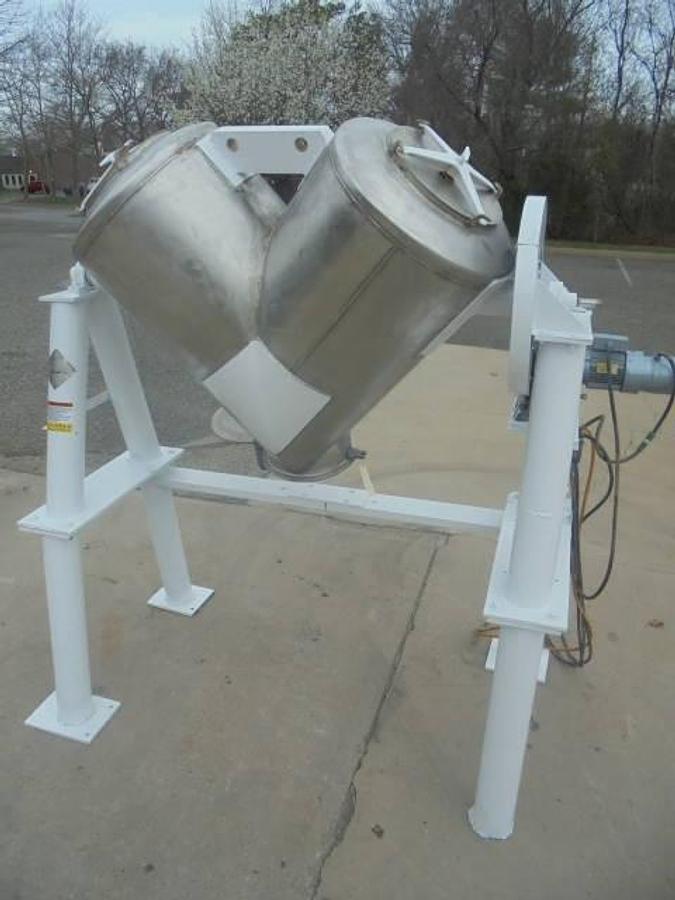
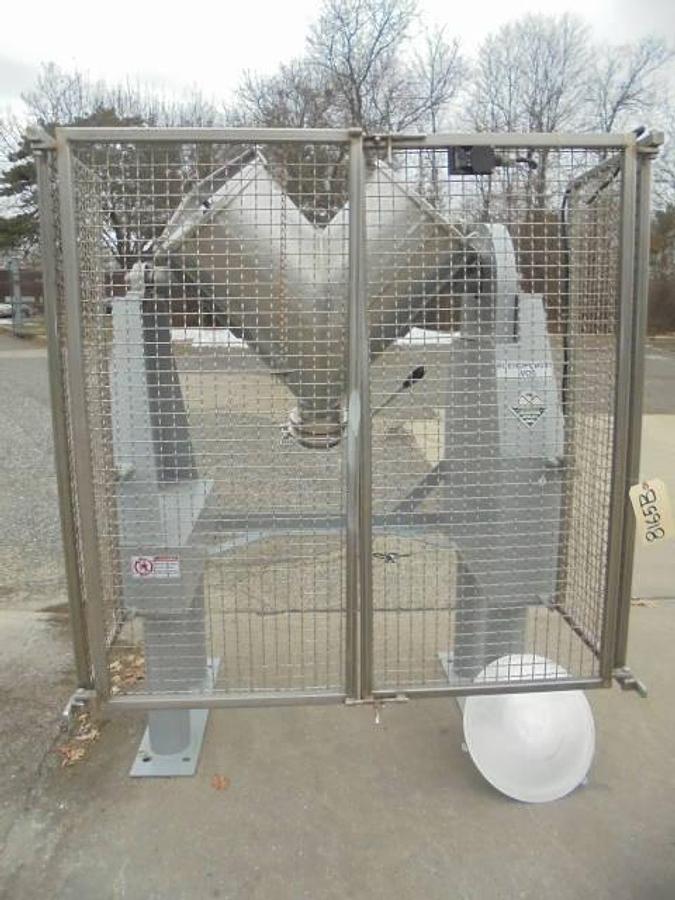
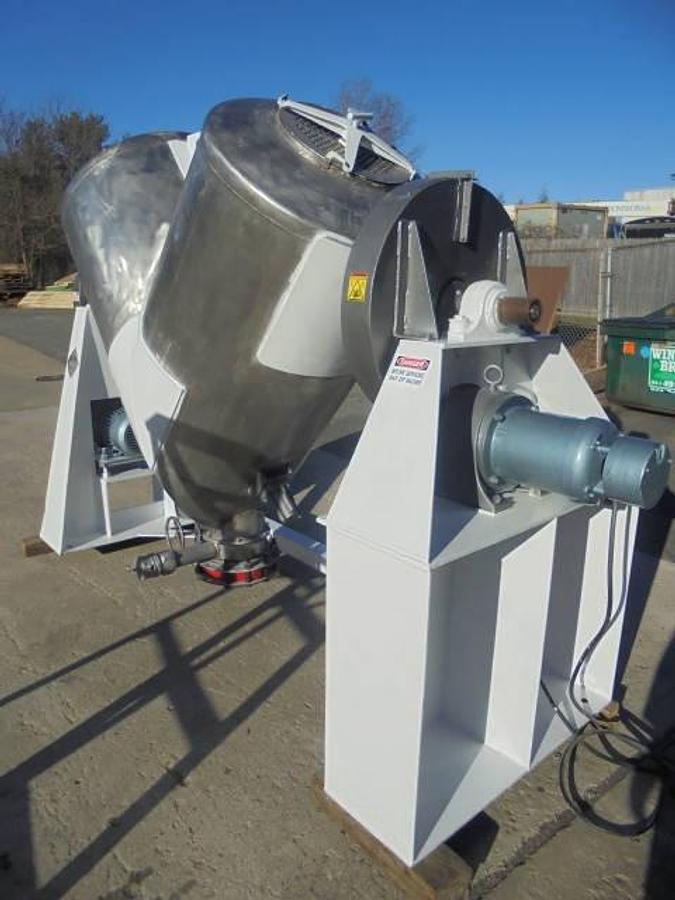
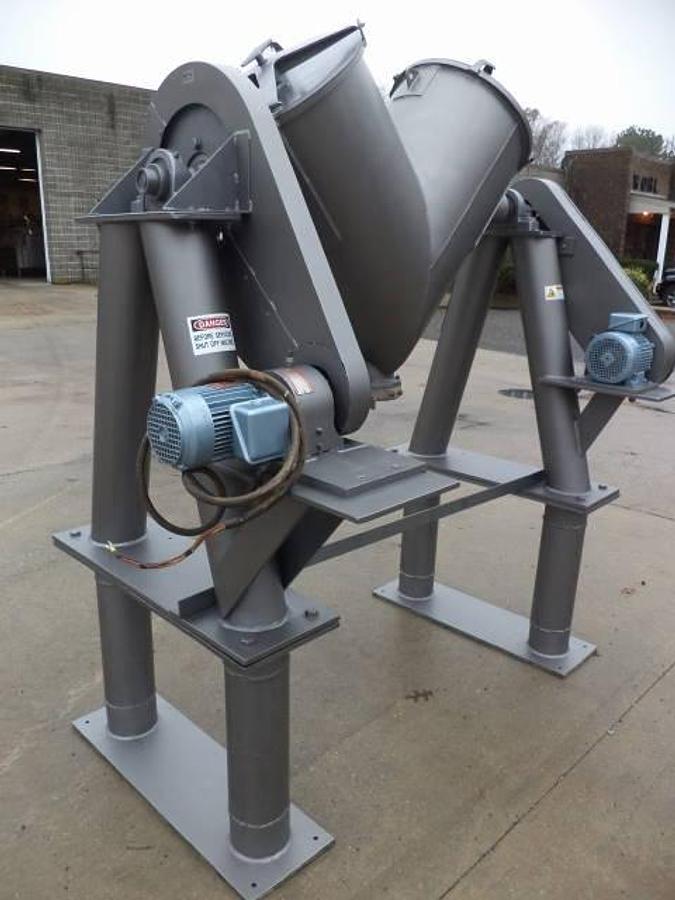
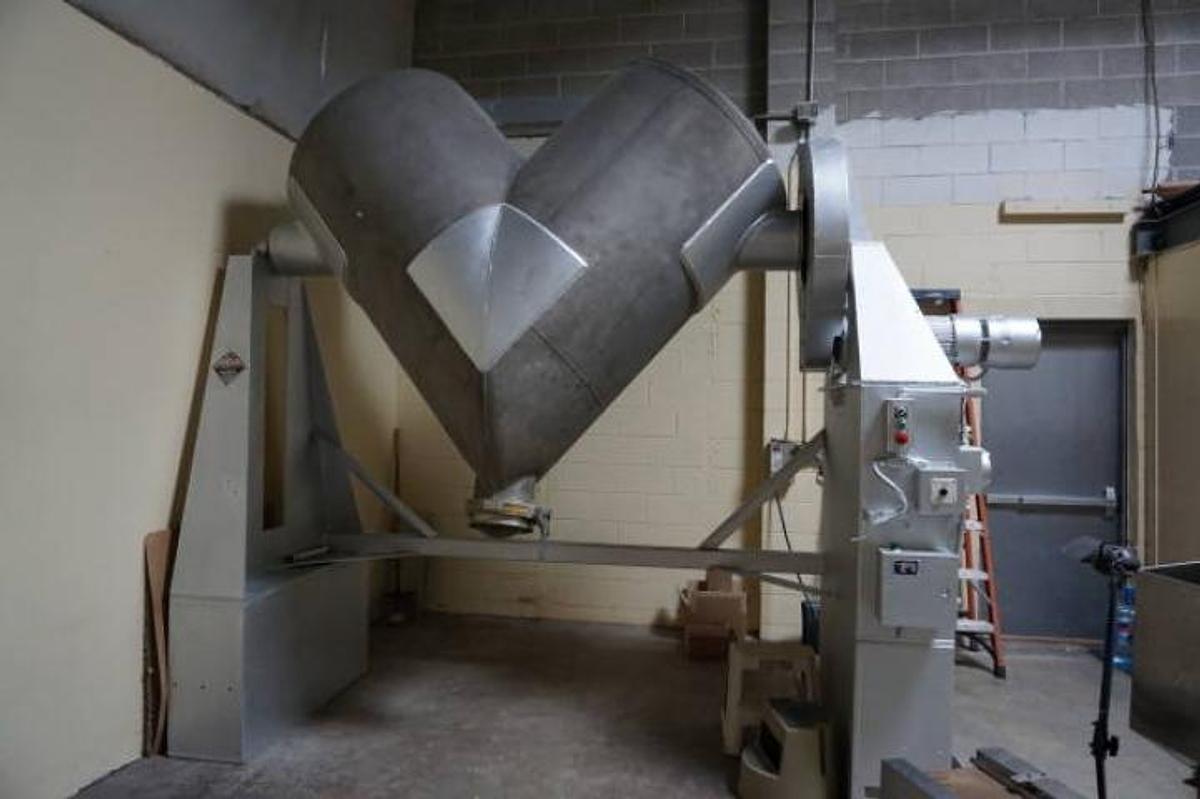
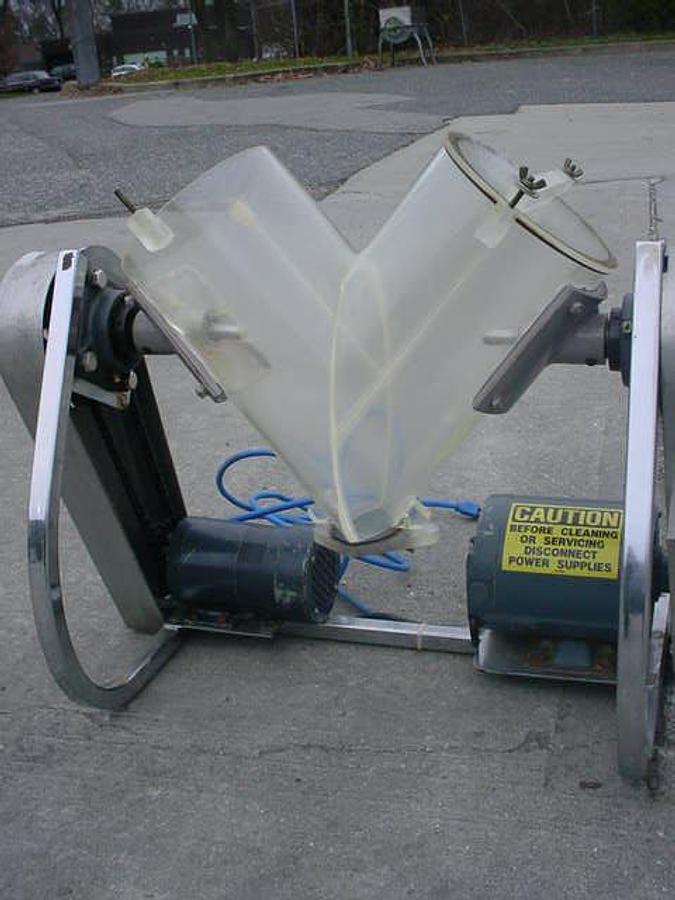
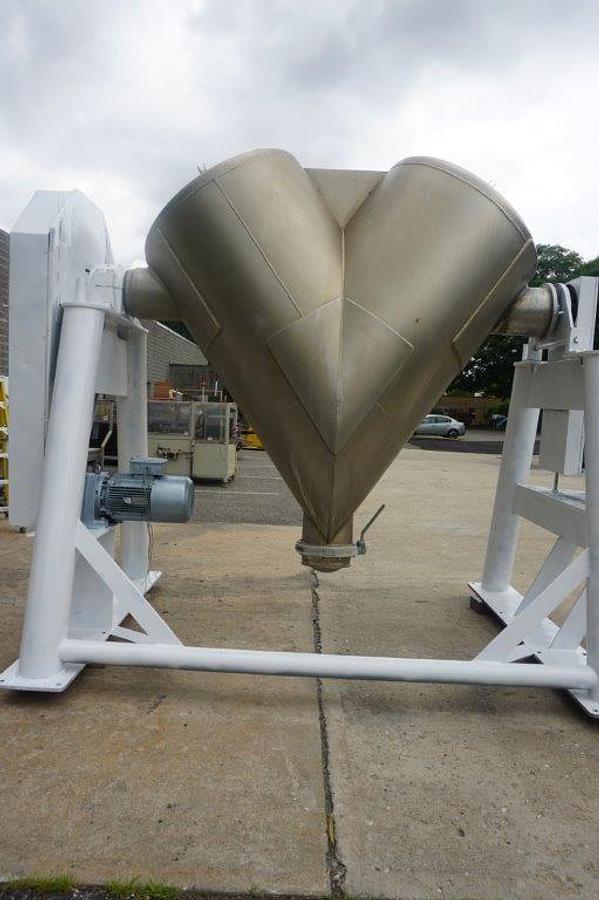
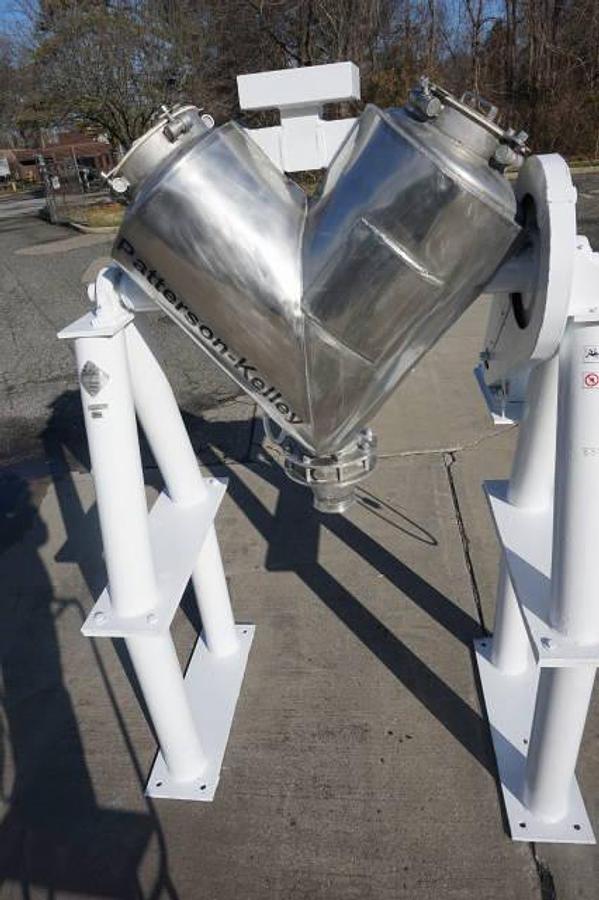
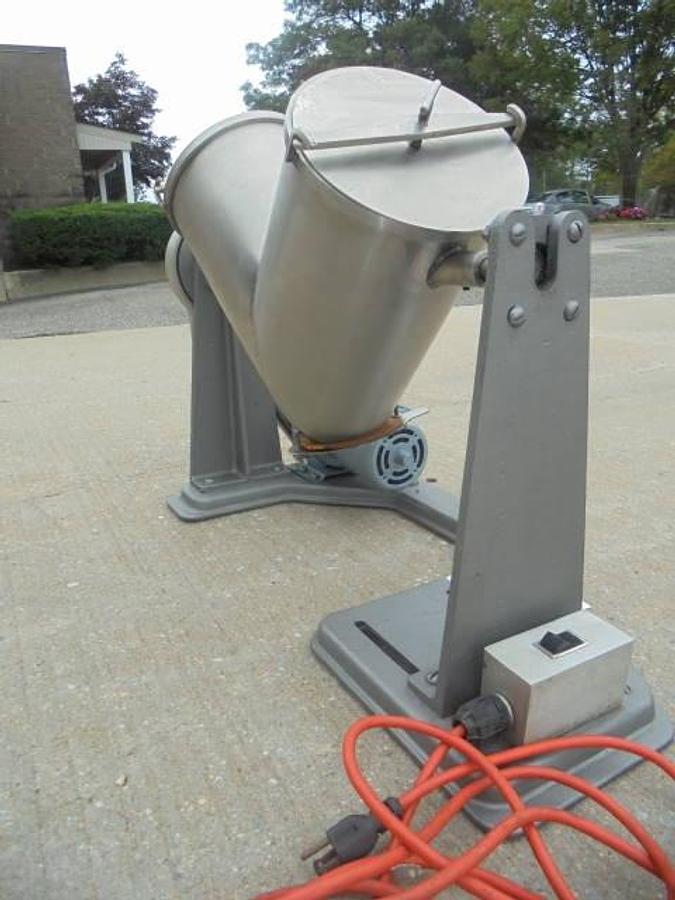
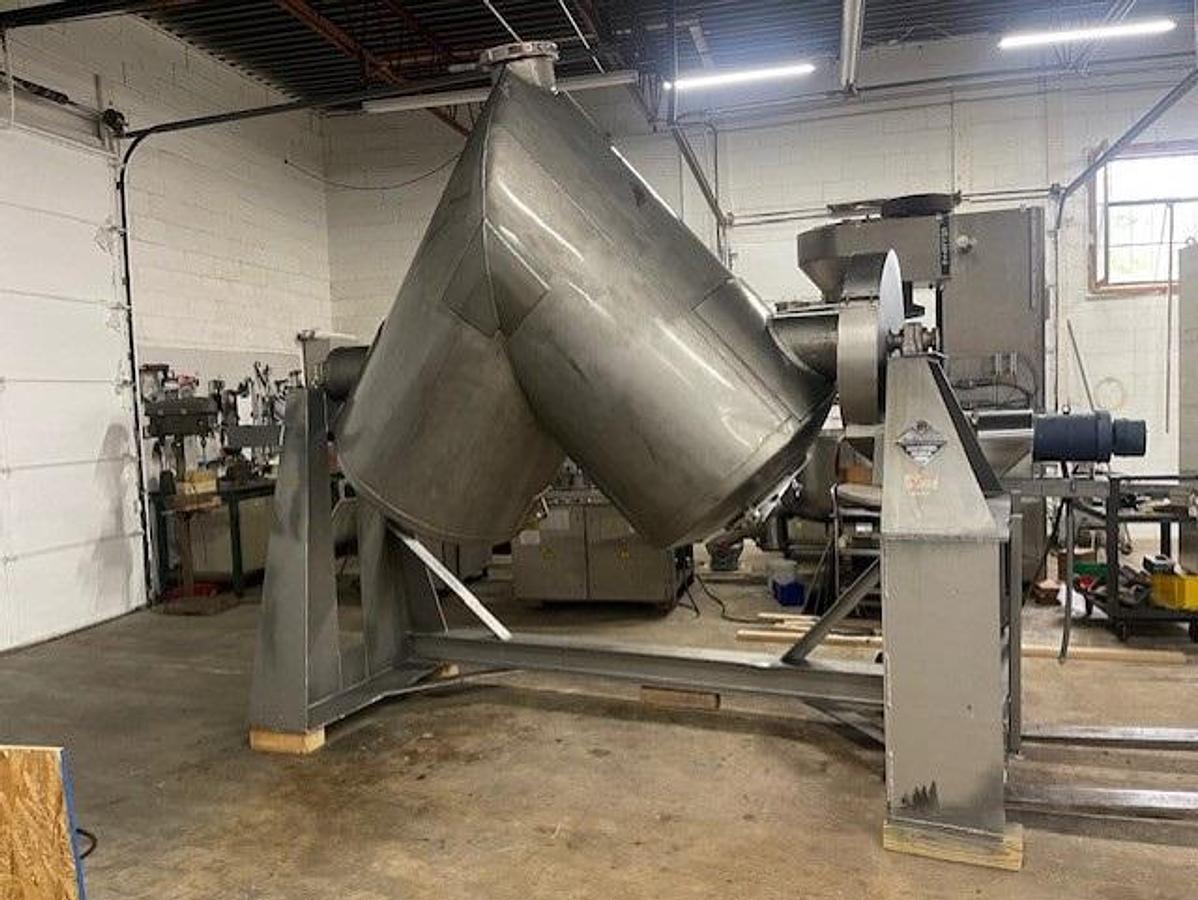
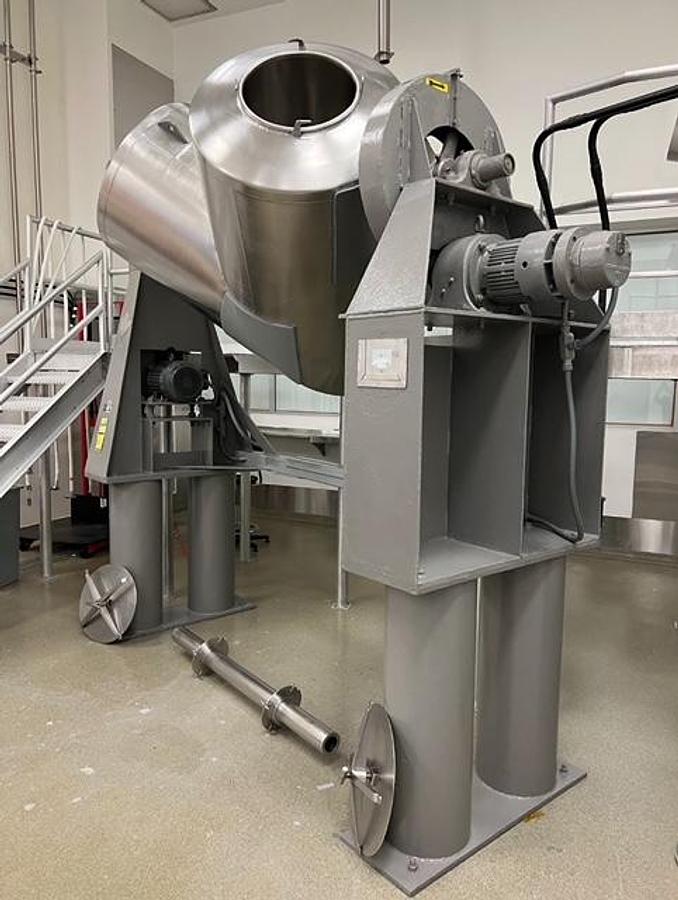
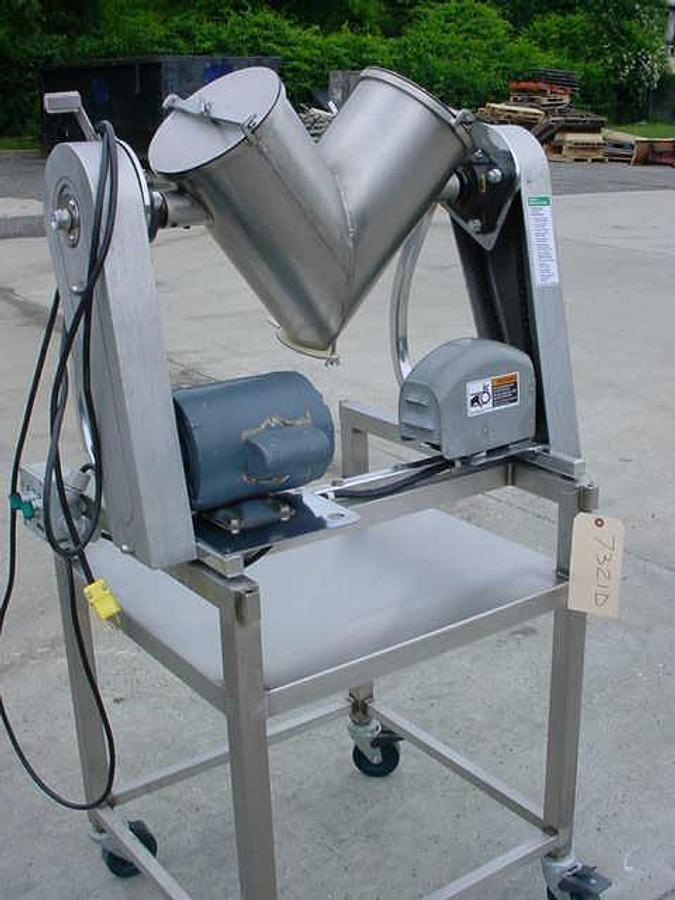
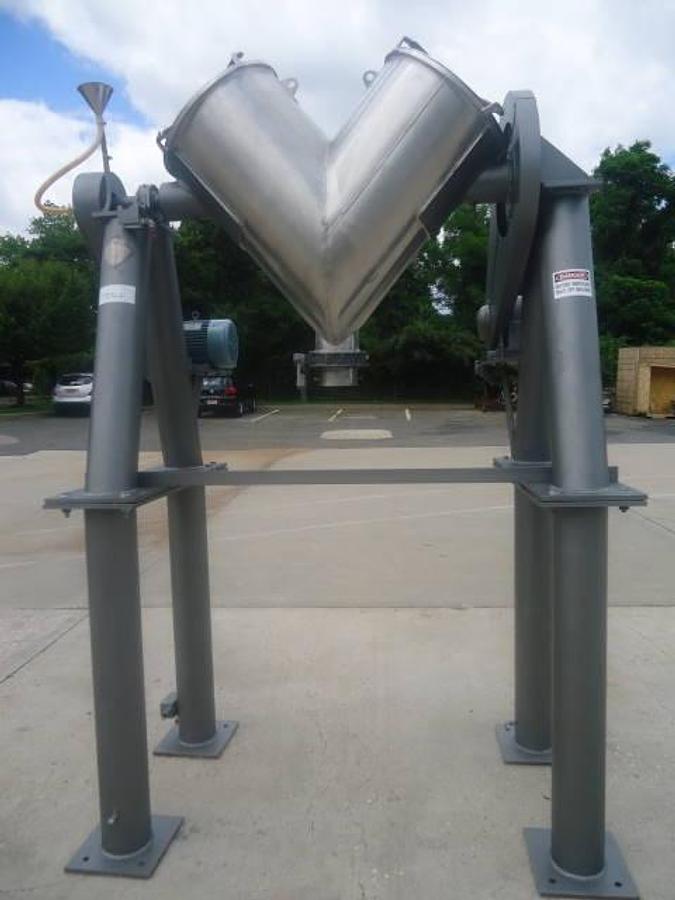
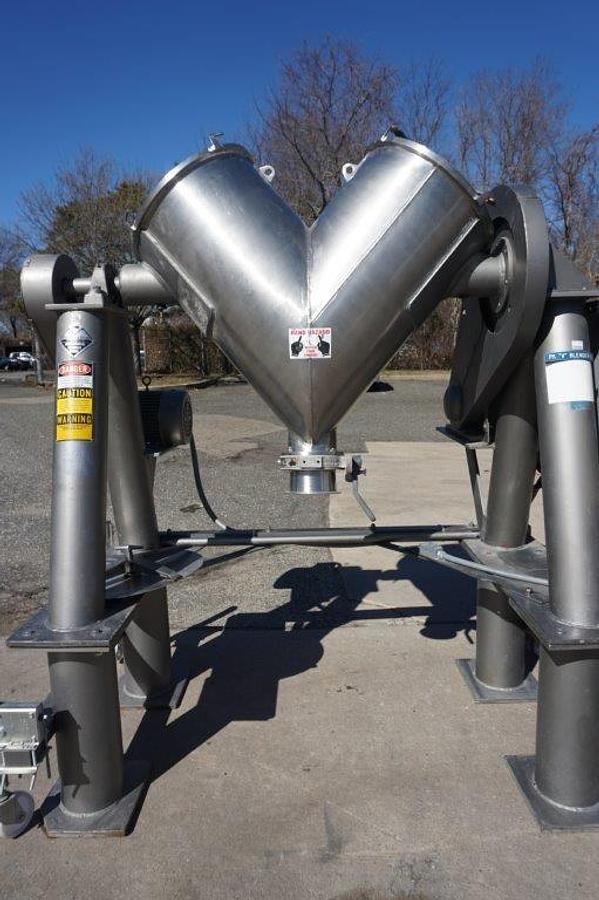
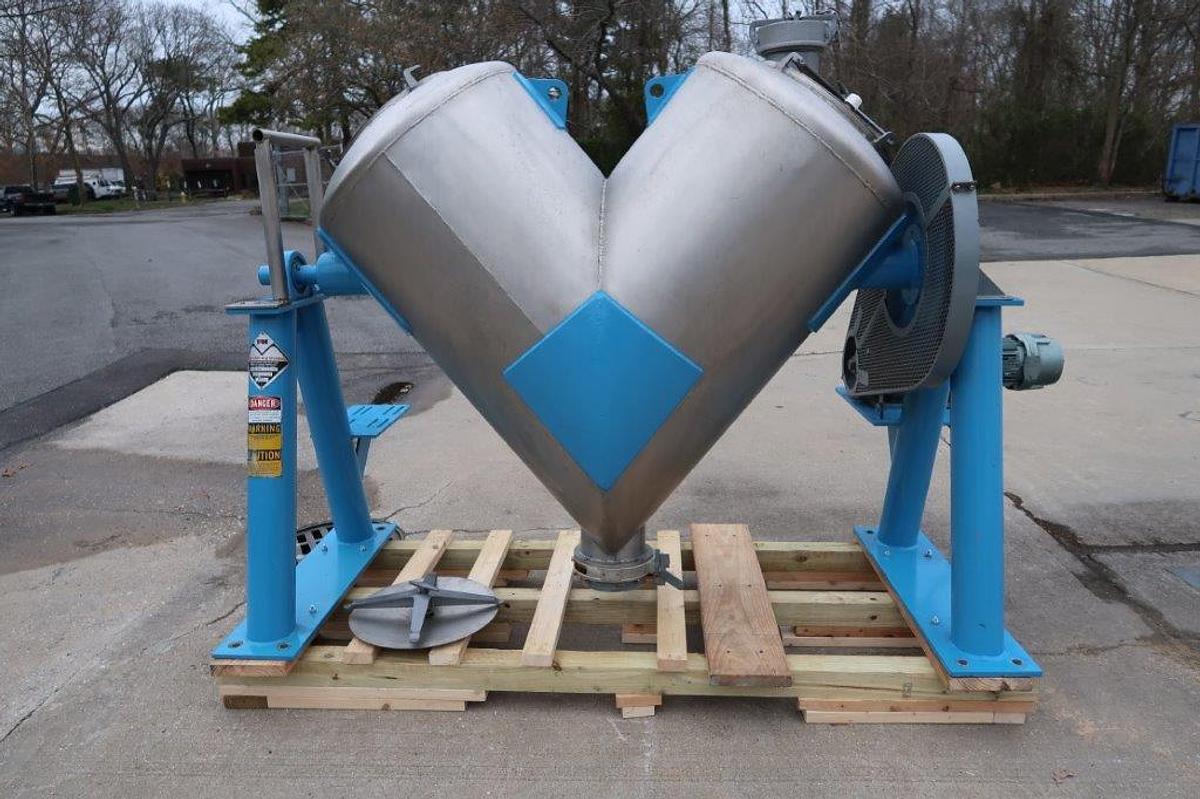
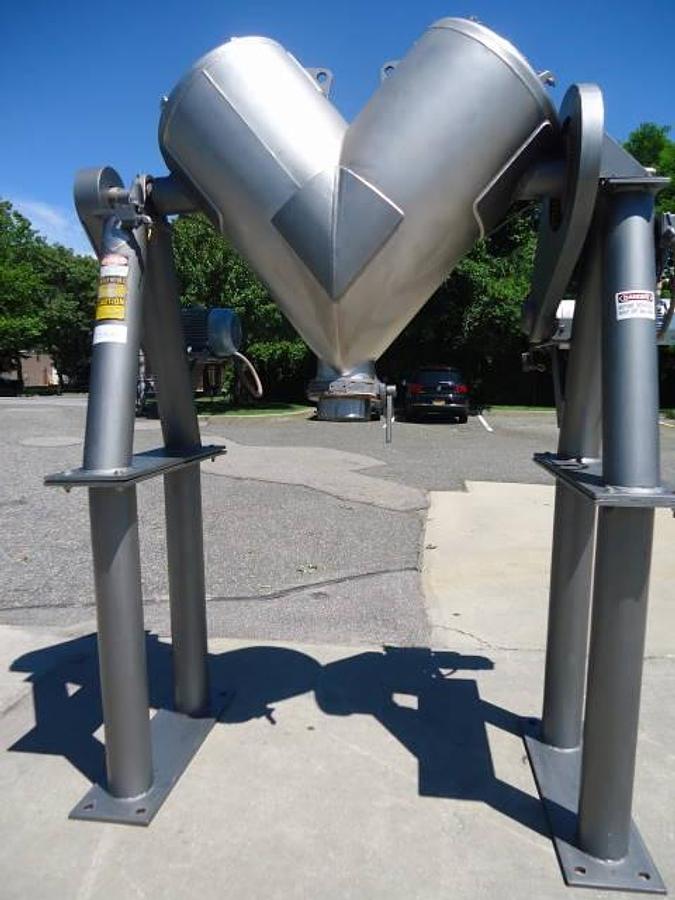
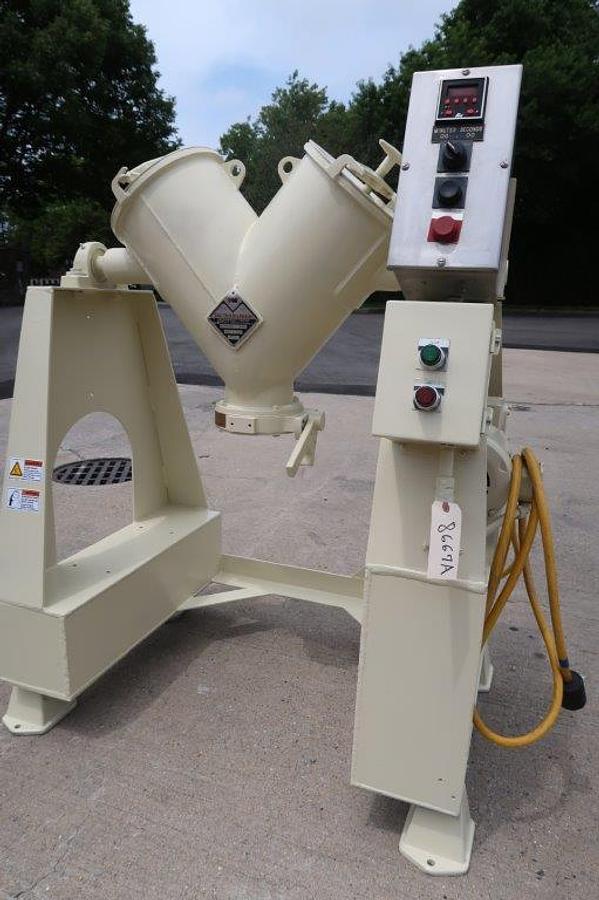
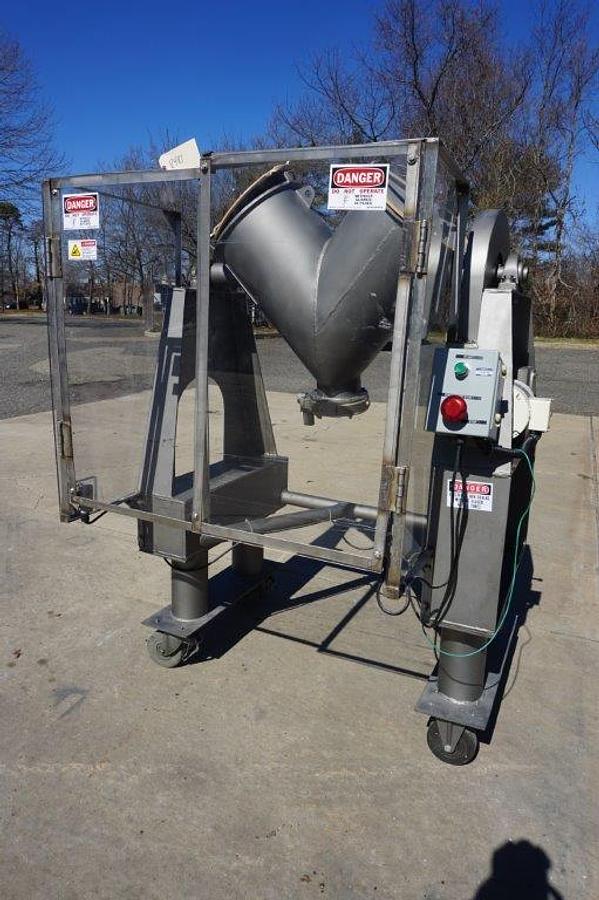
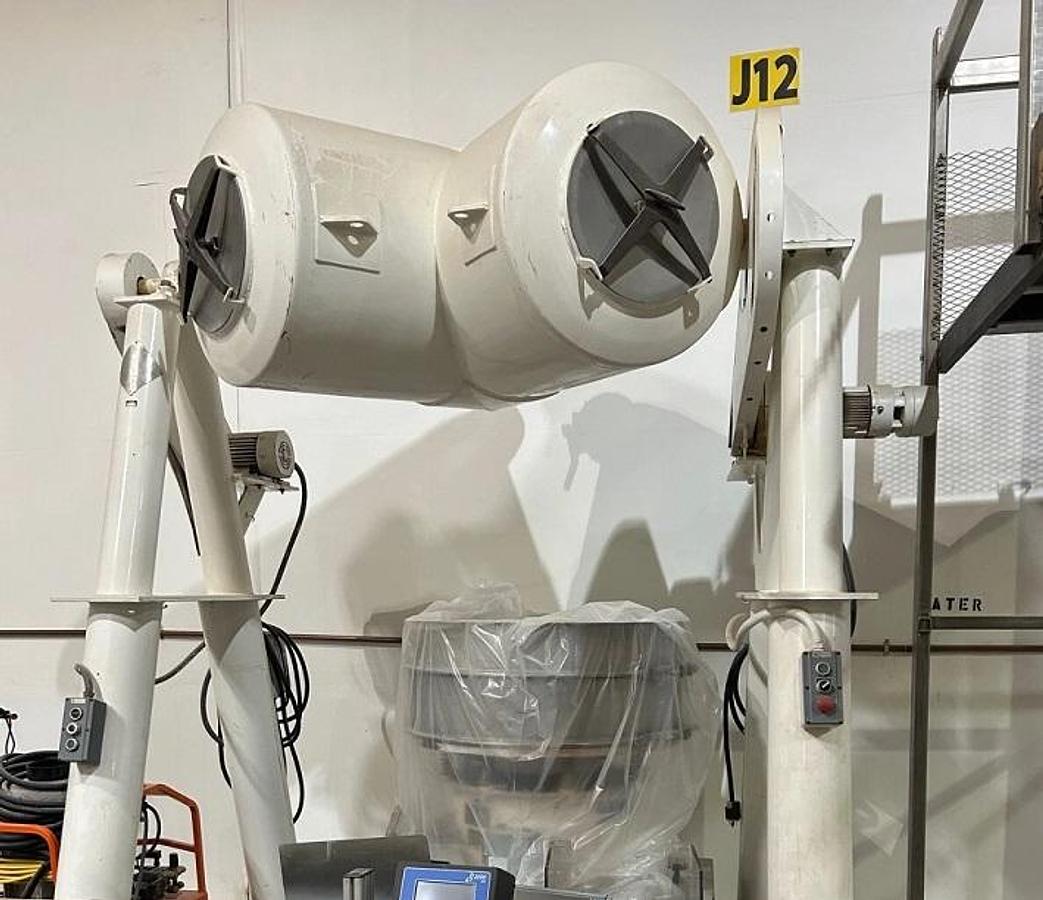
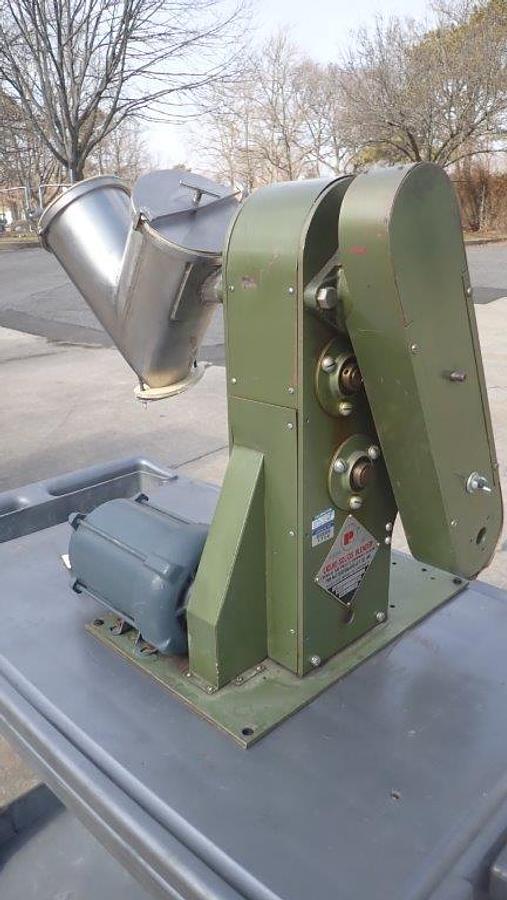
A Patterson Kelley twin shell V-blender is a tumble-style blending machine built around two cylindrical shells joined at an angle to form a V-shape. As the shell rotates, material inside is repeatedly split and recombined as it moves between the two legs of the V. This tumbling action produces a thorough, even blend without the use of internal paddles or high-speed agitation, which means the blending process generates very little heat and applies minimal shear force to the material.
This gentle blending mechanism makes the twin shell design particularly well-suited for dry powders, granules, and other materials that are sensitive to heat, friction, or mechanical stress. The V-shape geometry promotes efficient mass transfer, and most units reach a homogeneous blend in a relatively short cycle time compared to some other blender types. Patterson Kelley refined this design over decades of industrial production, and the machines built under that name became a benchmark for quality and reliability in pharmaceutical, food, and chemical processing applications. Used units retain these core mechanical advantages and are widely sought after for both production-scale and laboratory-scale blending work.
What is the difference between a Patterson Kelley twin shell blender and a V-blender?
The terms twin shell blender and V-blender are often used interchangeably, and in the context of Patterson Kelley equipment they refer to the same fundamental machine design. The name twin shell describes the construction: two cylindrical shells welded together at an angle. The name V-blender describes the shape that construction creates when viewed from the side, which resembles the letter V. Patterson Kelley used both terms across their product line, which is why you will see listings that reference either name or both at once.
The practical distinction worth understanding is between the standard twin shell V-blender and specialty variants built on the same platform. Patterson Kelley also produced liquid-solids V-blenders, which incorporate a spray bar or liquid addition port for introducing liquids into a dry blend, and vacuum blender/dryer models capable of drying product under reduced pressure. Jacketed versions allow temperature control by circulating fluid through the shell wall. Each of these is still a twin shell V-blender at its core, but with added functionality for specific process requirements. When evaluating used Patterson Kelley equipment, identifying which variant a particular unit represents is important for matching the machine to your application.
What does an intensifier bar do on a Patterson Kelley blender?
An intensifier bar is a high-speed rotating shaft mounted inside the blending shell, typically positioned at the apex of the V where the two shells meet. While the outer shell tumbles at its normal low speed, the intensifier bar spins at a much higher RPM, creating a localized zone of mechanical energy that breaks apart agglomerates and lumps as material passes through it. This allows the blender to simultaneously blend and de-agglomerate in a single operation, eliminating the need for a separate milling or sizing step before or after blending.
For many pharmaceutical and nutraceutical applications, the intensifier bar is a significant process advantage. Powders that have been stored, compressed during shipping, or that naturally tend to clump can be processed without the extra handling and equipment that a standalone mill would require. The bar is particularly useful for blends that include fine active ingredients or excipients prone to caking. Used Patterson Kelley blenders listed with an intensifier bar command attention for this reason, and buyers working with cohesive or agglomeration-prone materials should prioritize units equipped with this feature. It is worth confirming during any inspection that the bar and its drive mechanism are in good working condition, since this component sees more mechanical stress than the main shell drive.
What sizes and capacities are available for used Patterson Kelley blenders?
Patterson Kelley manufactured twin shell V-blenders across a very wide range of capacities, from small laboratory units intended for R&D and formulation work up to large production-scale machines. On the used market, available capacities typically span from 8-quart and 1-cubic-foot lab-scale units all the way up to 75-cubic-foot and larger production blenders. Common sizes found in used equipment inventories include 1, 2, 3, 5, 10, 20, 30, 50, 60, and 75 cubic foot models, giving buyers meaningful options at virtually every scale of operation.
Capacity ratings in cubic feet refer to the total shell volume, but the working or usable fill capacity is typically 50 to 60 percent of the rated volume. Maximum density ratings, often expressed in pounds per cubic foot, are also listed for many units and reflect the heaviest material the machine was designed to handle at full working load. For example, a 10 cubic foot unit rated at 125 lb/CF can handle denser materials than one rated at 55 lb/CF of the same nominal size. When comparing used units, reviewing both the cubic foot capacity and the density rating together gives a more accurate picture of whether a particular machine can handle your specific material and batch size requirements.
What industries use Patterson Kelley twin shell blenders?
Patterson Kelley twin shell V-blenders have a long history of use across several industries that require precise, gentle dry blending. Pharmaceutical manufacturing is probably the most prominent application, where the low-shear tumbling action is ideal for blending active pharmaceutical ingredients with excipients without degrading fragile granules or causing heat-related stability issues. Tablet and capsule production lines have relied on this equipment type for decades, and the machines were built to meet the sanitary construction standards expected in regulated pharmaceutical environments.
Beyond pharmaceuticals, these blenders are widely used in nutraceutical and dietary supplement production, food processing, and industrial chemical manufacturing. Nutraceutical producers use them for powder blends, protein mixes, and vitamin premixes where homogeneity and gentle handling are both critical. Food manufacturers use them for spice blends, dry beverage mixes, and similar applications. Chemical producers rely on them for dry powder blending where cross-contamination between batches must be minimized and thorough cleaning between runs is required. The stainless steel construction common across the Patterson Kelley product line supports the sanitation and cleanability demands of all these industries, which is part of why used units remain in demand long after the machines were manufactured.
What materials can a Patterson Kelley twin shell V-blender handle?
Patterson Kelley twin shell V-blenders are designed primarily for dry solid materials, including free-flowing powders, granules, pellets, crystals, and flakes. The tumbling action is gentle enough for fragile granules that would break down in a higher-shear mixer, and the absence of internal paddles or blades in the basic configuration means there are no mechanical surfaces to grind or compress the material. This makes the equipment appropriate for applications where particle integrity and consistent particle size distribution in the final blend are important quality parameters.
Liquid-solids variants of the Patterson Kelley V-blender extend the range to include applications where a liquid component must be incorporated into a dry blend. These units are equipped with a spray bar or liquid addition system that introduces liquids uniformly into the tumbling mass. This configuration is used for applications like adding binders to granulation blends, coating dry particles with a liquid, or incorporating liquid flavors or active ingredients into food and supplement products. Most used Patterson Kelley blenders are constructed from stainless steel, which makes them compatible with a broad range of materials and suitable for the sanitary cleaning protocols required in food and pharmaceutical production. Jacketed models add the ability to heat or cool the blend during processing, extending suitability to temperature-sensitive materials.
Are replacement parts still available for older Patterson Kelley blender models?
Patterson Kelley as a standalone brand is no longer actively manufacturing equipment, which means parts availability depends on a few different sources rather than a single direct channel. Buyers of used Patterson Kelley blenders should contact the current entity that holds the brand or intellectual property to understand what level of support and parts supply is available for a specific model and age of machine. The answer can vary considerably depending on how old the unit is and which model line it belongs to, so it is worth making that inquiry before purchasing a used machine.
In practice, many components on Patterson Kelley blenders are standard industrial parts rather than proprietary items, including bearings, seals, drive components, and electrical elements. These can often be sourced through industrial supply channels without going back to the original manufacturer. Wear items like seals and gaskets are typically the most frequently replaced parts and are generally the easiest to source. More specialized components, such as shell-specific hardware or intensifier bar assemblies, may require more effort to locate. A reputable used equipment dealer can often provide guidance on parts sourcing based on experience with similar machines, and some dealers may have spare parts on hand from other units of the same model. Buyers should factor parts availability into their evaluation when considering older or less common configurations.
What should buyers look for when inspecting a used Patterson Kelley blender?
A thorough inspection of a used Patterson Kelley blender should cover both the mechanical condition of the machine and the integrity of the contact surfaces. On the mechanical side, key areas to evaluate include the condition of the drive motor and gearbox, the smoothness and alignment of the shell rotation, the condition of the trunnion bearings that support the rotating shell, and the operation of any auxiliary components such as an intensifier bar drive, liquid spray system, or vacuum system if present. Any unusual noise, vibration, or play in the rotating assembly should be noted and investigated before purchase.
Contact surfaces deserve particular attention for food, pharmaceutical, and nutraceutical applications. The interior of the stainless steel shell should be inspected for pitting, cracks, weld defects, or surface finish degradation that could compromise cleanability or product quality. Seals and gaskets at the shell opening and any ports should be examined for wear or deterioration. Most reputable used equipment dealers will accommodate in-person inspections or provide detailed video walkthroughs of the machine. Some units may still be installed at a production facility where the inspection can be arranged on-site, potentially allowing the buyer to see the machine in an operational context. Keep in mind that most dealers do not have the permits or facilities to run actual product through the machine during an inspection, so functional testing is typically limited to running the machine empty to confirm drive operation and rotation.
What is the typical price range for a used Patterson Kelley blender?
Pricing for used Patterson Kelley blenders varies considerably based on capacity, configuration, age, and overall condition. Small laboratory-scale units in the 8-quart to 2-cubic-foot range typically represent the lower end of the price spectrum, while large production units of 50 cubic feet and above sit at the higher end. Specialty configurations such as jacketed shells, vacuum capability, intensifier bars, or liquid-solids systems generally carry a premium over standard units of the same capacity because of the additional engineering and utility they provide.
Condition is a significant pricing factor in the used equipment market. A well-maintained unit that has been recently serviced or inspected will typically be priced higher than one sold strictly as-is with unknown service history. Stainless steel construction, which is standard across most of the Patterson Kelley line, holds up well over time and supports the long service life these machines are known for, which contributes to their retained value on the secondary market. Buyers should request detailed photos, inspection reports, and any available maintenance records to support their evaluation of whether a listed price reflects the machine's actual condition. Comparing multiple available units of similar capacity and configuration is the most reliable way to gauge fair market pricing for a specific size and spec.
What should buyers understand about shipping and payment for used Patterson Kelley blenders?
Used Patterson Kelley blenders are heavy industrial machines, and shipping costs can be a meaningful part of the total acquisition cost. Smaller lab-scale units may ship on a standard pallet, but larger production blenders typically require custom crating and heavy-duty rigging for loading and unloading. The level of packaging required to protect the machine in transit directly affects the freight cost, and buyers should ask the dealer specifically what packaging is included in the quoted price versus what might be billed separately. For large units, crane or forklift rigging at both the origin and destination should be factored into the landed cost calculation before committing to a purchase.
On payment terms, the standard practice in the used equipment industry is full payment prior to shipment. Some dealers extend terms to established repeat customers, but buyers purchasing from a dealer for the first time should expect to pay in full before the machine ships. Wire transfer is the most common payment method for transactions of this size. Buyers should confirm all costs in writing before finalizing a purchase, including the equipment price, any applicable rigging or crating charges, freight to the destination, and any fees associated with the inspection process. Understanding the complete landed cost upfront prevents surprises and allows for accurate capital budgeting.