Category
Manufacturer
Model
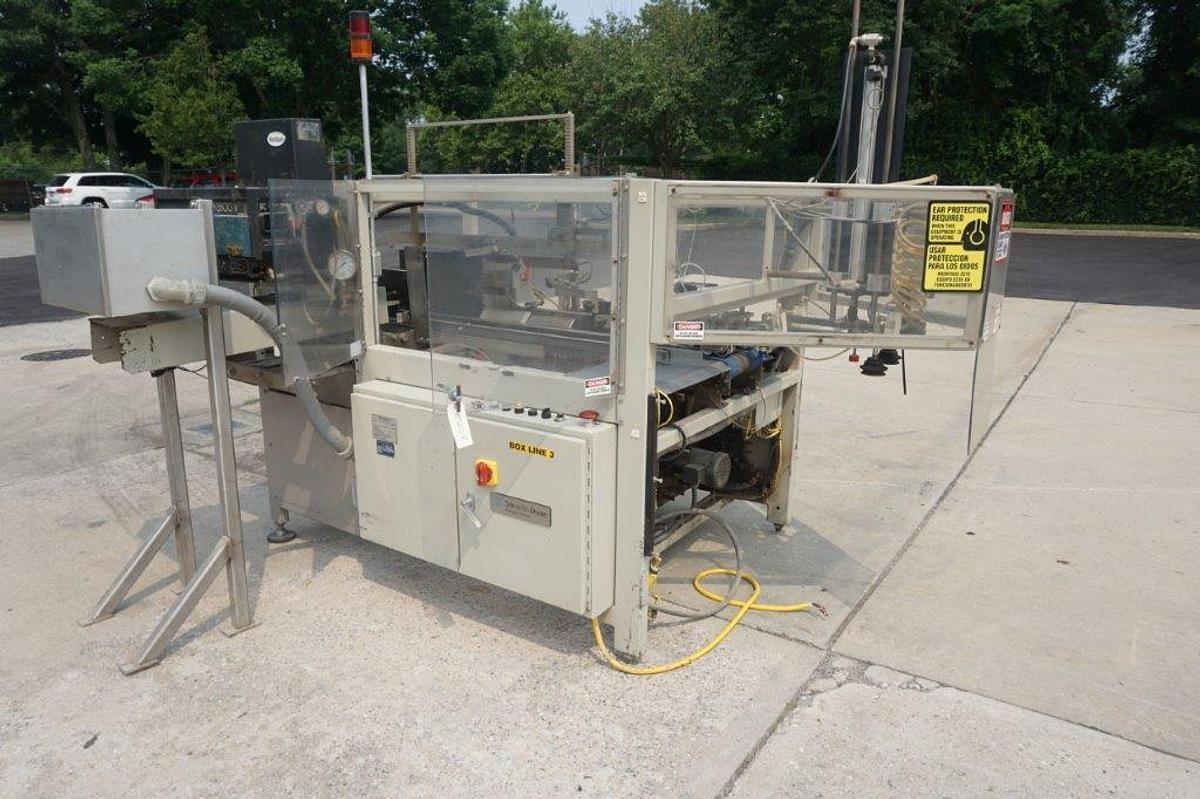
Packomatic
Packomatic specializes in packaging solutions, primarily serving the food and beverage industry. They are known for their innovative filling and sealing machines, which enhance production efficiency and maintain product integrity.
FAQ:
What types of products can Packomatic packaging machines handle?
Packomatic machines are primarily associated with food and beverage applications, where their filling and sealing capabilities help producers maintain product integrity at scale. Common applications include liquid and semi-liquid fills, portioned dry goods, and sealed pouches or cartons across snack, dairy, beverage, and similar categories. Beyond food and beverage, Packomatic-style automated packaging equipment is also found in pharmaceutical and general industrial settings where consistent, repeatable sealing is critical.
Because the used market includes machines from various production eras and configurations, the specific product compatibility of any individual unit depends heavily on its model, tooling, and the format it was originally set up to run. Buyers with specialized products, such as irregular shapes, high-viscosity fills, or unusual package sizes, should review the machine's original specifications carefully and, where possible, consult with a technician familiar with that model before purchasing. Inspecting the machine's current tooling and changeover parts is especially important when buying used, since not all ancillary components may be included with the sale.
What is the typical price range for used Packomatic packaging machines?
Pricing for used Packomatic packaging machines varies considerably depending on the machine type, age, condition, and included features. Entry-level or older semi-automated units can be found at relatively modest price points, while more capable automated case packaging or filling-and-sealing lines with integrated gluing systems (such as Nordson gluing units) tend to command higher prices reflecting their throughput capacity and complexity. As a general reference point, used industrial packaging machines of this category often range anywhere from a few thousand dollars for basic units to well over $50,000 for fully equipped automated lines in good working condition.
Buyers should think beyond the purchase price when evaluating total cost of ownership. Shipping, rigging, installation, any required refurbishment, and ongoing parts availability all factor into the real landed cost of a used machine. Getting itemized quotes for crating, freight, and any unloading equipment needed at the destination is a practical step before committing to a purchase. Consulting with the seller about the machine's service history and asking which replacement parts are readily available can also prevent unexpected costs after the machine arrives.
What should buyers know about inspecting a used Packomatic machine before purchasing?
Inspection is one of the most important steps in buying any used packaging machine, and reputable dealers will typically accommodate in-person visits, live video walkthroughs, or recorded video captures of the equipment. The goal is to get an accurate picture of the machine's current mechanical and electrical condition, including wear on sealing components, the state of drive systems, and whether all safety guards and controls are present and functional. If a machine is still installed at a production facility, it may be possible to observe it running, which gives the clearest indication of its actual working order.
Keep in mind that most used equipment dealers are not set up as production facilities, so running actual product through a machine during inspection is generally not feasible at a dealer's location. This makes it especially important to ask detailed questions about the machine's last use, how it was decommissioned, and whether any known repairs or replacements are needed. Buyers who are not mechanically familiar with packaging equipment may want to bring in or consult with an independent technician who can evaluate the machine's condition and estimate any reconditioning costs before the sale is finalized.
How does throughput speed factor into choosing a used Packomatic packaging machine?
Output capacity, typically measured in units per minute, bags per hour, or cases per hour depending on the machine type, is one of the most critical specifications for commercial buyers evaluating any packaging machine. A machine that cannot keep pace with a production line creates bottlenecks, while one that is significantly oversized for current needs may represent unnecessary capital expenditure and higher operating costs. Packomatic machines span a range of throughput capabilities depending on model and configuration, so matching the machine's rated speed to actual production requirements is a foundational part of the selection process.
With used equipment, the rated throughput from the original specifications may not reflect the machine's current performance, particularly if components have worn or if the machine has been modified over time. Buyers should ask the seller for the machine's original spec sheet and compare that against any observable performance during inspection. If the machine has been sitting idle, a qualified technician should assess whether sealing components, timing systems, and drive mechanisms are still capable of reaching rated speeds before assuming the machine will perform to its original design capacity.
Are used Packomatic machines suitable for small businesses, or are they designed for large-scale operations?
Packomatic's product line has historically been oriented toward commercial and industrial production environments where consistent automated output is the priority. That said, the used market can make this equipment accessible to smaller operations that could not justify the cost of purchasing equivalent machinery at full industrial prices. A small food producer scaling up from manual packaging, for example, might find a used semi-automated Packomatic unit to be a practical and cost-effective step up that meaningfully improves throughput without the overhead of a fully automated line.
The key consideration for smaller businesses is not just purchase price but also the practical demands of operating and maintaining industrial packaging equipment. These machines require operators with some mechanical aptitude, access to replacement parts, and potentially the ability to call on a qualified technician for periodic maintenance or troubleshooting. Smaller operations should honestly assess whether they have the space, electrical infrastructure, and technical support resources to keep a machine like this running reliably before committing to a purchase.
How difficult is it to set up and operate a used Packomatic packaging machine?
Setup complexity for a used Packomatic machine depends on the specific model and how it was previously configured. Case packaging machines with integrated gluing systems, for instance, involve multiple subsystems including mechanical drives, heating elements, adhesive delivery, and electronic controls, each of which needs to be properly commissioned before the machine runs reliably. Buyers without in-house mechanical expertise should budget for professional installation and commissioning, which can add to the total landed cost but significantly reduces the risk of startup problems.
On the operational side, Packomatic machines are designed for repeatable automated production, which means day-to-day operation is generally straightforward once the machine is properly set up and calibrated for a specific product and package format. Changeovers to different product sizes or packaging formats are where complexity tends to increase, particularly on older machines that may require manual adjustments and tooling swaps rather than quick-change systems. Requesting the machine's original operator manual from the seller, if available, is a practical step that can make both setup and ongoing operation considerably easier.
What is the parts and technical support situation for used Packomatic machines?
Parts availability is a legitimate concern with any used industrial packaging machine, and it varies based on the age of the unit and how widely that model was distributed. For Packomatic machines, buyers should contact the manufacturer directly to ask about current parts support for the specific model they are considering. Manufacturers can typically indicate whether replacement parts are still stocked, whether third-party equivalents are available, and what level of technical documentation or service support they can provide for older models. This conversation is worth having before purchase, not after.
Beyond the manufacturer, the used packaging equipment market has a network of independent service technicians and parts suppliers who specialize in specific machine types and brands. Identifying whether such resources exist in your region before committing to a purchase adds a meaningful layer of confidence. Machines that were widely sold and operated tend to have better third-party support ecosystems than limited-production or highly specialized models. Asking the seller about the machine's service history and any known parts that have been replaced or that may need attention in the near term is also a reasonable part of due diligence.
What does 'sold as-is' mean when buying used packaging equipment, and how should buyers protect themselves?
Used packaging equipment is typically sold without any warranty coverage, meaning the seller makes no representations about the machine's condition or future performance beyond what is disclosed at the time of sale. This is standard practice in the used industrial equipment market and places the responsibility for evaluating the machine's condition squarely on the buyer. It is not a red flag in itself, but it does make thorough pre-purchase inspection and due diligence genuinely important rather than optional.
Buyers can protect themselves by choosing dealers with an established track record in the packaging equipment category, requesting as much documentation as possible (service records, original manuals, specification sheets), and taking full advantage of any inspection opportunities the seller offers. Engaging an independent technician to evaluate the machine, either in person or via a detailed video inspection, is one of the most practical risk-reduction steps available. Understanding exactly what condition the machine is in before money changes hands is far more valuable than any after-the-fact recourse.
What should buyers understand about shipping and rigging costs for used Packomatic machines?
Shipping a used packaging machine is rarely as simple as standard freight, and the costs involved can be significant enough to meaningfully affect the total acquisition price. Machines need to be properly secured, palletized, or crated to prevent damage in transit, and the level of packaging required depends on the machine's size, weight, and fragility. Larger case packaging machines with integrated systems may require custom crating and specialized handling, all of which add to the shipping cost. Buyers should ask sellers for a detailed breakdown of packaging, rigging, and freight charges before finalizing a purchase so there are no surprises.
At the destination, larger machines typically require forklift access or crane rigging for unloading, which is an additional cost the buyer needs to arrange and budget for. Freight carriers handling industrial equipment shipments will also have specific requirements around loading dock access and delivery scheduling. Getting a full landed cost estimate, covering the machine price plus all shipping, rigging, and delivery-related expenses, is the only accurate way to compare the true cost of machines listed at different price points by different sellers.
What payment terms are typical when purchasing used packaging equipment?
The standard practice among used equipment dealers is to require full payment before a machine is shipped. This applies to the vast majority of transactions, particularly for buyers who are purchasing from a dealer for the first time. The rationale is straightforward: once a machine leaves the seller's facility, the seller has limited recourse if payment issues arise, so collecting in full prior to shipment is the industry norm rather than an exception.
Some dealers may offer extended payment terms to established customers with a prior purchase history, but this is not the default and should not be assumed. Buyers should ask about accepted payment methods early in the process, as wire transfer is common for transactions of this size and some dealers may not accept credit cards for large equipment purchases. Understanding the payment timeline relative to the inspection and shipping schedule helps avoid delays, since most sellers will begin the shipping process only after funds have cleared.