Category
Manufacturer
Model
Packline
Packline offers a range of packaging solutions, focusing on the food and beverage industry. They are recognized for their innovative packaging systems that enhance product safety and shelf life.
FAQ:
What types of packaging machines does Packline manufacture?
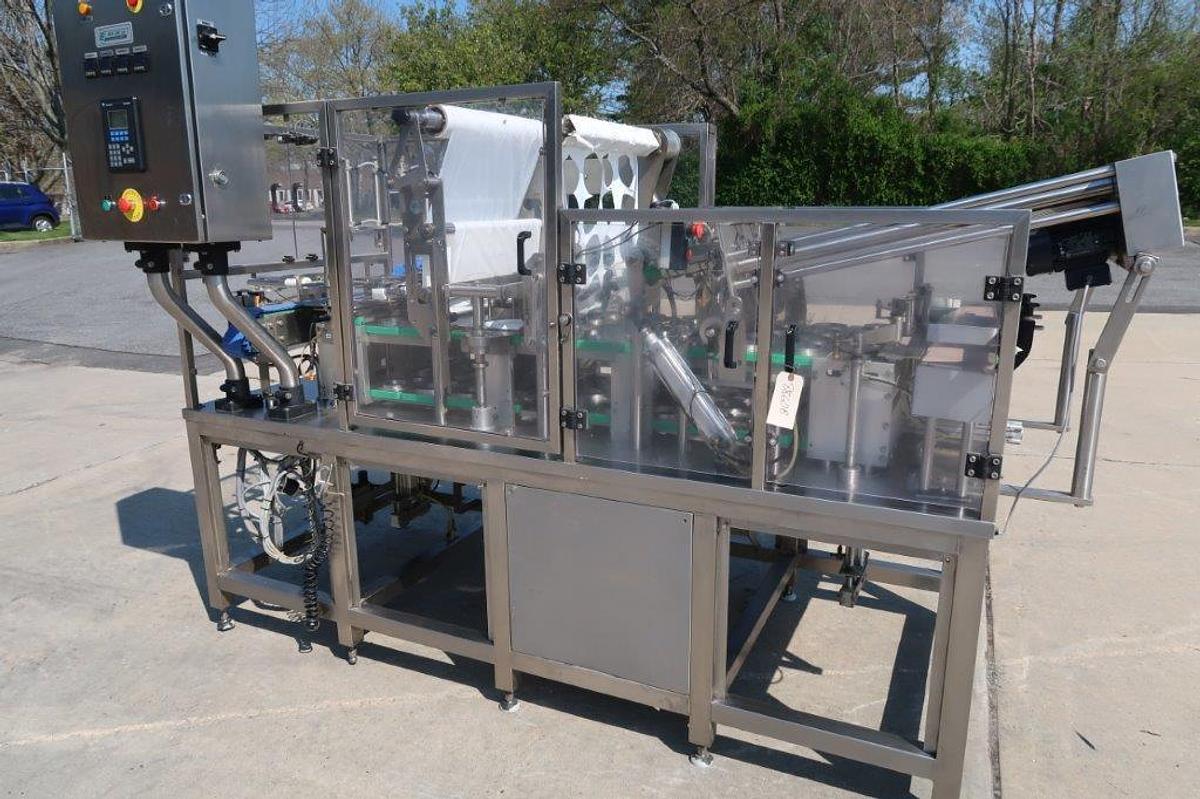
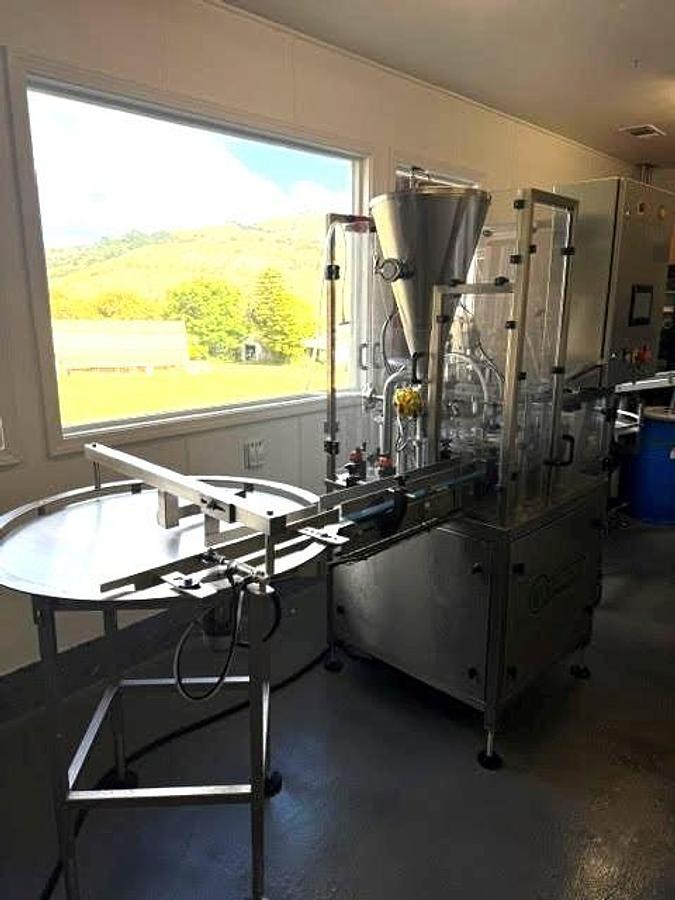
Packline is a UK-based manufacturer specializing in stainless steel packaging machinery, with a strong focus on the food and beverage industry. Their product range covers a broad spectrum of packaging needs, including cup filling machines, rotary filling systems, checkweighers, conveyors, rotary tables, and tipping and emptying equipment. Two of the more recognized models in the used equipment market are the PXG-4 Four Lane Stainless Cup Packaging Machine and the Rotary Cup Filling Machine, which is capable of handling two-flavor configurations.
Packline machines are built with hygienic design principles at their core, making them well-suited for industries that operate under strict sanitation and food safety standards. Their stainless steel construction is a deliberate choice, as it resists corrosion, tolerates frequent washdowns, and meets the cleanliness requirements common in food processing, pharmaceutical, and cosmetic manufacturing environments. The modular design approach also means that many Packline machines can be adapted or scaled as production demands shift over time.
What industries are Packline packaging machines designed for?
Packline packaging equipment is primarily designed for industries where hygiene, precision, and durability are non-negotiable. The food and beverage sector is the most prominent application, particularly for dairy products, desserts, sauces, and other portioned or cup-filled goods. Beyond food, Packline machines are also used in pharmaceutical manufacturing and cosmetics production, where strict cleanliness standards and precise fill weights are equally critical.
The consistent thread across all these industries is the need for equipment that can withstand rigorous cleaning regimens without degrading over time. Packline's all-stainless construction and hygienic design make their machines compliant with the kinds of sanitation audits and regulatory inspections that food, pharma, and cosmetic producers face regularly. For buyers sourcing used Packline equipment, understanding the machine's prior industry application can be useful context when evaluating its condition and suitability for a new production environment.
What should buyers know about purchasing used Packline packaging machines?
Buying used Packline packaging equipment is a practical way to access well-built, industry-grade machinery at a lower cost than purchasing comparable equipment through other channels. Because Packline machines are constructed from stainless steel with hygiene-focused designs, they tend to hold up well over time, which makes the used market for these machines particularly active. That said, buyers should approach any used machinery purchase with a thorough inspection process rather than relying solely on a seller's description.
Reputable used equipment dealers will typically offer in-person inspections, virtual walkthroughs, or video documentation of the machine's current condition. Some machines may still be operational at the facility where they are being sold, which can allow buyers to observe the equipment running under real production conditions. Keep in mind that most dealers do not have the permitting required to run actual product through a machine during a dealer-side demonstration, so buyers should factor that limitation into their evaluation process. Consulting directly with Packline or authorized service technicians about parts availability and support for a specific model and age of machine is also a smart step before committing to a purchase.
How should buyers inspect a used Packline machine before buying?
A thorough inspection is one of the most important steps in purchasing any used packaging machine, and Packline equipment is no exception. Buyers have several options available to them. An in-person visit to the dealer's facility or the plant where the machine is currently located is the most thorough approach, as it allows for a hands-on assessment of mechanical condition, wear on key components, and the overall cleanliness and maintenance history of the equipment. When in-person travel is not practical, many dealers can arrange video inspections or provide detailed video walkthroughs that capture the machine's current state.
During any inspection, buyers should pay close attention to the condition of seals, filling heads, drive mechanisms, and any wear points specific to the machine type. For cup filling machines like the Packline PXG-4, the integrity of the lane guides, sealing stations, and indexing systems are particularly worth scrutinizing. It is also worth asking the dealer whether the machine was decommissioned or is still in active production, as machines that have been sitting idle for extended periods may require more preparation before being put back into service. Reaching out to Packline directly about the specific model can help buyers understand what parts and technical support are realistically available for that machine's age and configuration.
What is the typical price range for used Packline packaging machines?
Pricing for used Packline packaging machines varies considerably depending on the model, age, condition, and the complexity of the equipment. Entry-level or older single-function machines may be available at lower price points, while multi-lane or multi-function systems like the PXG-4 Four Lane Cup Packaging Machine or a two-flavor Rotary Cup Filling Machine will generally command higher prices due to their production capacity and the cost of comparable equipment.
Beyond the purchase price itself, buyers should factor in the total landed cost of the equipment, which includes packaging and crating, freight, and any rigging required for loading and unloading heavier machines. These additional costs can be significant for large or heavy packaging systems and should be clarified with the dealer before finalizing a purchase. Getting a clear picture of all costs upfront helps avoid surprises and allows for a more accurate comparison between available machines on the market.
Do used Packline machines come with a warranty?
Used packaging equipment, including Packline machines, is typically sold on an as-is basis by dealers in the secondary market. Warranties are generally a feature of purchases made directly through equipment manufacturers, and most used equipment dealers do not extend warranty coverage on pre-owned machinery. This puts the responsibility of assessing machine condition squarely on the buyer, which is why a thorough inspection process is so important before any purchase is finalized.
To protect themselves, buyers should prioritize working with dealers who have a long, verifiable track record of selling packaging machinery and who specialize in the relevant industry. A reputable dealer will be transparent about what they know of the machine's history and will facilitate inspections rather than discourage them. Buyers should also contact Packline directly to understand what level of technical support, spare parts availability, and service documentation can be expected for a machine of a particular age and model. The manufacturer's ability to support older equipment varies, and knowing this in advance helps buyers make a more informed decision.
What are the key features of Packline cup filling machines?
Packline cup filling machines are designed around two core priorities: hygienic operation and reliable high-speed performance. The machines are constructed entirely from stainless steel, which allows them to withstand the frequent washdowns required in food production environments without corroding or harboring bacteria. Models like the PXG-4 are configured with multiple lanes, allowing them to fill and seal several cups simultaneously, which significantly increases throughput compared to single-lane alternatives.
The rotary cup filling machines in the Packline lineup add another layer of versatility, with configurations capable of handling multiple product flavors or formulations in a single pass. This makes them particularly well-suited for dairy and dessert producers who need to run varied product lines on the same equipment. The hygienic design extends to the machine's internal components and contact surfaces, which are engineered to minimize product buildup and simplify the cleaning process between production runs. For buyers evaluating used Packline cup fillers, understanding the specific lane count, fill volume range, and sealing mechanism of a given model is essential for matching the machine to their production requirements.
What are the shipping and logistics considerations when buying a used Packline machine?
Shipping a used packaging machine involves more planning than a standard freight shipment, and the costs can vary significantly based on the size and weight of the equipment. Packline machines, particularly multi-lane cup fillers and rotary systems, are substantial pieces of industrial equipment that require proper palletization or custom crating to prevent damage during transit. The level of packaging required will affect the shipping cost, and buyers should ask dealers specifically what preparation the machine will receive before it leaves the facility.
For larger or heavier machines, professional rigging may be needed for both loading at the dealer's location and unloading at the buyer's facility. Rigging services are typically an additional cost and should be factored into the total acquisition budget alongside the purchase price and freight charges. Buyers who are not experienced with receiving heavy machinery should also consider whether their facility has adequate loading dock access, forklift capacity, or crane availability to safely receive the equipment. Getting a full breakdown of all shipping-related costs from the dealer before committing to a purchase is the best way to avoid unexpected expenses.
What payment terms should buyers expect when purchasing used Packline equipment?
Payment practices in the used equipment market are fairly standardized. Most dealers require full payment before a machine is released for shipping, regardless of the buyer's location or the size of the purchase. This is the norm across the industry and reflects the nature of used equipment transactions, where the seller needs to confirm funds before arranging logistics and releasing inventory.
Some dealers may offer extended payment terms to established customers with a history of prior purchases, but this is generally handled on a case-by-case basis rather than as a standard offering. Buyers who are new to a particular dealer should expect to pay in full upfront. Before making payment, it is worth confirming with the dealer exactly what documentation will be provided, including any available service records, machine manuals, or inspection reports that can support the buyer's evaluation of the equipment's condition and history.
How do Packline machines compare to other stainless steel packaging equipment on the market?
Packline has built a specific reputation in the cup filling and hygienic packaging segment, particularly for food and beverage applications. Their machines are recognized for the quality of their stainless steel fabrication, the cleanability of their designs, and their suitability for environments where food safety compliance is a regular requirement. This positions them alongside other European manufacturers that prioritize hygienic engineering, and they are generally regarded as a step above lower-cost alternatives that may use mixed materials or less rigorous design standards.
For buyers evaluating used packaging equipment, the Packline brand carries a degree of credibility that can make sourcing parts and technical information more straightforward than it would be with obscure or discontinued brands. That said, buyers should still verify parts availability for the specific model they are considering, since older machines may have components that are harder to source. Comparing Packline equipment against alternatives should account not just for purchase price but for factors like compatibility with existing production lines, ease of cleaning and maintenance, and the realistic cost of getting the machine back to full operational condition if any refurbishment is needed.