Category
Manufacturer
Model
Packaging Systems
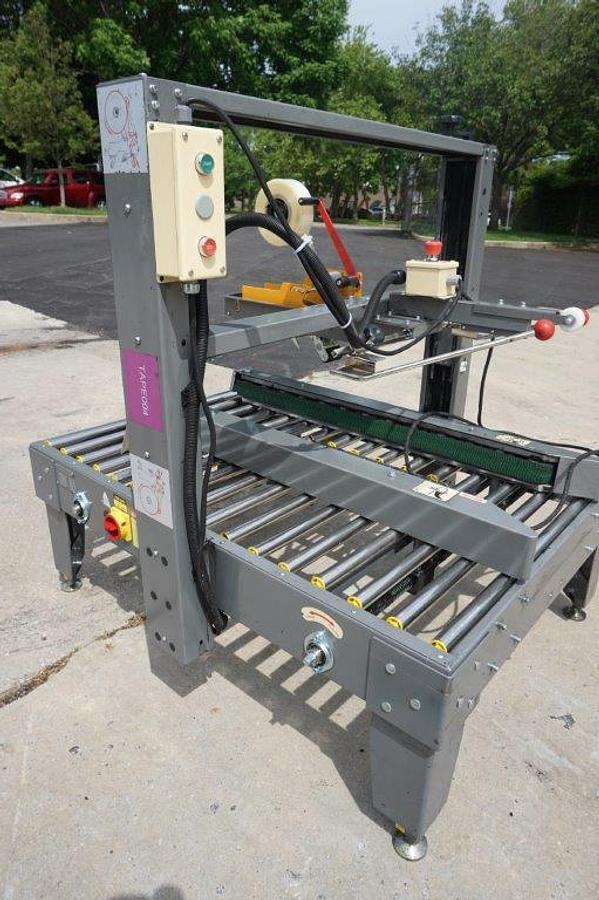
Packaging Systems specializes in integrated packaging solutions for various industries, including food and consumer goods. They offer a range of machines that streamline the packaging process from filling to palletizing.
FAQ:
What types of packaging systems machinery are available on the used market?
Used packaging systems machinery covers a broad range of equipment designed to handle every stage of the packaging process. Common machine categories include filling machines, sealing machines, labeling systems, shrink wrappers, cartoners, case erectors, case tapers, and palletizers. Integrated end-of-line systems that combine several of these functions are also frequently available, particularly from food manufacturers and consumer goods companies that have upgraded or consolidated their production lines. Brands like Packaging Systems have historically offered machines that cover the full arc from filling through palletizing, so buyers can sometimes source complementary equipment from a single product line.
The used market tends to reflect what industries have retired from active production, which means availability shifts over time. Buyers looking for a specific machine type, such as a case taper or a top-only sealer, should work with dealers who specialize in packaging equipment rather than general industrial surplus dealers. Specialists maintain more focused inventories and are better positioned to match a buyer's throughput requirements, packaging material compatibility, and changeover flexibility to the right machine.
How much does used packaging systems machinery typically cost?
Pricing on used packaging machinery varies considerably depending on automation level, age, condition, and the complexity of the system. Entry-level semi-automatic machines, such as basic case tapers or tabletop fillers, can be found in the $5,000 to $20,000 range. Mid-range automated systems, including integrated filling and sealing lines or fully automatic labelers, typically fall between $20,000 and $100,000. High-capacity fully automated packaging lines, especially those that include robotic palletizing or vision inspection systems, can exceed $200,000 to $500,000 even on the secondary market.
Buyers should think beyond the purchase price when calculating total cost of ownership. Installation, electrical or mechanical modifications to fit an existing facility, operator training, spare parts inventory, and ongoing maintenance all add to the real cost of bringing a used machine into production. Getting a clear picture of the machine's current condition through inspection, and consulting the manufacturer about parts and support availability for that specific model, helps avoid surprises after the sale.
What industries commonly use packaging systems machinery?
Packaging systems machinery serves a wide cross-section of industries. Food and beverage is by far the largest segment, covering everything from dry goods and snacks to beverages, dairy, and frozen products. Consumer goods manufacturers, including personal care, household cleaning products, and over-the-counter health products, rely heavily on automated packaging lines to handle high-volume SKU counts. Pharmaceutical and nutraceutical producers use specialized packaging equipment built to meet stricter regulatory standards around tamper evidence, serialization, and clean-room compatibility.
Beyond those core markets, packaging machinery is also used in industrial goods, hardware, pet food, and agricultural products. The key common factor across all these industries is the need to protect product, present it consistently for retail or distribution, and move it through a facility at a speed that matches production output. Used packaging machinery from food or consumer goods lines is often well-suited for buyers in adjacent industries, provided the machine's format range and materials compatibility align with the new application.
How do I determine the right machine capacity for my production needs?
The starting point is throughput, measured in units per minute or cases per hour depending on the machine type. Buyers should calculate their required output by working backward from their production targets, factoring in planned shifts, downtime allowances, and any anticipated growth in volume. A machine rated at 60 cases per minute is only useful if the upstream and downstream equipment can keep pace, so evaluating capacity in isolation without considering the full line is a common and costly mistake.
Beyond raw speed, buyers should assess packaging format flexibility. A machine that handles a single container size efficiently but requires extensive changeover time or tooling for other SKUs may create bottlenecks if the operation runs multiple product formats. Evaluating the ease of changeover, the range of packaging materials the machine accepts, and the skill level required to operate and maintain it are all part of matching a used machine to a real production environment. Consulting with a dealer who specializes in packaging equipment can help translate production requirements into specific machine specifications.
What should I inspect before buying used packaging machinery?
A thorough inspection is the most important step in any used machinery purchase. Buyers should request either an in-person visit to the machine's current location or a detailed video inspection conducted by the dealer. The goal is to get an accurate picture of the machine's mechanical condition, including wear on drive components, the condition of belts and chains, the state of electrical panels and controls, and any visible signs of damage, corrosion, or improvised repairs. If the machine is still installed at a production facility, some dealers can arrange an inspection while it is running, which provides a much clearer view of actual operating condition.
Keep in mind that most equipment dealers do not have the permitting or facilities to run production-grade tests with actual product. Inspections will typically confirm that the machine powers on, moves through its cycles, and shows no obvious mechanical defects, but a full production trial is generally not possible in a dealer setting. Buyers should also contact the machine's manufacturer directly to ask about parts availability, the level of technical support offered for that specific model and age, and whether software or controls updates are still supported. This step is especially important for older machines or models that have been superseded by current production versions.
Do used packaging machines come with a warranty?
Manufacturer warranties are tied to the sale of new equipment from authorized channels and do not transfer with used machinery. Used equipment dealers typically sell machines on an as-is basis, which places the responsibility for evaluating condition squarely on the buyer. This is standard practice across the used industrial machinery market and is not unique to any one dealer or machine type.
Because there is no warranty safety net, the quality of the inspection process becomes critical. Buyers should choose dealers with a documented track record in packaging machinery specifically, not general surplus equipment. A reputable specialist dealer will be transparent about a machine's condition, provide inspection access, and help buyers understand what they are getting. Contacting the manufacturer before purchase to ask about service support, available spare parts, and any known issues with a particular model or vintage adds another layer of due diligence that can prevent expensive problems after delivery.
How is used packaging machinery typically shipped, and what does it cost?
Shipping costs for packaging machinery depend on the size and weight of the equipment, the distance involved, and the level of packaging and rigging required to move it safely. Smaller machines may ship palletized on standard freight, while larger integrated systems often require custom crating, specialized flatbed transport, and heavy-duty rigging for both loading at the origin and unloading at the destination. Rigging costs are typically separate from freight charges and can add meaningfully to the total landed cost, particularly for multi-ton equipment.
Buyers should ask dealers for a detailed breakdown of all shipping-related costs before finalizing a purchase. This includes palletization or crating fees, rigging at origin, freight to destination, and any rigging or installation assistance needed at the receiving facility. Understanding the full landed cost, not just the purchase price, is essential for accurate budgeting. Some dealers have established relationships with freight and rigging companies that specialize in industrial machinery, which can simplify the logistics coordination.
What are typical payment terms for used packaging machinery purchases?
Most used equipment dealers require payment in full before a machine is released for shipping. This is standard practice in the industry and reflects the nature of used equipment transactions, where the dealer is holding specific inventory that may have multiple interested buyers. Wire transfer is the most common payment method for transactions of this size, though some dealers accept other forms of payment depending on the deal structure.
Buyers who have an established relationship with a dealer may occasionally be offered extended terms, but this is the exception rather than the rule for first-time transactions. Buyers financing equipment purchases through a third-party lender should confirm the financing timeline with their lender before committing to a purchase, since delays in funding can complicate the transaction. Discussing payment expectations early in the negotiation process helps avoid misunderstandings and keeps the transaction moving smoothly.
Are replacement parts readily available for used packaging machinery brands like Packaging Systems?
Parts availability varies significantly depending on the manufacturer, the age of the machine, and whether that model is still in active production. For well-established packaging machinery brands, many mechanical and electrical components remain available either directly from the manufacturer or through third-party parts suppliers that stock common wear items. Pneumatic components, belts, chains, sensors, and standard electrical parts are often sourceable from industrial distributors even when the original equipment manufacturer no longer stocks machine-specific parts.
For older or discontinued models, buyers should contact the manufacturer before purchasing to ask specifically about parts support for that machine's model and vintage. Some manufacturers maintain legacy parts inventories or can provide drawings that allow parts to be fabricated locally. Others may have limited or no support for older equipment, which shifts the maintenance burden entirely to the buyer's internal team or third-party service providers. Understanding parts availability before the sale is one of the most practical ways to assess the long-term viability of a used machine purchase.
What is the difference between semi-automatic and fully automatic packaging machinery, and which is better for a used equipment buyer?
Semi-automatic packaging machines require an operator to handle part of the process, such as placing a product into a carton or positioning a bag before sealing, while the machine handles the mechanical steps. They have lower purchase prices, simpler controls, and are generally easier to maintain and troubleshoot. Fully automatic systems handle the entire packaging sequence without manual intervention, running product through filling, sealing, labeling, and case packing at high speed with minimal labor. These systems are more complex mechanically and electronically, and they require more sophisticated maintenance capabilities.
For used equipment buyers, the choice between semi-automatic and fully automatic comes down to production volume, available labor, and in-house technical capability. A smaller operation running lower volumes may get better return from a reliable semi-automatic machine that the team can operate and maintain confidently, rather than a high-speed automatic system that requires specialized technicians to keep running. Fully automatic lines make sense when the volume justifies the complexity and when the buyer has the technical resources to support the equipment. Either way, inspecting the machine's controls and electrical systems carefully is important, since automation components tend to be the most expensive and difficult to source on older used equipment.