Category
Manufacturer
Model
Package Machinery
Package Machinery is a key player in the packaging equipment industry, serving sectors such as food, pharmaceuticals, and personal care. They are recognized for their innovative solutions in case packing and cartoning.
FAQ:
What types of packaging machinery equipment are available on the used market?
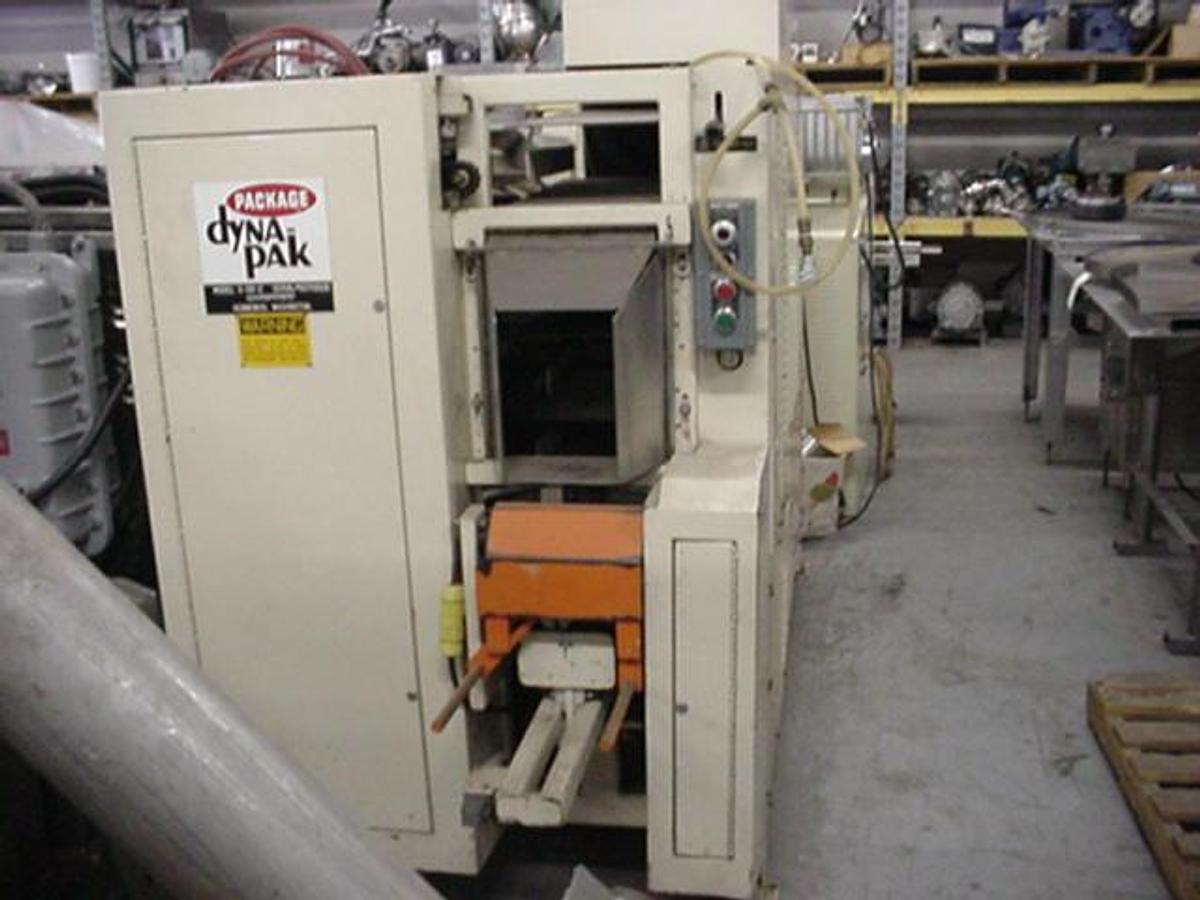
Used packaging machinery covers a wide range of equipment categories, including case packers, cartoners, filling machines, sealing machines, labeling machines, wrapping machines, and complete integrated packaging lines. Within each category there are further distinctions based on the packaging format, material type, and production volume the machine was built to handle. For example, case packers alone come in side-load, top-load, and wrap-around configurations, each suited to different product types and throughput requirements. Brands like Package Machinery, known for their Dyna-Pak line of case packers and cartoning equipment, represent the kind of specialized machinery commonly found in the used market.
Buyers searching for used packaging equipment should start by clearly defining their operational requirements before evaluating listings. Key factors include the type of product being packaged, the packaging format (carton, case, pouch, etc.), required output speed, and the physical footprint available on the production floor. Because used machines were built for prior production environments, it pays to review the original specifications carefully and confirm whether the machine can be adapted to your specific line. Dealers who specialize in packaging machinery are a better resource than general industrial equipment resellers, since they understand the nuances of the equipment and can help match buyers to the right machine.
What industries use Package Machinery equipment?
Package Machinery is recognized as a key player in the packaging equipment industry, with equipment designed to serve food and beverage, pharmaceutical, and personal care sectors. Their case packers and cartoners are built for high-speed production environments where consistent, reliable packaging output is critical. Food manufacturers rely on this type of equipment for boxing and cartoning products at scale, while pharmaceutical companies depend on precise, repeatable packaging to meet regulatory requirements. Personal care brands use similar machinery for products like bottles, tubes, and blister packs that need to be efficiently packed into retail-ready cases or cartons.
Beyond those three primary sectors, packaging machinery of this type also finds use in household products, nutraceuticals, and contract packaging operations. Contract packagers in particular are frequent buyers of used packaging equipment because they need flexible, proven machines that can handle a variety of client products without the capital outlay of purchasing new equipment. The broad industry applicability of case packing and cartoning machinery makes used units from established manufacturers like Package Machinery a practical choice for many different production environments, provided the machine's specifications align with the buyer's product dimensions, throughput needs, and packaging materials.
What is the average cost of used packaging machinery equipment?
Pricing for used packaging machinery varies considerably depending on the type of machine, its age, condition, original manufacturer, and how specialized the equipment is. Entry-level used tabletop or semi-automatic packaging machines can sell for a few thousand dollars, while mid-range automatic case packers and cartoners from recognized manufacturers typically fall in the $15,000 to $75,000 range. High-speed, fully integrated packaging lines from well-regarded brands can exceed $100,000 or more depending on the configuration and condition. Used equipment from established manufacturers like Package Machinery tends to hold value because of the brand's reputation for durability and the continued availability of parts and technical knowledge.
Beyond the purchase price, buyers should calculate the full landed cost of the equipment before committing. This includes freight, crating or rigging fees, installation, any refurbishment or parts replacement needed to bring the machine to working condition, and operator training. These ancillary costs can add meaningfully to the total investment, particularly for large or heavy machines that require specialized rigging for loading and unloading. Getting a detailed quote from the dealer that breaks out each of these cost components is the best way to avoid surprises and accurately compare options across different listings or sellers.
Does used packaging machinery come with a warranty?
Used packaging machinery is typically sold on an as-is basis, which is standard practice across the used equipment industry. Warranties are generally only offered by original manufacturers on brand-new machines. When purchasing used equipment, the responsibility for assessing the machine's condition falls on the buyer, which is why thorough inspection before purchase is so important. This is not a disadvantage unique to any one dealer; it reflects how the used machinery market operates across the board.
To protect themselves, buyers should prioritize dealers with a long track record of selling packaging machinery specifically, rather than generalist equipment resellers. Specialized dealers are more likely to accurately represent a machine's condition and history. Before finalizing a purchase, buyers should also contact the original manufacturer directly to understand what level of technical support, parts availability, and service documentation exists for the specific model and age of machine they are considering. Older or discontinued models may have limited manufacturer support, which is a factor worth weighing against the purchase price. Arranging a thorough inspection, either in person or via video, is the most practical way to assess condition when no warranty is in place.
How do I inspect a used packaging machine before buying it?
Inspections are a standard part of buying used packaging machinery, and reputable dealers will accommodate them in several formats. In-person inspections are the most thorough option, allowing a buyer or their technician to physically examine the machine, check for wear on mechanical components, review electrical systems, and assess overall condition firsthand. Virtual inspections via video call are a practical alternative for buyers who cannot travel, and many dealers can also provide detailed video recordings of the machine that show it powered on and cycling through its normal operation.
One important caveat is that most used equipment dealers are not set up to run actual production runs with product during an inspection. Running a full production test requires different permitting and facility capabilities than a typical equipment dealer maintains. What buyers can reasonably expect is a demonstration of the machine cycling under power, confirmation that major components are present and functional, and access to any available maintenance records or service history. In some cases, equipment is still installed at the facility where it was last used, and the dealer can arrange an inspection at that location, where the machine may even still be in active production. Buyers should ask their dealer specifically what inspection options are available for each machine they are considering.
What are the lead times for purchasing and receiving used packaging machinery?
Lead times for used packaging machinery are generally shorter than for equipment ordered through a manufacturer, since the machines already exist and are either in a dealer's warehouse or at a decommissioned facility ready for removal. In many cases, once payment is confirmed, a machine can be prepared for shipment within a few days to a few weeks, depending on how much disassembly, cleaning, or palletizing is required before it leaves the facility. The shipping transit time then depends on the distance between the seller and the buyer, the size of the machine, and the mode of transport selected.
Larger or heavier machines, like high-speed case packers or integrated packaging lines, require more preparation time and specialized freight arrangements, which can extend the timeline. Rigging a large machine out of a facility, loading it onto flatbed or enclosed freight, and then unloading and positioning it at the buyer's plant all take coordination and add days to the process. Buyers should discuss realistic timelines with the dealer at the start of negotiations, including how long packaging and rigging preparation will take, estimated transit time, and any lead time for spare parts the buyer may want to have on hand before the machine arrives. Planning for installation and commissioning time at the receiving facility is also worth factoring into the overall project schedule.
What is a Package Machinery Dyna-Pak case packer and what does it do?
The Dyna-Pak is a line of case packing equipment produced by Package Machinery, a company recognized in the packaging industry for its work in case packing and cartoning applications. Case packers like the Dyna-Pak are designed to automatically place products, whether bottles, cartons, pouches, or other containers, into corrugated shipping cases at high speeds. The machine handles the process of grouping products into the correct count or pattern, opening the case, loading the product, and closing or sealing the case for shipment. This type of equipment is essential in food, pharmaceutical, and personal care production environments where manual case packing would be too slow or labor-intensive to meet output requirements.
The S-26-2 is one specific model in the Dyna-Pak line, and like most case packers of this type, it is built for integration into a larger production line rather than standalone operation. When evaluating a used Dyna-Pak, buyers should confirm which product types and case sizes the machine was configured for, since case packers are often set up for specific product dimensions and may require changeover parts or adjustments to run different formats. Consulting with a dealer who specializes in packaging machinery is the best way to understand whether a particular Dyna-Pak model and configuration matches the buyer's production requirements before committing to a purchase.
What production speed should I expect from used packaging machinery?
Production speed, typically measured in units per minute or cases per minute, is one of the most important specifications to evaluate when buying used packaging machinery. The rated speed of a machine reflects the maximum throughput it was designed to achieve under ideal conditions with the product it was originally configured for. For case packers and cartoners, speeds can range from 10 to 20 cases per minute on slower models to 60 or more cases per minute on high-speed equipment. The actual speed achieved in a new production environment may differ from the rated spec depending on product characteristics, changeover configuration, and the condition of the machine.
When buying used equipment, it is worth asking the dealer about the machine's operating history and what speeds it was running at in its prior application. A machine that was consistently run at or near its rated capacity will show more wear than one that was used intermittently or at lower speeds. Buyers should also factor in whether the machine's speed is compatible with the upstream and downstream equipment in their existing line, since a mismatch in throughput between machines can create bottlenecks. If possible, reviewing the machine's original technical documentation or reaching out to the manufacturer for spec sheets on the specific model will give the most reliable baseline for what to expect.
What maintenance does used packaging machinery typically require?
Packaging machinery, whether used or otherwise, requires regular preventive maintenance to stay in reliable working condition. Common maintenance tasks include lubricating moving parts, inspecting and replacing worn belts and chains, checking pneumatic fittings and seals, cleaning sensors and photo eyes, and verifying that timing and synchronization between mechanical components are within spec. For machines like case packers and cartoners that run at high cycle rates, these wear items need attention on a consistent schedule to prevent unplanned downtime. When buying used equipment, it is worth asking the dealer whether any maintenance records or service logs are available, as these can give insight into how well the machine was cared for in its prior operation.
Buyers should also plan for the possibility that some components may need replacement before or shortly after the machine is put into service in a new facility. Seals, belts, bearings, and electrical components like sensors or solenoid valves are common items that may need refreshing on a machine that has been in storage or decommissioned for a period of time. Contacting the manufacturer of the equipment directly is a useful step to understand parts availability for the specific model, since older machines may have limited or discontinued parts support. Building a small inventory of critical wear parts before starting production is a practical precaution that experienced used equipment buyers often take to minimize the risk of downtime early in the machine's new life.
What should I know about shipping and freight costs for used packaging machinery?
Shipping costs for used packaging machinery depend on several variables, including the size and weight of the machine, the distance between the seller and buyer, and the level of packaging or crating required to protect the equipment in transit. Smaller machines may ship on standard pallets via LTL (less-than-truckload) freight, while larger or heavier equipment often requires full truckload shipment or even flatbed transport. The cost of properly crating or skidding a machine to prevent damage during transit is typically the seller's responsibility to arrange, but the cost is usually passed on to the buyer, so it should be discussed and quoted upfront.
For very large machines, specialized rigging is required both at the point of origin to load the equipment and at the destination to unload and position it. Rigging services involve cranes, forklifts, and experienced crews, and the cost can be significant depending on the machine's weight and the complexity of the move. Buyers should ask dealers for a complete breakdown of all costs associated with getting the machine from its current location to the buyer's facility, including packaging, rigging, freight, and any applicable fuel surcharges or accessorial fees. Understanding the full landed cost before agreeing to a purchase prevents surprises and allows for an accurate comparison between different machines that may be priced differently but have very different freight profiles.