Category
Manufacturer
Model
Pack-All
Pack-All specializes in manufacturing all-in-one packaging solutions for the food and beverage industries. They are known for their versatile machines that can handle various packaging formats, including bags, pouches, and containers.
FAQ:
What types of packaging machines does Pack-All manufacture?
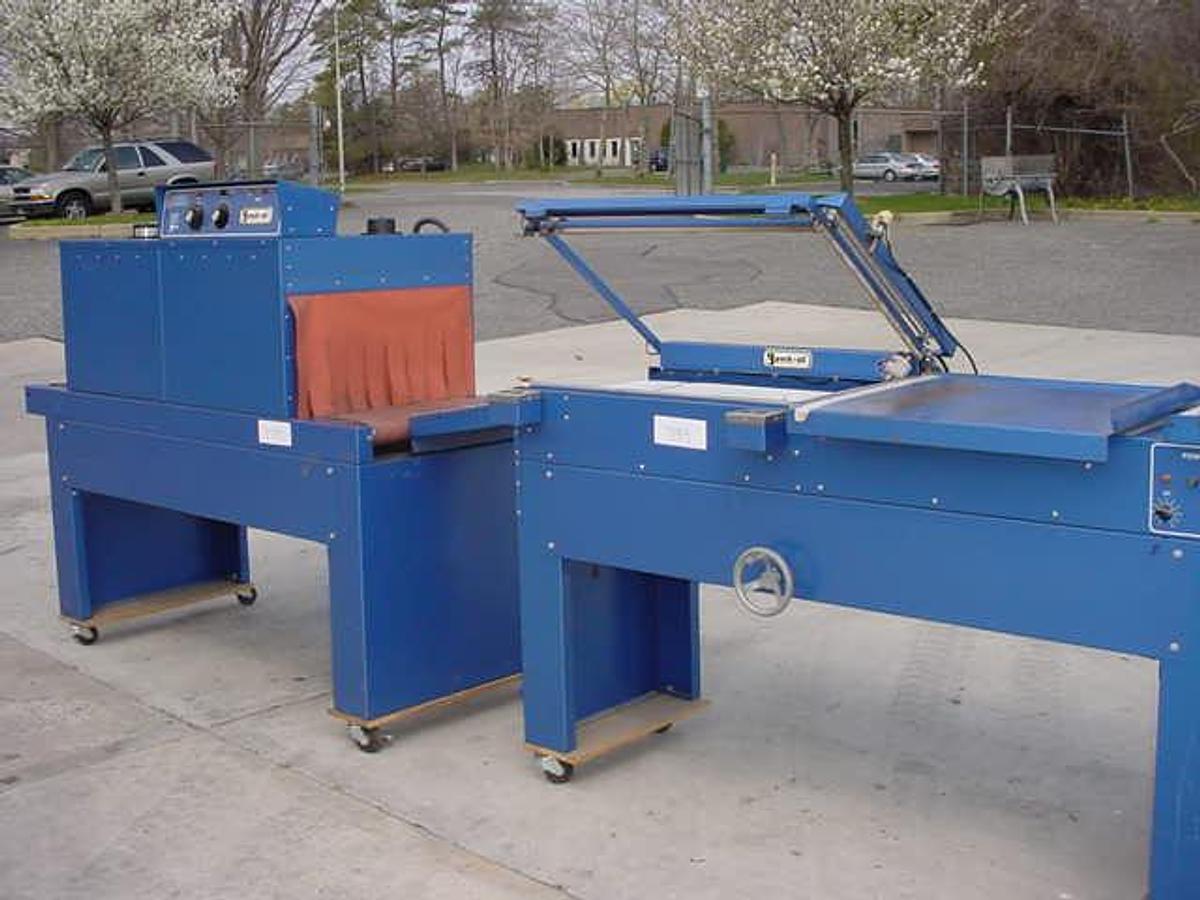
Pack-All specializes in all-in-one packaging solutions designed primarily for the food and beverage industries, though their machines also see use in pharmaceutical and general product packaging. Their product line covers a range of formats and automation levels, including shrink wrap machines, flow wrap machines, tray sealers, vacuum packaging machines, bagging systems, and L-sealers. The L-sealer is one of their more recognized models, used for wrapping products in shrink film before passing them through a heat tunnel to create a tight, professional seal.
Many Pack-All models are built with adjustable settings that accommodate a variety of product sizes, which makes them practical for businesses with diverse or changing product catalogs. The brand sits in a mid-tier commercial range, offering machines that are capable enough for consistent production runs without the cost and complexity of top-tier industrial equipment. Both semi-automatic and fully automatic configurations are available depending on the production volume and labor setup a facility requires.
What should buyers know about purchasing a used Pack-All packaging machine?
Buying a used Pack-All machine is a practical way to access commercial-grade packaging equipment at a significantly lower cost than purchasing unused equipment. Used machines are sold "as is," which means the condition of the equipment varies based on how it was maintained, how many production hours it logged, and how it was stored after decommissioning. Because there is no manufacturer-backed protection on used equipment, buyers carry the responsibility of thoroughly evaluating the machine before committing to a purchase.
To manage that risk, buyers should prioritize dealers who specialize in packaging machinery and have a long track record in the industry. Requesting an inspection, whether in person, via video call, or through recorded footage of the machine running, is one of the most effective ways to assess current working condition. It is also worth contacting Pack-All or consulting with a qualified technician to determine whether parts and technical support are still available for the specific model and age of machine being considered, since older models may have limited manufacturer support.
How can buyers inspect a used Pack-All machine before purchasing?
Reputable used equipment dealers typically offer several inspection options to give buyers an accurate picture of a machine's condition. The most common options are in-person inspections, live video walkthroughs conducted via video call, and pre-recorded video footage showing the machine in operation. In some cases, the equipment may still be installed and running at the facility where it was originally used, which allows for a real-time demonstration under actual production conditions.
Buyers should use the inspection to look for signs of wear on key components such as sealing bars, conveyor belts, film feed mechanisms, and control panels. Keep in mind that most used equipment dealers do not have the permits or infrastructure to run full production tests with actual product, so the inspection typically focuses on mechanical function and overall condition rather than output quality under load. If anything is unclear during a remote inspection, asking for additional angles, close-ups of specific components, or a second video session is entirely reasonable and any credible dealer should accommodate the request.
What materials and packaging formats can Pack-All machines handle?
Pack-All machines are designed to work with a range of packaging materials and formats, which is part of what makes them a popular choice for food and beverage producers with varied product lines. Depending on the model, these machines can handle shrink film, polyethylene bags, pouches, and various container formats. L-sealers, for example, work with center-folded shrink film to wrap individual products or multi-packs, while bagging systems are configured for pre-made or form-fill-seal bag applications.
The adjustability built into many Pack-All models means that a single machine can often accommodate different product dimensions without requiring a full tooling change, which reduces downtime during product switchovers. Buyers evaluating a specific used machine should confirm which film gauges, bag sizes, or container dimensions the unit was originally configured for, and whether those specifications align with their current production needs. A technician familiar with the brand can help assess whether any modifications or part replacements would be needed to adapt the machine to a different format.
Are Pack-All packaging machines suitable for small businesses?
Pack-All machines occupy a mid-tier commercial range, which makes them a reasonable fit for small to mid-sized businesses that have outgrown manual packaging but do not yet need the throughput of heavy industrial equipment. Semi-automatic models in particular are well-suited to smaller operations because they require less capital investment, take up less floor space, and can be operated by one or two people without extensive training. The ease of operation is a frequently cited advantage of the brand, with many models designed to minimize the learning curve for new operators.
For very small businesses or startups with low daily volume, the economics of purchasing even a used commercial machine should be weighed carefully against the actual production demand. That said, buying used Pack-All equipment rather than unused equipment can make the entry point much more accessible. A business packaging a few hundred units per day would likely find a used semi-automatic Pack-All model more than adequate, while larger operations might look at fully automatic configurations that reduce the need for manual intervention at each stage of the packaging cycle.
What is the typical price range for used Pack-All packaging machines?
Pricing for used Pack-All machines varies considerably based on the model, age, configuration, and overall condition of the equipment. Entry-level or older semi-automatic models such as L-sealers can often be found in the low thousands, while more capable fully automatic systems or machines with additional features like integrated conveyors or film dispensers will command higher prices. The condition of key components, including sealing elements, drive systems, and control boards, has a direct impact on the asking price and the likely cost of getting the machine production-ready.
Buyers should factor in more than just the purchase price when calculating the total cost of acquisition. Shipping, rigging, any necessary repairs or part replacements, and installation costs all contribute to the landed cost of the machine. Getting a clear breakdown of these figures from the dealer before committing allows for a more accurate comparison between different machines and sellers. A lower sticker price on a machine that needs significant work may end up costing more than a higher-priced unit in better condition.
What are the shipping and logistics considerations when buying a used Pack-All machine?
Shipping a used packaging machine involves more complexity than standard freight because the equipment needs to be properly secured to prevent damage in transit. Dealers will typically palletize or crate machines depending on their size and fragility, and the level of packaging required directly affects the shipping cost. Smaller tabletop units may ship on a standard pallet, while larger floor-standing machines often require custom crating and heavier-duty strapping to protect sensitive components like sealing bars and control panels.
For larger or heavier machines, rigging is often required for both loading at the dealer's facility and unloading at the buyer's location. Rigging involves specialized equipment such as forklifts or cranes and is typically an added cost on top of standard freight. Buyers should ask the dealer for a complete breakdown of packaging, rigging, and freight charges before finalizing a purchase so there are no surprises when the invoice arrives. Confirming that the receiving facility has the equipment and clearance to unload the machine safely is equally important before the shipment leaves.
What payment terms do used packaging machine dealers typically offer?
Most used equipment dealers require payment in full before a machine is released for shipping. This is standard practice in the industry and reflects the fact that used machinery is often a one-of-a-kind item that cannot simply be restocked if a buyer backs out after a sale is agreed upon. Accepted payment methods vary by dealer but commonly include wire transfer, ACH, and in some cases credit card for smaller purchases. Buyers should confirm accepted payment methods early in the process to avoid delays.
Some dealers extend payment terms to repeat customers or established businesses with a purchasing history, but this is the exception rather than the rule for first-time buyers. If financing is needed, third-party equipment financing companies can sometimes be arranged independently of the dealer, allowing the buyer to secure funds and complete the transaction on the dealer's standard terms. Buyers should also clarify at what point ownership transfers and when the machine will be available for pickup or shipment after payment clears.
How difficult is it to operate a Pack-All packaging machine?
Pack-All machines have a reputation for being relatively operator-friendly compared to more complex industrial packaging systems. Many models are designed with straightforward controls and minimal setup requirements, which reduces the training time needed to get new operators up to speed. Semi-automatic models in particular tend to have simple film threading paths, manual adjustment knobs for seal temperature and conveyor speed, and basic control panels that do not require specialized technical knowledge to navigate.
That said, the ease of operation on any used machine depends partly on its condition and whether it has been well maintained. A machine that has worn components or calibration drift may behave inconsistently and require more operator attention to produce acceptable results. Before putting a used Pack-All machine into regular production, it is worth having a technician inspect and calibrate the unit, and reviewing whatever documentation or manuals are available for the specific model. Pack-All or an authorized service technician may be able to provide guidance on initial setup and operating parameters even for older machines.
Are replacement parts available for used Pack-All packaging machines?
Parts availability for used Pack-All machines depends on the age and model of the specific unit. For relatively recent models, Pack-All or authorized distributors may still carry or be able to source common wear parts such as sealing elements, heating wires, belts, and film guides. These are the components most likely to need replacement after extended use, so confirming their availability before purchasing a used machine is a practical step that can save significant downtime later.
For older or discontinued models, parts availability becomes less predictable. In those cases, buyers often turn to third-party suppliers who manufacture compatible replacement components, or they source parts from other machines of the same model being sold for parts. Consulting directly with Pack-All before purchasing a used machine is one of the best ways to get an honest assessment of what level of support and parts supply to expect for a particular model and production year. A dealer who specializes in packaging equipment may also have useful insight into the parts ecosystem for specific Pack-All machines based on their experience buying and selling them.