Category
Manufacturer
Model
Pace
Pace specializes in automation solutions for the packaging industry. They provide a range of machines, including conveyors and robotic arms, that streamline production processes and improve overall efficiency.
FAQ:
What types of Pace equipment are available on the used market?
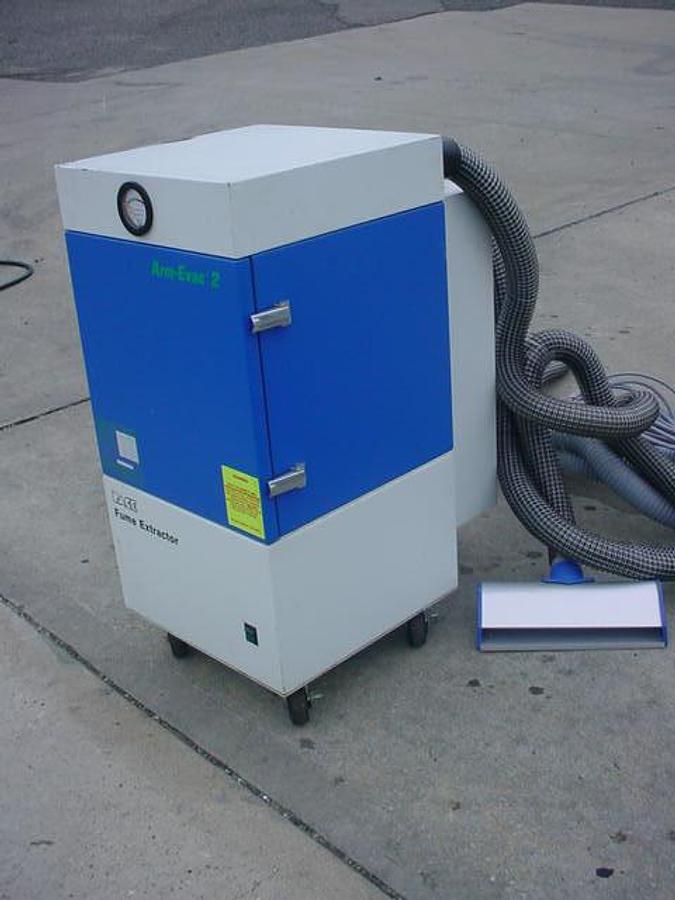
Pace produces equipment across several distinct product lines, so buyers shopping the used market will encounter a range of machine types depending on the seller's inventory. In the packaging and automation space, Pace is known for conveyors, robotic arms, and related machinery that streamline production workflows. These machines are commonly found in food processing, consumer goods, and industrial packaging facilities. In the electronics sector, Pace is a well-regarded name in soldering, desoldering, and rework equipment, including fume extractors like the ARM-EVAC series, which are widely used in electronics manufacturing and repair environments.
Because Pace spans multiple industries, it's worth clarifying exactly which product line you're looking for before reaching out to a used equipment dealer. A dealer specializing in packaging automation will carry a very different inventory than one focused on electronics bench tools. Checking the specific model numbers and machine categories listed in a dealer's inventory is the best way to confirm you're shopping the right segment. Used Pace equipment can range from compact, portable bench units to larger, floor-standing production machines, so understanding the physical footprint and power requirements of a specific model before purchase is equally important.
What is Pace's background in packaging automation?
Pace has established itself as a recognized manufacturer of automation solutions for the packaging industry. Their product line in this space includes conveyors and robotic arm systems designed to move products through production lines with greater speed and consistency than manual handling allows. These machines are built to integrate into existing packaging workflows, reducing labor requirements and improving throughput in facilities that handle high volumes of product.
On the used market, Pace packaging equipment is attractive to manufacturers looking to add automation capacity without the cost of purchasing directly from a manufacturer. Conveyors and robotic handling systems from Pace appear in a variety of industries, including food and beverage, pharmaceuticals, and general consumer goods packaging. Buyers evaluating used Pace automation equipment should pay close attention to the machine's configuration, since robotic arms and conveyor systems are often customized for specific product sizes or line speeds at the facility where they were originally installed. Confirming that a used machine's specifications align with your production requirements is an essential step before committing to a purchase.
What should I know about buying used Pace equipment versus purchasing from a manufacturer?
Buying used Pace equipment offers a meaningful cost advantage compared to sourcing equivalent machinery through a manufacturer's sales channel. Used machines are typically available at a fraction of the cost of comparable equipment purchased through standard channels, which makes them appealing for facilities that need to expand capacity quickly or operate within tighter capital budgets. The trade-off is that used equipment is sold as-is, meaning the buyer takes on the responsibility of verifying the machine's condition rather than receiving a manufacturer-backed assurance of performance.
This puts real weight on the inspection process. Reputable used equipment dealers will accommodate in-person visits, video walkthroughs, or recorded demonstrations so buyers can assess a machine's current working condition before committing. It's also worth contacting Pace directly to understand what level of technical support, documentation, and parts availability exists for the specific model you're considering, since older or discontinued models may have limited manufacturer support. Selecting a dealer with a long track record in the specific equipment category you're buying from goes a long way toward reducing the risk inherent in any used equipment purchase.
Does used Pace equipment come with a warranty?
Used equipment is typically sold as-is, which is standard practice across the used machinery industry. Warranties are generally only offered by manufacturers on equipment sold through their authorized channels. When purchasing from a used equipment dealer, the buyer assumes responsibility for evaluating the machine's condition prior to completing the transaction. This makes the inspection step particularly important, and reputable dealers will make reasonable efforts to help buyers get an accurate picture of a machine's current state.
Buyers should also reach out to Pace directly to understand what manufacturer support is available for the specific model they're considering. Depending on the age and model of the equipment, Pace may still offer technical documentation, replacement parts, or service guidance. Older or discontinued models may have more limited support, which is worth factoring into your buying decision. Choosing a dealer who specializes in the relevant equipment category and has a demonstrated history of selling that type of machinery is one of the most effective ways to reduce risk when purchasing used equipment without a warranty.
How do I inspect used Pace equipment before buying?
Used equipment dealers typically offer several inspection options: in-person visits to their facility, live video calls where a technician walks through the machine, or pre-recorded video documentation of the equipment in its current state. The goal in any of these formats is to get a clear, honest picture of the machine's physical condition, its operational status, and any visible wear or damage. For larger Pace automation systems like conveyors or robotic arms, an in-person inspection is often the most thorough option, since it allows you to examine the machine's components directly and ask questions in real time.
In some cases, the equipment may still be installed and running at the facility where it was originally used. When that's the situation, the dealer can sometimes arrange access to the plant so buyers can observe the machine in operation. Keep in mind that most used equipment dealers are not set up to run full production tests, since doing so requires permits and production infrastructure that a resale operation typically doesn't have. What you can reasonably expect is a demonstration of the machine's basic mechanical function and a visual assessment of its overall condition. Bringing in your own technician or a third-party inspector for high-value purchases is a reasonable step that most reputable dealers will accommodate.
What is the Pace ARM-EVAC fume extractor used for?
The Pace ARM-EVAC is a portable fume extraction unit designed for use in electronics manufacturing and repair environments. Its primary function is to capture and filter airborne particulates and fumes generated during soldering, desoldering, and rework operations. Exposure to flux fumes and solder smoke is a recognized occupational health concern in electronics production, and localized fume extraction at the workbench level is a standard control measure in professional settings. The ARM-EVAC series is built around a flexible arm that positions the extraction nozzle close to the source of fume generation, which improves capture efficiency compared to general room ventilation.
On the used market, the ARM-EVAC is a practical option for electronics shops, repair facilities, and small-scale manufacturers that need effective fume control without investing in a fixed, ducted extraction system. The portable format means it can be repositioned between workstations as needed. Buyers evaluating a used ARM-EVAC should confirm that the filtration media is in serviceable condition or factor in the cost of replacement filters, since the effectiveness of the unit depends heavily on the state of the filter. Checking with Pace about filter availability for the specific model is a useful step before finalizing a purchase.
Are replacement parts available for used Pace equipment?
Parts availability for used Pace equipment depends largely on the age of the machine and whether Pace continues to support that particular model. For relatively recent models, Pace and authorized service providers may still stock common wear items, filters, and replacement components. For older or discontinued models, parts can be harder to source and may require working with third-party suppliers or salvaging components from other machines of the same type. Before purchasing a used Pace machine, it's worth contacting Pace directly to ask about parts support for the specific model number you're considering.
This is especially relevant for machines with consumable components, like the filtration media in fume extractors or belts and drive components in conveyor systems. If a critical part is no longer manufactured and difficult to source, it can significantly affect the long-term usability of the equipment. Experienced used equipment dealers who specialize in a particular category often have insight into which models have strong aftermarket parts support and which ones are harder to maintain, so asking the dealer directly about parts availability is a reasonable part of your due diligence process.
How does shipping work for used Pace equipment purchases?
Shipping costs and logistics for used Pace equipment vary depending on the size and weight of the machine, its destination, and the level of packaging required to protect it in transit. Smaller, portable units like bench-top fume extractors can typically be palletized and shipped via freight carrier without extensive crating. Larger automation equipment, such as conveyor systems or robotic arm assemblies, may require custom crating and heavy-duty rigging for both loading at the origin and unloading at the destination. These additional services add to the total landed cost and should be discussed with the dealer before finalizing a purchase.
Buyers should ask the dealer for a detailed breakdown of packaging, rigging, and freight charges so there are no surprises after the sale. The full landed cost of used equipment includes not just the purchase price but also freight, any required rigging, and potentially installation or reassembly at the receiving facility. For international shipments, customs duties and import fees add another layer of cost to account for. Getting a complete picture of these costs upfront allows for an accurate comparison between different machines or dealers and helps avoid situations where a lower purchase price is offset by unexpectedly high shipping expenses.
What are standard payment terms when buying used Pace equipment from a dealer?
Most used equipment dealers require full payment before a machine is released for shipping. This is standard practice in the industry and applies to the majority of transactions, particularly with buyers the dealer hasn't worked with before. Some dealers extend payment terms or other arrangements to repeat customers with an established purchasing history, but first-time buyers should generally expect to pay in full prior to shipment. Accepted payment methods vary by dealer but commonly include wire transfer, which is the most widely used method for machinery transactions of significant value.
Buyers should confirm the dealer's payment requirements early in the conversation, along with any documentation they provide at the time of sale, such as a bill of sale or invoice. For higher-value purchases, it's reasonable to ask whether the dealer can provide any documentation about the machine's history or prior use. Understanding the full payment process, including timing relative to shipping, helps set clear expectations on both sides and avoids delays once a purchase agreement is reached.
How do I verify that a used Pace machine is compatible with my existing production setup?
Compatibility verification starts with collecting the machine's full specifications from the dealer, including power requirements, physical dimensions, input and output configurations, and any software or control system details relevant to the model. For Pace packaging automation equipment like conveyors or robotic arms, you'll want to compare those specs against your facility's electrical supply, floor space, and the product dimensions or line speeds the machine will need to handle. Mismatches in any of these areas can result in costly modifications or, in the worst case, a machine that simply can't be integrated into your line without significant rework.
For Pace electronics equipment like fume extractors, compatibility is generally simpler since these units are portable and operate on standard power. The main considerations are airflow capacity relative to the number of workstations and whether the filtration type is appropriate for the specific fumes generated in your process. In either case, reviewing the machine's technical documentation, which Pace may still provide for supported models, is a valuable step. If the dealer can facilitate a video inspection or provide detailed photos of the control panel, connection points, and any relevant mechanical interfaces, that information can be shared with your facilities or engineering team to assess fit before committing to a purchase.