Category
Manufacturer
Model
PDC
PDC specializes in manufacturing equipment for the packaging industry, particularly known for their automation solutions. They cater to a wide range of sectors, enhancing production efficiency.
FAQ:
What types of PDC packaging equipment are commonly available on the used market?
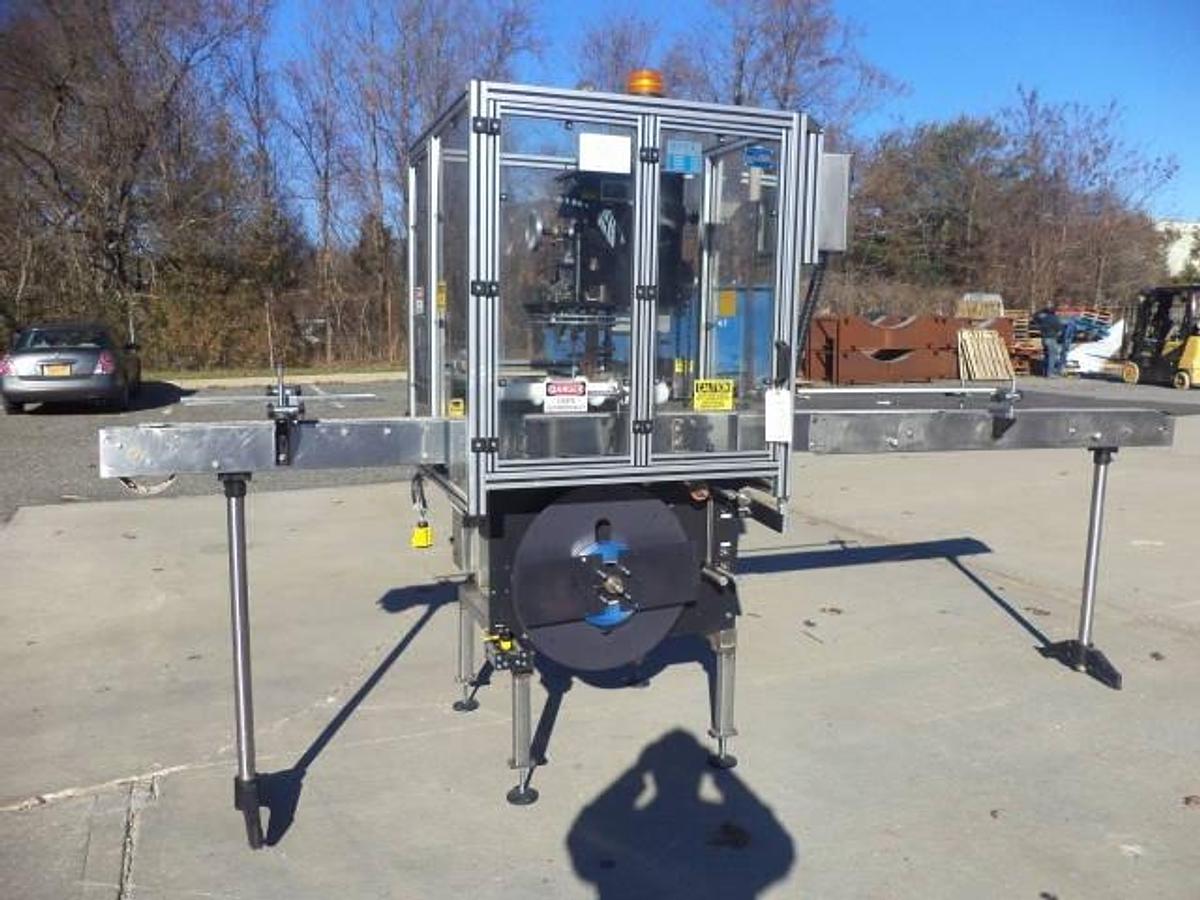
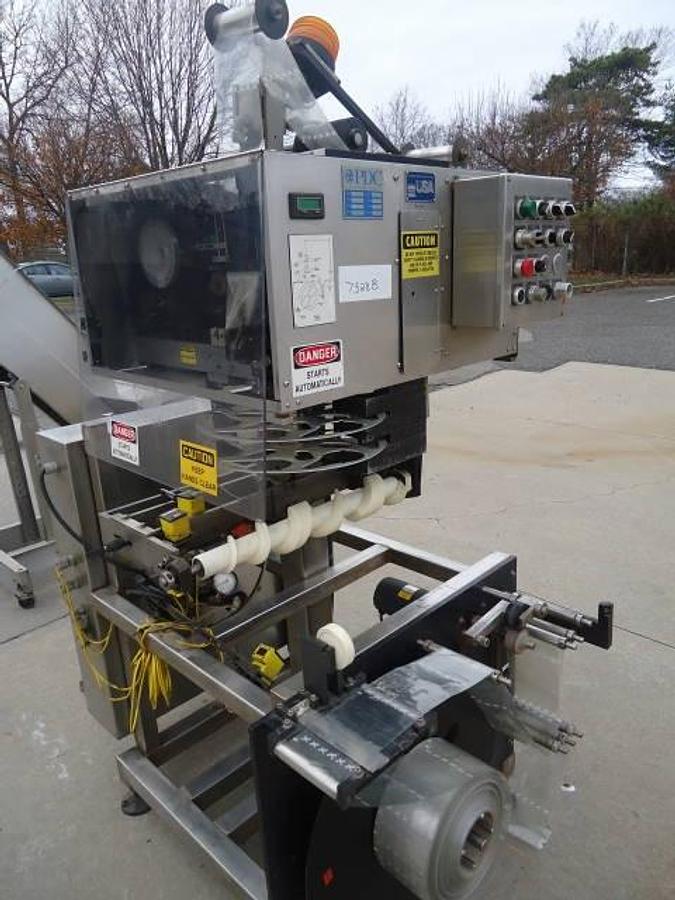
PDC International Corporation manufactures a focused line of secondary packaging equipment, and the models that appear most frequently on the used market reflect the brand's core strengths: tamper-evident neck banders, shrink sleeve applicators, heat shrink tunnels, and motorized bottle conveyors. Specific models like the PDC 50 ERL, PDC 65-M, PDC 45ER, and the PDC KRC Shrink Tunnel are examples of machines that surface regularly through used equipment dealers. The 65-M, for instance, is rated at 200 containers per minute, making it a mid-to-high-speed option for lines that need reliable throughput without the footprint of a full-scale production system.
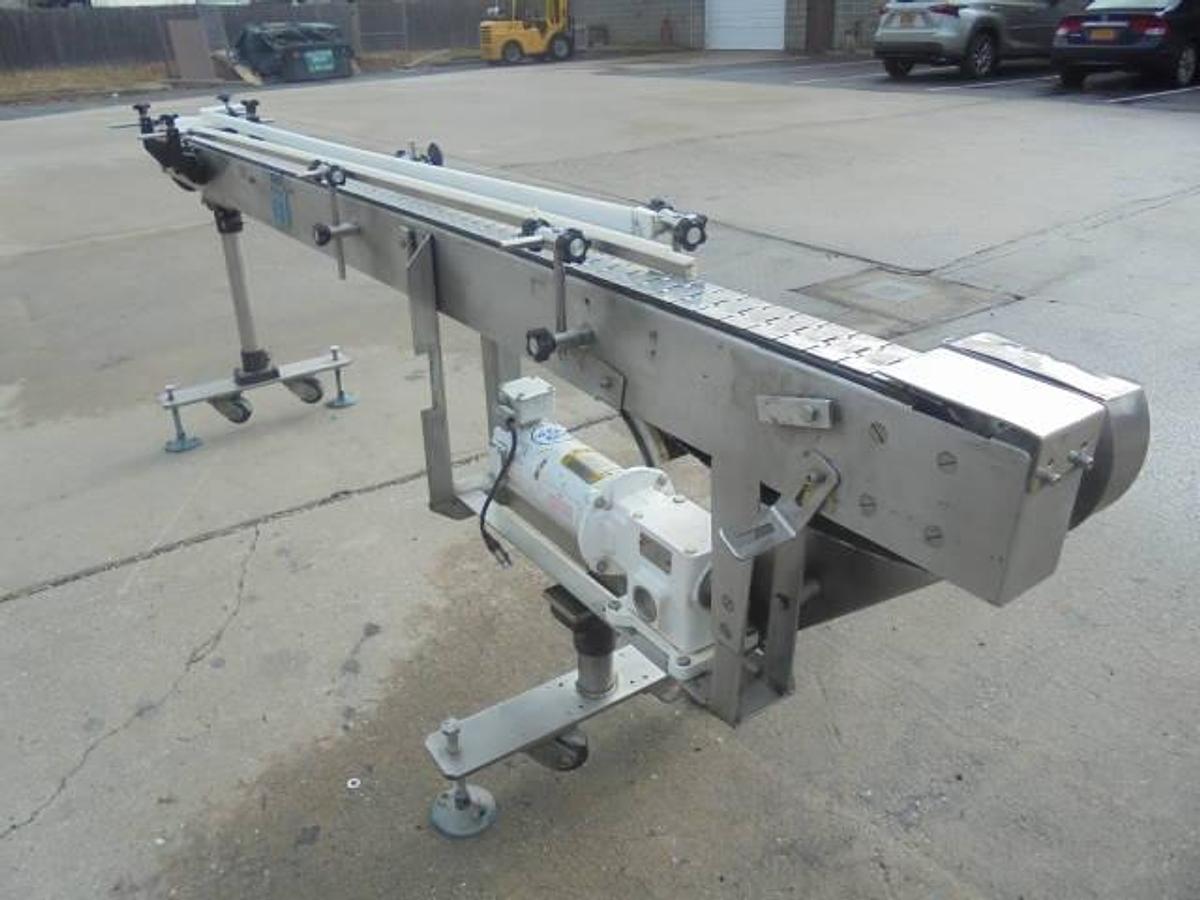
Beyond those individual units, buyers also find PDC's motorized bottle conveyors, which are often sold alongside banding or sleeving equipment to create a more complete secondary packaging cell. Because PDC machines are built for durability and relatively straightforward changeover, they tend to hold up well through multiple production cycles, which is part of why they remain attractive on the secondary market. Anyone searching for used PDC equipment should pay close attention to the model number and any included tooling or change parts, since those details significantly affect what container sizes and sleeve formats the machine can handle.
What is PDC International and what packaging solutions do they manufacture?
PDC International Corporation is a Connecticut-based manufacturer that has built its reputation primarily around shrink sleeve application and tamper-evident banding technology. The company's equipment is designed to apply heat-shrink sleeves and bands to bottles, jars, cans, and other containers at high speeds, serving as a critical component in secondary packaging lines across multiple industries. PDC is particularly well known for producing machines that balance speed with mechanical simplicity, which reduces downtime and makes operator training more manageable compared to some competing platforms.
The product lineup spans entry-level and high-speed configurations, with some models capable of handling upwards of 600 containers per minute in optimal conditions. PDC also manufactures the heat tunnels that activate the shrink film after the sleeve is applied, so buyers can often source a matched applicator-and-tunnel combination from the same brand. This compatibility matters in practice because mismatched tunnel temperatures or conveyor speeds can affect sleeve quality and production yields. Understanding the full scope of PDC's catalog helps buyers on the used market identify which machines fit their specific container geometry and production volume requirements.
What industries use PDC packaging equipment?
PDC shrink sleeve and tamper-evident banding equipment is used across a broad range of consumer goods industries. Food and beverage is probably the most common application, where tamper-evident neck bands on bottles and jars are a regulatory and consumer expectation. Pharmaceutical and nutraceutical manufacturers rely heavily on PDC-style banding equipment to meet tamper-evidence requirements for over-the-counter products, vitamins, and supplements. Personal care and household products companies also run PDC machines on lines producing shampoo, conditioner, cleaning products, and similar goods packaged in plastic or glass containers.
Beyond those core sectors, PDC equipment shows up in specialty food production, craft beverage operations, and contract packaging facilities that serve multiple end markets. The versatility of shrink sleeve technology, which can accommodate irregular container shapes and provide 360-degree label coverage, makes it attractive to brands across categories. For buyers sourcing used PDC equipment, this cross-industry demand is actually a practical advantage: it means that a machine previously used in a food plant may be a good fit for a personal care line, provided the container diameters and sleeve sizes are compatible. Verifying those specifications before purchase is essential.
What should I look for when evaluating used PDC packaging equipment before buying?
The most important starting points are the model number, approximate production hours, and the maintenance history of the machine. PDC's product line spans a wide range of speeds and configurations, and knowing the exact model tells you the rated container-per-minute capacity, the range of container sizes it can handle, and whether replacement parts are still readily available for that generation of equipment. A machine with documented preventive maintenance is generally a safer purchase than one with an unknown service history, even if the asking price on the latter is lower.
Beyond the paperwork, a thorough inspection is critical. Reputable used equipment dealers will accommodate in-person visits, video walkthroughs, or recorded video captures of the machine so buyers can assess the physical condition of key components like the sleeve feed system, cutting head, and any conveyor sections. If the machine is still installed at a production facility, there may be an opportunity to observe it running, though dealers typically cannot run actual product through equipment at their own warehouses due to permitting and facility constraints. Buyers should also ask whether any change parts, tooling, or spare components are included in the sale, since those items can add meaningful value and reduce the cost of getting the machine production-ready.
What is the typical price range for used PDC packaging equipment?
Pricing for used PDC equipment varies considerably depending on the model, age, condition, included change parts, and current market demand. Entry-level or older tamper-evident banders can be found in the low thousands of dollars, while higher-speed sleeve applicators and matched shrink tunnel systems in good working condition can run well into the tens of thousands. A used PDC 65-M rated at 200 containers per minute, for example, will generally command a higher price than a slower or older bander model, reflecting the difference in production capability.
Buyers should also factor in the total landed cost of the equipment, not just the list price. Shipping, rigging, crating, and any reconditioning or installation work can add meaningfully to the overall investment. Getting a clear breakdown of those costs from the dealer before committing to a purchase is a smart practice. It is also worth consulting with PDC directly about parts availability and any technical support the manufacturer can offer for the specific model being considered, since older machines may have more limited support than current-generation equipment.
How does PDC packaging equipment come with a warranty when purchased used?
Used PDC packaging equipment is typically sold on an as-is basis, which is standard practice across the used industrial machinery market. Warranties are generally a feature of purchases made directly through the equipment manufacturer, not through secondary market dealers. This means the responsibility for assessing the machine's condition falls on the buyer, which is why inspection, due diligence, and working with a reputable dealer are so important.
Buyers should take several practical steps to protect themselves in the absence of a formal warranty. First, request as much documentation as possible: maintenance records, any service invoices, and the machine's approximate age and production history. Second, arrange a thorough inspection, whether in person or via video, to evaluate the condition of wear components and overall mechanical integrity. Third, contact PDC International directly to ask about parts availability and technical support for the specific model, since the manufacturer's willingness and ability to support older machines varies by model generation. Choosing a dealer with a long track record in packaging equipment specifically, rather than a generalist machinery reseller, also reduces risk considerably.
What PDC sleeve applicator models are available and how do they differ?
PDC's sleeve applicator lineup covers a range of speeds and container-handling capabilities. Among the models that appear on the used market, the differences often come down to rated throughput, the range of sleeve diameters and lengths the machine can process, and the level of automation built into the feed and cut system. Slower or older models may top out at 100 to 150 containers per minute, while mid-range machines like the PDC 65-M are rated around 200 CPM, and higher-end configurations in PDC's catalog can exceed 400 to 600 CPM under the right conditions.
The mechanical design also varies between model generations. Some older PDC banders use a mandrel-based system where the sleeve is formed around a fixed form before being applied to the container, while more recent designs may incorporate different feeding and cutting mechanisms that allow faster changeover between container sizes. Change parts, which are the tooling sets specific to a given container diameter and sleeve size, are a key consideration: a machine sold with a full set of change parts for multiple container formats is more immediately flexible than one configured for a single SKU. Buyers comparing models should clarify exactly which change parts are included and what additional tooling might need to be sourced separately.
Is used PDC packaging equipment compatible with existing production lines?
Compatibility depends on several variables that buyers need to evaluate before committing to a purchase. The most fundamental factors are container type and geometry (height, diameter, and shape), the type and size of sleeve or band material being used, and the line speed of the surrounding equipment. PDC machines are designed to integrate with standard conveyor systems, and because the brand is widely used across the packaging industry, integration is generally straightforward for facilities already running similar secondary packaging equipment. That said, each machine has defined ranges for container diameter, sleeve diameter, and sleeve length, and buyers need to confirm those specifications match their actual production requirements.
Line speed matching is another practical consideration. If the PDC unit being purchased is rated at 200 containers per minute but the upstream filler runs at 350 CPM, the bander becomes a bottleneck. Conversely, a high-speed PDC machine is underutilized on a slow-speed line. Buyers should also consider the conveyor height and infeed/outfeed configuration of the specific machine being purchased, since those dimensions affect how easily it drops into an existing line layout. Asking the dealer for detailed dimensional drawings and specifications, and if possible arranging a video inspection that shows the machine's footprint and connection points, helps avoid costly surprises after delivery.
What should buyers know about shipping and rigging used PDC packaging equipment?
Shipping costs for used PDC equipment are not fixed and depend on the size and weight of the machine, the origin and destination locations, and the level of packaging required to protect the equipment in transit. Smaller tamper-evident banders may ship on standard pallets with appropriate blocking and bracing, while larger sleeve applicator systems or shrink tunnels may require custom crating to prevent damage to sensitive mechanical components. Buyers should ask the dealer specifically what packaging method will be used and whether crating costs are included in the quoted price or billed separately.
For heavier or bulkier machines, loading at the dealer's facility and unloading at the buyer's facility may require a forklift or specialized rigging equipment, which adds to the total cost. Some dealers have in-house rigging capabilities; others coordinate with third-party riggers whose fees are passed on to the buyer. Getting a full breakdown of packaging, rigging, freight, and any applicable fuel or accessorial charges before finalizing the purchase is the best way to understand the true landed cost of the equipment. Freight quotes can also vary significantly between carriers, so buyers who arrange their own shipping sometimes find savings compared to dealer-arranged freight.
What payment terms are typical when buying used PDC packaging equipment from a dealer?
Most used equipment dealers require full payment before the machine is released for shipping. This is the standard practice in the secondary machinery market and applies broadly regardless of the type of equipment being purchased. The reasoning is straightforward: once a machine leaves the dealer's facility, the seller has little recourse if payment issues arise, and used equipment transactions typically do not involve the kind of financing infrastructure that supports deferred payment in other industries. Buyers should be prepared for this expectation and factor it into their purchasing timeline.
Some dealers will offer payment terms to established customers with whom they have a prior transaction history, but this is the exception rather than the rule for first-time buyers. Wire transfer is the most common payment method for machinery purchases of any significant value, though dealers may also accept other forms of verified funds. Buyers who need financing for equipment purchases may want to explore third-party equipment financing options before approaching a dealer, since having financing pre-arranged can streamline the process considerably. Always confirm the accepted payment methods and any associated fees directly with the dealer before finalizing a deal.