Category
Manufacturer
Model
PCM
PCM is a leader in providing pumps and processing equipment for various industries, including food and pharmaceuticals. Their innovative designs focus on efficiency and reliability in fluid handling.
FAQ:
What is PCM equipment and what is it used for?
PCM, in the context of industrial and processing equipment, refers to a manufacturer that specializes in pumps and fluid handling systems used across a wide range of industries. PCM equipment is particularly well-known in the food processing and pharmaceutical sectors, where precision, hygiene, and reliability in moving viscous or sensitive fluids are critical requirements. Their product line includes progressive cavity pumps, peristaltic pumps, and related processing machinery designed to handle everything from thick pastes and slurries to delicate biological materials without damaging the product.
Beyond food and pharma, PCM equipment finds application in cosmetics, chemical processing, water treatment, and oil and gas industries. The common thread across all these uses is the need to move fluids that are difficult to handle with conventional centrifugal pumps. PCM's engineering focus on gentle, low-shear pumping action makes their machines a preferred choice where product integrity matters. Used PCM equipment is actively sought after by facilities looking to expand capacity or replace aging machinery, as the brand has a strong reputation for durability and long service life in demanding production environments.
What is a PCM pump?
A PCM pump is a type of positive displacement pump, most commonly a progressive cavity (or helical rotor) pump, manufactured by PCM. The operating principle involves a helical rotor turning inside a stator, creating a series of sealed cavities that move fluid from the inlet to the outlet in a smooth, continuous flow. This design is particularly effective for handling high-viscosity fluids, shear-sensitive products, and materials containing solids or fibers that would clog or damage other pump types.
The practical advantages of a PCM pump include a consistent flow rate regardless of back pressure, the ability to run dry for short periods, and a gentle pumping action that preserves the structure of fragile products like fruit pieces, cell cultures, or emulsions. Flow rates are easily adjusted by changing the rotor speed, which makes PCM pumps well-suited to dosing and metering applications. In food manufacturing, for example, they are commonly used to transfer sauces, creams, doughs, and meat products. In pharmaceuticals, they handle everything from ointments to fermentation broths. Used PCM pumps are widely available on the secondary market because they are built to last, and a well-maintained unit can deliver many years of reliable service after its first installation.
What company is PCM?
PCM is a French engineering company with a long history of designing and manufacturing pumps and fluid processing equipment for industrial applications. Founded in the early 20th century, the company built its reputation around progressive cavity pump technology and has since expanded its product range to include peristaltic pumps, pump systems, and complete fluid handling solutions. PCM is recognized globally as a leader in its segment, with a particularly strong presence in the food and beverage, pharmaceutical, cosmetics, and energy industries.
The company operates manufacturing facilities and service networks across multiple continents, which has contributed to a large installed base of equipment worldwide. This widespread adoption is one reason used PCM equipment is relatively accessible on the secondary market. Buyers looking for pre-owned PCM machinery benefit from the brand's standardized designs, meaning replacement parts and technical documentation are generally available even for older models. When purchasing used PCM equipment, it is advisable to consult directly with the manufacturer or an authorized service center to confirm parts availability and the level of technical support that can be expected for a specific model and production year.
What types of PCM equipment are commonly available on the used market?
The used market for PCM equipment typically includes progressive cavity pumps in a wide range of sizes and flow capacities, peristaltic pumps, pump skids and assemblies, and specialty processing equipment like labelers and packaging machinery. Progressive cavity pumps are the most frequently traded category, available in sanitary configurations for food and pharma use as well as industrial grades for chemical and wastewater applications. Sizes range from small laboratory or dosing units to large-scale production pumps capable of handling thousands of liters per hour.
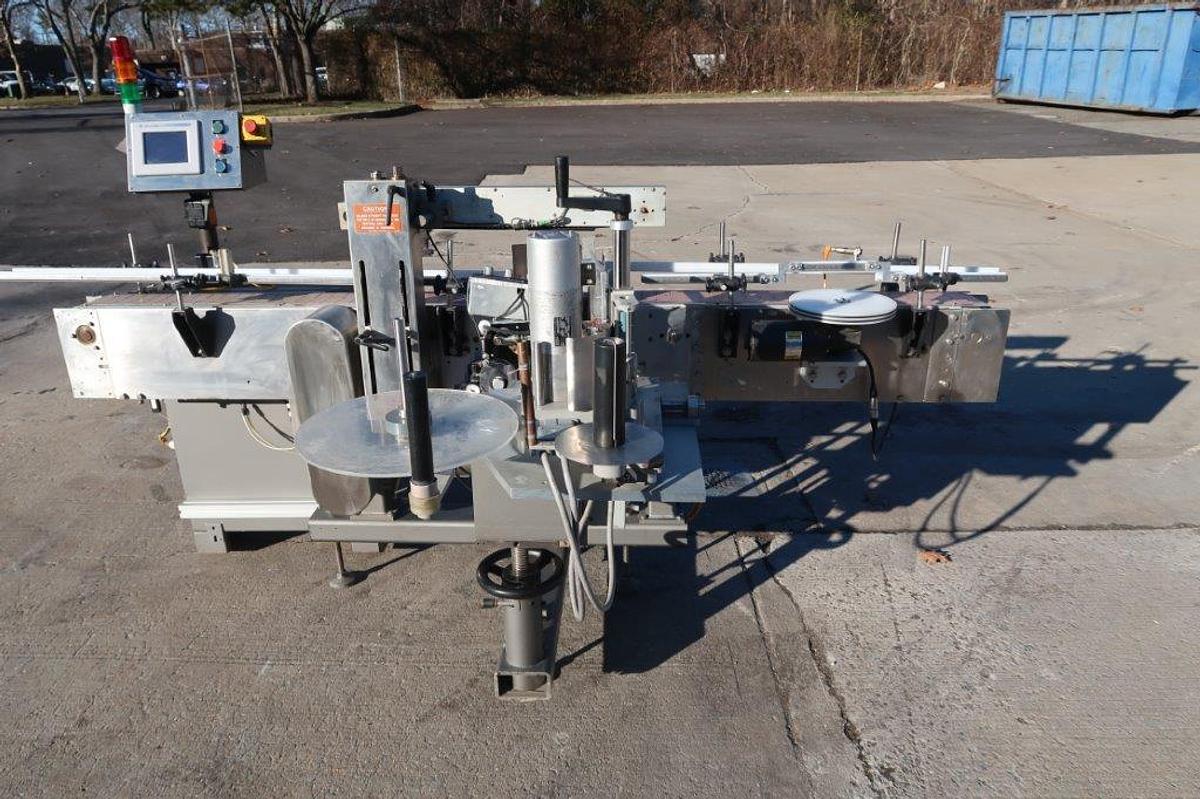
Beyond pumps, used PCM equipment listings sometimes include complete pump stations, metering systems, and ancillary processing machinery. For example, a 3-sided automatic pressure-sensitive labeler with a coder is the kind of specialized processing equipment that can appear alongside traditional pump inventory at used machinery dealers. Buyers sourcing used PCM equipment should look for machines that match their specific flow rate, pressure, and material compatibility requirements, and should pay close attention to the condition of wear components like rotors, stators, and hoses, as these are the parts most likely to need attention after a period of storage or heavy use.
How much does used PCM equipment typically cost?
Pricing for used PCM equipment varies considerably based on the type of machine, its size, age, condition, and the specific model. Small progressive cavity pumps or peristaltic dosing units may be available for a few hundred to a few thousand dollars. Larger production-scale pumps, pump skids, or complete systems in good working condition can range from several thousand to tens of thousands of dollars. Specialty processing equipment like automated labelers or integrated pump stations tends to command higher prices due to their complexity and the cost of comparable machines.
Beyond the purchase price, buyers should factor in the total landed cost of the equipment. Shipping charges will depend on the size and weight of the machine, the level of packaging or crating required, and whether specialized rigging is needed for loading and unloading. Inspection costs, any reconditioning work, and installation expenses are additional considerations. Requesting a detailed quote from the seller that breaks out all of these costs is the best way to understand the true investment before committing to a purchase. Used PCM equipment can represent significant savings compared to buying comparable machinery elsewhere, particularly when the machines have been well-maintained and are sourced from a reputable dealer with a track record in industrial and processing equipment.
Is buying used PCM equipment a reliable option for production facilities?
Used PCM equipment can be a very practical and cost-effective choice for production facilities, provided buyers take the right steps to verify condition before purchasing. PCM has a strong reputation for building durable machinery, and many of their pumps and processing systems have service lives measured in decades when properly maintained. This longevity is part of why used PCM equipment retains value and continues to perform reliably in secondary installations. That said, the reliability of any used machine depends heavily on its maintenance history, the conditions it operated under, and how it was stored between uses.
Because used equipment is sold as-is, the responsibility for assessing condition falls on the buyer. Reputable used machinery dealers will typically accommodate in-person or video inspections so buyers can evaluate the machine before committing. Some equipment may still be in active production at a facility, allowing for a real-time operational assessment. Others may be decommissioned and available for a static inspection. Buyers should pay particular attention to wear components like stators, rotors, seals, and hoses on PCM pumps, as these parts are subject to regular replacement even in well-maintained machines. Consulting with PCM or an authorized service provider about parts availability for a specific model is also a smart step, since older or discontinued models may have limited support.
What should I look for when inspecting used PCM pumps before buying?
A thorough inspection of a used PCM pump should cover both the mechanical condition of the unit and its suitability for the intended application. On the mechanical side, key areas to evaluate include the condition of the stator (the rubber or elastomeric element that forms the pump cavity), the rotor, the shaft seals, and any drive components. Stators are consumable parts that wear over time, and a worn stator will affect flow accuracy and eventually lead to leakage. Rotors should be inspected for surface wear, corrosion, or pitting. Shaft seals and packing are another wear point worth scrutinizing, as leaks at the seal face are a common issue in pumps that have seen heavy use.
Beyond the wear components, buyers should verify that the pump's materials of construction are compatible with the fluids they plan to handle. PCM manufactures pumps in various configurations, including sanitary stainless steel versions for food and pharmaceutical use and more industrial grades for chemical or wastewater service. Confirm that the specific unit matches your hygiene and material compatibility requirements. If an in-person inspection is not possible, ask the seller for detailed video footage of the pump, close-up images of all wear surfaces, and any available maintenance records. Most reputable dealers will accommodate these requests and can provide documentation to help buyers make an informed decision.
What certifications or standards should PCM equipment meet for food and pharmaceutical applications?
PCM equipment used in food processing and pharmaceutical manufacturing is generally expected to meet specific hygiene and materials standards to ensure product safety and regulatory compliance. For food applications, relevant standards include 3-A Sanitary Standards in North America, EHEDG (European Hygienic Engineering and Design Group) guidelines in Europe, and FDA regulations governing materials that come into contact with food products. These standards address surface finish requirements, the elimination of dead zones where product can accumulate, and the use of food-grade elastomers and seals. PCM manufactures sanitary pump lines specifically designed to meet these requirements.
For pharmaceutical applications, equipment may need to comply with cGMP (current Good Manufacturing Practice) regulations, which govern the design and cleanability of processing equipment used in drug manufacturing. When purchasing used PCM equipment for regulated industries, buyers should verify that the specific model was originally designed to meet the applicable standards and confirm that the unit's condition still supports compliance. This includes checking that seals and elastomers are intact and made from approved materials, that surface finishes have not been compromised by corrosion or improper cleaning, and that any documentation supporting the equipment's original qualification is available. Consulting with a validation specialist or the equipment manufacturer can help clarify what reconditioning or re-qualification may be needed before putting a used machine into a regulated production environment.
How does the shipping and delivery process work for used PCM equipment?
Shipping used PCM equipment involves several steps that buyers should understand before finalizing a purchase. The process typically begins with the seller preparing the machine for transport, which may include draining fluids, securing moving parts, and packaging the unit to prevent damage in transit. Smaller pumps may be palletized and wrapped, while larger machines or complete pump systems may require custom crating. The level of packaging directly affects shipping costs, and buyers should ask sellers for a detailed breakdown of what packaging will be used and what the associated charges are.
For heavier or bulkier PCM equipment, rigging may be required to safely load the machine onto a freight carrier and unload it at the destination. Rigging costs are typically separate from standard freight charges and can add meaningfully to the total landed cost. Buyers should request a complete quote covering packaging, rigging, freight, and any applicable insurance before agreeing to a purchase. Transit times will vary based on the origin and destination of the shipment and the carrier used. It is also worth confirming with the seller whether the equipment will be inspected and documented before shipment, so that any pre-existing condition issues are on record and there is a clear baseline for assessing the machine's state upon arrival.
What are the typical payment terms when purchasing used PCM equipment?
Payment practices in the used industrial equipment market are fairly standardized. Most dealers require full payment before the machine is released for shipping. This protects the seller from non-payment after the equipment has been prepared and loaded, and it is a widely accepted norm in the industry rather than an unusual requirement. Buyers who are unfamiliar with a particular dealer should treat this as standard practice and focus their due diligence on verifying the seller's reputation and the machine's condition before sending payment.
Some dealers may extend payment terms to repeat customers or established buyers with a track record of transactions, but this is at the seller's discretion and not something first-time buyers should count on. Wire transfer is the most common payment method for larger transactions, though some dealers accept other forms of payment depending on the size of the purchase. Buyers should clarify all payment details, including accepted methods and the exact timing of payment relative to shipment, before the transaction is finalized. Working with dealers who have a long history in the used equipment market and can provide references is one of the best ways to build the trust needed for smooth transactions.