Category
Manufacturer
Model
Olsa
Olsa is a key player in the production of packaging equipment for the food and beverage industry. They are recognized for their versatile filling machines and automated packaging lines that improve operational efficiency and reduce labor costs.
FAQ:
What types of packaging equipment does Olsa manufacture?
Olsa is an Italian manufacturer with a long-standing reputation in the packaging and filling equipment space, particularly for liquid and semi-liquid products. Their product range covers filling machines, capping systems, labeling equipment, and complete automated packaging lines. Many of their machines are built around hygienic design principles, featuring stainless steel construction that meets sanitary standards for food, beverage, cosmetic, pharmaceutical, and chemical processing environments. The versatility of their filling systems means a single machine can often handle a range of container types and sizes, which makes them attractive to operations that run multiple product formats.
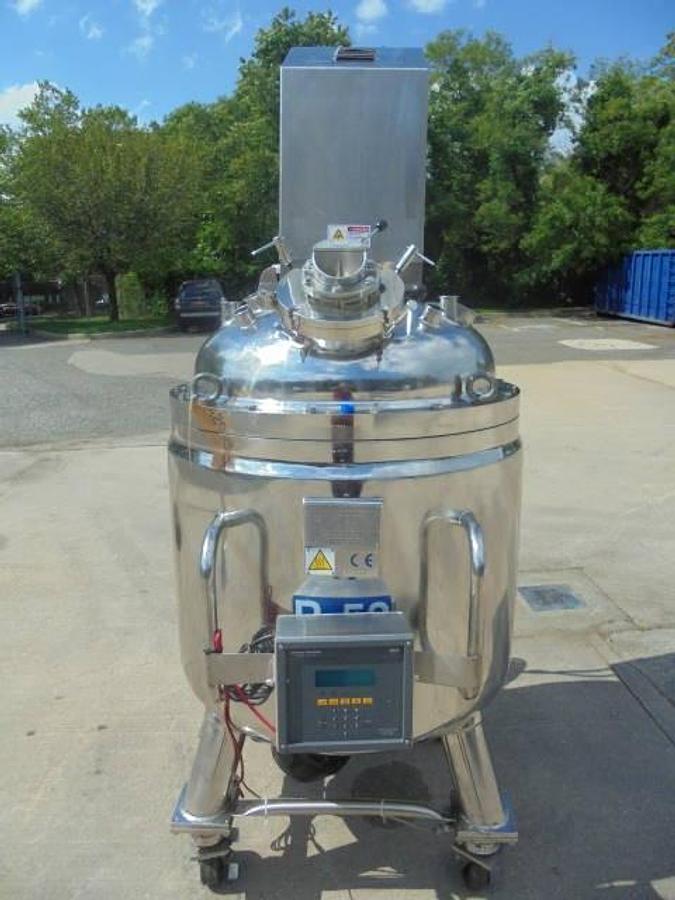
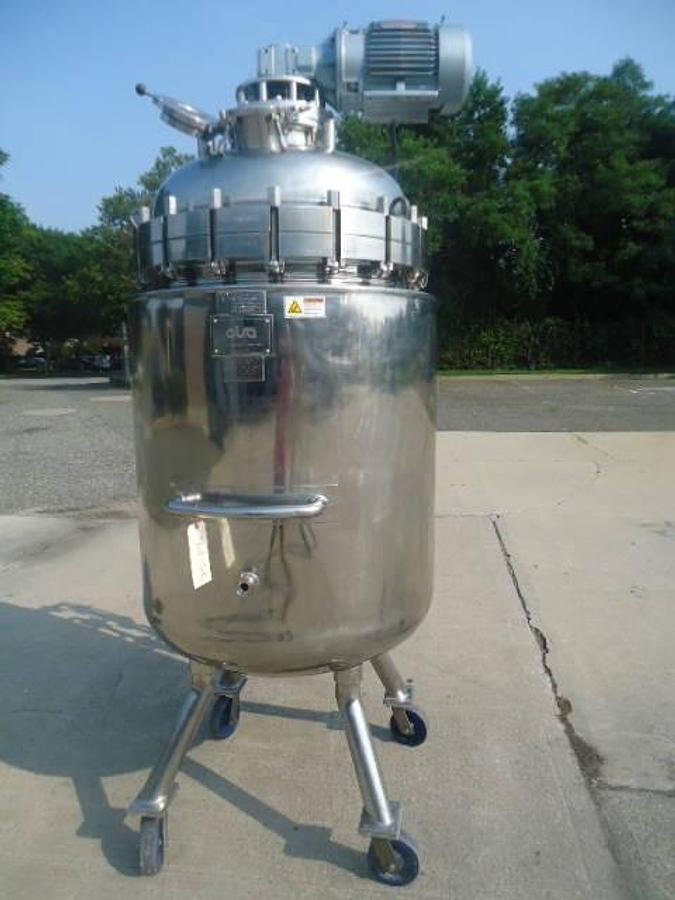
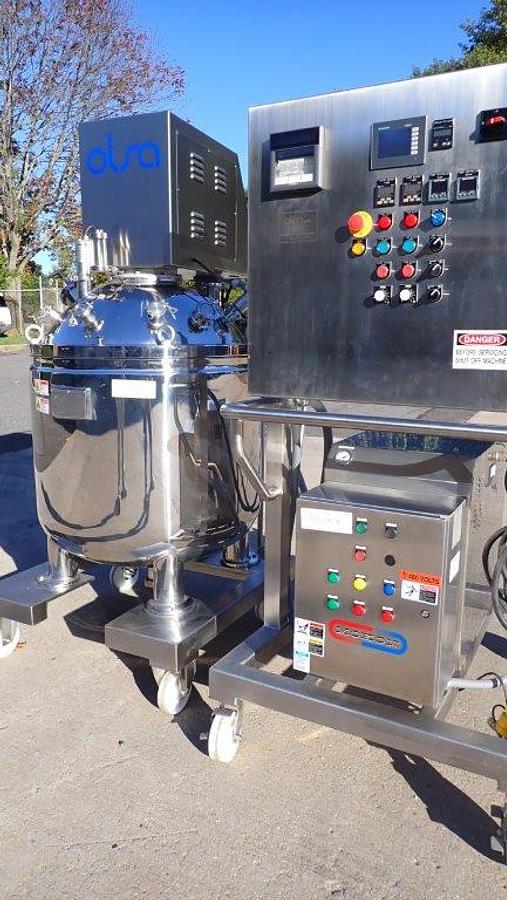
Beyond standalone filling and capping units, Olsa also produces processing vessels and reactors, including jacketed kettles and vacuum reactors in various capacities. These are commonly used upstream of packaging lines for mixing, heating, or homogenizing product batches before they move into the filling stage. The combination of processing and packaging equipment in their catalog makes Olsa a useful source for operations looking to equip multiple stages of a production line with compatible machinery from a single manufacturer.
What industries use Olsa packaging equipment?
Olsa packaging and processing equipment is used across several industries where liquid or semi-liquid products need to be filled, sealed, and packaged under hygienic conditions. The food and beverage sector is among the most common, with applications ranging from sauces, dressings, and dairy products to beverages and edible oils. The stainless steel construction and sanitary design of Olsa machines makes them well-suited to these environments where cleanability and compliance with food safety standards are non-negotiable.
Beyond food and beverage, Olsa equipment also sees significant use in the cosmetics, personal care, pharmaceutical, and chemical industries. These sectors share similar requirements: precise fill volumes, contamination control, and the ability to handle viscous or reactive materials without degrading product quality. A cosmetics manufacturer filling lotions or creams, a pharma company packaging liquid medicines, and a chemical producer filling industrial fluids can all find relevant Olsa equipment to meet their specific production needs. This cross-industry applicability is one reason used Olsa machines hold their value well in the secondary market.
What should buyers know about purchasing used Olsa packaging equipment?
Buying used Olsa packaging equipment can be a cost-effective way to access quality European-manufactured machinery at a fraction of what comparable equipment would cost from a manufacturer. That said, used equipment is sold as-is, which means the responsibility for evaluating condition falls entirely on the buyer. There are no manufacturer warranties attached to used machines, so buyers need to do their homework before committing. This starts with selecting a reputable dealer who specializes in packaging or food processing equipment and has a verifiable track record in the industry. A dealer with deep category experience will be better positioned to accurately represent a machine's condition and history.
Buyers should also consult directly with Olsa or their regional representatives to understand what level of support is available for a specific model and production year. Older machines or discontinued models may have limited parts availability, which can affect long-term serviceability. Getting clarity on this before purchase is far more useful than discovering it after the equipment has shipped. Inspections, whether in person or via video, are a standard part of the buying process and should be arranged before finalizing any purchase. A thorough inspection gives buyers the clearest possible picture of what they are actually acquiring.
How can buyers inspect used Olsa equipment before purchasing?
Reputable used equipment dealers typically offer buyers the option to inspect machinery in person, through a live video walkthrough, or via detailed video recordings of the machine. The goal of any inspection is to get an accurate, honest picture of the equipment's current condition, including its mechanical state, any visible wear or damage, and whether it powers on and moves through its basic functions. For Olsa filling machines and reactors, a good inspection should cover the condition of seals, gaskets, and contact surfaces, since these components are critical for hygienic operation and can be costly to replace.
It is worth knowing that some machines listed for sale are still in active production at a facility, while others have been decommissioned. In either case, dealers can often arrange access for an in-person inspection at the actual plant location. However, most dealers do not have the permits or production infrastructure required to run actual product through a machine during a demonstration, so buyers should not expect a full production trial. What buyers can reasonably expect is a mechanical inspection that confirms the machine is operational and matches the listed specifications. Any questions that arise during the inspection about parts, service history, or compatibility should be directed to the dealer before the sale is finalized.
What are the key features of Olsa filling and processing machines?
Olsa machines are built with a strong emphasis on sanitary design, which is reflected in their use of 316L stainless steel for product-contact surfaces. This grade of stainless steel offers superior corrosion resistance compared to standard 304 SS, making it the preferred choice for applications involving acidic foods, saline solutions, cleaning chemicals, or pharmaceutical-grade products. Many Olsa reactors and kettles also incorporate jacketed construction, which allows for precise temperature control during mixing or processing, and some models include vacuum capability for applications that require oxygen exclusion or reduced-pressure processing.
On the packaging side, Olsa filling machines are recognized for high throughput speeds and the ability to handle a range of container formats without extensive retooling. Their automated packaging lines are designed to reduce labor requirements and improve consistency across production runs. Features like adjustable fill heads, CIP (clean-in-place) compatibility, and modular line configurations give operators flexibility to adapt equipment to changing production demands. These characteristics make Olsa machines a practical investment for operations that need reliable, hygienic equipment capable of handling diverse product types.
What is the typical price range for used Olsa packaging equipment?
Pricing for used Olsa packaging equipment varies considerably depending on the type of machine, its capacity, age, condition, and the configuration of any included accessories or ancillary components. Smaller standalone units like portable reactors or compact filling machines can be found at price points accessible to smaller operations, while larger automated packaging lines or high-capacity processing vessels represent a more significant capital investment. As a general reference, used European-manufactured sanitary processing equipment in good condition tends to command a premium over comparable Asian-manufactured alternatives, reflecting the build quality and longevity associated with Italian industrial manufacturing.
Buyers should factor in more than just the listed machine price when calculating total acquisition cost. Shipping, rigging, and any required reconditioning or parts replacement all contribute to the true landed cost of the equipment. Requesting a detailed quote from the dealer that breaks out these costs before committing to a purchase is a sound practice. It is also worth considering the cost of any modifications needed to integrate the machine into an existing production line, as well as the availability and pricing of replacement parts for that specific model.
How does shipping and logistics work when buying used Olsa equipment?
Shipping used packaging equipment involves more complexity than standard freight, particularly for larger machines like automated filling lines or jacketed reactors. Proper packaging is critical to prevent damage in transit. Depending on the size and weight of the equipment, this can range from standard palletization to full custom crating. The level of packaging required directly affects shipping costs, so buyers should ask dealers specifically what preparation will be done before the machine leaves the facility and what those costs will be.
For heavier or more complex machines, specialized rigging is typically required for loading at the origin and unloading at the destination. This involves equipment like forklifts, cranes, or flatbed transport, and the associated costs are usually separate from standard freight charges. Buyers should request a complete breakdown of all logistics costs, including palletization or crating, rigging, freight, and any applicable import duties if the equipment is crossing international borders. Understanding the full landed cost before agreeing to a purchase prevents unexpected expenses from eroding the savings that come with buying used equipment.
What payment terms should buyers expect when purchasing used packaging equipment?
The standard practice among used equipment dealers is to require full payment before a machine is released for shipping. This is a well-established norm in the industry and applies to most transactions, particularly with first-time buyers. The reasoning is straightforward: once equipment leaves a dealer's possession, their ability to recover it in the event of a payment dispute is extremely limited. Buyers should plan their financing accordingly and be prepared to wire funds or arrange payment in full prior to any shipping arrangements being made.
Some dealers extend payment terms to established customers with a history of prior transactions, but this is the exception rather than the rule and is typically negotiated on a case-by-case basis. Buyers working with a dealer for the first time should not assume that terms will be available. It is always worth asking, but the safer assumption is that full payment upfront will be required. For buyers financing the purchase through a third-party lender or equipment finance company, coordinating the timing of funding disbursement with the dealer's payment requirements is an important step in the purchasing process.
Is used Olsa equipment a practical option for smaller food or beverage operations?
Used Olsa equipment can be a practical fit for smaller operations, but it depends heavily on the specific machine and the scale of the buyer's production needs. Olsa produces equipment across a range of capacities, and smaller-footprint units like portable reactors or compact filling machines are genuinely accessible to mid-sized or growing operations that cannot justify the capital outlay for a full production-scale line. The availability of individual machines on the secondary market, rather than only complete lines, gives smaller buyers the flexibility to acquire specific pieces of equipment that address their most pressing production bottlenecks.
That said, smaller operations should think carefully about the total cost of ownership beyond the purchase price. Used machinery may require parts, servicing, or calibration before it is production-ready, and the cost of that work can add up quickly. Buyers with limited in-house maintenance capabilities should assess whether they have access to qualified technicians familiar with Olsa equipment before committing to a purchase. Consulting with the manufacturer about parts availability and technical support for a specific model is a useful step that can save considerable frustration down the line.
What Olsa processing equipment is commonly available on the used market?
On the used market, Olsa processing vessels and reactors appear with some regularity, particularly sanitary kettles and vacuum reactors in stainless steel construction. These include jacketed double-motion kettles, which use a combination of agitation mechanisms to handle viscous or heat-sensitive products, and portable vacuum reactors designed for flexible production environments where equipment needs to be repositioned between batches or production areas. Capacities commonly seen range from around 80 gallons up to 300 liters and beyond, covering a broad range of batch production scales.
Olsa filling machines and automated packaging line components also appear on the secondary market, though availability at any given time depends on what facilities are decommissioning equipment or upgrading their lines. The secondary market for Olsa equipment is active enough that buyers with specific requirements are often able to find relevant machines, but it does require patience and working with dealers who have good sourcing networks. Buyers looking for a specific model or configuration are generally best served by contacting specialized dealers directly rather than waiting for a listing to appear on a general platform.