Category
Manufacturer
Model
Olney
Olney manufactures advanced packaging machinery, focusing on the pharmaceutical and cosmetic sectors. They are particularly noted for their cartoning and labeling machines, which help streamline the packaging process and ensure compliance with industry regulations.
FAQ:
What types of packaging machinery does Olney manufacture?
Olney is known primarily for packaging machinery designed around cartoning and labeling applications, with a strong focus on the pharmaceutical and cosmetic sectors. Their equipment is built to handle the precise, repeatable demands of regulated production environments, where accuracy in labeling and packaging directly affects compliance. Beyond those core product lines, Olney machinery has been associated with filling, sealing, and wrapping applications across food processing and industrial markets as well.
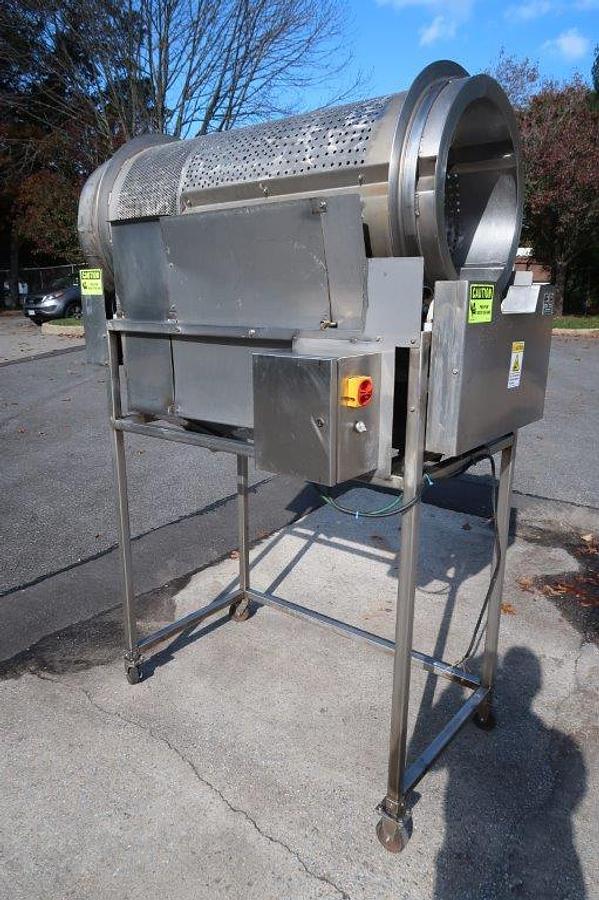
Buyers searching the used equipment market for Olney machines will also encounter specialty items like dewatering reels and drums, which reflect the broader range of processing and handling equipment the brand has produced over the years. When evaluating any used Olney machine, it helps to identify the specific model and confirm its intended application, since the brand spans several distinct equipment categories. Consulting with a used machinery dealer who specializes in packaging equipment is a practical way to match a specific Olney model to your production requirements.
What industries are Olney packaging machines designed to serve?
Olney packaging equipment has historically served pharmaceutical, cosmetic, and food processing industries, with particular strength in regulated environments where packaging accuracy and compliance are non-negotiable. In pharmaceutical and cosmetic production, cartoning and labeling machines must meet strict standards around product identification, tamper evidence, and traceability. Olney machines are recognized for addressing those demands, which is why they appear frequently in secondary market listings from facilities that have upgraded or consolidated production lines.
Food processing operations and general industrial manufacturers have also used Olney equipment, particularly for filling, sealing, and wrapping tasks. Buyers in FDA-regulated or GMP-compliant environments should verify that any used Olney machine they are considering still meets current regulatory standards for their specific application. Age, model, and prior use all factor into whether a machine can be brought into compliance, so consulting with both the equipment dealer and the manufacturer is a sensible step before purchasing.
What should buyers know about purchasing used Olney packaging machinery versus buying from a manufacturer?
Purchasing used Olney packaging machinery through a reputable dealer is a well-established route for operations looking to control capital expenditure without sacrificing build quality. Used machines are sold as-is, meaning the buyer takes on responsibility for assessing the condition of the equipment before the transaction is finalized. This puts a premium on choosing a dealer with a long track record in packaging machinery specifically, since industry specialization translates to more accurate machine descriptions and a better understanding of what a given Olney model is worth in its current state.
Unlike buying directly from a manufacturer, used equipment purchases do not come with the backing of a factory warranty. What buyers gain instead is access to machines that have often been proven in real production environments, sometimes at a fraction of the cost of comparable new equipment. The trade-off is that buyers need to do more due diligence upfront, including requesting inspection opportunities, reviewing any available maintenance history, and checking with the manufacturer on parts and support availability for the specific model and age of the machine.
How can buyers inspect a used Olney packaging machine before purchasing?
Reputable used equipment dealers typically offer several inspection options: in-person visits, live video walkthroughs, or recorded video captures of the machine. The goal in any inspection is to get an honest, accurate picture of the machine's current mechanical condition, including the state of drives, controls, wear parts, and any visible damage or modifications. For Olney cartoning or labeling equipment, buyers should pay close attention to the condition of the PLC controls, mechanical timing components, and any product contact surfaces that may need to meet sanitation standards.
Some used Olney machines are still running in active production at the facility where they are being sold, which can allow for an inspection while the machine is operating. Others may be decommissioned and sitting in a warehouse. It is worth noting that most used equipment dealers are not set up to run actual product through a machine during inspection, since that level of production testing requires permitting and facilities that a dealer typically does not have. Buyers should factor this limitation into their evaluation and weigh it against the inspection options the dealer does offer.
What factors affect the price of used Olney packaging machinery?
Pricing for used Olney packaging machines varies considerably depending on the type of equipment, its age, mechanical condition, and how much production life it has left. Cartoning and labeling machines with PLC-based automation controls and low run hours will generally command higher prices than older, mechanically simpler models that may require more immediate maintenance. The availability of replacement parts for a given model also plays into value, since a machine that is difficult to support long-term carries more risk for the buyer.
Other factors include whether the machine has been reconditioned or simply decommissioned and stored, the completeness of the machine (including tooling, change parts, and documentation), and current market demand for that type of packaging equipment. Buyers evaluating total cost of ownership should look beyond the purchase price and account for shipping, rigging, installation, any necessary reconditioning, and the ongoing cost of consumables and spare parts. Getting a clear picture of all those costs before committing helps avoid surprises after the machine arrives.
Are used Olney packaging machines suitable for small or mid-sized operations?
Used Olney packaging machinery can be a practical fit for small and mid-sized operations, particularly those in pharmaceutical, cosmetic, or food production that need reliable, purpose-built equipment but cannot justify the cost of purchasing comparable machines at full price. The used market gives smaller operations access to commercial-grade cartoning and labeling equipment that would otherwise be out of budget range. The key is matching the machine's throughput capacity and format flexibility to the actual production volumes and product sizes the operation runs.
Smaller facilities should also think carefully about the operational demands of the equipment they are considering. High-speed cartoning lines designed for large-scale pharmaceutical production may be oversized and unnecessarily complex for a small contract packager. Talking through production requirements with a knowledgeable used equipment dealer before selecting a machine helps ensure the Olney unit being considered is the right scale and configuration for the job, rather than a machine that will be underutilized or difficult to maintain with a small maintenance team.
What compliance standards should buyers check for when sourcing used Olney pharmaceutical or cosmetic packaging equipment?
Pharmaceutical and cosmetic packaging operations in the United States and many international markets are subject to FDA regulations and Good Manufacturing Practice (GMP) requirements, which extend to the equipment used in production. When sourcing a used Olney cartoning or labeling machine for a regulated environment, buyers need to verify that the machine can be validated for their specific process and that it meets current standards for the product types being packaged. CE marking may also be relevant for buyers operating in or exporting to European markets.
Age and prior use history are particularly important in this context. A machine that was compliant under older regulatory guidelines may require modifications or documentation updates to meet current requirements. Buyers should consult with their quality and regulatory teams before finalizing any used equipment purchase for a regulated application, and they should ask the selling dealer for any available documentation on the machine's prior use, maintenance records, and any modifications that were made during its service life. Reaching out directly to Olney or their authorized service network to understand parts availability and technical support for a specific model is also a worthwhile step.
How does shipping and logistics work for used Olney packaging machinery?
Shipping used packaging machinery involves more complexity than standard freight, and the costs involved go beyond the basic freight rate. Packaging requirements vary based on the size and fragility of the machine. Smaller Olney units may ship on a standard pallet with adequate wrapping and bracing, while larger cartoning lines or specialty equipment may require custom crating to prevent damage in transit. Buyers should ask the dealer specifically what packaging will be used and whether crating is included in the quoted price or billed separately.
For heavier machines, rigging is required for loading at the dealer's facility and unloading at the buyer's location. Rigging costs depend on the weight and configuration of the equipment and whether a forklift, crane, or specialized rigging crew is needed. Buyers should request a full breakdown of all shipping-related costs, including packaging, rigging, freight, and any accessorial charges, so they understand the total landed cost of the machine before making a purchasing decision. Arranging unloading capabilities at the receiving facility ahead of time is equally important, since many Olney machines are heavy enough to require equipment that a standard loading dock may not have on hand.
What payment terms are typical when buying used packaging machinery?
Most used equipment dealers require full payment prior to releasing a machine for shipment. This is standard practice across the industry and reflects the nature of used equipment transactions, where machines are sold as-is and the dealer needs to confirm funds before transferring ownership and arranging logistics. Buyers who are unfamiliar with this practice sometimes find it surprising compared to the credit terms they may be accustomed to in other purchasing contexts, but it is the norm for capital equipment in the secondary market.
Some dealers extend payment terms to established customers with a history of repeat purchases, but this is not common for first-time buyers. Buyers who need financing should explore equipment financing through third-party lenders before approaching a used machinery purchase, as many lenders are familiar with used packaging equipment and can structure loans or leases around the machine's appraised value. Confirming payment terms and accepted payment methods with the dealer early in the process helps avoid delays once a purchase decision is made.
How can buyers assess parts availability and long-term support for a used Olney machine?
Parts availability is one of the most important practical considerations when buying used packaging machinery, and it deserves attention before the purchase rather than after. The age and model of a specific Olney machine will directly affect how readily replacement parts can be sourced. For older models, some components may no longer be available through the manufacturer, which means buyers would need to rely on third-party fabrication, aftermarket parts suppliers, or cannibalizing parts from other machines of the same model.
The best approach is to contact Olney or their current authorized service network directly and ask about support for the specific model being considered. Manufacturers can usually indicate whether a machine is still within a supported range, which parts are readily available, and whether technical documentation such as manuals and electrical schematics can still be obtained. A used equipment dealer with deep experience in packaging machinery can also be a useful resource here, since they often have practical knowledge about which Olney models have strong parts ecosystems and which ones are harder to keep running long-term.