Category
Manufacturer
Model
Ok Corp.
Ok Corp. specializes in providing manufacturing equipment primarily for the food and beverage industry. They are well-known for their high-speed filling machines and packaging solutions that enhance production efficiency. Their technology is designed to meet the rigorous standards of food safety and quality.
FAQ:
What types of equipment does Ok Corp. manufacture?
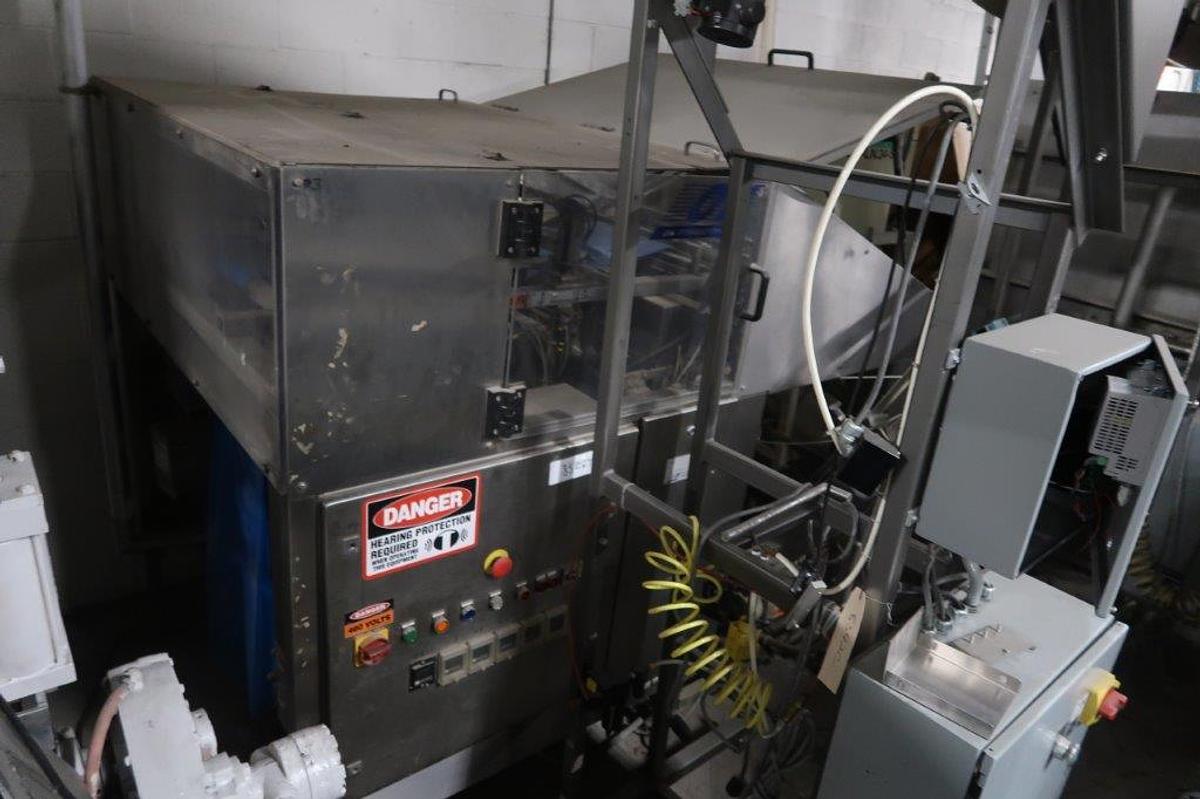
Ok Corp. specializes in manufacturing equipment for the food and beverage industry, with a particular focus on high-speed filling machines and packaging solutions. Their product line is designed to improve production efficiency while meeting strict food safety and quality standards. One example of their machinery is the Polybag-In-Box Maker and Bag Inserter, which handles the automated creation and insertion of polybags into box packaging, a common requirement in food processing and distribution operations.
Because Ok Corp. targets food and beverage production environments, their machines are generally built to handle the demands of continuous, high-volume runs. Buyers looking for this type of equipment used will typically find individual units that were previously installed in production facilities, meaning the machines often have real-world run hours and a verifiable production history. That operational background can actually be an advantage, since it demonstrates the machine performed in a live manufacturing setting.
What should I know before buying used Ok Corp. filling or packaging equipment?
Buying used food and beverage packaging equipment requires more due diligence than purchasing other types of industrial machinery, largely because these machines operate under food safety regulations and must maintain precise tolerances. Before committing to a purchase, buyers should request as much documentation as possible, including any available maintenance logs, service records, and details about the machine's production history. Understanding how many hours the machine has run and what products it processed can reveal a lot about its current condition and remaining service life.
Beyond documentation, arranging a thorough inspection is critical. Reputable used equipment dealers will typically offer in-person inspections, video walkthroughs, or photo documentation of the machine. Some equipment may still be installed in an active production facility, in which case the dealer can often coordinate access between the buyer and the plant. Keep in mind that most dealers do not have the permitting required to run actual product through a machine during a demonstration, so inspections generally focus on mechanical condition, visual wear, and powered-up functionality rather than a full production test.
How do I verify the condition of used Ok Corp. equipment before purchasing?
Condition verification for used packaging machinery typically happens through a combination of inspection methods. The most thorough option is an in-person visit to wherever the machine is currently located, whether that is a dealer's warehouse or a facility where the equipment is still in use. During an in-person inspection, a buyer or their technician can examine wear points, check electrical components, review mechanical assemblies, and power the machine on to observe its operation firsthand.
For buyers who cannot travel, many dealers offer video inspections or recorded walkthroughs that cover the machine in detail. While a video inspection is not a substitute for hands-on evaluation, a well-documented video from a dealer who knows the machine can answer most condition questions. It is also worth consulting the manufacturer directly about the specific model and serial number, since Ok Corp. or their service network may be able to provide insight into what parts are still available, what common wear items to check, and what level of technical support to expect for a machine of that age.
Are replacement parts and service support available for used Ok Corp. machines?
Parts availability is one of the most practical concerns when purchasing any used packaging or filling equipment, and it is worth researching before finalizing a purchase. For Ok Corp. machinery, buyers should contact the manufacturer directly to ask about parts availability for the specific model and serial number they are considering. Manufacturers can generally indicate whether a machine is still within a supported product generation, which parts are stocked, and whether field service technicians are available in the buyer's region. Age and model can significantly affect the level of support available, so this conversation is worth having early in the buying process.
Beyond the manufacturer, third-party parts suppliers and independent service technicians who specialize in food and beverage packaging equipment are often able to support older machines. Many components on filling and bagging equipment, such as drive systems, pneumatic components, and sensors, are sourced from common industrial suppliers and can be replaced without going directly to the original equipment manufacturer. Buyers should factor potential parts and service costs into their total cost of ownership calculation before committing to a purchase.
What does the inspection process look like when buying used food and beverage packaging equipment from a dealer?
The inspection process typically starts with the buyer requesting information from the dealer about the machine's history, current location, and operational status. From there, the dealer will outline what inspection options are available. If the machine is in the dealer's own facility, an in-person visit can usually be arranged with reasonable notice. If the equipment is still located at the plant where it was used, the dealer coordinates access with the facility, and the inspection may need to work around the plant's schedule.
During the inspection itself, the focus is on mechanical condition, visible wear and damage, completeness of parts, and whether the machine powers on and cycles properly. Dealers generally do not have the production permits or raw materials needed to run actual product through packaging machinery during a demonstration, so buyers should plan their evaluation around what can realistically be observed. Bringing a qualified technician who is familiar with the equipment type adds significant value to any inspection, since they can identify wear patterns or potential issues that a non-specialist might miss.
What are the shipping and delivery considerations for large packaging machinery?
Shipping industrial packaging equipment involves logistics planning that goes well beyond standard freight. Machines of significant size and weight require proper palletization or custom crating to prevent damage in transit, and the level of packaging needed directly affects shipping costs. Buyers should ask dealers specifically how the equipment will be prepared for shipment, since inadequate packaging is one of the most common causes of transit damage on used machinery.
For heavier or larger machines, professional rigging is typically required both for loading at the origin and unloading at the destination. Rigging services, which involve specialized equipment like forklifts, cranes, or machinery movers, are generally an added cost that buyers need to account for when calculating the total landed price of the equipment. Before agreeing to a purchase, it is a good practice to request a full breakdown of packaging, rigging, and freight costs from the dealer so there are no surprises when the invoice arrives.
What payment terms are typical when purchasing used industrial equipment?
Most used equipment dealers require payment in full before the machine is released for shipment. This is standard practice in the industry and reflects the fact that used equipment transactions, unlike purchases from a manufacturer with established credit relationships, carry more risk for the seller. Payment is commonly made by wire transfer, though some dealers accept other methods depending on the transaction size and the buyer's relationship with the dealer.
For buyers with an established purchasing history with a particular dealer, some flexibility on payment terms may be available. Repeat customers who have completed multiple transactions with the same dealer sometimes have access to short-term terms or other arrangements, but this is at the dealer's discretion rather than a standard offering. Buyers exploring financing options for larger equipment purchases may want to work with a third-party equipment lender, as many commercial lenders offer financing specifically structured for used machinery acquisitions.
How do I get a quote for used Ok Corp. equipment?
Requesting a quote for used packaging equipment typically starts with identifying the specific machine or machine type you need and reaching out to a dealer who has that equipment in inventory. When contacting a dealer, providing details about your production requirements, including the product type, output speed, and any regulatory considerations relevant to your facility, helps the dealer confirm whether a specific machine is a good fit before you invest time in a detailed evaluation.
Pricing for used food and beverage packaging equipment varies considerably based on the machine's age, condition, configuration, and how much demand exists for that particular model. A dealer will generally provide a price based on their assessment of the machine's current market value, condition, and what reconditioning if any has been done. Buyers comparing multiple quotes should make sure they are comparing machines with similar specifications and that each quote includes clarity on what is included, such as tooling, spare parts, or documentation, since these factors affect the practical value of the purchase.
What is the difference between buying used packaging equipment from a dealer versus a private seller?
Purchasing used packaging machinery from a reputable dealer generally offers more structure and accountability than buying from a private seller. Established dealers typically have a track record that buyers can research, relationships with manufacturers and service networks, and experience preparing equipment for inspection and shipment. They also tend to have more information about the machine's history, since sourcing equipment is a core part of their business. A dealer who specializes in food and beverage packaging equipment specifically will have deeper knowledge of Ok Corp. machinery and similar products than a general liquidator or auction house.
Private sellers, such as manufacturers liquidating their own equipment, can sometimes offer lower prices, but they typically provide less support throughout the transaction. Documentation may be sparse, inspection access may be limited by plant schedules, and there is usually no recourse if issues arise after the sale. For buyers who are less familiar with the specific equipment type or who do not have in-house technical staff to evaluate a machine, working with a specialized dealer reduces risk considerably. In either case, used equipment is sold as-is, which makes thorough pre-purchase inspection the buyer's primary protection.
What factors most affect the resale value of used Ok Corp. packaging equipment?
Several factors drive the market value of used filling and packaging machinery. Condition is the most significant, covering everything from cosmetic appearance to the state of mechanical wear components, electrical systems, and any tooling or change parts that come with the machine. A machine that has been well-maintained and shows low wear will command a higher price than one that shows signs of heavy use or deferred maintenance, even if both are the same model and age.
Beyond condition, the availability of parts and manufacturer support for a given model affects value. Machines for which parts are readily available and for which the manufacturer still provides technical support are more attractive to buyers because they carry lower long-term risk. Configuration also matters. A machine set up for a common product format or container size will have a broader pool of potential buyers than one configured for a highly specific application. Buyers should keep these factors in mind both when evaluating a purchase and when considering the long-term resale potential of equipment they acquire.