Category
Manufacturer
Model
Ocs
OCS manufactures a variety of packaging machinery, focusing on the pharmaceutical and cosmetic industries. They are particularly known for their high-speed filling and labeling systems that ensure accuracy and efficiency. OCS’s commitment to innovation helps clients stay competitive in fast-paced markets.
FAQ:
What types of packaging machinery does OCS manufacture?
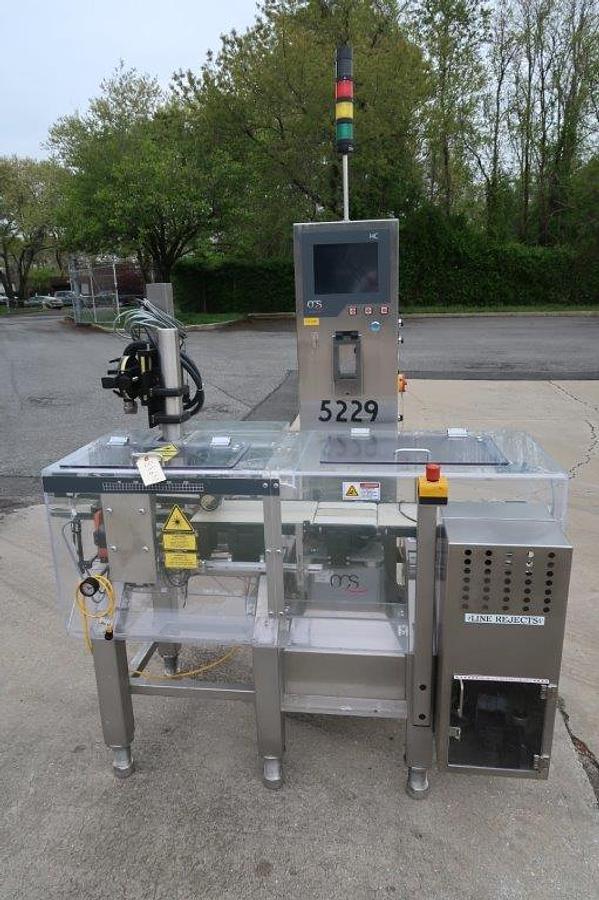
OCS produces a range of packaging equipment with a strong focus on the pharmaceutical and cosmetic industries. Their machines are particularly well-regarded for high-speed filling and labeling systems, where accuracy and throughput are critical. The OCS Model HC Stainless Inline Checkweigher is one example of their product line, a machine built for precise in-line weight verification during production runs.
Beyond checkweighers, OCS machinery is designed to support fast-paced manufacturing environments where product integrity and regulatory compliance are non-negotiable. Their equipment tends to be built to handle the demanding tolerances required in pharma and cosmetic filling operations, making their machines a practical choice for facilities that need reliable, high-output packaging solutions.
What should buyers know about purchasing used OCS packaging machinery versus buying from a manufacturer?
Buying used OCS packaging equipment can offer significant cost savings compared to sourcing directly from a manufacturer, but the process requires more due diligence on the buyer's part. Used machines are typically sold as-is, meaning the responsibility for assessing condition, functionality, and suitability falls squarely on the buyer. This makes it essential to work with dealers who have a demonstrated track record in industrial packaging equipment and who specialize in the relevant industry sector.
One practical step buyers should take is contacting OCS directly to understand what level of support is available for the specific model and age of machine they're considering. Parts availability, technical documentation, and manufacturer support can vary considerably depending on how old the unit is. A reputable used equipment dealer will facilitate inspections, provide detailed photos or video walkthroughs, and be transparent about the machine's history and current condition.
What production speeds and output capacities do OCS packaging machines typically offer?
OCS packaging machines are engineered for high-speed production environments, particularly in pharmaceutical and cosmetic filling and labeling applications. Exact output figures vary by model and configuration, but OCS equipment is generally positioned in the mid-to-high tier of production capacity, suited for manufacturers running continuous or high-volume batch operations rather than small-scale or artisan production.
When evaluating a specific used OCS machine, buyers should request the manufacturer's original specifications for that model to understand rated speeds under ideal conditions. Keep in mind that a used machine's real-world throughput may differ based on its age, maintenance history, and how it was previously operated. Asking the dealer about the machine's last known production environment can give useful context for estimating practical output capacity.
What certifications and compliance standards do OCS packaging machines typically meet?
OCS packaging equipment designed for pharmaceutical and cosmetic applications is generally built to meet the regulatory and safety standards relevant to those industries. This commonly includes CE marking for machines sold into European markets, and design features that align with FDA current Good Manufacturing Practice (cGMP) expectations for pharmaceutical production environments. Stainless steel construction, as seen on models like the OCS HC Inline Checkweigher, is a standard feature that supports sanitary cleaning and compliance with food-grade and pharma-grade requirements.
For buyers purchasing used OCS machinery, it's worth verifying which certifications applied to the machine at the time of manufacture and whether those certifications are still valid or transferable. Compliance documentation, such as CE declarations of conformity or calibration records, should be requested from the dealer. Consulting directly with OCS can also clarify whether a particular model was designed to meet specific regulatory frameworks, and whether updated documentation or re-certification may be needed after relocation and reinstallation.
How does the inspection process work when buying used OCS packaging equipment?
Reputable used equipment dealers typically offer buyers the option to inspect machinery in person, via live video call, or through detailed video recordings of the equipment. The goal is to give the buyer an accurate picture of the machine's current condition, including visible wear, missing components, and overall mechanical state. In some cases, a used OCS machine may still be installed and running at the facility where it was originally used, which can allow for an inspection while the equipment is still in production.
Buyers should be aware that most equipment dealers are not set up to run full production tests, as doing so would require product-specific permitting and operational infrastructure beyond what a dealer typically maintains. What a buyer can reasonably expect is a thorough visual and mechanical inspection, confirmation of which components are present, and an honest account of the machine's known history. For high-value OCS equipment, hiring an independent machinery appraiser or sending a qualified technician to inspect in person is a reasonable precaution.
What is the typical price range for used OCS packaging machines?
Pricing for used OCS packaging machinery varies considerably depending on the model, age, configuration, and overall condition of the equipment. Entry-level or older OCS units may be available at a fraction of the cost of comparable current-production equipment, while well-maintained high-speed filling or labeling systems in good working condition can still command substantial prices given the engineering and precision involved in their construction.
Buyers should factor in more than just the purchase price when budgeting for a used OCS machine. Shipping, rigging, any required refurbishment, and the cost of spare parts or service should all be considered to arrive at a realistic total landed cost. Getting quotes from the dealer on packaging and freight before committing to a purchase is a practical step, particularly for larger or heavier equipment that may require specialized loading and unloading equipment.
What are the shipping and logistics considerations for used OCS packaging machinery?
Shipping industrial packaging equipment like OCS machines requires careful planning to prevent damage in transit. Depending on the size and weight of the unit, machines may need to be palletized, crated, or secured with custom blocking and bracing. Heavier equipment often requires professional rigging for both loading at the dealer's location and unloading at the buyer's facility, and those rigging costs are typically separate from standard freight charges.
Buyers should ask dealers for a detailed breakdown of all shipping-related costs before finalizing a purchase. This includes packaging, freight, any fuel or oversized load surcharges, and rigging fees at both ends of the shipment. Understanding the full landed cost of the equipment, not just the purchase price, is essential for accurate budgeting. For international shipments, customs duties, import documentation, and compliance with destination-country regulations add another layer of complexity that should be addressed early in the buying process.
What payment terms are standard when purchasing used packaging machinery?
Most used equipment dealers require full payment before a machine is released for shipping. This is standard practice in the industry and reflects the nature of the transaction, since used machinery is typically sold as-is and dealers need to confirm funds before arranging logistics. Payment is commonly made by wire transfer, though accepted methods can vary by dealer.
Some dealers may offer extended or deferred payment terms to established customers with a prior purchase history, but this is not the norm for first-time buyers. Buyers who are working with a dealer for the first time should expect to pay in full upfront and plan their financing or capital allocation accordingly. If payment terms are important to your purchasing decision, it's worth raising the question directly with the dealer early in the negotiation, as policies can differ.
What should buyers look for when evaluating the condition of a used OCS checkweigher?
A checkweigher like the OCS Model HC Stainless Inline Checkweigher is a precision instrument, and its condition assessment should go beyond surface appearance. Key areas to examine include the load cell and weighing platform for signs of damage, corrosion, or contamination, as these directly affect measurement accuracy. The conveyor belts, reject mechanisms, and control system should also be checked for wear and proper function. Calibration records, if available, can give a useful indication of how well the machine has been maintained.
Buyers should also ask about the machine's last known application and production environment. A checkweigher that was used in a pharmaceutical clean room will have a different wear profile than one that ran in a general food processing facility. Requesting documentation on service history, any prior repairs, and the software or firmware version currently installed can help buyers anticipate what refurbishment or recalibration work may be needed before the machine is put back into production.
Is technical support and spare parts availability a concern with used OCS packaging equipment?
Parts availability and technical support are legitimate considerations for any used packaging machine, and OCS equipment is no exception. The level of support available from OCS directly will depend on the age and model of the machine in question. Older or discontinued models may have limited parts availability through the manufacturer, which means buyers may need to source components through third-party suppliers or have parts fabricated. Contacting OCS before purchasing a used machine is a practical step to gauge what support they can realistically provide.
For ongoing maintenance, buyers should also consider whether qualified technicians familiar with OCS equipment are available in their region. Some used equipment dealers can connect buyers with service contacts, and OCS may be able to recommend authorized service providers. Building a relationship with a knowledgeable technician before a machine goes into production, rather than after a breakdown occurs, is a sound approach to managing downtime risk with used industrial equipment.