Category
Manufacturer
Model
Oakes
Oakes manufactures advanced packaging machinery for the food and personal care industries. They are particularly noted for their flexible packaging solutions that adapt to various product types. Oakes’ equipment is designed to improve production efficiency while maintaining high standards of product safety.
FAQ:
What types of machinery does Oakes manufacture?
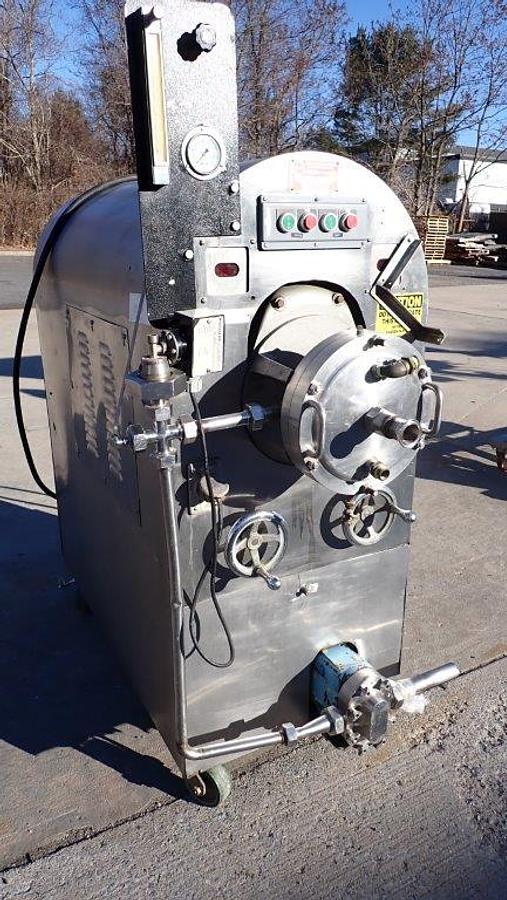
Oakes is best known for producing aeration and mixing equipment used primarily in food processing and packaging applications. Their most recognized products include continuous mixers and foam depositors, which are widely used across bakery, confectionery, dairy, and processed food manufacturing. The brand has built a strong reputation for engineering equipment that handles delicate aeration and mixing tasks with precision, making their machines a go-to choice in niche food production segments. Oakes also produces flexible packaging machinery designed to adapt to a range of product types, with a focus on improving production efficiency while maintaining food safety standards.
Buyers researching used Oakes equipment should pay close attention to the specific model and machine type, since the product line spans several distinct categories. A continuous mixer like the Oakes 10M5, which pairs with a Waukesha pump, serves a very different production function than a flexible packaging line. Clarifying the exact machine type needed before beginning a search will save significant time and help ensure the equipment fits the intended application.
What industries are Oakes packaging machines best suited for?
Oakes machinery has historically served the food and personal care industries, with particularly strong adoption in bakery, confectionery, dairy, and processed food manufacturing. Their continuous mixers and foam depositors are especially valued in applications where precise aeration control is critical, such as producing whipped toppings, marshmallow-type confections, cake batters, and similar products that require consistent foam density. The sanitary design and food-grade construction of Oakes equipment make it well-suited for facilities operating under strict hygiene and compliance requirements.
Beyond food processing, Oakes flexible packaging solutions have found use in personal care product manufacturing, where consistent fill accuracy and adaptability to different packaging formats are important. Facilities producing lotions, creams, and similar viscous personal care products have incorporated Oakes equipment for its ability to handle a range of product viscosities. Buyers from either industry should verify that the specific used machine they are considering matches the regulatory and sanitary requirements of their production environment before purchasing.
How do I verify the condition of a used Oakes machine before buying?
Verifying the condition of a used Oakes machine requires a careful inspection process, and reputable dealers will typically accommodate this in several ways. In-person inspections are the most thorough option, allowing a buyer or their technician to physically examine the machine, check for wear on key components, review the overall structural integrity, and assess cleanliness. Some machines may still be installed and running at the facility where they originated, which provides the added benefit of seeing the equipment in a production context. For buyers who cannot travel, many dealers offer virtual inspections or detailed video walkthroughs that capture the machine's current condition.
It is worth keeping in mind that most used equipment dealers do not have the permitting or infrastructure to run actual product through a machine during an inspection. What a buyer can realistically assess is the mechanical and structural condition of the equipment, not a live production run. For Oakes mixing and aeration equipment specifically, buyers should ask to see the condition of the mixing chamber, seals, and any pump components, as these are the areas most subject to wear. Choosing a dealer with a long track record of selling food processing and packaging machinery adds an important layer of confidence to the process.
What should buyers know about parts availability and manufacturer support for used Oakes equipment?
Oakes Machine Corporation has experienced ownership and operational changes over the years, and this history can directly affect how easy it is to source parts and obtain manufacturer-level technical support for older models. Before purchasing a used Oakes machine, it is a good practice to contact the manufacturer directly to ask about parts availability for the specific model and serial number in question. The age of the machine matters here. Older models may have limited or discontinued parts support, while more recent models are more likely to have components still in production.
Buyers should factor parts availability into their total cost-of-ownership calculation. If the manufacturer cannot supply a critical component, the buyer will need to identify third-party machining sources or aftermarket suppliers, which can add lead time and cost to future repairs. A qualified Oakes technician or a dealer with deep experience in food processing equipment can often help assess which components are most likely to need replacement over time, giving buyers a clearer picture of the ongoing maintenance commitment before they commit to a purchase.
What is the typical price range for used Oakes packaging machinery?
Pricing for used Oakes machinery varies considerably depending on the machine type, model, age, condition, and included accessories. Continuous mixers and foam depositors from Oakes tend to hold their resale value reasonably well given the brand's reputation in specialized food processing segments, but buyers should still expect a wide range across the market. A basic used mixing unit in fair condition might be priced significantly lower than a more recent model with additional pumping systems or stainless steel construction that meets modern sanitary standards.
The best way to gauge fair market value is to compare similar models across multiple listings from reputable used equipment dealers. Buyers should also account for the full landed cost of the equipment, which includes not just the purchase price but also rigging, crating or palletization, freight, and any reconditioning work needed before the machine goes into production. A lower sticker price on a machine in rough condition can quickly become more expensive than a higher-priced unit that is ready to run.
What does the shipping process look like for used industrial packaging machinery?
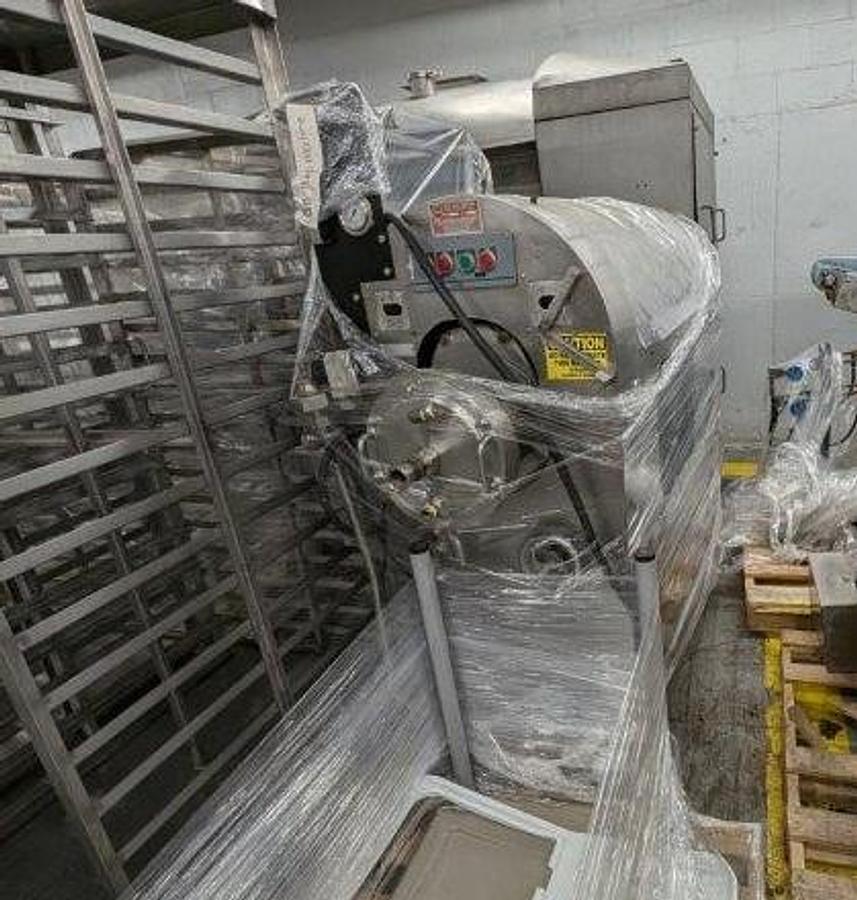
Shipping used industrial packaging machinery involves several steps that go beyond standard freight, and buyers should get a clear breakdown of all associated costs before finalizing a purchase. Smaller Oakes units may be palletized and shipped via standard LTL freight, but larger or more complex machines often require custom crating to prevent damage in transit. The level of packaging required will affect the shipping cost, and dealers will typically provide a quote based on the machine's dimensions, weight, and fragility.
Larger machines may also require specialized rigging equipment for loading at the seller's facility and unloading at the buyer's location. Rigging costs are generally separate from freight costs and can be substantial for heavy industrial equipment. Buyers should ask the dealer specifically about rigging requirements, packaging method, and freight carrier options to get an accurate picture of the total landed cost. It is also worth confirming who is responsible for insuring the machine during transit, as damage claims on uninsured industrial equipment can be difficult to resolve.
What are the standard payment terms for purchasing used Oakes equipment from a dealer?
Most used equipment dealers require full payment before a machine is released for shipping. This is standard practice across the industry and reflects the nature of used equipment transactions, where machines are typically sold as-is and the dealer needs to confirm funds before arranging logistics. Buyers who are working with a dealer for the first time should expect to pay in full upfront, and should verify accepted payment methods, such as wire transfer or certified funds, before initiating a transaction.
Some dealers may offer extended payment terms to established repeat customers with whom they have a prior business relationship, but this is not the norm for first-time buyers. Buyers should also be aware that the purchase price is typically separate from shipping, rigging, and crating costs, which are often invoiced independently once logistics are arranged. Getting a complete cost breakdown in writing before committing to a purchase is a straightforward way to avoid surprises.
How difficult is it to install and operate Oakes mixing and packaging equipment?
The complexity of installing and operating Oakes equipment depends heavily on the specific machine type and the buyer's existing technical infrastructure. Continuous mixers like those in the Oakes product line typically require proper utility connections, including electrical service and in some cases compressed air or water lines, and should be installed by qualified technicians familiar with food processing equipment. Machines that include auxiliary components like Waukesha pumps add another layer of installation complexity, since the pump and mixer need to be properly integrated and calibrated before production can begin.
On the operational side, Oakes mixing and aeration equipment is generally considered to have a manageable learning curve for operators with prior experience in food processing environments. That said, used machines may arrive without complete documentation, so buyers should ask dealers whether operator manuals or technical schematics are included with the sale. If documentation is not available, contacting the manufacturer directly or working with an experienced equipment technician during startup can help bridge the knowledge gap and reduce the risk of misuse or early mechanical issues.
What routine maintenance does Oakes mixing and aeration equipment require?
Oakes continuous mixers and foam depositors used in food processing environments require regular maintenance to stay in good working order, and the sanitary nature of food production adds an extra layer of cleaning requirements on top of standard mechanical upkeep. Seals, gaskets, and O-rings are among the components most subject to wear in mixing equipment and should be inspected regularly and replaced as needed. Bearings, drive components, and any pump systems paired with the mixer also require periodic lubrication and inspection according to the manufacturer's recommended service intervals.
For buyers purchasing used Oakes equipment, it is a good idea to budget for a thorough mechanical inspection and cleaning before putting the machine into production. A used machine that has been sitting idle for an extended period may have dried product residue, degraded seals, or other issues that need to be addressed before startup. Establishing a preventive maintenance schedule from the beginning, ideally based on the manufacturer's original service guidelines, will extend the machine's working life and reduce the likelihood of unplanned downtime.
Why does the used Oakes equipment market rely on third-party dealers rather than direct manufacturer sales?
Used Oakes machinery reaches the market primarily through third-party industrial equipment dealers because manufacturers generally focus on producing and selling new equipment rather than managing the resale of machines that have already been in production. When a food processing facility upgrades, consolidates, or closes, their existing equipment is typically sold through dealers who specialize in sourcing, evaluating, and reselling used industrial machinery. This is a standard channel across the food processing equipment industry, not unique to Oakes.
For buyers, working with a reputable third-party dealer can actually be advantageous, since experienced dealers often have detailed knowledge of the equipment they carry and can provide inspection access, logistical support, and market context that a private seller typically cannot. The key is selecting a dealer with a demonstrated history in food processing or packaging machinery specifically, rather than a generalist reseller with limited category expertise. Dealers who specialize in this segment are better positioned to answer technical questions, assess machine condition accurately, and help buyers identify the right equipment for their application.