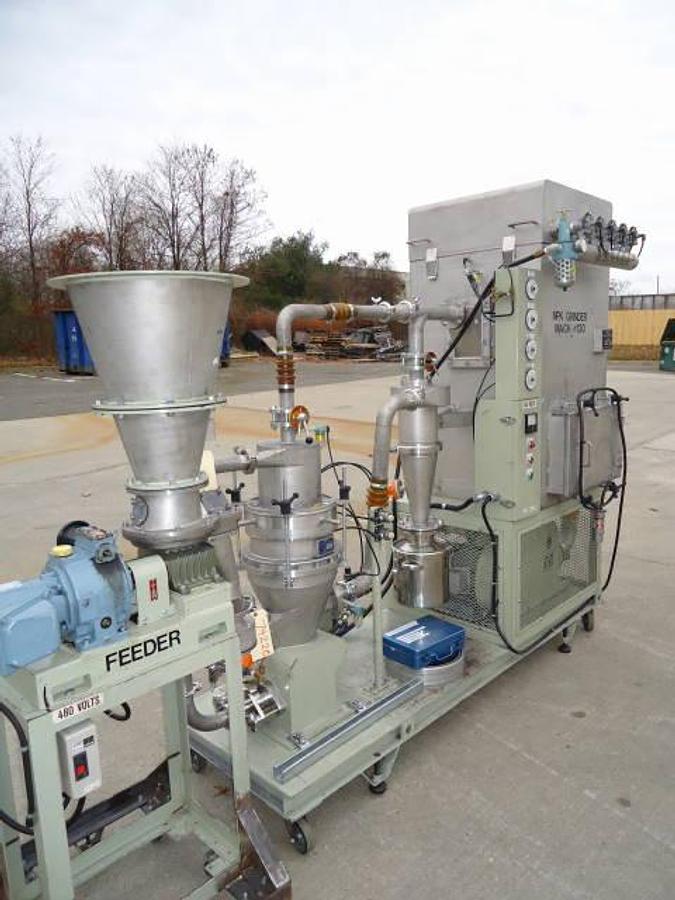
Category
Manufacturer
Model
Npk
NPK manufactures heavy-duty equipment for the construction and agricultural sectors, focusing on hydraulic machinery. Their products are recognized for their robustness and efficiency, making them suitable for demanding environments. NPK’s commitment to quality ensures that their machines deliver reliable performance.
FAQ:
What is NPK equipment and what is it used for?
NPK equipment refers to machinery designed to produce, process, blend, granulate, or apply fertilizers containing the three primary plant macronutrients: Nitrogen (N), Phosphorus (P), and Potassium (K). This category covers a wide range of machines, from fertilizer granulators and rotary drum blenders to coating machines, drying and cooling systems, and full compound fertilizer production lines. The equipment is used across agricultural operations, fertilizer manufacturing facilities, and chemical processing plants where consistent, high-quality nutrient blends are essential for crop production.
Beyond fertilizer production, some NPK-related machinery overlaps with broader industrial processing applications. For example, jet mills and pilot plant equipment are sometimes used in the processing of mineral or chemical inputs that feed into fertilizer manufacturing. The common thread across all NPK equipment categories is the need for machines that can handle abrasive, sometimes corrosive materials at consistent output rates, making durability and material compatibility two of the most important factors when evaluating any piece of NPK processing machinery.
What types of NPK equipment are commonly available on the used market?
The used NPK equipment market includes a fairly broad range of machinery depending on what stage of the production or application process a buyer needs to address. Common categories include granulation machines (drum granulators, pan granulators, and extrusion granulators), fertilizer blenders and mixers, rotary dryers and coolers, screening and sizing equipment, coating machines, and complete compound fertilizer production lines. Pilot plant equipment, including jet mills and stainless steel processing units, also appears on the used market and is relevant for facilities doing smaller-scale or experimental fertilizer processing work.
Buyers sourcing used NPK equipment should pay close attention to the specific model and configuration of any machine they consider, since production capacity, material compatibility, and available replacement parts can vary significantly even within the same equipment category. A used rotary drum granulator rated for 5 tons per hour, for instance, will have very different infrastructure requirements than a smaller batch blender designed for 1-2 tons per hour. Understanding exactly what the machine was used for previously, including what materials it processed and how intensively it was run, helps buyers assess whether a particular used unit is a good fit for their application.
What should I look for when inspecting used NPK equipment before buying?
Inspecting used NPK equipment requires attention to several factors that are specific to the corrosive and abrasive nature of fertilizer processing. The most important areas to evaluate are the condition of contact surfaces, including interior drum linings, auger flights, mixing paddles, and any stainless steel components that have been exposed to acidic or hygroscopic fertilizer materials over time. Corrosion, pitting, and worn seals are common issues on machines that have seen heavy use, and repair costs for these components can be substantial. Mechanical drive components, bearings, and gearboxes should also be carefully checked, as these are high-wear items on granulation and blending equipment.
Reputable used equipment dealers will typically accommodate in-person inspections, video walkthroughs, or detailed photo documentation of machines so buyers can assess condition before committing to a purchase. Some equipment may still be installed and operational at a facility, which provides an opportunity to observe it running under real conditions. Keep in mind that most dealers do not have the permitting or infrastructure to run full production tests, so buyers should focus their inspection on mechanical condition, structural integrity, and any visible wear patterns. Consulting with the equipment manufacturer about the specific model's known wear points and parts availability is also a smart step before finalizing any purchase decision.
What is the typical price range for used NPK fertilizer equipment?
Pricing for used NPK equipment spans a very wide range depending on the type of machine, its production capacity, age, condition, and configuration. Small-scale blending or mixing units can be found in the $10,000 to $50,000 range, while mid-size granulation systems or individual processing units like rotary dryers and coolers typically fall somewhere between $50,000 and $200,000. Complete used NPK compound fertilizer production lines, especially those with higher throughput capacity and automation, can exceed $500,000 depending on what is included in the package.
Beyond the purchase price itself, buyers should factor in the full landed cost of the equipment. Shipping, rigging, crating, and any site preparation or installation work will add to the total investment. Larger and heavier machines require specialized rigging for loading and unloading, which is an additional cost that varies by machine size and destination. Asking the dealer for a detailed breakdown of packaging, freight, and rigging costs upfront helps avoid surprises and allows for a more accurate comparison between different machines or sellers.
How do I determine the right production capacity for NPK equipment?
Matching production capacity to actual operational needs is one of the most important decisions in selecting NPK equipment. Machines in this category range from small-scale units producing 1 to 2 tons per hour, which are appropriate for on-farm blending or small commercial operations, up to large industrial systems capable of producing 10 to 30 tons per hour for high-volume fertilizer manufacturers. Buying more capacity than you need increases both the upfront cost and ongoing operating costs, while underspecifying capacity creates production bottlenecks that are expensive to resolve after the fact.
When evaluating capacity, it helps to think in terms of annual production targets rather than just peak hourly output. A machine rated at 5 tons per hour running one shift per day, five days a week, has a very different effective annual capacity than the same machine running two shifts. Also consider whether your production volumes are seasonal, since fertilizer demand often spikes around planting seasons. Used equipment can be a cost-effective way to add capacity or replace aging machinery, but buyers should verify that the rated capacity of any used unit reflects realistic throughput under the specific materials and conditions they plan to run, not just theoretical maximums stated in the machine's original specifications.
Can NPK equipment handle both granular and liquid fertilizer applications?
Most NPK processing equipment is designed specifically for either granular or liquid fertilizer production, and the two categories involve very different machinery, material handling systems, and infrastructure requirements. Granular NPK production relies on equipment like drum granulators, pan granulators, dryers, coolers, and screening systems that process solid or semi-solid materials into uniform pellets or granules. Liquid fertilizer blending, by contrast, uses mixing tanks, pumps, flow meters, and storage systems designed for fluid handling. Crossover between the two is limited, and buyers should be clear about which form factor their operation requires before evaluating any specific machine.
That said, some granulation processes do involve liquid binders or coating solutions as part of the production process, so a granular NPK production line may include components designed to handle liquids in a controlled way. Coating machines, for example, apply liquid coatings to finished granules to improve handling characteristics or add slow-release properties. When reviewing used equipment, it is worth asking the dealer about the full process the machine was part of, since understanding the upstream and downstream context helps clarify whether a particular unit will integrate cleanly into an existing or planned production setup.
What certifications or quality standards should used NPK equipment meet?
For NPK fertilizer processing equipment, the most relevant standards tend to relate to materials of construction, electrical safety, and in some cases, pressure vessel or mechanical safety ratings depending on the type of machine. Equipment manufactured for the European market will often carry CE marking, which indicates conformity with applicable EU machinery safety directives. Equipment built for the North American market may reference ANSI, ASME, or NEC standards depending on the components involved. Stainless steel contact surfaces are often specified to food-grade or chemical-grade standards (such as 304 or 316 stainless) to resist corrosion from fertilizer materials.
For used equipment specifically, buyers should request any available documentation that came with the machine, including manuals, original specifications, and any inspection or maintenance records. This documentation helps establish the machine's design standards and gives insight into how well it was maintained. It is also worth contacting the equipment manufacturer directly to ask about the specific model's compliance history and whether parts and technical support are still available for that generation of machine. Age and model can significantly affect the level of support a manufacturer is willing or able to provide, which is an important practical consideration for long-term operation.
How does shipping and logistics work for used NPK equipment purchases?
Shipping used NPK equipment involves more complexity than standard freight because of the size, weight, and fragility of many machines in this category. Proper packaging is critical to preventing damage in transit. Depending on the machine, this may involve custom wooden crating, heavy-duty palletization, or specialized blocking and bracing to secure moving parts and protect exposed surfaces. The level of packaging required directly affects shipping costs, so buyers should ask dealers for a detailed quote that breaks out crating, rigging, freight, and any insurance separately.
Larger machines, such as rotary drum granulators, dryers, or complete production line components, typically require crane or forklift rigging for both loading at the origin and unloading at the destination. Buyers are responsible for ensuring they have appropriate receiving equipment and infrastructure at their facility before the shipment arrives. For international shipments, customs documentation, import duties, and compliance with destination country regulations add another layer of planning. Getting a clear picture of the total landed cost, including all freight, rigging, and customs-related expenses, is an essential step before finalizing any used equipment purchase.
What are the most common maintenance issues with NPK processing equipment?
NPK fertilizer materials are inherently abrasive and, in many formulations, hygroscopic or mildly corrosive. This combination accelerates wear on several key components across most types of NPK processing machinery. Granulator drum linings, auger flights, mixing paddles, and conveyor belts are among the highest-wear items and typically require periodic inspection and replacement. Bearings and seals are also vulnerable, particularly on equipment that operates in dusty or humid environments. Dryer and cooler systems can develop issues with refractory linings or airflow components if not regularly maintained.
For buyers considering used NPK equipment, understanding the maintenance history of a specific machine is just as important as its physical condition at the time of inspection. A well-maintained machine with documented service records is generally a better investment than one with lower hours but no maintenance history. Prospective buyers should also check with the equipment manufacturer about parts availability for the specific model they are considering, since older machines may have limited or discontinued parts support. Building a relationship with a parts supplier or the manufacturer's service network before a machine arrives on-site reduces downtime risk significantly once the equipment is in operation.
What payment terms are typical when buying used NPK equipment from a dealer?
Used equipment dealers in the industrial and agricultural machinery space generally require payment in full before a machine is released for shipping. This is standard practice across the industry and reflects the nature of used equipment transactions, where machines are sold as-is and dealers need to confirm cleared funds before arranging logistics. Wire transfer is the most common payment method for larger transactions, though some dealers may accept other forms of payment depending on the purchase amount and the buyer's relationship with the dealer.
Some dealers do extend payment terms to repeat customers or established accounts, but this is the exception rather than the rule for first-time buyers. Buyers who need financing should explore third-party equipment financing options before approaching a dealer, since having financing pre-arranged puts a buyer in a stronger position to move quickly when the right machine becomes available. Given that desirable used NPK equipment at the right price point can sell quickly, being prepared to transact promptly is a practical advantage in this market.