Category
Manufacturer
Model
Northstar
Northstar provides a range of packaging machinery, focusing on the pharmaceutical and consumer goods sectors. They are particularly known for their automated case packing and palletizing systems that enhance operational efficiency. Northstar’s equipment is designed for high performance and reliability in fast-paced production environments.
FAQ:
What models of Northstar freeze dryers are available on the used equipment market?
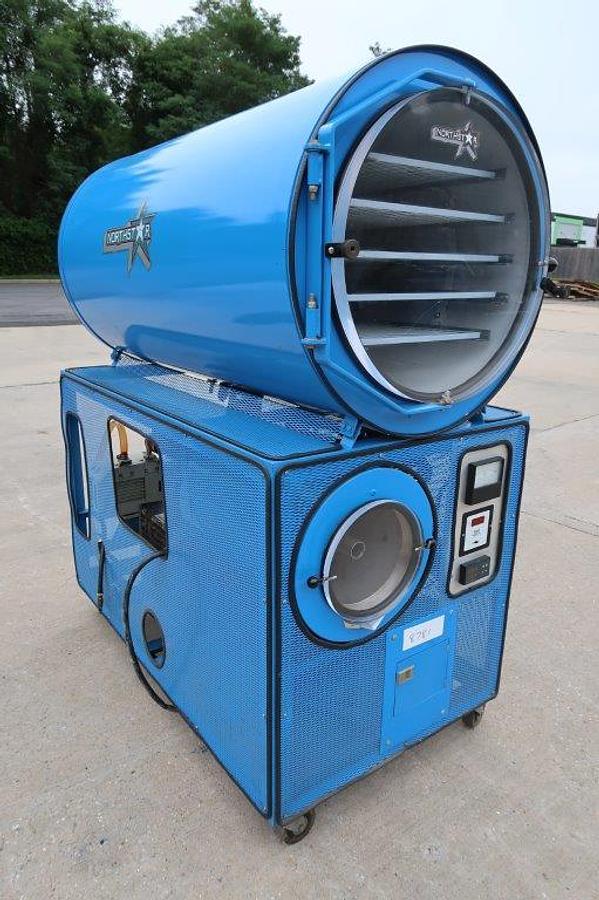
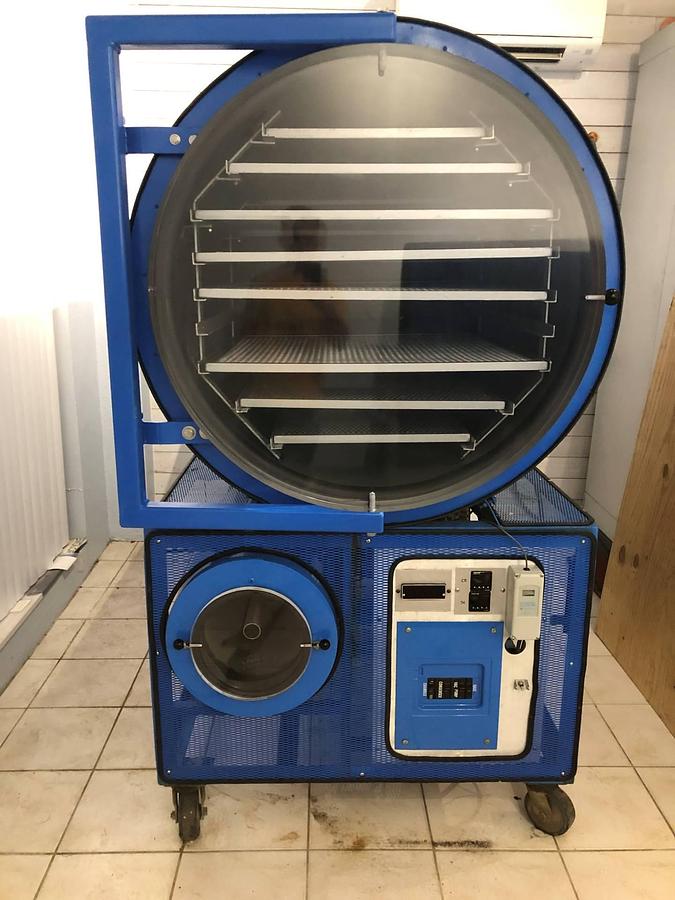
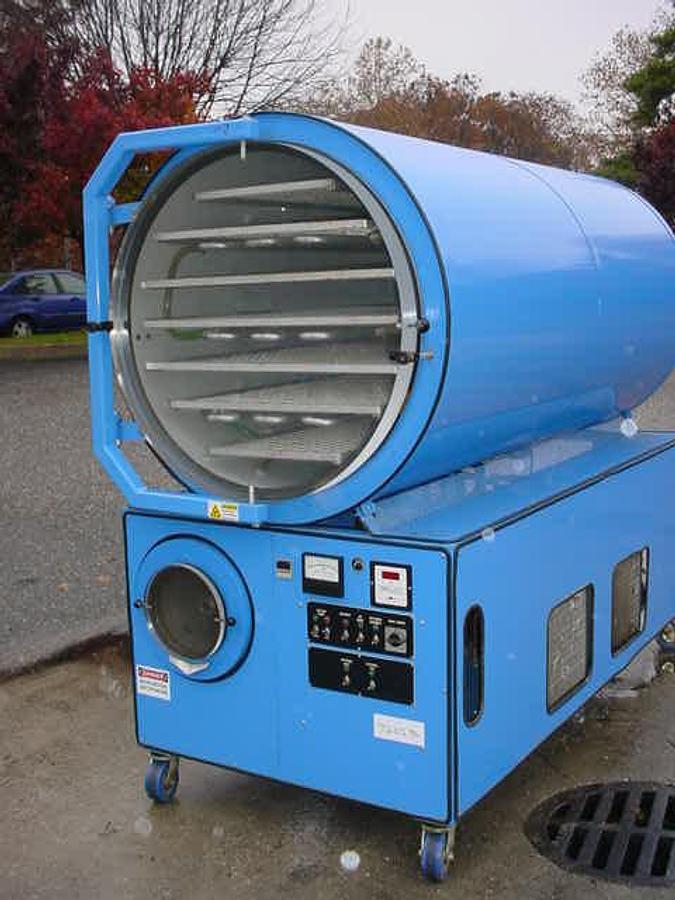
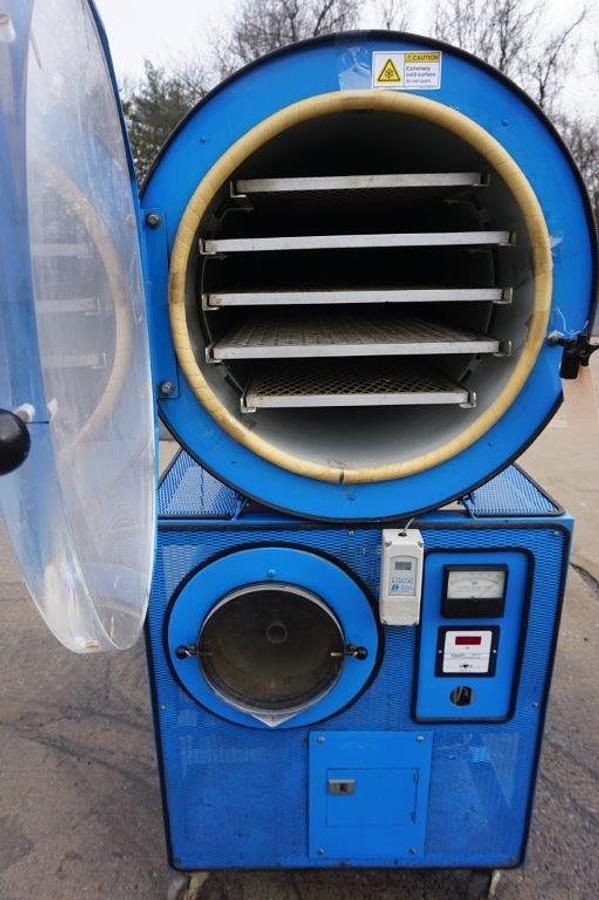
Several Northstar freeze dryer models circulate on the used equipment market, and the lineup covers a range of sizes and configurations suited to different production scales. Models that appear with some regularity include the Northstar 2452, the L-3666, the L3680, and the Model 4880 Horizontal Freeze Dryer. Some units come with upgrades applied during their service life, such as electrical or mechanical improvements that the previous owner made to extend performance or adapt the machine to a specific process. Single-phase electric configurations are also available on certain 2452 units, which matters for buyers who do not have three-phase power at their facility.
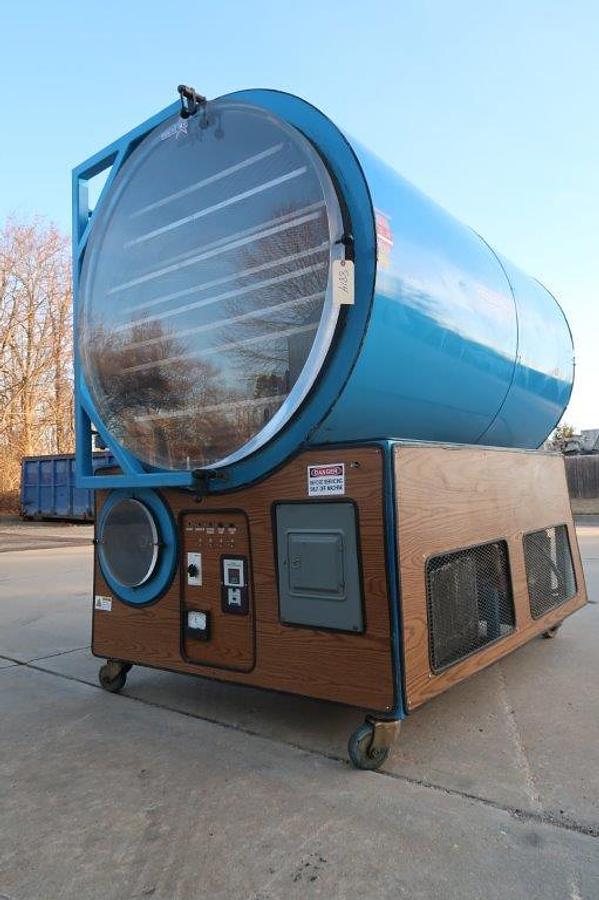
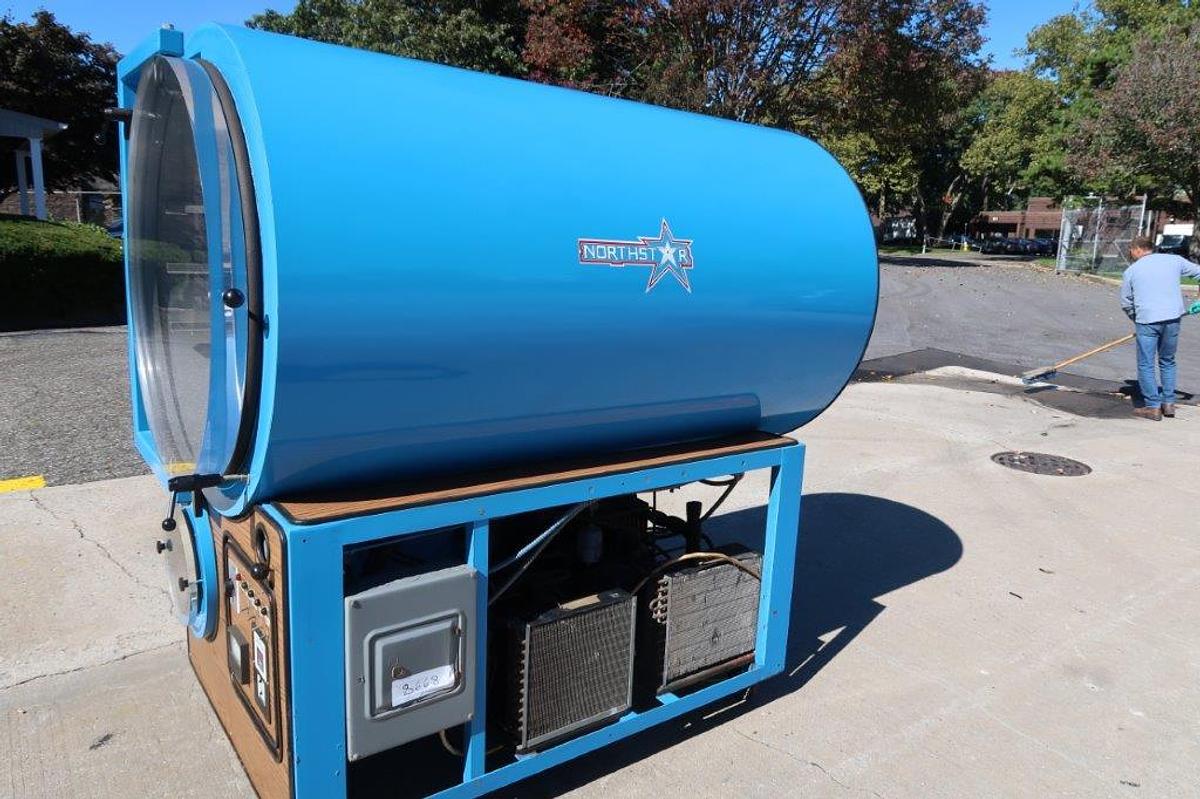
The 4880 Horizontal model is a notably different form factor compared to the upright cabinet-style units, and horizontal freeze dryers are often preferred in pharmaceutical and specialty food production settings where shelf loading and product handling benefit from that orientation. The L-3666 has also been offered in a portable configuration, which can be useful for processors who need to move the unit between locations or who have limited permanent floor space. When shopping the used market, buyers should verify the exact model number, any modifications made to the unit, and the condition of critical components like the refrigeration system, vacuum pump, and shelf heating elements before committing to a purchase.
What industries and applications are Northstar freeze dryers designed for?
Northstar as a manufacturer has historically focused on equipment for the pharmaceutical and consumer goods sectors, and their freeze dryers reflect that industrial heritage. Pharmaceutical freeze drying, also called lyophilization, requires precise control over shelf temperature, chamber pressure, and drying cycles to preserve the potency and stability of drug compounds, biologics, and diagnostics. Equipment built to those standards tends to be over-engineered relative to consumer-grade machines, which is one reason pharmaceutical-lineage freeze dryers attract buyers in specialty food, nutraceutical, and research applications as well.
Beyond pharmaceuticals, these machines are well-suited for processing high-value food products where preserving flavor, color, and nutritional content is a priority. Freeze-dried fruits, vegetables, dairy, proteins, and complete meals for long-term storage are all common use cases. Homesteaders, emergency preparedness-focused buyers, and small-scale food producers have driven significant demand for used industrial freeze dryers as an alternative to consumer brands, largely because a used industrial unit can offer greater batch capacity and more durable construction at a competitive price point. Understanding the original design intent of a specific model helps buyers assess whether it fits their processing environment and compliance requirements.
How does a used Northstar freeze dryer compare in cost to buying a consumer-grade freeze dryer?
Consumer-grade freeze dryers from brands like Harvest Right typically retail in the range of roughly $2,500 to $5,500 depending on size, with the medium and large models sitting in the $3,500 to $5,000 range. Used industrial freeze dryers, including Northstar units, are priced based on factors like model, size, age, condition, and included accessories, so the final cost varies considerably. A used industrial unit in good working condition may land at a similar price point to a consumer machine, but it often delivers meaningfully greater shelf area, batch capacity, and build quality for that investment.
The real cost comparison has to account for total landed cost, not just the sticker price. Shipping an industrial freeze dryer can add hundreds to several thousand dollars depending on the machine's weight, dimensions, and the rigging required for loading and unloading. Buyers should request a full breakdown of packaging, freight, and any crating fees before finalizing a purchase. On the other side of the ledger, a used industrial machine built for continuous production environments may have a longer useful service life than a consumer appliance, and replacement parts for industrial units are often more accessible through commercial refrigeration and vacuum system suppliers. Running the numbers on cost per batch over a realistic service horizon gives a clearer picture than comparing purchase prices alone.
What should a buyer inspect before purchasing a used Northstar freeze dryer?
The refrigeration system and vacuum pump are the two most critical components to evaluate on any used freeze dryer. The refrigeration circuit should be inspected for leaks, proper refrigerant charge, and the condition of the compressor. Vacuum pumps on freeze dryers work hard and wear over time, so buyers should ask about the pump's service history, the type of oil used, and whether the pump has been rebuilt or replaced. Shelf heating elements and temperature sensors are also worth examining, since uneven or failed shelf heating will compromise drying uniformity and cycle times.
Reputable used equipment dealers will typically accommodate in-person inspections, video walkthroughs, or recorded video captures of the machine so buyers can assess its current condition before committing. For machines that are still installed at a production facility, some dealers can arrange an inspection at the plant, where the equipment may even be running. Keep in mind that most equipment dealers are not set up to run actual product through a freeze dryer during an inspection, as production operations require different permitting than a machinery dealership holds. Buyers should also contact the manufacturer directly to understand what level of technical support, spare parts, and documentation is available for the specific model and age of the unit they are considering, since parts availability can vary significantly depending on how long ago a model was produced.
How is a used Northstar freeze dryer typically shipped, and what does it cost?
Freeze dryers are heavy, mechanically complex machines with sensitive refrigeration components and vacuum systems, so packaging and freight handling require more planning than a standard equipment shipment. The machine will typically be palletized at minimum, and larger or heavier units may require custom crating to prevent damage to condenser coils, gauges, and the vacuum chamber during transit. The level of packaging directly affects freight cost, and buyers should ask the dealer specifically what palletization or crating is included in the quoted price versus what is an added charge.
Larger freeze dryers may also require specialized rigging for loading at the dealer's facility and unloading at the buyer's location. Rigging involves forklifts, cranes, or other lifting equipment operated by trained riggers, and that service carries its own cost that is separate from the freight carrier's charges. Buyers should request a complete breakdown of all shipping-related costs, including packaging, rigging, freight, and any liftgate or inside delivery fees, to understand the full landed cost of the machine before agreeing to a purchase. Freight quotes can vary significantly depending on origin, destination, carrier, and the specific dimensions and weight of the unit, so getting this information upfront avoids surprises.
What are the typical payment terms for buying a used industrial freeze dryer?
Used equipment dealers generally require payment in full before a machine ships. This is standard practice across the industry and reflects the nature of used equipment transactions, where the seller needs to confirm cleared funds before releasing a machine that may have taken significant time and capital to source, inspect, and prepare for sale. Payment methods vary by dealer but commonly include wire transfer, ACH, or certified funds. Credit card payments may be accepted in some cases but are less common for high-value machinery purchases.
Some dealers extend payment terms to repeat customers or buyers with an established relationship, but this is the exception rather than the rule for first-time transactions. Buyers who need financing should explore equipment financing through third-party lenders that specialize in used machinery, as these lenders are familiar with the asset class and can sometimes move quickly on approvals. Before sending any payment, buyers should confirm the dealer's physical address, verify their track record in the industry, and ensure they have received adequate documentation and inspection access for the specific machine. Selecting a dealer with a long history of selling equipment in the relevant industry category is one of the most reliable ways to reduce risk in a used equipment transaction.
How does freeze drying work, and why does it preserve food and pharmaceuticals so effectively?
Freeze drying, technically called lyophilization, removes moisture from a product through a process called sublimation rather than evaporation. The product is first frozen solid, then placed in a vacuum chamber where pressure is reduced dramatically. At low enough pressure, ice transitions directly from a solid to water vapor without passing through a liquid phase. That vapor is then captured on a condenser coil inside the machine. Because the product never gets warm and wet during drying, heat-sensitive compounds, cellular structures, flavors, and colors are preserved far better than with conventional drying methods like air drying or spray drying.
The result is a product that retains most of its nutritional content, flavor profile, and physical structure, and that rehydrates quickly because the porous structure left behind by sublimation absorbs water readily. For pharmaceuticals, this stability is critical for biologics, vaccines, and compounds that would degrade at room temperature in liquid form. For food, freeze-dried products can have shelf lives of 25 years or more when properly packaged, which is why the technology is central to emergency preparedness food supplies, military rations, backpacking meals, and high-end ingredient production. The process is slower and more energy-intensive than other drying methods, which is why the equipment investment is significant, but no other drying technology matches the quality of the finished product.
Is a used industrial freeze dryer practical for small-scale food production or home use?
Used industrial freeze dryers can be a practical choice for small-scale food producers, cottage food businesses, and serious homesteaders, but they come with real infrastructure and operational considerations that buyers should think through carefully. Industrial units are typically larger and heavier than consumer appliances, often requiring dedicated floor space, adequate electrical service (three-phase power in many cases), and proper ventilation. The batch capacity of an industrial machine is generally much higher than a consumer unit, which is an advantage if the goal is processing large volumes of garden produce, bulk protein, or full meal kits for long-term storage.
For purely personal home use, the scale of an industrial freeze dryer may be more than necessary, and the operational complexity is higher than a plug-and-play consumer appliance. However, for someone running a small food business, supplying a homestead community, or processing enough volume to justify the equipment, a used industrial unit can offer a lower cost per pound of finished product over time compared to a consumer machine. The key is being realistic about throughput needs, available space, electrical infrastructure, and the time required to learn the machine's controls and maintenance requirements. Consulting with the dealer about the specific model's power requirements and footprint before purchasing will prevent costly surprises after delivery.
What is the typical batch capacity of an industrial freeze dryer compared to consumer models?
Consumer freeze dryers, such as the medium and large models from Harvest Right, typically offer shelf areas in the range of 6 to 16 square feet and can process roughly 7 to 16 pounds of fresh food per batch, depending on the product's moisture content. Cycle times generally run 24 to 48 hours per batch, meaning a consumer machine can process somewhere in the range of 100 to 200 pounds of fresh food per month under regular use. That is adequate for a household or small homestead but becomes a bottleneck quickly for anyone trying to run a food business or process large seasonal harvests.
Industrial freeze dryers operate on a different scale entirely. Depending on the model, shelf area can range from a few dozen square feet to several hundred, with batch capacities measured in hundreds of pounds of product rather than single digits. The Northstar models available on the used market fall into this industrial category, meaning they are capable of meaningfully higher throughput than consumer appliances. Exact capacity figures depend on the specific model, shelf configuration, and the density and moisture content of the product being processed. Buyers should ask dealers for the shelf dimensions and total shelf area of any unit they are considering, then use those figures along with the product's typical loading density to estimate real-world batch output for their specific application.
How should a buyer evaluate the reputation and reliability of a used freeze dryer dealer?
The used equipment market has a wide range of participants, from long-established machinery dealers with decades of transaction history to newer resellers with limited track records. For a purchase as significant as an industrial freeze dryer, working with a dealer who has a verifiable history in the industry is worth prioritizing. Buyers should look for dealers who specialize in the relevant equipment category, whether that is pharmaceutical machinery, food processing equipment, or industrial manufacturing, rather than general liquidators who handle everything from office furniture to heavy machinery. Specialization usually means the dealer has better knowledge of the equipment's condition, maintenance history, and appropriate pricing.
Practical due diligence steps include checking for business registration, reviewing any available customer feedback or references, and verifying that the dealer is willing to provide detailed inspection access before payment. A reputable dealer will accommodate in-person visits, video inspections, or recorded walkthroughs of the machine. They should also be able to provide whatever documentation exists for the unit, such as manuals, service records, or prior owner information. Buyers should be cautious of any dealer who is unwilling to provide inspection access or who pressures for payment before the buyer has had a reasonable opportunity to assess the machine's condition. Taking the time to verify a dealer's standing in the industry is one of the most effective ways to reduce the inherent risk of buying used capital equipment.