Category
Manufacturer
Model
Norden
Norden is known for its cutting-edge filling and capping machines, primarily serving the beverage and food industries. Their equipment is designed for high-speed operations and is capable of handling a wide range of container types. Norden’s commitment to innovation ensures that their machines remain at the forefront of packaging technology.
FAQ:
What is a Norden tube filling machine and what industries use it?
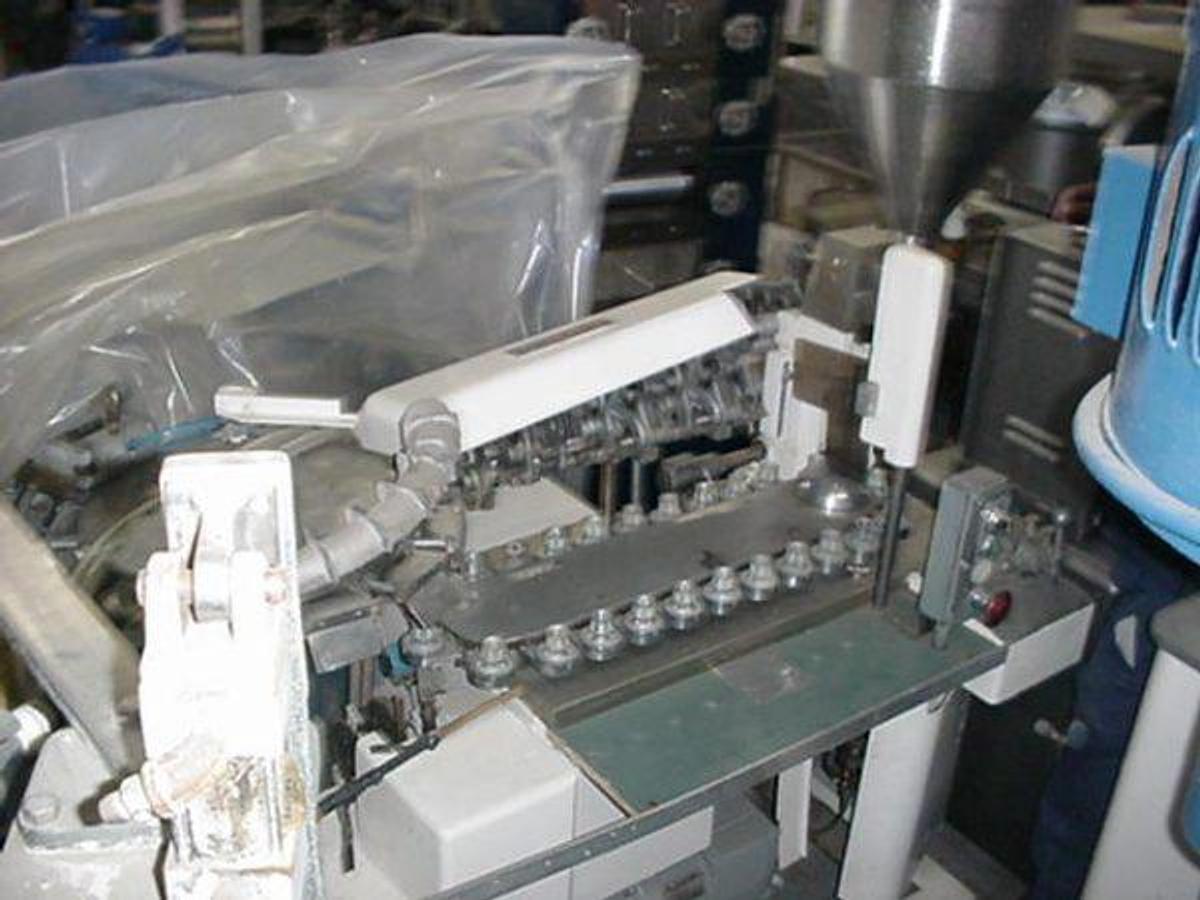
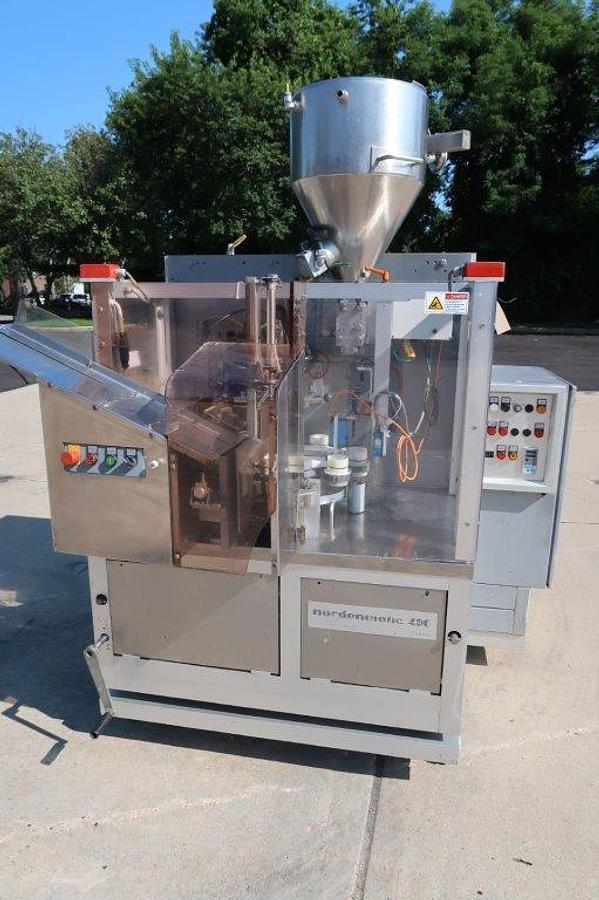
Norden Machinery AB is a Swedish manufacturer with a long history of producing tube filling and sealing equipment. The machines are designed to fill and seal tubes with viscous or semi-viscous products, then crimp or fold-seal the tail end to create a finished, shelf-ready package. Norden built a strong reputation for mechanical reliability and precision, which is why the equipment remains in active use and high demand across multiple industries decades after manufacture.
The primary industries that rely on Norden tube fillers include pharmaceuticals (topical creams, ointments, and gels), cosmetics (lotions, toothpaste, and skincare products), and food (condiments, pastes, and spreads). The machines are also found in adhesive and industrial product manufacturing where tube packaging is standard. Because the equipment is built to handle a wide range of viscosities and tube formats, a single Norden machine can often serve multiple product lines within the same facility, making it a versatile long-term asset.
What are the most common Norden tube filling machine models available on the used market?
The Norden model lineup has historically been organized around output capacity, with the model number often corresponding roughly to tubes filled per minute. Commonly traded models on the used market include the NF-10, NF-25, NF-35, NF-50, and NF-100. The NF-25 and NF-35 are particularly prevalent because they hit a practical sweet spot between speed and footprint, making them suitable for mid-volume pharmaceutical and cosmetic production runs. The NF-100 represents the higher-output end of the range and is typically found in larger-scale manufacturing environments.
Beyond the NF series, Norden also produced equipment under joint branding with Arenco, resulting in models sometimes listed as Norden/Arenco tube fillers. These machines are capable of handling both plastic and metal tubes and are frequently found in listings for used packaging equipment. When evaluating any specific model, it is worth researching the production year, as Norden's brand passed through several ownership changes over the years, eventually becoming part of the Coesia Group through the IWK lineage. That history can affect parts sourcing and manufacturer support, so confirming the model and approximate age before purchase is a practical step.
What tube materials and sizes can Norden tube filling machines handle?
Norden tube filling machines are designed to work with a broad range of tube materials, which is one of the key reasons the equipment has remained relevant across so many product categories. The machines can typically process aluminum tubes, plastic tubes made from HDPE or LDPE, and laminate tubes, which are the multi-layer structures commonly used in toothpaste and premium cosmetic products. This material versatility means that a single Norden machine can often be reconfigured with tooling changes to run different tube types as production needs evolve.
Tube diameter and length compatibility varies by model and the specific tooling installed on a given machine. Most Norden fillers can accommodate a practical range of tube diameters, commonly from around 13mm up to 50mm or more depending on the model, and tube lengths that cover the majority of standard retail and pharmaceutical formats. When purchasing a used Norden machine, buyers should confirm what tooling is included with the sale, since tube holders, closing jaws, and filling nozzles are format-specific. Acquiring a machine that already includes tooling for the buyer's target tube size can significantly reduce changeover costs and setup time.
What fill speeds and output capacities can be expected from a Norden tube filling machine?
Output capacity on Norden tube filling machines is closely tied to the specific model. As a general reference, the model numbering convention gives a reasonable indication of rated speed, so an NF-25 is rated around 25 tubes per minute, an NF-50 around 50, and an NF-100 around 100 tubes per minute under optimal conditions. In real-world production, actual throughput depends on factors like product viscosity, tube size, the complexity of the fill (single vs. multi-component), and the condition of the machine.
For small to mid-size manufacturers, even the lower-capacity Norden models represent meaningful production output. A machine running at 25 tubes per minute can produce roughly 1,500 tubes per hour, which is sufficient for many contract packaging operations and specialty product lines. Higher-output models like the NF-100 are better suited to high-volume runs where minimizing downtime per unit is critical. Buyers sourcing used equipment should ask the dealer about the machine's last known production environment and whether any performance testing or inspection data is available, since actual condition plays a significant role in how closely a used machine will match its rated specifications.
What should buyers know about parts availability and technical support for used Norden machines?
Parts availability is one of the most important practical considerations when purchasing a used Norden tube filling machine. Norden Machinery AB has changed ownership multiple times over the years, with the brand eventually absorbed into the Coesia Group through the IWK lineage. As a result, the level of manufacturer support available for any given machine depends heavily on its age and model. Buyers are strongly encouraged to contact the current manufacturer or authorized service network before completing a purchase to understand what spare parts, documentation, and technical support are realistically accessible for that specific machine.
For older models, third-party parts suppliers and independent service technicians who specialize in tube filling equipment can often fill gaps where factory support is limited. Many of the mechanical components on Norden machines, such as bearings, seals, and drive components, are standard industrial parts that can be sourced through general suppliers. The more model-specific items, like closing jaws, tube holders, and filling pistons, may require sourcing from specialty vendors or having parts fabricated. Requesting full documentation, including any available manuals, parts lists, and maintenance records, from the seller at the time of purchase is a practical way to reduce support challenges down the road.
What does the inspection process look like when buying a used Norden tube filling machine?
Inspections are a standard and expected part of purchasing used tube filling equipment, and reputable dealers will typically offer buyers the option to inspect a machine in person, via live video call, or through detailed video documentation of the equipment. The goal is to get an accurate, honest picture of the machine's current mechanical condition, including the state of the filling system, sealing jaws, drive components, and any included tooling. For machines that are still installed at a production facility, the dealer may be able to arrange an inspection at the plant, where the buyer can potentially observe the machine in or near operating condition.
One important limitation to understand is that most used equipment dealers are not set up to run actual product through a machine during an inspection. Running product requires production-grade permitting and facility conditions that a dealer's warehouse typically does not have. This means inspections will generally assess mechanical function, visual condition, and completeness of the machine rather than a full production trial. Buyers who need to validate fill accuracy or seal quality for a specific product and tube format should plan for additional validation testing after the machine is installed in their own facility. Asking the dealer detailed questions about the machine's history, last use, and any known issues before inspection helps buyers make the most of the process.
What is the typical price range for a used Norden tube filling machine?
Pricing for used Norden tube filling machines varies considerably based on model, age, condition, included tooling, and current market supply. Entry-level or older lower-capacity models in as-is condition can sometimes be found in the range of a few thousand dollars, while well-maintained higher-output models with full tooling sets and documented service history can command prices well into the tens of thousands. The NF-50 and NF-100 models in good working condition tend to sit at the higher end of the used market pricing spectrum given their output capacity and the demand for proven high-speed equipment.
Beyond the machine price itself, buyers should factor in the full landed cost before making a purchasing decision. This includes crating and packaging for shipment, freight charges, any rigging required for loading and unloading, and the cost of any tooling or parts not included with the machine. Depending on the buyer's location and the size of the equipment, these additional costs can add meaningfully to the total investment. Getting a clear itemized breakdown of all costs from the dealer before committing to a purchase is the most reliable way to avoid surprises and accurately compare options across multiple listings.
What are the shipping and logistics considerations for a used Norden tube filling machine?
Tube filling machines are precision pieces of equipment, and proper packaging for transit is essential to avoid damage to filling heads, sealing jaws, and other sensitive components. Dealers will typically palletize or crate equipment prior to shipment, and the level of packaging required, whether a simple pallet wrap or a full custom crate, affects the shipping cost. Buyers should ask the dealer specifically how the machine will be packaged and what that packaging cost includes, since this varies from one seller to the next.
Larger Norden models may require specialized rigging for both loading at the dealer's facility and unloading at the buyer's destination. Rigging involves the use of forklifts, cranes, or other heavy-lift equipment to safely move machinery that cannot be hand-carried, and this service is typically an added cost on top of freight. Buyers who do not have in-house rigging capabilities should arrange for a rigging contractor at their receiving location before the shipment arrives. Getting a full landed cost estimate, covering packaging, rigging at origin, freight, and unloading, before finalizing the purchase allows for an accurate cost comparison and avoids unexpected expenses on delivery day.
What are the routine maintenance requirements for a Norden tube filling machine?
Norden tube filling machines are mechanical systems with a mix of moving parts, pneumatic components, and product-contact surfaces that require regular attention to maintain reliable performance. Routine maintenance typically includes lubrication of drive chains, gears, and bearings on a scheduled basis, inspection and replacement of seals and O-rings in the filling system, and cleaning of all product-contact surfaces after each production run. The closing and sealing jaws, which apply heat or pressure to seal the tube tail, are wear components that require periodic inspection and eventual replacement depending on production volume.
For used machines specifically, it is good practice to perform a thorough mechanical inspection and preventive maintenance service before putting the equipment into production. This includes checking all drive components for wear, verifying the condition of the electrical system and any pneumatic lines, and replacing any seals or gaskets that show age-related deterioration. Obtaining the machine's service manual, if available, is valuable since it provides the manufacturer's recommended maintenance intervals and torque specifications for critical fasteners. Buyers who do not have in-house maintenance expertise for tube filling equipment may want to identify a qualified service technician familiar with Norden machinery before the machine arrives, so any issues identified during commissioning can be addressed promptly.
What payment terms are typical when purchasing a used Norden tube filling machine from a dealer?
Used equipment dealers generally require full payment before a machine is released for shipment. This is standard practice across the industry and reflects the fact that used machinery transactions, unlike purchases from large manufacturers with established credit terms, typically do not include financing arrangements as a default. Some dealers may extend payment terms to repeat customers or buyers with an established relationship, but first-time buyers should expect to pay in full prior to the machine leaving the seller's facility.
Buyers should clarify accepted payment methods with the dealer early in the process, as wire transfers are the most common method for transactions of this size, though other arrangements may be available. It is also worth confirming the exact sequence of events: when payment is due, when the machine will be released for packaging and pickup, and how shipping documentation will be handled. For buyers making a significant investment in a used Norden machine, taking the time to thoroughly inspect the equipment before payment, whether in person or via video, is the most effective way to ensure confidence in the purchase before funds are transferred.