Category
Manufacturer
Model
Newman
Newman focuses on providing high-quality manufacturing equipment for the food and beverage industry. They are particularly known for their processing and packaging machinery that ensures product quality and safety.
FAQ:
What types of machinery does Newman manufacture for the food and beverage industry?
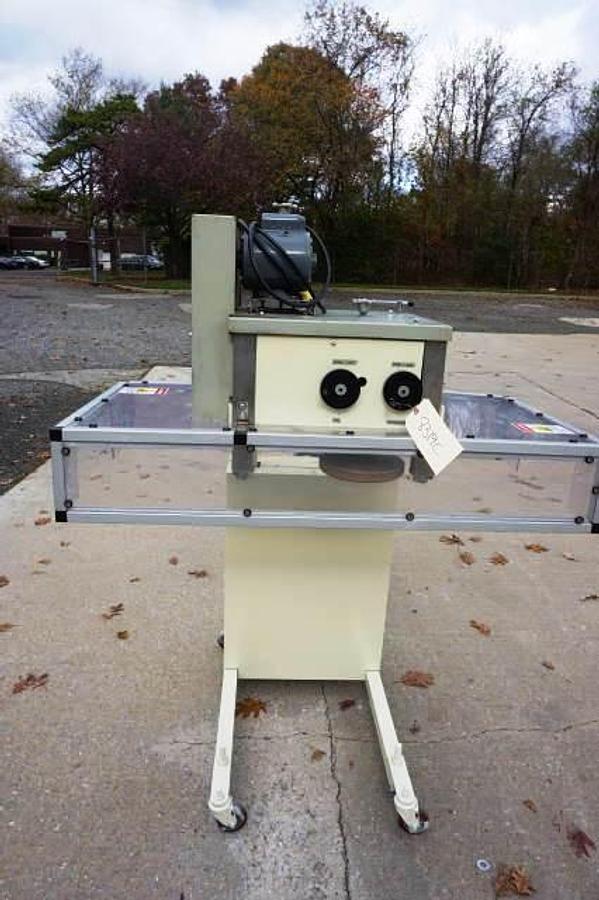
Newman specializes in processing and packaging machinery designed specifically for food and beverage production environments. Their equipment is built with product quality and safety as core priorities, which makes their machines a common choice for facilities that operate under strict sanitary and regulatory requirements. The Newman 4CT Cap Tightener/Retorquer is one example of their product line, a portable unit designed to apply consistent torque to caps during or after the filling process.
Beyond cap tightening, Newman's broader catalog covers the kind of processing and packaging functions that food and beverage lines depend on daily. Buyers sourcing used Newman equipment should look for machines that match their specific line configuration, container type, and throughput requirements. Because these are used machines, each unit may have been configured or modified for a particular application at its previous facility, so a thorough inspection is always recommended before purchase.
What is a cap tightener or retorquer, and why is it used in packaging lines?
A cap tightener, sometimes called a retorquer, is a piece of packaging machinery that applies a precise, consistent torque to screw caps or closures on bottles and containers after they have been initially capped. The goal is to ensure every closure meets the required seal integrity standard, which directly affects product safety, shelf life, and compliance with food safety regulations. Under-torqued caps can lead to leaks, contamination, or spoilage, while over-torqued caps can crack the closure or make the container difficult for consumers to open.
Retorquers are commonly positioned downstream from the primary capper on a filling line, acting as a quality checkpoint and correction step. Portable units, like the Newman 4CT, offer added flexibility because they can be repositioned on the production floor or used across multiple lines without being permanently integrated into a single conveyor system. For facilities running varied container sizes or cap styles, a portable retorquer can be a practical and cost-effective solution compared to a fixed inline unit.
What should buyers evaluate when purchasing used food and beverage packaging machinery?
Buying used packaging machinery for a food or beverage facility requires more scrutiny than a standard capital equipment purchase. The most important starting point is the machine's sanitary design, specifically whether it was built with food-grade materials, smooth welds, and surfaces that can be properly cleaned and sanitized. Machines that were used in non-food applications or that show signs of corrosion, pitting, or damaged seals may not meet current food safety standards without significant refurbishment.
Beyond hygiene, buyers should assess mechanical condition, available spare parts, and the level of support the manufacturer still provides for that model. Older machines may have limited parts availability, which raises long-term maintenance costs and downtime risk. Requesting a full inspection, either in person or via detailed video, is essential. Buyers should also verify that the machine's speed, torque range, container compatibility, and footprint align with their specific line requirements before committing to a purchase.
How does buying used packaging machinery compare to buying new equipment from a manufacturer?
Used packaging machinery typically carries a significantly lower purchase price than buying the same model direct from a manufacturer, often ranging from 30 to 70 percent less depending on age, condition, and demand for that particular machine type. For facilities looking to expand capacity, replace a failed unit quickly, or test a new line configuration without committing to full capital expenditure, used equipment offers a practical path. Lead times can also be much shorter, since used machines are available immediately rather than on a manufacturer's production schedule.
The trade-off is that used machines come without the assurances that accompany a manufacturer purchase. There is no factory warranty, and the machine's service history may be incomplete. This places the responsibility of due diligence squarely on the buyer. Selecting a reputable used equipment dealer with a track record in the food and beverage machinery sector, conducting a thorough inspection, and consulting with the manufacturer about parts and support availability for that specific model are all steps that reduce the risk of a costly mistake.
What does 'sold as-is' mean when buying used industrial machinery, and how should buyers protect themselves?
When used industrial equipment is sold as-is, the seller is making no representations about the machine's condition, functionality, or fitness for a specific purpose. The buyer accepts the machine in whatever state it is in at the time of sale. This is standard practice in the used equipment market, and it reflects the reality that dealers typically cannot run full production tests or guarantee how a machine will perform once it is integrated into a buyer's specific line and environment.
To protect themselves, buyers should prioritize working with dealers who have a long history in the industry and who specialize in the relevant machinery category. Requesting an in-person inspection, a live video walkthrough, or detailed photo and video documentation of the machine's current condition is a reasonable and expected part of the buying process. Buyers should also contact the manufacturer directly to understand what technical support, documentation, and parts are available for the specific model and serial number they are considering. The more information gathered before purchase, the lower the risk of an unpleasant surprise after delivery.
What are the key factors that affect the total cost of owning used packaging machinery?
The purchase price of a used packaging machine is only one part of the actual cost. Total cost of ownership also includes spare parts pricing, parts availability, routine maintenance labor, energy consumption, and the cost of downtime if the machine fails unexpectedly. Older machines or discontinued models can carry high hidden costs if critical components are no longer manufactured and must be fabricated or sourced from specialty suppliers. For high-throughput lines, even a few hours of unplanned downtime can represent significant lost production value.
Buyers should factor in the cost of any refurbishment or reconditioning needed to bring the machine up to their facility's standards, particularly for food and beverage applications where hygiene compliance is non-negotiable. Electrical and control system compatibility is another consideration, especially if the machine uses older PLCs or proprietary software that may require an integrator to update. Getting a realistic picture of these ongoing costs before purchase helps buyers make a more accurate comparison between different machines and avoid equipment that appears inexpensive upfront but proves costly to operate.
How are used packaging machines typically inspected before purchase?
Used packaging machinery inspections generally fall into three categories: in-person visits, live video calls, and pre-recorded video documentation. In-person inspections give the buyer or their technician direct access to the machine, allowing them to check mechanical components, electrical panels, wear points, and overall condition firsthand. When the machine is still installed and running at a production facility, an in-person inspection may also allow the buyer to observe the machine operating under real conditions, which is the most informative scenario possible.
Virtual inspections via video call have become a widely accepted alternative, particularly for buyers who are geographically distant from the machine's location. A thorough video inspection should cover all major mechanical assemblies, visible wear areas, the control panel, any tooling or change parts included with the machine, and ideally a powered-on demonstration if the machine is accessible. It is worth noting that most used equipment dealers do not have active production facilities, so running the machine with actual product is generally not feasible. Buyers should ask specific questions during the inspection and request additional photos or footage of any areas that need closer examination before making a decision.
What shipping and logistics considerations apply when buying used packaging machinery?
Shipping used packaging machinery involves more complexity than standard freight because of the weight, dimensions, and fragility of mechanical and electrical components. Proper packaging is critical to preventing damage in transit. Depending on the size and configuration of the machine, this can range from basic pallet wrapping to full custom crating with blocking and bracing to secure moving parts. The level of packaging required directly affects shipping costs, and buyers should ask the dealer specifically what packaging will be used and what those costs include.
Larger or heavier machines often require specialized rigging for loading at the origin and unloading at the destination. This can involve forklifts, cranes, or riggers with heavy equipment experience, all of which add to the landed cost of the machine. Buyers should get a complete breakdown of all costs, including packaging, rigging, freight, and any required permits for oversized loads, before finalizing a purchase. Understanding the full landed cost upfront prevents budget surprises and allows for accurate comparison between machines that may be located at different distances from the buyer's facility.
What payment terms are typical when purchasing used industrial packaging equipment?
The standard practice among used equipment dealers is to require full payment before the machine is released for shipping. This applies to most transactions, particularly for first-time buyers working with a dealer for the first time. Payment is typically made by wire transfer, though some dealers may accept other forms of business payment. Buyers should confirm accepted payment methods and any associated fees early in the process to avoid delays once a deal is agreed upon.
Some dealers extend payment terms to established customers with a history of repeat transactions, but this is not the norm and should not be assumed. Buyers who need financing for a used equipment purchase typically arrange that independently through equipment lenders or leasing companies before approaching a dealer. Having financing in place before making an offer can also speed up the transaction, which matters when a desirable machine is attracting interest from multiple buyers.
How important is hygienic design when selecting used packaging machinery for food production?
Hygienic design is one of the most critical criteria for any packaging machinery used in food production, and it does not become less important simply because a machine is used rather than freshly manufactured. Equipment used in food environments must be cleanable to a standard that prevents microbial growth, cross-contamination, and product adulteration. Key design features to look for include stainless steel construction, minimal horizontal surfaces where water or debris can collect, accessible components for cleaning, and seals and gaskets that are intact and made from food-safe materials.
When evaluating a used machine, buyers should pay close attention to the condition of welds, the integrity of any food-contact surfaces, and whether the machine has been maintained in a way consistent with food safety requirements. A machine that was previously used in a non-food application, or that shows signs of corrosion, cracked seals, or accumulated residue in hard-to-reach areas, may require significant refurbishment before it can be safely deployed in a food production environment. Consulting with a sanitation engineer or equipment specialist before finalizing a purchase of used food-grade machinery is a practical step that can prevent compliance problems down the line.