Category
Manufacturer
Model
New Way
New Way is recognized for its advanced manufacturing equipment in the fields of packaging and automation. They provide innovative solutions that help streamline production processes for various industries.
FAQ:
What types of packaging equipment does New Way manufacture?
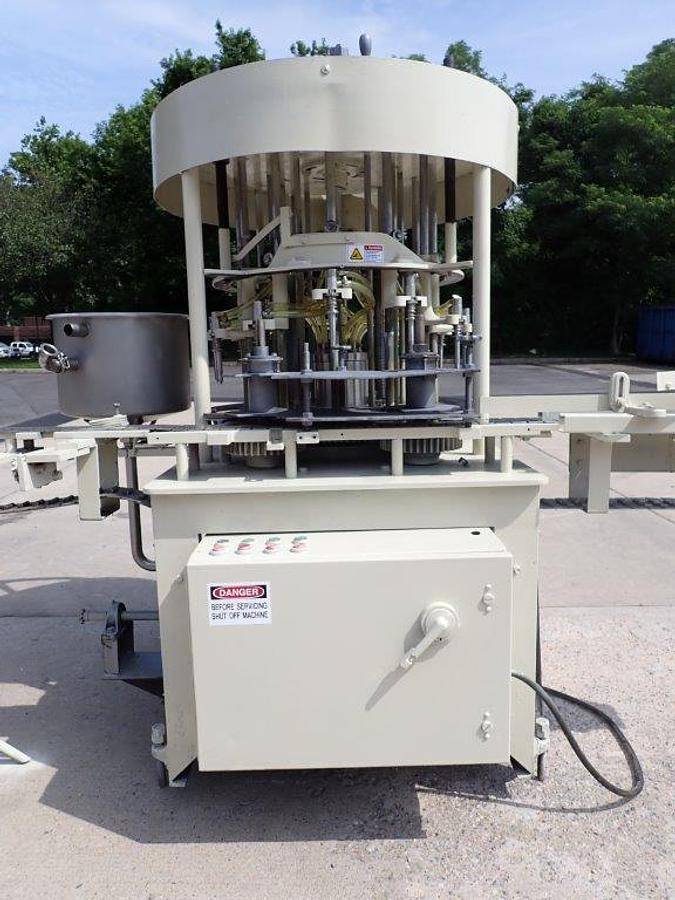
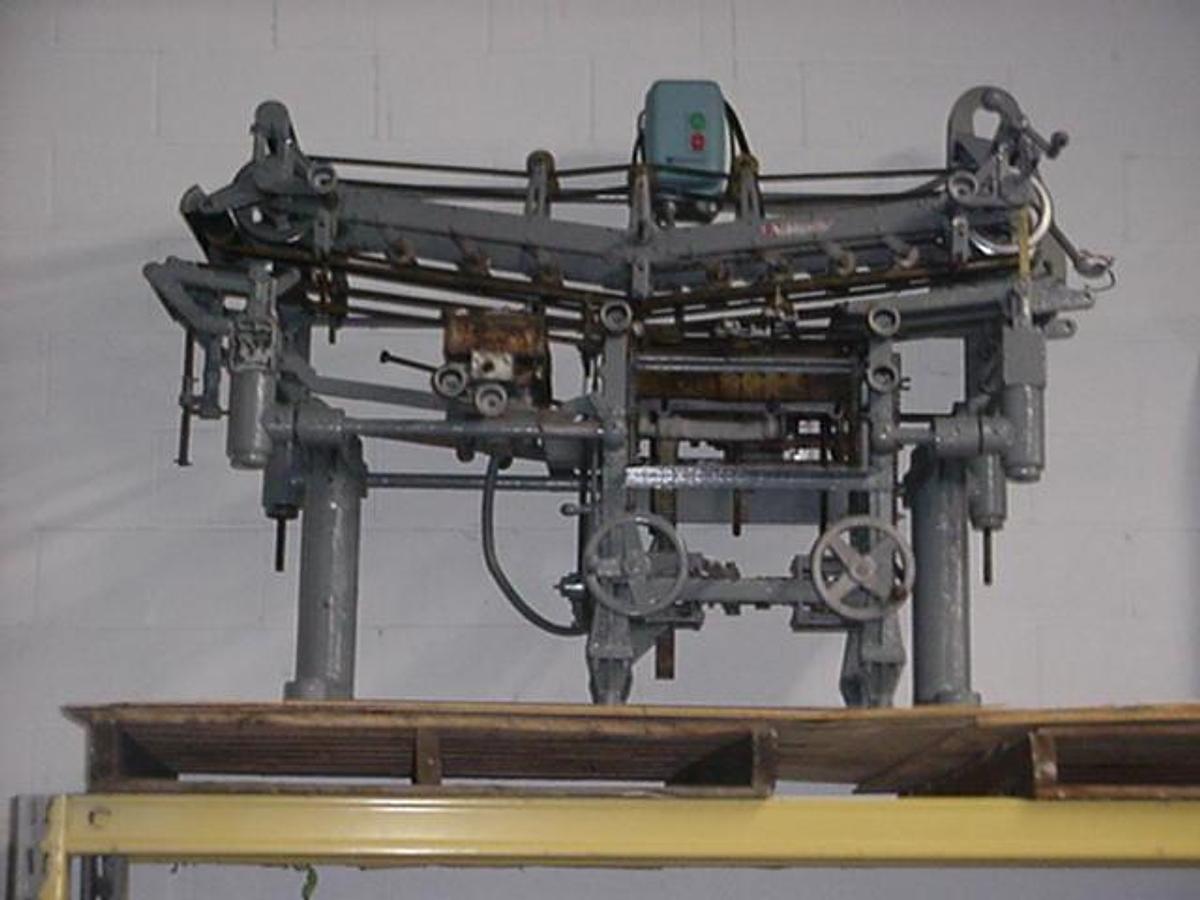
New Way produces machinery focused on packaging and automation, with a strong emphasis on liquid filling and labeling applications. Their product lineup includes rotary pressure gravity liquid filling machines and wraparound glue labelers, among other equipment designed to help manufacturers streamline production lines. The rotary filling machines are built for high-volume liquid packaging operations, while the wraparound labeling systems handle label application for a wide range of container formats.
Beyond these core product categories, New Way is recognized in the industry for applying automation principles to packaging workflows, which makes their equipment a practical fit for food and beverage, personal care, pharmaceutical, and chemical manufacturing environments. Buyers looking at used New Way machines should pay close attention to model specifications, since the equipment spans a range of production speeds, fill volumes, and container compatibility requirements.
What should I know before buying used packaging equipment?
Purchasing used packaging machinery requires a different level of due diligence than buying new capital equipment. Since used machines are sold as-is, the responsibility for evaluating condition falls on the buyer. That means verifying the machine's operating history, asking for any available maintenance records, and requesting a thorough inspection before committing to a purchase. Choosing a dealer who specializes in packaging and processing equipment, rather than a general industrial reseller, gives buyers a better chance of getting accurate technical information about what they're considering.
Beyond the inspection itself, buyers should think carefully about total cost of ownership. The purchase price is only one part of the equation. Maintenance, spare parts availability, energy consumption, and potential downtime all factor into what the machine will actually cost over time. It's also worth contacting the manufacturer directly to understand what level of technical support is available for a specific model and age of machine, since older equipment may have limited parts availability or reduced factory support.
How does a rotary pressure gravity liquid filling machine work?
A rotary pressure gravity filling machine uses a combination of gravity feed and low-level pressure to move liquid product from a central reservoir into containers as they rotate through the filling stations. Containers are indexed onto a rotating turret, where each spout descends or opens to fill the container to a set level before the turret advances to the next position. The number of spouts determines how many containers can be filled per rotation cycle, which directly affects output speed. A 12-spout configuration, for example, allows 12 containers to be filled simultaneously during each cycle, making it well-suited for medium to high production volumes.
This filling method works best with free-flowing, low-viscosity liquids such as water, juices, cleaning solutions, and similar products. The pressure-gravity hybrid design gives operators some control over fill speed and accuracy without requiring the more complex mechanical components found in piston or pump-based fillers. When evaluating a used rotary pressure gravity filler, buyers should inspect the spout assemblies, seals, and the drive mechanism for the turret, as these are the components most subject to wear in daily production.
What is a wraparound glue labeler and what products is it used for?
A wraparound glue labeler applies pressure-sensitive or hot-melt glue-backed labels around the full circumference of a container, typically cylindrical bottles, cans, or jars. The machine feeds labels from a magazine, applies adhesive, and wraps the label around the container in a single continuous motion, creating a 360-degree label presentation. This format is common in beverage, food, personal care, and household chemical packaging where full container coverage is desirable for branding or regulatory labeling requirements.
Glue-applied wraparound labeling tends to be more economical at high production volumes compared to pressure-sensitive label systems, since cut paper or film labels are generally less expensive per unit than pre-die-cut self-adhesive stock. Used wraparound glue labelers can be a cost-effective option for producers who run consistent container formats and high volumes. When inspecting a used machine of this type, buyers should pay particular attention to the glue application system, the label magazine and feed mechanism, and the condition of the container handling components, as these areas see the most wear.
How should buyers inspect used packaging machinery before purchasing?
Inspections of used packaging equipment typically happen in one of three ways: an in-person visit to the dealer's facility or the plant where the machine is currently located, a live video inspection conducted via video call, or a review of pre-recorded video footage of the machine in operation. Each method has trade-offs. An in-person inspection gives the buyer the most complete picture of the machine's physical condition, including frame integrity, wear on moving parts, and the general state of electrical components. Video inspections are a practical alternative when travel isn't feasible and can still reveal a great deal about how the machine runs.
One important limitation to understand is that most used equipment dealers are not set up to run actual production trials with customer product. Running a filling or labeling line requires specific permitting and facility conditions that a resale operation typically doesn't maintain. What a dealer can usually demonstrate is that the machine powers on, cycles correctly, and moves through its operating sequence without obvious mechanical faults. Buyers who need product-level testing may need to arrange that separately, sometimes at the original owner's facility if the machine is still in place and the seller can facilitate access.
What factors affect the price of used packaging equipment?
Several variables drive the price of used packaging machinery. Age and condition are the most obvious, but model specification matters just as much. A high-speed rotary filler with a larger number of spouts commands a higher price than a lower-output version of the same machine, regardless of age, because the production capacity directly translates to revenue potential for the buyer. Brand reputation also plays a role, since equipment from manufacturers known for build quality and parts availability tends to hold its resale value better over time.
Market demand at any given time affects pricing as well. Certain categories of packaging equipment, particularly liquid filling lines and labeling systems, see strong demand from food, beverage, and personal care manufacturers, which can keep prices relatively firm even on older machines. Buyers should also factor in the cost of any refurbishment or upgrades needed after purchase, freight and rigging expenses, and the cost of installation and commissioning at their facility. Getting a clear picture of the total landed and installed cost, not just the asking price, is the right way to evaluate whether a used machine represents good value.
What are typical payment terms when buying used industrial packaging equipment?
Most used equipment dealers require full payment before the machine ships. This is standard practice in the industry and reflects the fact that used machinery transactions typically don't involve the financing infrastructure that exists for new capital equipment purchases. Buyers should expect to wire funds or arrange another agreed-upon payment method before the dealer releases the equipment for shipment. Some dealers may offer payment terms to established repeat customers, but this is the exception rather than the rule for first-time transactions.
Buyers who need financing have several options to explore independently, including equipment financing companies, SBA loans, and leasing arrangements through third-party lenders. Arranging financing in advance before making an offer on a specific machine puts buyers in a stronger position and avoids delays once a purchase agreement is reached. It's also worth confirming with the dealer exactly what documentation will accompany the sale, such as any available manuals, wiring diagrams, or prior service records, since these materials have real value when it comes time to install, operate, or service the equipment.
How is used packaging equipment typically shipped, and what are the costs involved?
Shipping costs for used packaging machinery vary considerably based on the size and weight of the equipment, the distance involved, and the level of packaging or crating required to protect the machine in transit. Smaller benchtop or semi-automatic machines may ship on a standard pallet via freight carrier, while larger automated filling or labeling lines often require custom wooden crates or skids built specifically to secure the machine's components. The more substantial the packaging requirements, the higher the freight cost.
Larger machines frequently require rigging services for loading at the origin and unloading at the destination. Rigging involves specialized equipment such as forklifts, cranes, or machinery skates, and the cost is typically separate from the freight charge itself. Buyers should ask the dealer for a detailed breakdown of all shipping-related costs before finalizing a purchase, including palletization or crating fees, rigging at origin, freight, and any rigging required on the receiving end. Understanding the full landed cost of the equipment at the buyer's facility is essential for accurate budgeting.
How do I evaluate whether a used filling machine is the right fit for my production line?
Matching a used filling machine to a production line requires looking at several technical parameters in combination. Fill volume range is the starting point: the machine needs to handle the smallest and largest container sizes in your product lineup. Production speed, expressed in containers per minute or per hour, needs to align with your line's throughput requirements. The filling principle matters too, since pressure gravity fillers work well for free-flowing liquids but are not suited for viscous products like gels, creams, or chunky sauces, which require different fill mechanisms.
Container format compatibility is another factor that's easy to overlook. Changeover parts such as spout holders, guide rails, and star wheels are often specific to container diameter and height ranges, and used machines may or may not come with a full complement of change parts for different sizes. Buyers should confirm what sizes the machine is currently set up for and whether additional tooling is available or needs to be fabricated. Consulting with a packaging equipment specialist or the machine's manufacturer before purchase can help avoid situations where a machine is technically functional but requires significant additional investment to run the intended product.
What questions should I ask a used packaging equipment dealer before buying?
A few key questions can reveal a lot about both the machine and the dealer. Ask how long the dealer has been selling packaging equipment specifically, since industry specialization matters when it comes to accurate machine descriptions and honest condition assessments. Ask where the machine came from, whether it was in active production until recently or has been sitting in storage, and whether any documentation such as manuals or maintenance records is available. Request an inspection, either in person or via video, and pay attention to how the dealer responds. A reputable dealer will accommodate reasonable inspection requests without hesitation.
On the technical side, ask whether the machine is complete with all guards, controls, and change parts, or whether any components are missing. Ask what the machine was running in its previous application, since a filler used for water behaves very differently than one that ran aggressive cleaning chemicals, and residue or corrosion from prior use can affect longevity. Finally, ask the dealer to walk through the shipping and payment process in detail so there are no surprises. Understanding the full scope of what you're buying, what it will cost to get it to your facility, and what support the dealer can offer after the sale are the three things that separate a good used equipment purchase from a problematic one.