Category
Manufacturer
Model
New Jersey Machine Co.
New Jersey Machine Co. is a well-established manufacturer of precision machining equipment, serving various industries, including aerospace and automotive. They are known for their high-quality CNC machines and custom fabrication services.
FAQ:
What types of equipment does New Jersey Machine Co. manufacture?
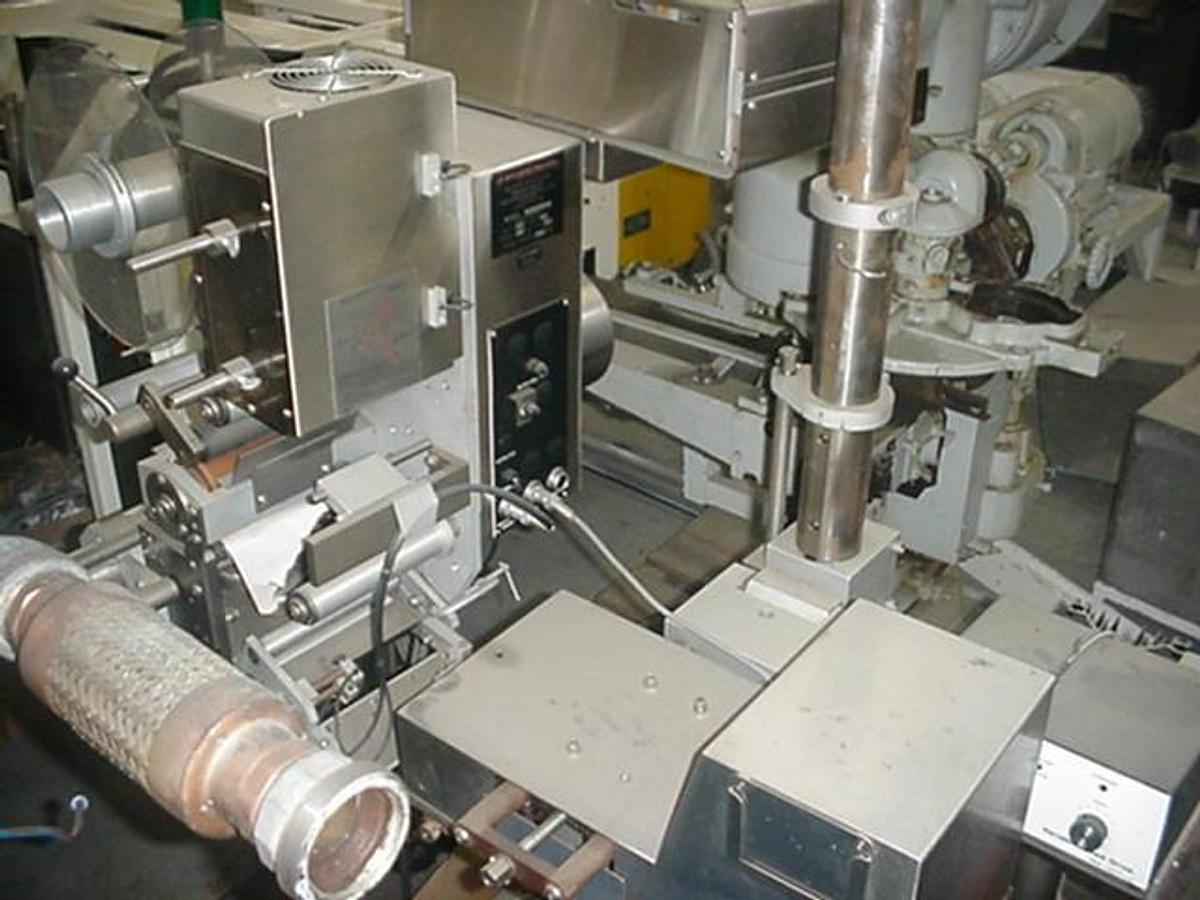
New Jersey Machine Co. is a well-established manufacturer of precision machining and labeling equipment, with a product line that has served industries including aerospace, automotive, packaging, pharmaceutical, food and beverage, and cosmetics. The company is known for CNC machines, custom fabrication equipment, and labeling systems such as the Model 304 Labelling Head for Strip Stamp applications. Their labeling machinery in particular has found long-term use in production environments where consistent, repeatable label application is critical to quality control and regulatory compliance.
Because the company has a long operating history, much of the equipment available on the secondary market today is surplus or vintage industrial machinery. Buyers from packaging and manufacturing backgrounds frequently seek out these machines as cost-effective alternatives to purchasing current-production equipment. When evaluating any specific unit, it is worth confirming the model number to assess compatibility with your label sizes, container types, and required production speeds, since specifications can vary meaningfully across different models and production runs.
What should I know before buying used New Jersey Machine Co. equipment?
Buying used industrial machinery requires more due diligence than purchasing current-production equipment, and New Jersey Machine Co. units are no exception. The first step is identifying the exact model number, which determines the machine's intended application, label compatibility, container geometry, and production throughput. A Model 304 Labelling Head, for example, is designed for strip stamp applications, and using it outside that purpose without modification may produce poor results. Confirming that the machine suits your specific production requirements before purchase saves significant time and cost.
Beyond application fit, buyers should evaluate the mechanical condition of the unit carefully. Used equipment is typically sold as-is, meaning the responsibility for assessing working order falls on the buyer. Requesting an in-person inspection, a video walkthrough, or detailed photographs of critical components is standard practice and any reputable dealer should accommodate these requests. It is also worth contacting the manufacturer directly to understand what level of parts availability and technical support still exists for the specific model, since older machines may have limited or discontinued parts support.
Can I inspect used New Jersey Machine Co. equipment before purchasing?
Inspections are a standard part of buying used industrial equipment, and most reputable dealers will accommodate them in some form. Options typically include in-person visits to the dealer's facility, virtual walkthroughs conducted over video call, or pre-recorded video documentation of the machine's condition and any operational demonstration the dealer can provide. For equipment that is still installed and running at a production facility, some dealers can arrange access to the plant so buyers can observe the machine in an active environment, which provides the most accurate picture of its current working order.
It is important to understand that even when a machine can be demonstrated running, most equipment dealers do not have the permitting or production infrastructure to run actual product through a labeling or machining line. Demonstrations may confirm that the machine powers on and cycles correctly, but full production testing under real-world conditions is generally not possible in a dealer setting. This makes a thorough visual inspection of mechanical components, drive systems, and control interfaces especially valuable. Buyers should come prepared with a checklist of the specific components most critical to their application and ask pointed questions about any wear, repairs, or modifications the machine has undergone.
What industries commonly use New Jersey Machine Co. labeling machines?
New Jersey Machine Co. labeling equipment has historically served a broad range of industries where accurate, high-speed label application is a production requirement. The pharmaceutical industry relies on labeling machines for applying regulatory and dosage information to bottles, vials, and packaging. Food and beverage producers use them for product identification and compliance labeling on containers of varying shapes and sizes. Cosmetics manufacturers depend on precise label placement for brand presentation on round and irregular containers. Packaging operations across all of these sectors value the consistency and repeatability that purpose-built labeling equipment provides over manual application.
Automotive and aerospace applications tend to lean more toward the precision machining side of the company's product range, where tight tolerances and custom fabrication capabilities are the primary draw. Across all of these industries, buyers purchasing used New Jersey Machine Co. equipment are typically looking to expand production capacity, replace aging machinery, or build out a line at a lower capital cost than purchasing current-production alternatives. The wide industry footprint of this equipment means that used units appear regularly in the secondary market, giving buyers reasonable options for sourcing specific models.
How is used industrial labeling equipment typically priced?
Pricing for used labeling equipment varies considerably based on model, age, mechanical condition, and the level of testing or refurbishment the seller has performed. Basic units in as-is, untested condition will generally carry the lowest price, reflecting the unknown element of their working order. Machines that have been inspected, cleaned, and confirmed operational by the dealer typically command a higher price, and units that have been refurbished with replaced wear components can approach a meaningful premium over raw as-is pricing. The specific application the machine is designed for also affects value, since models suited to high-demand industries like pharmaceuticals or cosmetics tend to hold price better than more specialized or narrow-use configurations.
Buyers should also factor in the total landed cost of the equipment, not just the purchase price. Shipping, crating or palletization, and rigging for loading and unloading can add meaningfully to the final cost, particularly for heavier or larger machines. Getting a clear breakdown of all associated costs from the dealer before committing to a purchase is the most reliable way to compare options accurately. In some cases, sourcing a slightly higher-priced machine from a dealer who includes proper packaging and transparent shipping costs can result in a lower total cost than a cheaper listing with unclear logistics.
What are the shipping and logistics considerations for used industrial machinery?
Shipping used industrial equipment is more involved than standard freight because machinery is heavy, often irregularly shaped, and vulnerable to damage if not properly secured. Dealers typically offer varying levels of packaging, from basic palletization to full custom crating, and the cost will reflect the level of protection required for the specific machine. Larger or heavier equipment may require professional rigging services for loading at the origin and unloading at the destination, which adds to the total logistics cost. Buyers should ask the dealer specifically what packaging is included in the quoted price and what rigging, if any, will be needed on their end.
Understanding the full landed cost before purchase is critical. A machine listed at an attractive price can become a poor value if unexpected freight, crating, or rigging charges are not accounted for. Buyers should request a detailed quote that breaks out the purchase price, packaging costs, freight charges, and any rigging fees separately. For international shipments, customs documentation and import duties add another layer of cost and complexity. Confirming these details in writing before payment protects both parties and prevents surprises at delivery.
What payment terms should buyers expect when purchasing used equipment from a dealer?
Most used equipment dealers require full payment before the machine ships. This is standard practice in the industry and reflects the fact that once a machine leaves a dealer's facility, verifying its condition becomes difficult. Payment in full prior to shipping protects the dealer against non-payment disputes and is a well-understood convention that experienced industrial buyers anticipate. Some dealers may offer extended terms to established customers with a purchase history, but first-time buyers should expect to pay in full upfront.
Accepted payment methods vary by dealer but commonly include wire transfer, certified check, and in some cases credit card for smaller purchases. Buyers should confirm accepted payment methods early in the process to avoid delays. It is also worth clarifying whether a deposit is required to hold a machine while inspection or logistics arrangements are being finalized, since popular models can sell quickly. Getting a written invoice that clearly states the purchase price, any additional fees, and the payment terms before transferring funds is a basic but important step in any used equipment transaction.
Are technical manuals or documentation typically available with used industrial equipment?
Documentation availability with used industrial equipment is inconsistent and largely depends on how the machine was acquired and how long it has been out of active service. Some dealers acquire equipment directly from production facilities where maintenance records, operator manuals, and parts lists were kept with the machine and transfer with the sale. In other cases, equipment changes hands multiple times or sits in storage, and documentation is lost along the way. Buyers should ask the dealer directly what documentation is included and verify this before finalizing the purchase.
When documentation is not available from the dealer, there are still options worth pursuing. Contacting the manufacturer directly is a reasonable first step, as some companies maintain archives of manuals for older models or can direct buyers to authorized service resources. Online industrial forums, machinery user communities, and trade associations sometimes maintain libraries of documentation for legacy equipment. For machines that will be integrated into a regulated production environment, having accurate documentation is not just convenient but may be a compliance requirement, so confirming availability early in the buying process is time well spent.
How do buyers assess the remaining useful life of a used labeling or machining unit?
Estimating remaining useful life on used industrial equipment is less about a fixed number and more about understanding the machine's history, condition, and the availability of replacement parts. Key indicators include the hours of operation if a meter is present, visible wear on mechanical components like guides, belts, and drive systems, the condition of the control interface, and whether any major components have been replaced or repaired. A machine with moderate hours but well-maintained mechanicals and a documented service history can have substantially more useful life ahead of it than a lower-hour unit that was poorly maintained or improperly stored.
Parts availability is a factor that buyers sometimes overlook until a critical component fails. For older models, some parts may no longer be manufactured, which means sourcing replacements requires finding used parts or having components machined to specification. Before purchasing, it is worth contacting the manufacturer or a knowledgeable technician to understand which components are most likely to need attention over time and whether those parts are still available. Choosing equipment from a manufacturer with a strong service network or an active aftermarket parts ecosystem reduces long-term risk considerably.
How does buying used industrial equipment compare to purchasing current-production machinery?
The primary advantage of used industrial equipment is cost. A used labeling machine or CNC unit from a reputable manufacturer can be acquired for a fraction of what current-production equipment costs, which makes it an attractive option for businesses managing capital budgets carefully or building out a secondary production line. For well-built machinery from established manufacturers, the mechanical quality is often comparable to what is available today, particularly for straightforward applications that do not require the latest control technology or automation features.
The trade-offs are real, though. Used equipment comes without the support structure that accompanies a new purchase, including technical support agreements, software updates for modern control systems, and access to a full parts supply chain. Buyers take on more responsibility for understanding the machine's condition, sourcing parts, and arranging installation support. This makes selecting a reputable dealer with deep knowledge of the specific equipment category especially important. A dealer who specializes in the relevant machinery type and has a track record in the industry can provide meaningful guidance on condition and fit, which reduces the risk that comes with buying equipment as-is.