Category
Manufacturer
Model
Nafm
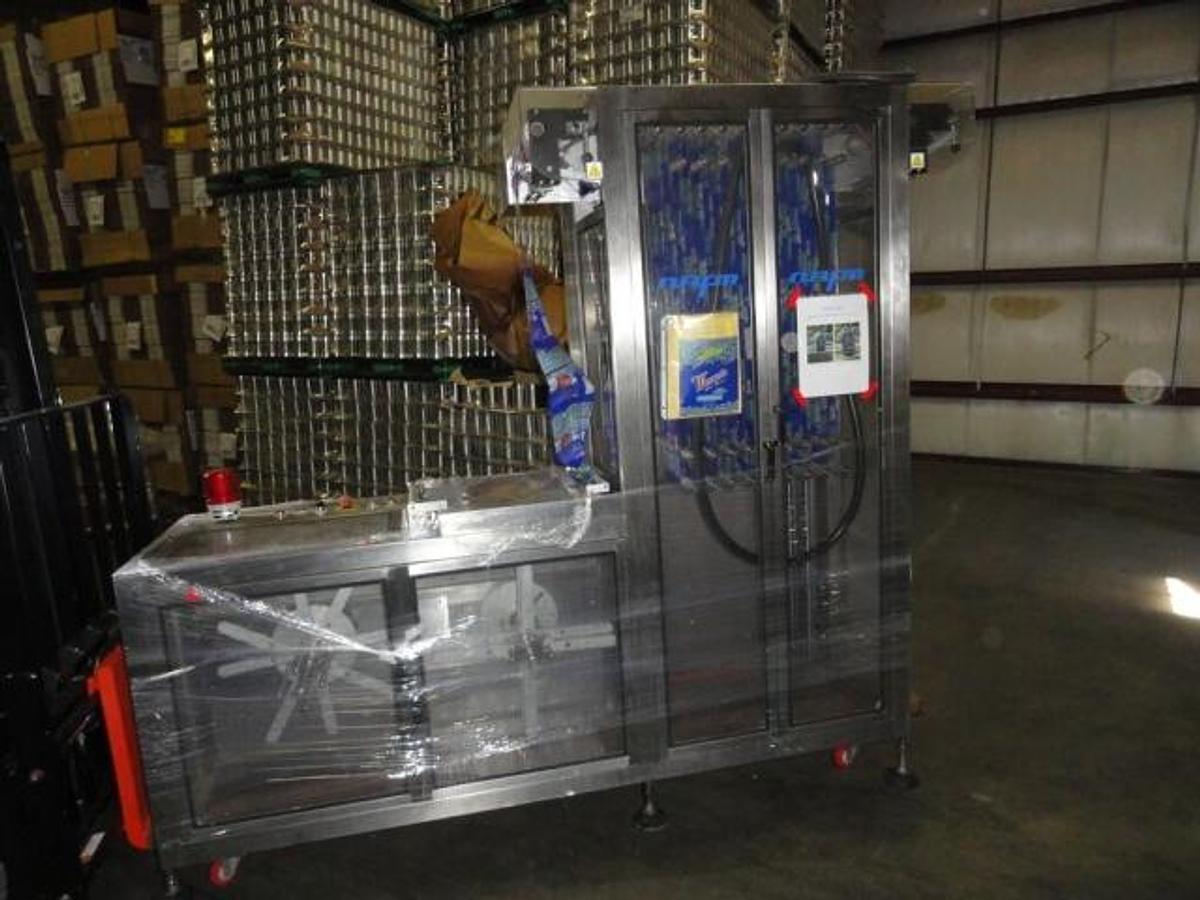
Nafm is a company that specializes in manufacturing equipment for various production lines, particularly in the food and beverage industry. They are known for their innovative solutions in packaging and processing machinery, which enhance efficiency and productivity for their clients.
FAQ:
What is a NAFM shrink labeling machine and what does it do?
A NAFM shrink labeling machine is a piece of packaging equipment designed to apply full-body or partial sleeve labels to containers by using heat to shrink a pre-printed film label tightly around the product. The NAFM LX-350, for example, is a full-body sleeve machine built for production lines where 360-degree label coverage is required. These machines are commonly used in the food and beverage, cosmetics, pharmaceutical, and household products industries, where brands want labels that conform precisely to the shape of the container rather than relying on pressure-sensitive or paper labels.
The process works by feeding a sleeve of shrink film material over the container, then passing it through a steam or hot air tunnel that activates the shrink and pulls the label snugly against the surface. NAFM machines are manufactured with a focus on packaging and processing efficiency, and they are well-regarded in production environments where consistent label placement and throughput matter. Used NAFM shrink labelers are available through industrial machinery dealers for operations looking to add sleeve labeling capability without the cost of purchasing a machine direct from the manufacturer.
What types of shrink sleeve materials are compatible with NAFM shrink labeling machines?
NAFM shrink labeling machines are generally compatible with the most widely used shrink sleeve film materials in commercial packaging, including PVC (polyvinyl chloride), PET (polyethylene terephthalate), and OPS (oriented polystyrene). Each material has different shrink characteristics, and the right choice depends on the container shape, the degree of shrink required, and any environmental or regulatory considerations. PVC has historically been the most common due to its low cost and ease of processing, while PET is preferred in applications where recyclability is a priority. OPS offers a high degree of clarity and is often chosen for food-grade applications.
When evaluating a used NAFM machine, buyers should confirm which film types the specific model was configured to run, since tunnel temperature settings and film feed mechanisms may be calibrated for a particular material. If a production line needs to switch between film types, it is worth discussing with the seller whether the machine has adjustable settings to accommodate that flexibility. Consulting the NAFM manufacturer directly can also help clarify which materials a given model and age of machine was designed to handle, and whether replacement parts or technical support are still available for that configuration.
What bottle sizes and container shapes are compatible with NAFM shrink labeling machines?
NAFM shrink labeling machines are designed to handle a range of container sizes and profiles, which is one of the reasons they are popular across multiple industries. Cylindrical bottles are the most straightforward to run on sleeve labelers, but many NAFM models can also accommodate tapered, oval, square, and irregularly shaped containers, since the heat-shrink process allows the label film to conform to non-standard geometries. Container diameter and height ranges vary by model, so it is important to review the specifications of a particular machine to confirm it fits the containers in your production line.
For used NAFM machines, buyers should request detailed spec sheets or ask the seller to clarify the minimum and maximum container dimensions the machine was set up to run. Some machines may have tooling or guide components that were configured for a specific bottle format, and changing formats could require additional parts or adjustments. If the machine is still in production at the facility where it is being sold, arranging an in-person or video inspection gives buyers a direct look at what container types it has been running, which is one of the most reliable ways to assess compatibility before purchase.
What is the typical labeling speed or output rate for NAFM shrink labeling machines?
Labeling speed on NAFM shrink sleeve machines varies depending on the specific model, the container size, and the film material being used. Semi-automatic models are generally suited for lower-volume operations and may handle anywhere from a few hundred to around a thousand containers per hour, while fully automatic configurations are built for higher-throughput production environments and can process significantly more. The NAFM LX-350 full-body sleeve machine is positioned as a production-grade unit, meaning it is intended for operations where consistent, repeatable output at meaningful volumes is required.
When evaluating a used NAFM machine, actual throughput can be influenced by factors like the condition of the drive components, the state of the film feed system, and how well the machine has been maintained over its service life. Buyers should ask sellers about the machine's production history and, where possible, request a video of the machine running to observe its speed and consistency firsthand. It is also worth noting that overall line speed is partly determined by the shrink tunnel paired with the labeler, so the two components need to be matched appropriately to avoid bottlenecks.
Does a NAFM shrink labeling machine come with a steam or heat tunnel, or is that sold separately?
Shrink sleeve labeling machines and shrink tunnels are typically separate pieces of equipment, and this is true for NAFM machines as well. The labeling machine handles the sleeve application, cutting the film to length and placing it over the container, while the tunnel (steam or hot air) is what actually activates the shrink to conform the label to the container's shape. In a complete production line, both pieces need to be present and properly matched in terms of throughput speed and tunnel length to achieve consistent results.
When purchasing a used NAFM shrink labeler, buyers should clarify with the seller whether a tunnel is included in the listing or available separately. In some cases, used equipment is sold as a complete line with both components, while in others only the labeler itself is available. If a tunnel is not included, buyers will need to source one separately and ensure it is compatible with the film type and container dimensions they plan to run. Discussing the full scope of what is included in the sale, along with any additional components needed to make the line operational, is an important step before finalizing a purchase.
Are used NAFM shrink labeling machines suitable for small businesses or only large-scale production?
NAFM produces both semi-automatic and fully automatic shrink labeling machines, which means the brand's equipment covers a fairly wide range of production scales. Semi-automatic models require more operator involvement and are a practical fit for smaller operations, contract packagers, or businesses that are adding sleeve labeling capability for the first time without committing to a high-speed automated line. Fully automatic models are built for higher-volume environments where labor efficiency and consistent output are priorities.
For small businesses considering a used NAFM machine, the key is matching the machine's configuration and speed to actual production requirements. Buying a fully automatic, high-speed machine for a low-volume operation can mean paying for capacity that never gets used, while a semi-automatic machine may be a better fit both operationally and financially. Used machines offer a cost advantage over purchasing equipment direct from a manufacturer, which can make sleeve labeling accessible to smaller operations that might otherwise find the capital cost prohibitive. Working with a reputable used equipment dealer who specializes in packaging machinery is a practical way to find a machine that fits the scale of the business.
What should buyers inspect when evaluating a used NAFM shrink labeling machine?
Evaluating a used shrink labeling machine requires looking at both the mechanical condition and the operational history of the equipment. Key areas to inspect include the film feed and cutting mechanism, the drive system, the condition of the conveyor components, and any electronic controls or sensors. Wear on the cutting blade and film guides is common on machines with significant run time, and these parts should be assessed carefully since they directly affect label placement accuracy. Asking the seller for maintenance records or any documentation of past repairs gives additional context on how the machine was cared for.
Most reputable used equipment dealers will accommodate in-person inspections or provide detailed video walkthroughs of the machine in its current state. If the machine is still installed at a production facility, it may be possible to observe it running, which is one of the most informative ways to assess condition. Keep in mind that dealers typically do not have the permitting or production setup to run actual product through a machine on their premises, so the inspection is generally focused on mechanical condition rather than a full production test. Buyers should also contact NAFM directly to understand what level of technical support, documentation, and parts availability they can expect for the specific model and age of machine being considered.
What is the price range for used NAFM shrink labeling machines?
Pricing for used NAFM shrink labeling machines varies based on the model, age, configuration, and overall condition of the equipment. Semi-automatic models in good working condition tend to be priced lower than fully automatic, high-speed units. Machines that include additional components like a shrink tunnel or infeed conveyor will naturally carry a higher price than a standalone labeler. The NAFM LX-350 full-body sleeve machine is a production-grade unit, and pricing for used machines in this category typically reflects the complexity and capability of the equipment.
Buyers should also factor in costs beyond the purchase price when calculating the total investment. Shipping a piece of industrial packaging equipment requires careful crating and, for larger machines, heavy-duty rigging for loading and unloading, all of which add to the landed cost. Requesting a detailed quote from the seller that covers packaging, freight, and any rigging fees gives a clearer picture of the true cost before committing. Since used equipment is sold as-is, buyers should weigh the purchase price against the inspection findings and any refurbishment that may be needed to bring the machine to the desired operating condition.
What should buyers know about shipping a used NAFM shrink labeling machine?
Shipping industrial packaging machinery like a NAFM shrink labeler involves more logistical planning than standard freight shipments. The machine needs to be properly secured and packaged to prevent damage in transit, which typically means palletizing at a minimum and crating for longer distances or more sensitive components. The level of packaging required affects the shipping cost, and buyers should ask the seller specifically how the machine will be prepared for transport. Larger or heavier machines may also require specialized rigging equipment for loading at the origin and unloading at the destination, which is an additional cost that should be factored into the total budget.
Buyers should request a complete breakdown of all shipping-related costs from the seller before finalizing the purchase, including packaging, freight, and any rigging or lift gate fees. Understanding the full landed cost of the machine is essential for accurate budgeting. It is also worth confirming whether the buyer is responsible for arranging their own freight carrier or whether the seller handles logistics. For international shipments, customs documentation and import duties add another layer of complexity that should be addressed early in the process to avoid delays.
What are typical payment terms when buying a used NAFM shrink labeling machine from a dealer?
Used equipment dealers in the packaging machinery space generally require full payment before a machine is released for shipping. This is standard practice across the industry and reflects the nature of selling pre-owned industrial equipment, where the transaction is typically final once the machine leaves the seller's facility. Buyers should expect to complete payment in full prior to any shipping arrangements being made. Some dealers may offer payment terms to established customers with a prior purchasing history, but this is not the norm for first-time buyers.
Accepted payment methods vary by dealer but commonly include wire transfer, certified funds, or other arrangements agreed upon in advance. Buyers should clarify payment expectations early in the conversation and confirm all terms in writing before proceeding. Since used machinery is sold as-is, the inspection phase is the appropriate time to resolve any questions about condition, not after payment has been made. Taking the time to thoroughly evaluate the machine through available inspection options, whether in person or via video, is the most practical way to make a confident purchase decision.