Category
Manufacturer
Model
Multi-Conveyor
Multi-Conveyor specializes in designing custom conveyor systems for various manufacturing sectors, including food and packaging. Their solutions are aimed at improving workflow and operational efficiency.
FAQ:
What types of Multi-Conveyor systems are typically available on the used equipment market?
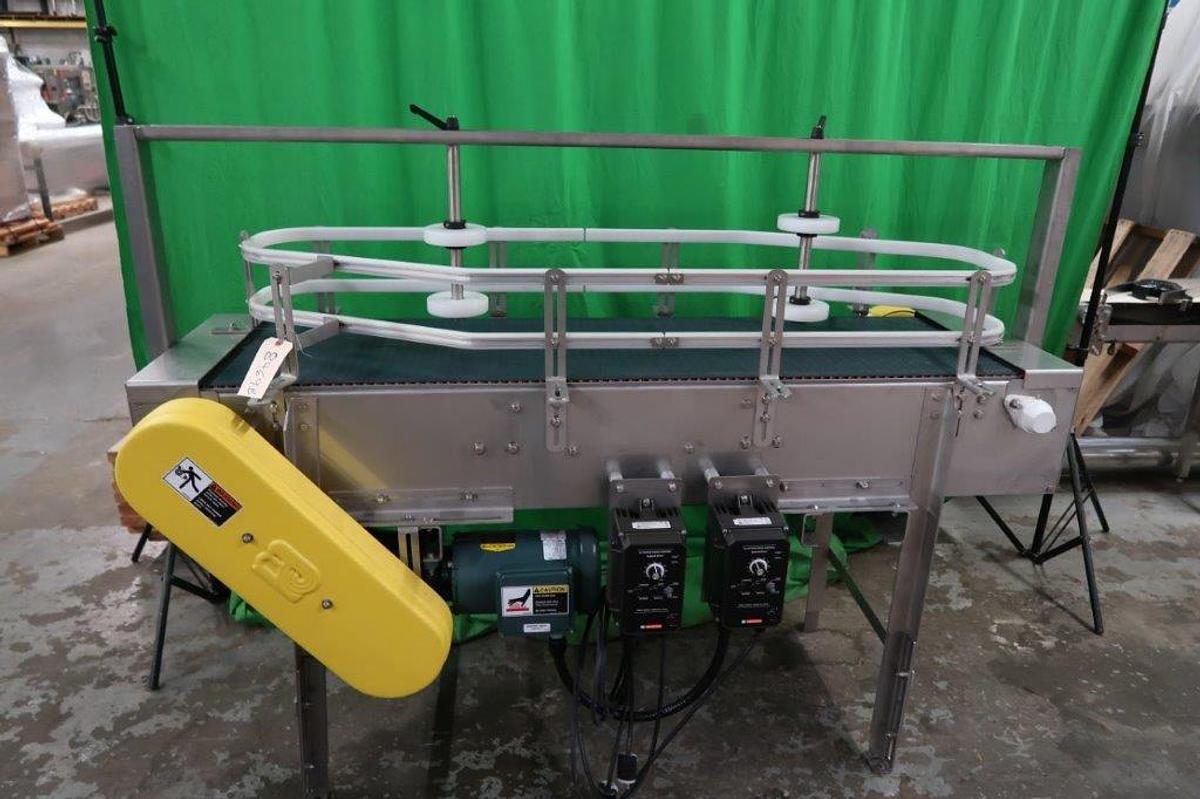
Multi-Conveyor produces a range of conveyor configurations designed for different production environments. Common types found on the used market include belt conveyors, roller conveyors, chain conveyors, overhead conveyors, and accumulation conveyors. Each type is suited to different product weights, sizes, and throughput demands. For example, belt conveyors handle lighter packaged goods well, while chain conveyors are better suited for heavier loads or products that require positive drive. Dual-lane and loop-style conveyors, like the stainless steel variable-speed models that appear in used equipment inventories, are particularly popular in food and packaging lines where continuous flow and sanitation are priorities.
Because Multi-Conveyor specializes in custom-built systems, used units on the market often reflect very specific prior applications. A machine might be configured with a particular lane width, belt material, or speed range that was tailored to a previous facility. Buyers should review available specifications carefully and, where possible, consult with the selling dealer to understand the machine's prior use, since that context helps predict how well it will translate to a new production environment.
What industries are Multi-Conveyor systems best suited for?
Multi-Conveyor systems are widely used across food processing, beverage production, pharmaceutical manufacturing, and consumer goods packaging. The company has built a strong reputation in food and packaging sectors specifically, where sanitary construction, variable speed control, and the ability to handle delicate or irregularly shaped products are critical. Stainless steel construction, which appears frequently in used Multi-Conveyor listings, is a standard requirement in food-grade environments because it resists corrosion and can withstand repeated washdowns.
Beyond food and packaging, these systems also appear in general manufacturing and distribution settings where products need to move between workstations, accumulate before a downstream process, or be diverted across multiple lanes. The modular nature of Multi-Conveyor equipment makes it adaptable to a range of facility layouts, which is part of why used units retain value and find buyers across different industries. Buyers from industries outside the machine's original application should assess whether the conveyor's belt material, load capacity, and speed range are compatible with their own products before purchasing.
What should buyers look for when inspecting a used Multi-Conveyor system?
A thorough inspection is the most important step in purchasing any used conveyor system. Key areas to examine include the condition of the belt or chain (look for fraying, cracking, or uneven wear), the state of the drive motor and gearbox, the integrity of the frame and side rails, and the functionality of any variable speed controls or sensors. On stainless steel units, check for pitting or corrosion that could indicate exposure to harsh cleaning chemicals over time. Electrical components, including control panels and wiring, should also be reviewed since these can be costly to repair or replace.
Most reputable used equipment dealers will offer in-person inspections, virtual walkthroughs, or video documentation of the machine. If the equipment is still installed at the facility where it was used, there may be an opportunity to see it operating under production conditions, which gives the clearest picture of its current state. Keep in mind that dealers generally do not have the permits or production infrastructure to run live product tests at their own locations, so a plant-based inspection is particularly valuable when available. Buyers should ask detailed questions about the machine's maintenance history and reason for decommissioning, as that context is often just as informative as a visual review.
How does buying a used Multi-Conveyor system compare to purchasing a brand-new unit?
The most significant advantage of buying used is cost. A used Multi-Conveyor system can be acquired at a fraction of the price of a comparable custom-built unit ordered directly from the manufacturer. Lead times are another factor: custom conveyor systems can take months to engineer and manufacture, while used equipment is available immediately. For operations that need to expand capacity quickly or replace a failed system, that difference in timeline can be critical.
The trade-offs are real, though. Used machines are sold as-is, without the coverage that comes with a factory purchase. The buyer takes on responsibility for verifying the machine's condition through inspection, and there is no coverage if issues emerge after the sale. Parts availability can also vary depending on the age and model of the unit, so it is worth contacting the manufacturer before purchasing to understand what support and replacement components are accessible for that specific machine. Selecting a dealer with a long track record in industrial equipment and a specialty in conveyor systems helps reduce risk considerably, since experienced dealers tend to be more accurate in their descriptions and more transparent about a machine's history.
What is the typical price range for a used Multi-Conveyor system?
Pricing on used Multi-Conveyor systems varies widely based on the type of conveyor, its size, configuration, age, and overall condition. Smaller single-lane belt conveyors in good working order might be found in the low thousands of dollars, while larger, more complex systems such as dual-lane loop conveyors with variable speed drives and stainless steel construction can run significantly higher, sometimes into the tens of thousands. The prior application matters too: food-grade stainless units with sanitary features tend to command higher prices on the used market because of their broader applicability and the cost of stainless fabrication.
Buyers should think beyond the purchase price and account for total landed cost. Shipping a conveyor system involves more than standard freight. Depending on the size and weight of the unit, rigging equipment may be required for loading and unloading, and the machine may need custom crating or palletization to prevent damage in transit. These costs can add meaningfully to the final figure. Getting a detailed quote from the dealer that breaks out the equipment price, packaging, rigging, and freight separately is the best way to understand what the machine will actually cost to put into service.
Can a used Multi-Conveyor system be modified to fit a different facility layout than its original installation?
Multi-Conveyor systems are generally built with modular components, which means sections can sometimes be reconfigured, shortened, or extended depending on the specific model and how it was originally constructed. This is one reason used Multi-Conveyor equipment tends to attract buyers even when their facility dimensions differ from the machine's prior installation. That said, the degree of flexibility depends heavily on the individual unit. A straight single-lane belt conveyor is much easier to adapt than a complex loop system with integrated turns, diverters, and controls.
Before purchasing with the intent to modify, buyers should obtain detailed drawings or specifications from the dealer and, if possible, consult with a conveyor integrator or the manufacturer's service team to assess feasibility. Modifications may require additional components, motor adjustments, or control reprogramming, all of which add cost and time. Understanding the machine's original configuration thoroughly before committing to a purchase is the best way to avoid surprises during installation.
What are the installation requirements for a used Multi-Conveyor system?
Installation requirements depend on the size, weight, and complexity of the specific conveyor system being purchased. At a basic level, the facility needs adequate floor space with appropriate load-bearing capacity, electrical service that matches the conveyor's motor specifications (voltage, phase, and amperage), and sufficient clearance for the machine's height and any overhead components. Larger or more complex systems may also require anchor points for frame stabilization, integration wiring for PLCs or control panels, and coordination with upstream and downstream equipment.
For used equipment specifically, buyers should factor in the possibility that the machine was designed around a prior facility's layout and may need some adaptation. It is common practice to have a qualified electrician and a mechanical technician review the machine's documentation before installation begins. If the unit includes a control system, verifying that it is compatible with existing plant infrastructure is important. Dealers can often provide manuals or wiring diagrams if they are available, and reaching out to the manufacturer for technical documentation on the specific model can also help smooth the installation process.
What maintenance does a Multi-Conveyor system require to stay in good working condition?
Routine maintenance on a Multi-Conveyor system typically includes belt or chain tension checks and adjustments, lubrication of bearings and drive components, inspection of rollers and wear strips, and periodic cleaning of the conveyor frame and belt surface. In food-grade environments, sanitation protocols are often more rigorous, requiring frequent washdowns and inspection of any seals or covers that prevent contamination. Variable speed drives and control components should also be checked periodically for signs of electrical wear or software faults.
With consistent upkeep, conveyor systems are known for long operational lifespans, often running reliably for 10 to 20 years. When buying used, it helps to ask the dealer about the maintenance history of the unit, including whether belts or bearings have been recently replaced. A machine that was well-maintained in its previous life is far more likely to perform reliably in its next application. Buyers should also check with the manufacturer about parts availability for the specific model, since older or discontinued models may have limited support for certain components.
How does the shipping and delivery process work for used Multi-Conveyor systems?
Shipping a used conveyor system involves several steps beyond standard freight. The equipment must be properly prepared for transit, which typically means palletizing smaller components and crating larger or more fragile sections to prevent damage during handling. The level of packaging required affects the cost, and buyers should ask the dealer specifically how the machine will be prepared and what those charges will be. For larger conveyor systems, rigging equipment such as forklifts or cranes may be needed to load the machine onto a truck, and the receiving facility needs to have similar unloading capability available.
Shipping costs for industrial equipment can vary considerably based on the machine's dimensions, weight, origin location, and the buyer's destination. Freight class, distance, and whether liftgate or inside delivery is needed all factor into the final number. Most used equipment dealers require full payment before the machine ships. Buyers should request a complete breakdown of all costs, including packaging, rigging, and freight, before finalizing a purchase so there are no surprises when the machine arrives. Confirming the receiving facility's unloading equipment and dock access ahead of time helps avoid delays on delivery day.
What questions should a buyer ask a used equipment dealer before purchasing a Multi-Conveyor system?
Before committing to a purchase, buyers should ask about the machine's age, its prior application, and the reason it is being sold. Understanding whether the conveyor was decommissioned due to a facility closure, a production line change, or an equipment failure makes a significant difference in how confidently a buyer can assess the machine's remaining useful life. Asking for any available documentation, including manuals, electrical schematics, or maintenance records, is also worthwhile since that paperwork can simplify installation and future servicing.
Buyers should also ask about inspection options. A reputable dealer will typically offer an in-person visit, a virtual walkthrough, or video documentation of the machine. If the conveyor is still at the production facility where it was used, asking whether a plant visit can be arranged is worth pursuing. Additional questions to cover include the full landed cost (equipment, packaging, rigging, and freight), payment terms, lead time for availability, and whether the dealer has experience with conveyor systems specifically. Dealers who specialize in a particular equipment category tend to provide more accurate condition assessments than general-purpose resellers, which matters significantly for a purchase of this scale.