Category
Manufacturer
Model
Muller
Muller focuses on innovative packaging solutions for the food and beverage industries. Their equipment is designed to enhance shelf life and product presentation, catering to modern consumer demands.
FAQ:
What types of Muller packaging equipment are commonly available on the used market?
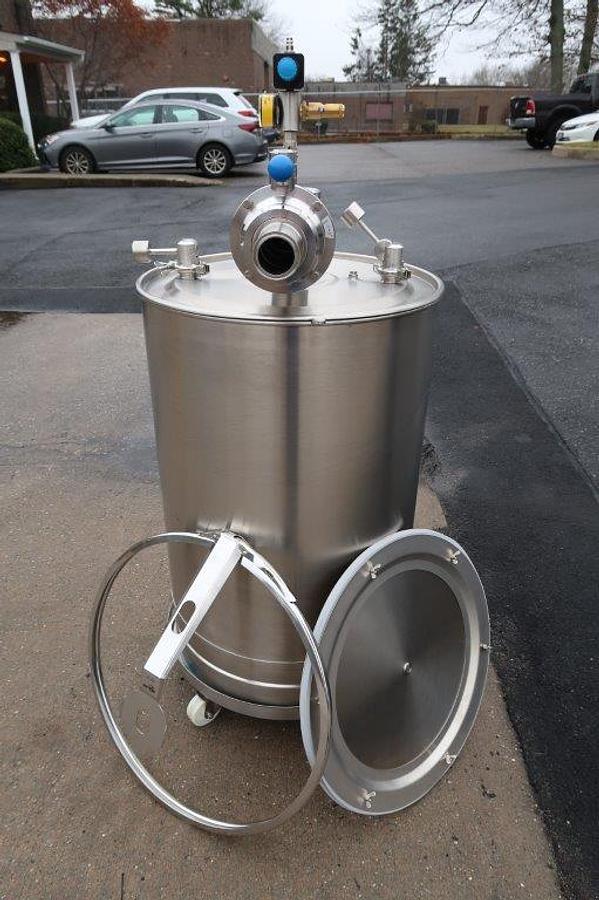
Muller produces a wide range of packaging machinery, and the used market reflects that variety. Buyers searching for pre-owned Muller equipment will typically encounter horizontal flow wrappers, cartoning machines, secondary packaging systems, and specialty transfer or drum emptying systems such as the Muller Vispro. These machines were built for high-throughput production environments and tend to hold up well over time, which is one reason they remain in circulation long after their first installation.
Beyond the more common flow wrapping and cartoning lines, Muller also developed equipment aimed specifically at enhancing shelf life and product presentation, particularly for food and beverage applications. Buyers should clarify with the dealer exactly what configuration a listed machine carries, including any optional tooling, change parts for different product sizes, or integrated conveyor sections, since used listings can vary considerably in what is included with the base machine.
What industries use Muller packaging equipment?
Muller packaging machinery has a strong foothold in the food and beverage sector, where the brand built much of its reputation around solutions designed to extend shelf life and improve product presentation on retail shelves. Confectionery, bakery, dairy, and beverage producers have all relied on Muller equipment across different product lines and production volumes.
Outside of food and beverage, Muller machines are also found in pharmaceutical manufacturing, personal care product lines, and broader consumer goods packaging operations. The machines' flexibility in handling different product dimensions and film types made them attractive across these sectors. When shopping for used Muller equipment, it is worth asking the dealer about the machine's production history, since a unit coming out of a pharmaceutical facility may have different cleanliness standards and documentation than one pulled from a snack food line.
What should buyers inspect when evaluating used Muller packaging equipment?
A thorough inspection is the most important step any buyer can take before committing to a used Muller machine. Key specifications to verify include the machine's rated speed in packs per minute, film compatibility and width range, the product dimensions it is configured to handle, electrical requirements (voltage, phase, and frequency), and the type of control system installed. Older Muller models may use legacy PLCs or HMI panels that are no longer supported, which can complicate troubleshooting and future upgrades.
Reputable used equipment dealers will typically offer in-person inspections, virtual walkthroughs, or video captures of the machine so buyers can assess its current condition before purchase. Some machines may still be installed and running at a production facility, which provides an opportunity to see the equipment operating under real conditions. Keep in mind that most dealers are not set up to run actual product through a machine during inspection, since that level of testing requires production permits they generally do not hold. Buyers should focus on mechanical condition, wear on key components, and the completeness of any included change parts or tooling.
Are replacement parts readily available for used Muller packaging machines?
Parts availability is one of the most practical concerns when buying any used packaging machine, and Muller equipment is no exception. For more recent Muller models, the manufacturer may still support spare parts requests, but buyers should contact Muller directly to confirm what level of support they can expect for the specific model and age of machine they are considering. Older or discontinued models may have limited availability of manufacturer-sourced parts, which pushes buyers toward aftermarket suppliers or third-party rebuilders who specialize in packaging machinery components.
Before finalizing a purchase, it is worth identifying which wear parts are most likely to need replacement in the near term, such as sealing jaws, belts, film guides, and sensors, and confirming whether those parts are obtainable. Some buyers also factor in the cost of sourcing a small inventory of critical spares at the time of purchase, particularly for machines that will be put into demanding production schedules. A used equipment dealer with experience in the packaging sector can often provide guidance on parts sourcing as part of the buying conversation.
Does used Muller packaging equipment come with a warranty?
Warranties on used packaging equipment work differently than what buyers might expect from a manufacturer selling a machine directly. Manufacturers typically provide warranty coverage only on equipment sold through their authorized channels. Used equipment dealers, by contrast, generally sell machinery on an as-is basis, meaning the responsibility for evaluating the machine's condition falls on the buyer prior to purchase.
Because of this, choosing a reputable dealer with a long track record in packaging machinery is especially important. A dealer who specializes in the industry will be more likely to accurately represent a machine's condition, facilitate thorough inspections, and have the knowledge to answer technical questions honestly. Buyers should also reach out to Muller directly to understand what manufacturer support, if any, is available for the specific model they are considering, since the level of support can vary significantly based on the machine's age and production status.
What is the typical price range for used Muller packaging equipment?
Pricing for used Muller packaging equipment varies considerably depending on the machine type, age, configuration, and overall condition. Simpler systems or older models with basic controls may be available at lower price points, while high-speed cartoning lines or recently decommissioned machines with modern controls and full change part sets can command significantly higher prices. Muller's reputation for durable, well-built machinery tends to support stronger resale values compared to lesser-known brands, so buyers should not expect steep discounts simply because a machine is pre-owned.
The best way to get an accurate sense of market pricing is to review current listings from dealers who specialize in packaging machinery and compare machines with similar specifications and production histories. Beyond the purchase price, buyers should also account for the full landed cost of the equipment, which includes shipping, any rigging or crating required, and the cost of installation and commissioning at their facility. These additional costs can be substantial for larger machines and should be factored into the budget from the start.
What are the shipping and logistics considerations when buying used Muller packaging equipment?
Shipping used packaging machinery involves more complexity than standard freight, and the costs can add up quickly if buyers do not plan carefully. Muller machines, particularly larger cartoning or secondary packaging systems, may require heavy-duty rigging for loading and unloading, specialized flatbed or enclosed transport, and custom crating or palletization to prevent damage in transit. The level of packaging required will directly affect shipping costs, and buyers should ask the dealer for a detailed breakdown of what is included before agreeing to a price.
For international shipments, buyers also need to account for customs clearance, import duties, and any compliance requirements in the destination country. Most used equipment dealers require full payment before a machine ships, though some may offer payment terms to established repeat customers. Getting clarity on the full landed cost, from the purchase price through to delivery at the buyer's dock, is essential for accurate budgeting and avoiding surprises after the sale is complete.
What maintenance does Muller packaging equipment require?
Like most industrial packaging machinery, Muller equipment requires a consistent preventive maintenance program to stay reliable in production. Standard maintenance tasks typically include lubrication of drive components and bearings, inspection and replacement of wear parts such as belts, sealing elements, and film guides, cleaning of sensors and photo eyes, and periodic calibration of the control system. The specific maintenance schedule will depend on the machine type, its production speed, and the type of products and packaging materials being run.
For used machines, it is especially important to conduct a thorough mechanical assessment before putting the equipment into service, since the maintenance history may not be fully documented. Buyers should request whatever service records are available from the dealer and plan for a baseline inspection by a qualified packaging machinery technician after delivery. Establishing a relationship with a technician or service company familiar with Muller equipment before the machine arrives can help minimize downtime during commissioning and early production runs.
How does buying used Muller equipment compare to purchasing a different brand of packaging machinery?
Muller has a well-established reputation in the packaging machinery industry, particularly for build quality and mechanical reliability. Machines that were well-maintained during their production life tend to remain serviceable for many years, which is one reason used Muller equipment often competes favorably with lesser-known brands on the secondary market. For buyers who are familiar with Muller's controls and mechanical layout, sourcing a used Muller machine can also reduce retraining time for operators and maintenance staff compared to switching to an unfamiliar brand.
That said, the right choice depends on the buyer's specific production requirements, budget, and ability to source parts and support for the equipment. Buyers should compare machines across brands based on the specifications that matter most for their application, including speed, product range, film compatibility, and control system familiarity, rather than brand name alone. A used machine from a well-regarded brand in good condition will generally outperform a newer machine from a less-proven manufacturer, but condition and specification fit should always be the primary evaluation criteria.
How can buyers verify the condition of a used Muller machine before purchasing?
Verifying condition before purchase is the single most important step in buying used packaging equipment, and there are several ways to approach it. Most reputable dealers will offer in-person inspections at the location where the machine is stored or still installed. If travel is not practical, many dealers can arrange video inspections or provide detailed video captures of the machine, including footage of key mechanical areas, the control panel, and any visible wear points. Buyers should come prepared with a list of specific questions and areas they want to see documented.
For machines that are still installed and running at a production facility, there may be an opportunity to observe the equipment operating, which provides a much clearer picture of its actual condition than a static inspection alone. Even in those cases, dealers typically cannot run actual product through the machine during the inspection due to the permitting and operational requirements involved. Buyers who are not experienced in evaluating packaging machinery should consider bringing in an independent machinery appraiser or a technician with Muller-specific experience to assist with the assessment before committing to a purchase.